
Best Commercial Riding Mowers: Matching the Right Model to Your Routine for 2026
Disclosure: We may earn a commission when you buy through links on this page, at no extra cost to you. As an Amazon Associate I earn from qualifying purchases. Learn more

The best commercial riding mowers fit your routine, from gate width to slope. Compare decks, drive types and power sources for tight sites and open estates.
There is no single machine that suits every crew, because best commercial riding mowers range from nimble machines for tight sites to wide deck machines for open estates. The best fit depends on how often you mow, how large your sites are, how steep the ground is and how much storage you have. This guide starts with your routine in the comparison table below, so you can skip machines that will never fit your week.
Think about a typical day, not a perfect day. Note the smallest gate you must pass, the steepest bank you must cross and the longest stretch between fuel or charge points. Those three facts narrow the field fast, and the product table above will be easier to judge once you know them.
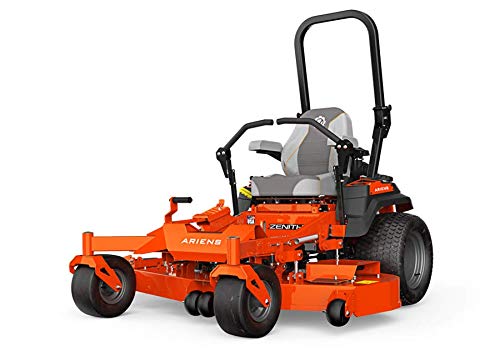
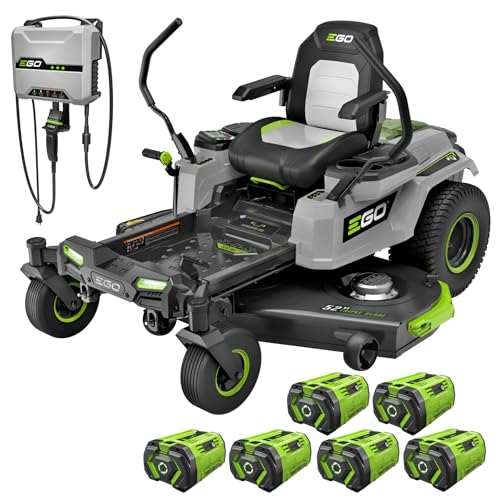
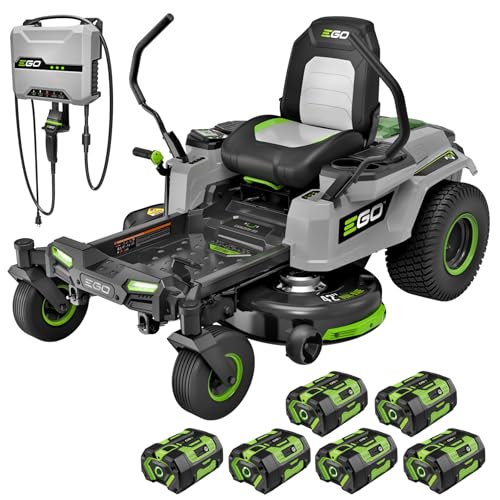

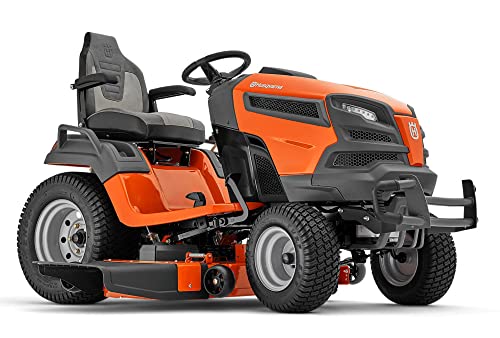
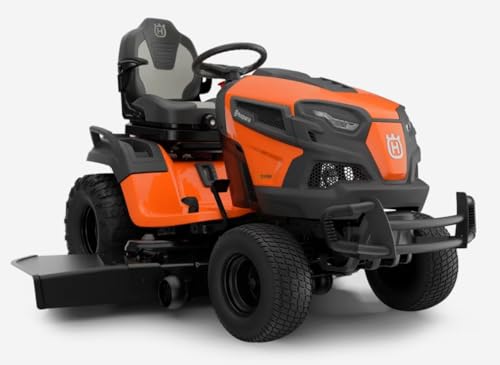


Who Should Buy Which Commercial Riding Mowers?
Use the groups below as a starting point, then adjust for your own mix of sites. A crew rarely fits one group alone, so pick the group that covers most of your paid hours and treat the others as secondary needs.
For Frequent or Serious Users
Frequent users need durability first, since a machine that mows five or six days a week wears parts far faster than a weekend machine. Look for a fabricated deck, strong spindles, a comfortable seat and a service network that can supply belts and blades quickly. Warranty length matters here too, but read what it covers, since wear parts are often excluded.
Serious users should also weigh fuel or charge logistics. A machine that needs a long charge break in the middle of a route costs more than a slightly higher fuel bill. Keep a simple hours log, and service the machine on hours, not just on calendar months.
For Bad Weather and Tough Conditions
Tough conditions mean wet grass, dusty tracks, uneven ground and long days in heat or cold. Look for sealed bearings, a deck that sheds wet clippings, tires with good grip and controls that work with gloves on. A machine that clogs in damp grass will slow every job, so check discharge and bagging in real wet conditions when you can.
Storage matters just as much in this group. A machine parked outdoors needs a cover, a dry battery store and protection from frost, while a machine stored indoors needs a clear path in and out. For a related type comparison, see our guide to best commercial riding lawn mowers when you weigh tractor style stability against zero turn speed.
For Small Spaces and Easy Storage
Small space users need a machine that fits gates, trailers and sheds without a struggle. Measure the narrowest gate, the trailer ramp width and the shed door before you compare deck sizes, since a wide deck that cannot reach the lawn is useless. Lighter machines also load faster and turn easier in tight gardens.
Easy storage also means simple folding or compact parking where the design allows it, plus a deck that is easy to clean in a small area. If you store packs indoors, plan a dry charging corner away from damp floors. Keep children and pets away from moving blades whenever the machine is running, even on a small site.
Choosing Commercial Riding Mowers for Your Situation
Your situation shapes the details that matter most, from clipping handling to daily upkeep. The two cases below cover common contrasts, and the feature sections after them help you apply the same thinking to your own routes.
Best Non Commercial Riding Mowers: What to Prioritize
The non commercial case is useful as a contrast, since it shows what commercial users should not settle for. Lighter frames, smaller decks and shorter service intervals may suit occasional home use, but they wear quickly under daily commercial loads. Prioritize a stronger deck, a longer service schedule and parts that a local dealer can supply, even if that means a higher upfront cost.
Best Commercial Riding Mowers for Mulching: What to Prioritize
For mulching, prioritize a deck shaped to recirculate clippings, a sharp mulching blade set and enough power to keep blade speed up in thick grass. A deck that mulches well on short weekly cuts may clog on tall spring growth, so check how it handles both. Also confirm that the mulch kit fits without tools you will lose on site, since crews switch modes often. For the wider riding class, see our guide to best riding mowers when you compare deck options across machine sizes.
Key Features to Compare
Compare features in the context of your routine, not in isolation. A feature that helps a large estate crew may be dead weight for a small site crew, so score each factor against the sites you actually cut.
Mulch, Bag, and Side Discharge Options
A 3 in 1 deck that mulches, bags and side discharges gives a crew flexibility across seasons. Mulching suits regular cuts and healthy lawns, bagging suits tidy finishes and leaf work, and side discharge suits fast cuts on tall grass. Switching modes should be simple, with clear fixings and no loose parts to lose in the field.
Check bag size and emptying ease as well, since a small bag on a large site wastes time. Also note how the deck handles wet clippings, because a deck that clumps in damp grass will need constant cleaning. Choose the mode mix that matches your clients, not the mode list that looks longest on paper.
Noise, Storage, and Maintenance
Noise affects where and when you can work, especially near homes, schools and offices. Battery machines run quieter and vibrate less, while gas machines need ear protection and care with early starts. Storage affects daily setup time, so measure shed space and trailer space before you choose.
Maintenance differs by power source in a clear way. Gas machines need oil, filters, spark plugs and fuel care, while battery machines need pack care, charge planning and blade care. Either way, keep a service log and follow the maker schedule, since missed service shortens machine life. For the broader commercial class, see our guide to best commercial mowers when you weigh walk behind help against riding machines.
Drive Type (Push, Self Propelled, Riding, Zero Turn, Robotic)
Drive type shapes speed, control and slope safety more than any single spec. Push machines suit tiny areas, self propelled machines suit slopes and medium lawns, riding machines suit mixed ground, zero turn machines suit large flat areas, and robotic machines suit regular cuts on simple lawns. For commercial riding work, the real choice is usually between a tractor style rider and a zero turn machine.
Rear wheel drive helps on slopes, while all wheel drive helps on loose or uneven ground, but neither replaces careful slope judgment. Zero turn machines excel on wide flat ground with many obstacles, yet they need practice and care on grades. Test drive types on your own sites, and never mow a slope that feels unsafe on foot.
Power Source: Gas, Battery, or Corded Electric
Gas power suits long routes, remote sites and thick growth, with fast refueling and strong torque. Battery power suits quiet routes, lower vibration and simpler engine upkeep, with planned charging and spare packs. Corded electric power suits small fixed areas near an outlet, but the cord limits range on commercial work.
Match the source to your route pattern, including charge points, fuel storage and cold weather needs. Gas machines need safe fuel handling, while battery machines need indoor pack storage in winter. For agile machines in this class, see our guide to best zero turn riding mowers when speed on flat ground is your top priority.
Common Mistakes to Avoid When Buying Commercial Riding Mowers
- Judging by price alone, which can leave you with a weak deck or poor parts support that costs more over a season.
- Ignoring mulch, bag and side discharge options, which forces a crew to work around a deck that cannot suit the site.
- Buying too large for your gates and trailer, which wastes time loading and blocks access to smaller sites.
- Buying too small for your acreage, which stretches each job and wears a light machine out early.
- Skipping the warranty check, which can leave belt, spindle and battery costs uncovered when you need help most.
Setup and Care Tips
Keep blades sharp, sharpening each season or sooner on sandy or dusty ground, since dull blades tear grass and leave brown tips. Never cut more than one third of the grass blade at once, because a deep cut stresses the lawn and clogs the deck. Store batteries indoors in winter, following the maker guidance for charge level and temperature.
Clean the deck after wet cuts, check tire pressure weekly and keep children and pets away from moving blades during setup and mowing. A short daily check of belts, tires and deck cleanliness prevents most mid job breakdowns. For tractor style options in this class, see our guide to best riding tractor mowers when stability and towing matter to your routine.
FAQs
Is a zero turn mower a good fit for a one acre lot?
A zero turn mower can be a good fit for a one acre lot when the ground is fairly flat and dotted with trees or beds to circle. The sharp turns cut trimming time and reduce passes across the season. On steep ground or a plain open rectangle, a tractor style rider may do the same job for less money. Measure gates and slopes first, since those limits matter more than lot size alone.
How often should commercial mower blades be sharpened?
Commercial mower blades should be sharpened each season at minimum, and more often on sandy or dusty ground. A sharp blade leaves a clean green tip, while a dull blade tears grass and invites disease. Inspect blades after striking roots or stones, and replace any blade that is cracked or worn thin. Keep a spare set on the trailer so sharpening never delays a scheduled route.
Do battery riding mowers keep up with gas models?
Battery riding mowers keep up well on regular cuts, quiet sites and moderate acreage, but gas models still lead on very long days and very thick growth. Battery torque feels smooth, which helps in steady grass, while gas refuels in minutes on remote routes. Your answer depends on route length, charge access and noise rules, so compare both on your own sites when possible.
What deck size suits a busy commercial route?
The right deck size follows gate width, trailer width and obstacle count as much as acreage. A deck around 42 inches suits many one to two acre sites, while larger sites reward decks around 48 to 54 inches when access allows. Narrow gates and many beds argue for a smaller deck, even on a larger property. Also confirm that the deck loads easily, since awkward loading wastes time every day.
How long will a commercial riding mower last in daily use?
A commercial riding mower often lasts many seasons in daily use when it is serviced on schedule and stored under cover. Deck cleaning, blade care and timely belt replacement do more for life span than headline power figures. Rough ground and skipped service shorten life fast, so track operating hours and act on hard starts or uneven cuts early. A well kept machine usually costs less over its life than a cheap machine replaced early.
Final Thoughts
Match the machine to your routine by starting with gates, slopes and route length, then choosing a deck and power source that fit those facts. Frequent users need durability and parts support, tough condition users need sealing and grip, and small space users need compact access and easy storage. No single type wins on every site, so let your week decide.
When you weigh those routine factors honestly, best commercial riding mowers become far easier to shortlist. Recheck the product table above, compare the machines that passed your access and slope checks, and choose the one your crew can run, maintain and transport with confidence all season.


