
Best Blades for Commercial Mowers: A Practical Guide for 2026
Disclosure: We may earn a commission when you buy through links on this page, at no extra cost to you. As an Amazon Associate I earn from qualifying purchases. Learn more

Match deck fit, lift style, and steel when choosing the best blades for commercial mowers that must last through a full mowing season.
A crew that cuts parks, estates, and roadside strips wears through blades far faster than a homeowner, so the best blades for commercial mowers are the ones that fit the deck exactly, hold an edge through a full shift, and sharpen safely. This guide covers lift styles, steel, fit, and upkeep for walk behind and ride on commercial decks.
Use the comparison table below to shortlist sets by deck size and part number, then read the sections that follow to check fit and plan your replacement schedule.

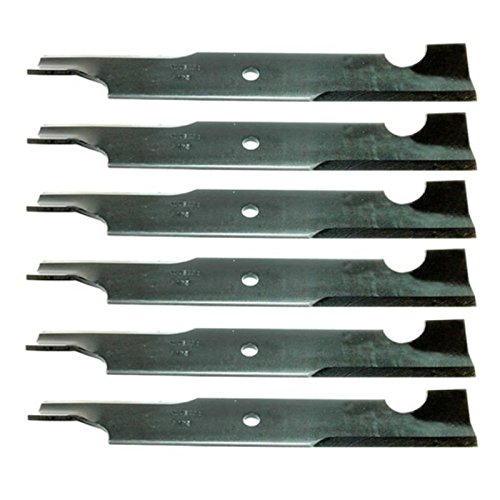


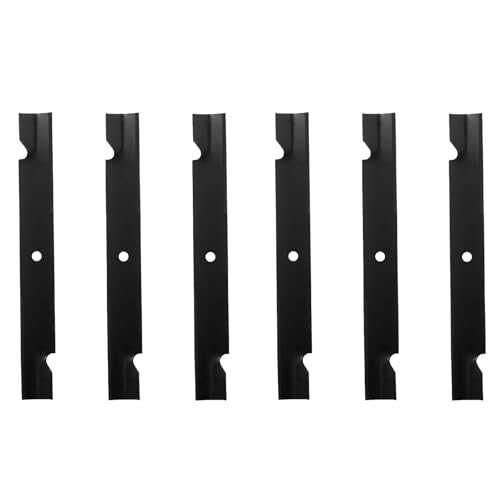
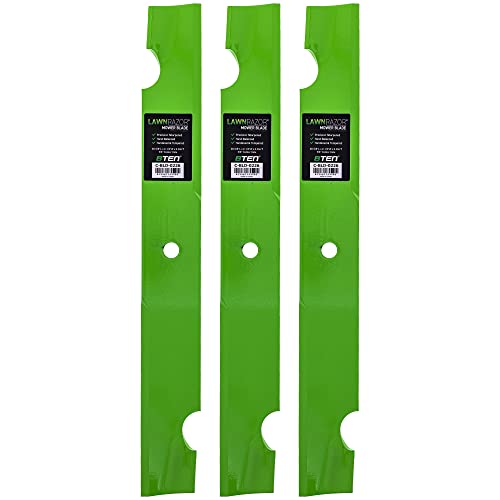
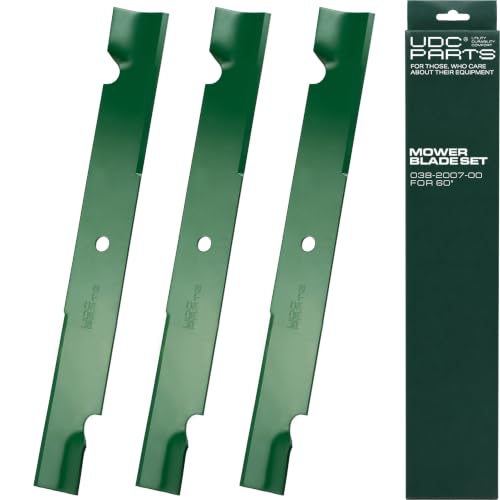

Who Should Buy Commercial Mower Blades
These blades suit mowing crews, property managers, and municipal teams that cut large areas on a fixed schedule, and owners of commercial decks who want to keep downtime low. They also suit anyone who runs a professional deck at home and wants the same durability.
They are a weaker fit for a light residential push mower. If you mow a small lawn once a week, a standard homeowner blade costs less and does the job. Match the blade to the deck and the hours you run, not to the label alone.
Blade Types Compared
High lift blades
High lift blades have tall curved wings that create strong airflow. They stand grass upright for a clean cut and throw clippings well, which suits side discharge and bagging on dry, thick turf. They need more engine power and wear faster in sandy soil.
Medium lift blades
Medium lift blades balance airflow and power use, so they are the safe all round choice for mixed conditions. They cut cleanly without lifting as much dust, and they suit crews that handle wet and dry jobs on the same day.
Low lift blades
Low lift blades move less air, which suits sandy or dusty ground and decks with limited horsepower. The cut finish is less crisp on thick grass, but the blades last longer where abrasive soil wears wings quickly.
Mulching and notched blades
Mulching blades recut clippings so they fall back into the turf, while notched blades add edge length for extra chopping. Mulching suits frequent mowing at moderate growth. In wet or overgrown grass these blades can clump, so many crews keep a high lift set for spring cleanup.
Key Features of the Best Blades for Commercial Mowers
Exact deck fit
Blade length, center hole shape, bolt pattern, and thickness must match your deck. Decks with the same width can use different blade counts, so use the maker part number or measure the old blade. A wrong fit vibrates, cuts unevenly, and wears spindles.
Steel and thickness
Heat treated steel holds an edge longer and resists bending when a blade strikes a curb or root. Thicker blades survive rough ground, but they also take more effort to sharpen. For crews working on rocky sites, thickness usually matters more than weight savings.
Sharpening and balance
A commercial blade should be easy to sharpen on a grinder without losing its shape. After every sharpening, check balance on a simple balancer and remove a little steel from the heavy end if needed. An unbalanced blade shakes the deck and shortens spindle life.
Matched sets
Buy a full set for the deck, not a single blade. A matched set keeps the cut level and spreads wear evenly, and bulk packs often cost less per blade for crews that service several machines.
Planning Your Replacement Schedule
Commercial decks usually need sharpening every 8 to 25 hours of mowing, depending on soil and debris. Sandy sites, gravel edges, and frequent curb contact shorten that interval. Keep a spare set on the truck so a bent blade does not end the day early.
Replace a blade when it is bent, cracked, deeply nicked, or worn thin at the wing. Never straighten or weld a damaged blade, because it can fail at speed. Budget for a few sets per mower each season rather than a single set, and track hours so replacement stays planned.
Matching Blades to Your Terrain
Terrain changes the right blade more than most buyers expect. Sandy and dusty soil acts like sandpaper on the wings, so low or medium lift blades last longer there. Rocky ground and curb edges call for thicker steel and a less aggressive lift, since high wings throw debris harder and bend more easily.
Wet spring growth packs under the deck and clogs mulching blades, while dry summer turf cuts cleanly with almost any lift. Many crews keep two sets per mower, one for spring and wet jobs and one for dry, abrasive sites, and swap them as conditions change.
Safety and Care
Before you work under a deck, switch off the engine, remove the key, disconnect the spark plug wire or battery, and wear heavy gloves. Support the deck as the manual directs, and use a block to keep the blade from turning while you loosen the bolt. Fit the new blade with the wings facing the deck, and tighten to the torque in the manual.
After each shift, clean packed clippings from under the deck, because trapped moisture causes rust and uneven airflow. Store spare blades dry with a light coat of oil.
Common Mistakes to Avoid
- Guessing the blade from deck width alone instead of checking the part number.
- Replacing one worn blade and leaving the others, which unbalances the deck.
- Running a high lift set on sandy ground where the wings wear out in weeks.
- Skipping the balance check after sharpening.
- Reusing a bent blade because it still looks usable.
Related Guides
For machine choices, see our guide to the best commercial mowers. Crews running ride on zero turn machines can also compare the best commercial ztr mowers, and the best blades for zero turn mowers guide covers lift choices in more depth.
Frequently Asked Questions
How often should commercial mower blades be sharpened?
Most crews sharpen every 8 to 25 hours, and sooner on sandy or rocky ground. Torn, brown grass tips are the clearest sign that an edge has dulled. Keep a sharp spare set ready so sharpening never delays a route.
Are high lift or medium lift blades better for commercial use?
High lift gives the cleanest cut and best bagging on dry turf, while medium lift is the safer all round choice for mixed conditions and uses less power. Choose by your most common job, not an occasional one.
Can I use blades from another brand?
Yes, if length, center hole, bolt pattern, thickness, and lift match your deck and the seller lists your part number. Compare steel and thickness, because the cheapest set may dull faster and cost more per hour of mowing.
How do I know if a blade is out of balance?
Hang the blade on a balancer or a nail through the center hole. If one end drops, remove a little steel from the heavy end until it sits level. A deck that vibrates after a blade change usually points to an unbalanced blade or a bent spindle.
When should I replace instead of sharpen?
Replace a blade that is bent, cracked, deeply nicked, or worn thin at the wing. Sharpening cannot restore lost wing height, and a weakened blade can fail at speed, so replacement costs far less than deck damage.
Final Thoughts
Match the exact fit first, choose lift for your terrain and clipping plan, and buy heat treated steel in a matched set. Check the product table above against your deck part number, and the best blades for commercial mowers for your crew will keep cuts clean and downtime short.


