Best Compact Hoses Made Simple: A Clear Buying Guide for 2026
Disclosure: We may earn a commission when you buy through links on this page, at no extra cost to you. As an Amazon Associate I earn from qualifying purchases. Learn more

Learn how to choose the best compact hoses for small gardens with plain guidance on length, fittings, safe materials, storage, and care basics.
Buying your first garden hose sounds simple until you face a wall of lengths, materials, and fittings with no clear starting point. This guide slows that moment down and walks you through best compact hoses in plain language, from what the term actually means to the checks that keep a small hose useful for years.
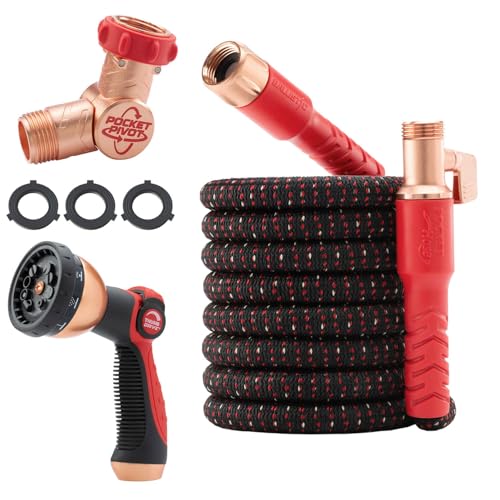
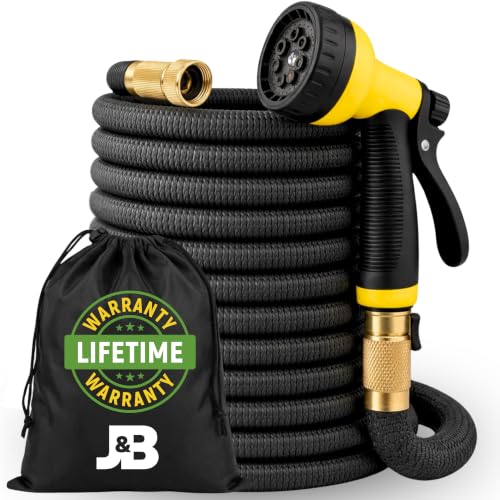
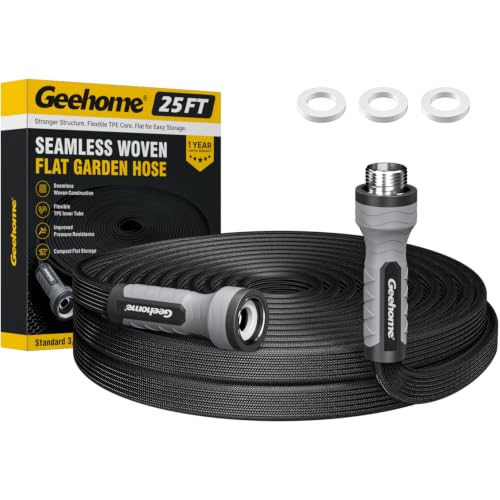
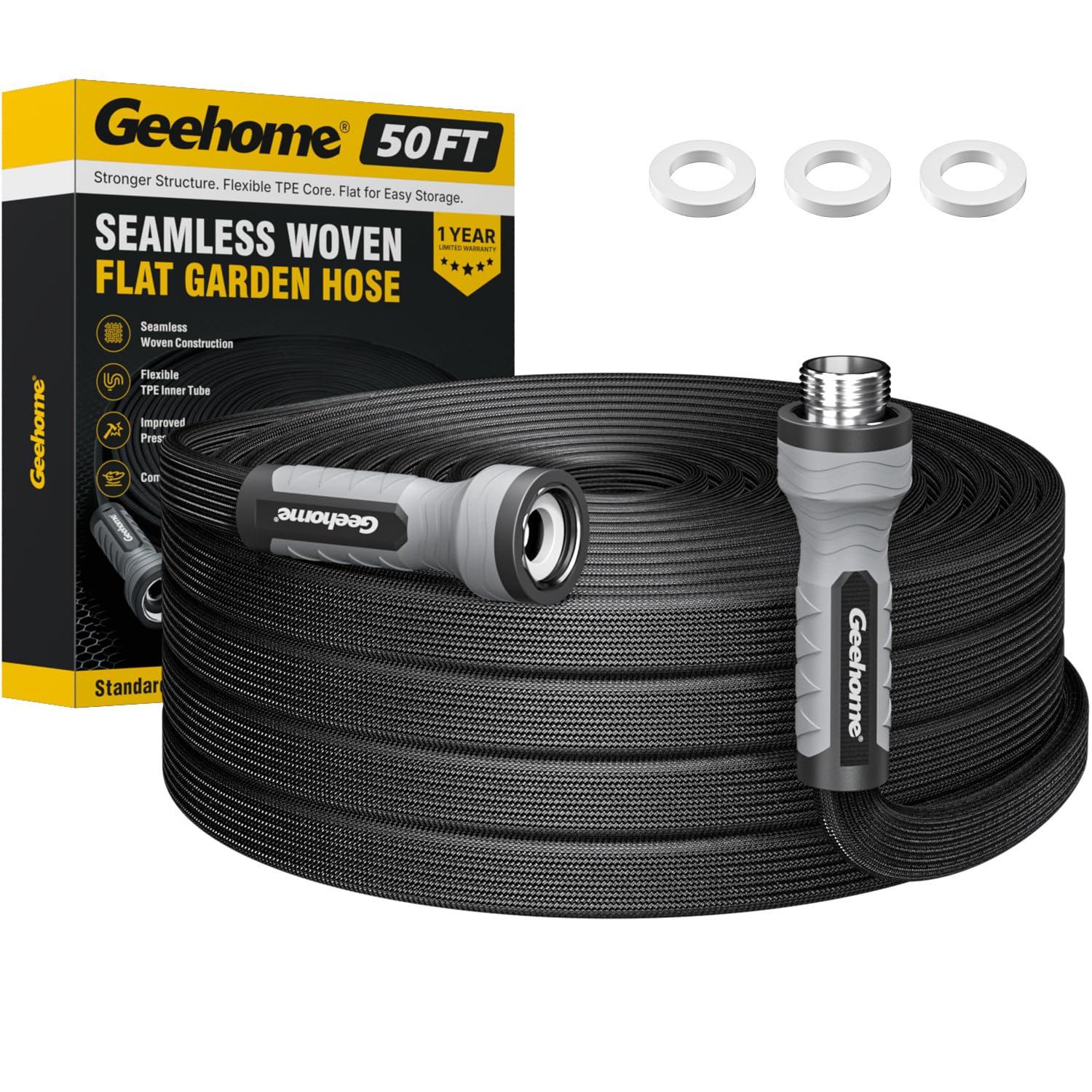
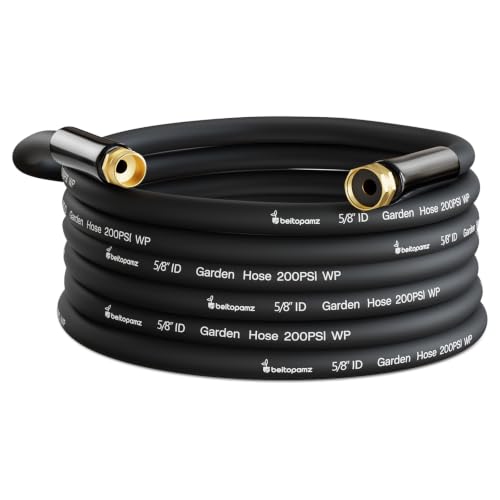
Compact models suit balconies, patios, small gardens, and tidy sheds where a long and heavy hose would mostly sit in the way. Below, you will learn how to measure your space, match length to your layout, and read safety labels. Start with the product table to see how common options differ, then use the sections that follow to understand each spec before you spend anything.



Compact Hoses 101: The Basics
A compact hose is a garden hose built to take up very little room when it is not in use. Most are shorter than a standard hose, lighter to carry, and designed to shrink, coil, or wind onto a small reel for storage. The goal is simple: enough reach and flow for everyday jobs while leaving your shelf or patio corner mostly free.
Expandable models are the most common style. Inside a soft outer jacket sits a flexible inner tube that stretches to full length when water pressure fills it, then contracts again once you drain it. Coil hoses behave like a spring and pull back into a tight spiral on their own. A third style is simply a short traditional hose stored on a mini reel or a wall hook.
A few terms appear on nearly every listing. Length is given in feet and, on expandable models, describes the hose when it is full of water. Diameter affects how much water passes through each minute. Fittings are the ends that connect to your faucet and nozzle.
Key Specs Explained in Plain English
The sections below translate the main specs into everyday decisions. As you read, compare your notes with the product table above, because a number only matters once you know how it changes watering, carrying, and storage at your own home.
Measuring for Size and Portability
Start by measuring the spot where the hose will live, not the garden it will water. Note the width and depth of the shelf, bin, or wall area you can spare, then check the stored size on the listing rather than the watering length. A hose with nowhere to go afterward quickly becomes a trip hazard.
Weight matters just as much. A compact hose feels light when empty, yet a longer model still asks you to carry it up steps, across gravel, or out to a balcony. If you have limited grip strength or sore shoulders, favor the shortest and lightest option that reaches your plants.
One trade off deserves attention before you buy. A smaller stored size often comes with a narrower inner tube, and a narrower tube delivers a gentler stream that fills a watering can more slowly. For containers and beds that gentle flow is usually fine. For washing a car or a driveway, you may want a wider diameter even if the hose stores a little larger.
Match the Product to Your Garden Size and Layout
Walk your space and picture the hose traveling from the faucet to the farthest plant you water each week. Beds behind a shed, pots along a fence, and patio corners all add distance that a straight line measurement misses. Good drainage shapes the route too, because a hose dragged daily through a muddy low spot wears faster and tracks dirt onto paths.
Small container gardens on a balcony or deck usually need the least reach, and a short hose keeps the area uncluttered. A modest yard with several beds, a compost corner that needs regular moisture, and a few trees will push you toward the longer end of the compact range. If your beds keep spreading each season, admit that now rather than buying twice.
Some yards simply outgrow this category. If you water a large lawn, long borders, and distant trees from one faucet, see our guide to the best lawn hoses for options built around reach first. Forcing a compact model onto a big property leads to constant stretching, tugging, and frustration.
Safety: Drinking Water Safe, Organic, and Pet Safe Use
Most watering never reaches a glass, yet plenty of hose water ends up in pet bowls, kiddie pools, and vegetable beds. If any of those apply to you, look for the exact words drinking water safe on the packaging. That label means the materials are rated for contact with water people and animals consume, which standard garden hoses are not required to meet.
Materials explain most of the difference. Some vinyl hoses can carry traces of lead in their fittings or stabilizers, and water sitting in a warm hose can also shift in taste and pH. Choosing lead free brass fittings and a rated inner tube removes that worry at the source. Gardeners who grow food organically can also look for an OMRI listing, which signals a product fits the rules used in certified organic growing.
Pets deserve the same care as people here. Dogs and cats often drink straight from the nozzle on hot days, so a rated hose is the safer habit for households with animals. Whatever hose you own, let the first water run onto the ground for a few seconds, because water that sat in the sun inside the hose can come out surprisingly warm.
Ease of Use and Storage
Daily handling decides whether a hose feels like a tool or a chore. Expandable models need enough water pressure to reach full length, then shrink back on their own once drained, which makes putting them away almost effortless. Coil hoses spring back fast but can tug against you while you work. A short standard hose on a small reel winds up in seconds.
Storage works best when the hose has one fixed home. A lidded bin near the faucet, a sturdy wall hook in the shade, or the reel it came with all beat a pile on the ground. Keep the nozzle and any spare washers in the same spot so nothing wanders off between uses.
Durability and Weather Resistance
Materials set the ceiling for how long a compact hose can last. On expandable models, a dense woven outer jacket protects the inner tube from scrapes against concrete, brick, and rough soil. On short standard hoses, rubber tends to stay flexible longer than vinyl, which can stiffen and crack as it ages.
Fittings deserve a close look because leaks usually start at the ends. Solid brass fittings resist corrosion, seal tightly with a fresh rubber washer, and tolerate being attached and removed all season. Thin plastic fittings cost less but can crack if stepped on or dropped on pavement. Aluminum sits between the two, light and fairly strong, though it can corrode onto a brass faucet if left attached for months.
Sun and cold both wear a hose down slowly. Ultraviolet light dries out jackets and vinyl over time, so shaded storage extends service life. Listings split into standard options built for mild climates and light use, and premium and heavy duty options with tougher jackets and stronger fittings. If build quality is your top priority, see our guide to the best quality hoses before you decide.
Rookie Mistakes to Avoid
First time buyers tend to repeat the same handful of errors, and each one is easy to sidestep.
- Buying by expanded length alone, so the hose barely reaches once corners and obstacles eat up its slack.
- Choosing the narrowest tube for every job, so filling buckets and rinsing a patio takes far longer than expected.
- Ignoring the drinking water safe label, so water for pets, pools, and vegetables runs through unrated materials.
- Leaving the hose pressurized in full sun, so heat and pressure strain the inner tube and shorten its life.
- Storing the hose full of water before a freeze, so expanding ice splits the tube or cracks a fitting.
Getting Started: Setup and First Use
Setup takes about ten minutes and needs no tools. Unpack the hose and check both ends for a rubber washer seated inside the female fitting, because a missing washer is the most common cause of a drip at the faucet. Stretch the hose out gently by hand, look over the jacket or tubing for shipping damage, then thread the fitting onto your faucet by hand until snug.
Before your first real watering, run plain water through the hose onto the ground for half a minute. This flushes out dust from manufacturing and lets you watch every connection for leaks under pressure. Attach your nozzle only after this check. For expandable models, let the hose fill and reach full length before you start walking, since pulling a half filled hose around corners strains the inner tube.
Build two habits from day one. Water early in the morning when less moisture is lost to heat and wind, and your plants get the most from every gallon. When you finish, shut off the faucet, open the nozzle to drain the water out, and put the hose back in its shaded home. Before freezing weather arrives, drain it fully and store it indoors so trapped water cannot expand and split the tube.
Frequently Asked Questions
How much compact hose length do you need for your garden?
You need enough length to reach your farthest plant from the faucet, plus a little slack for corners. Measure with a rope or a tape laid along the actual path you will walk, not in a straight line, then add about five feet. That rope trick is the new step most beginners skip, and it prevents the classic mistake of a hose that falls a few feet short every single watering day.
Are organic and drinking water safe compact hoses worth buying?
Yes, they are worth buying if hose water touches food, drinks, or animals at your home. The premium makes the most sense for vegetable beds, herb pots, pet bowls, and pools, where rated materials and lead free fittings protect what you grow and serve. For watering only lawns and flower beds, a standard hose is a reasonable place to save money, since that water never enters your kitchen.
How long should a compact hose last?
A compact hose should last about three to five seasons with normal care, and longer when it is drained and stored in the shade. Watch for the clear end of life signs: a bulge in the tube, a jacket that frays through to the inner layer, or fittings that drip even with a new washer. Once a bulge appears, plan a replacement soon, because that weak spot usually bursts.
Can a compact hose be repaired if it starts to leak?
Yes, a compact hose can often be repaired when the leak sits near one end. Cut away the damaged section with a sharp utility knife, then fit a repair coupling made for the same hose diameter and tighten it evenly. This fix works poorly in the middle of an expandable hose, where the stretching tube defeats most clamps, so mid hose damage there usually means replacement.
Final Thoughts
Choosing well comes down to three checks: the length your layout truly needs, materials that are safe for how your household uses water, and a stored size that fits the home you actually have. Match those three and the daily details fall into place. The product table above can then confirm prices and options against a list you already understand.
Take your measurements, decide your safety needs, and pick the best compact hoses option that fits both without a fight. A small hose chosen with care waters just as faithfully as a big one, and it gives you back shelf and patio space.