
Best Commercial Standing Mowers: Stand-On, Sulky or Seated for 2026
Disclosure: We may earn a commission when you buy through links on this page, at no extra cost to you. As an Amazon Associate I earn from qualifying purchases. Learn more
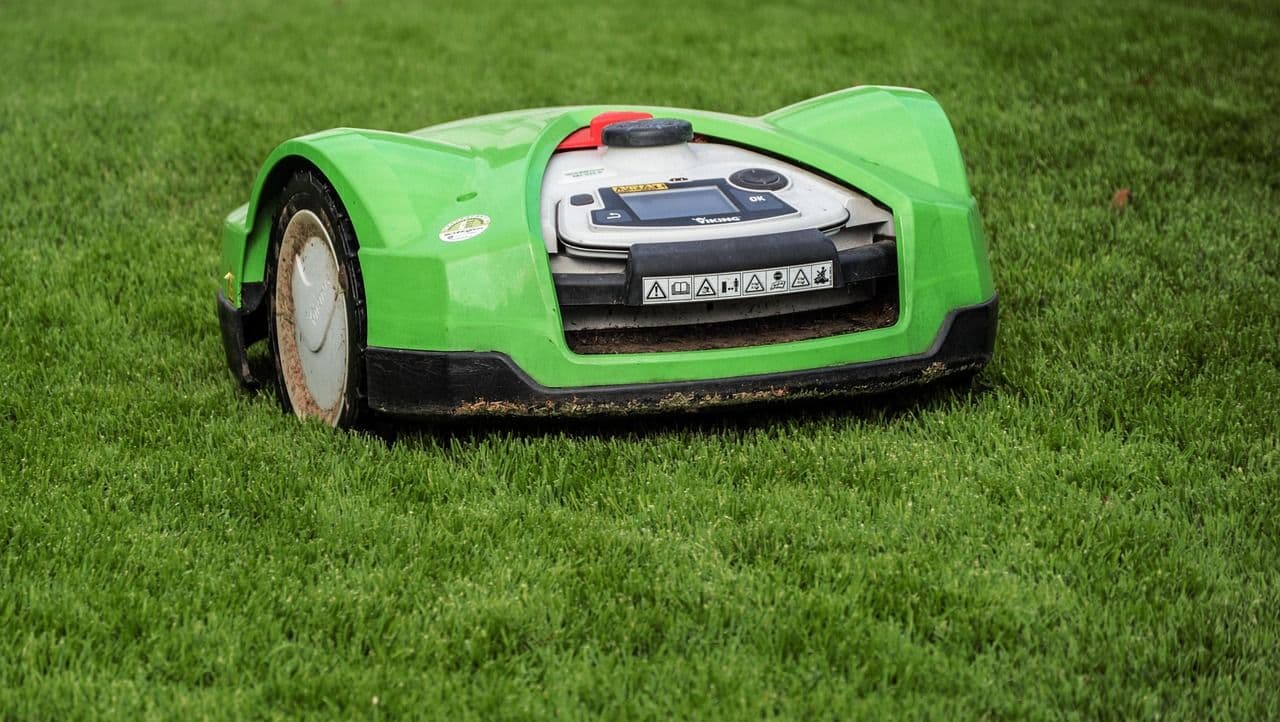
Crews choosing the best commercial standing mowers: stand-on, sulky or seated types compared, with deck size, power source and slope guidance.
Choosing among best commercial standing mowers gets confusing fast, because listings mix true stand-on machines with walk-behind units, sulky attachments and seated models that solve very different problems. This guide explains the three ways to mow on your feet or on a platform, what each does well and where it struggles, and how deck size, power and terrain should shape your pick.
A crew cutting small gated lawns needs something very different from a crew clearing large open sites, and the right answer follows from that daily work. Read the sections that match your properties, then use the checklist near the end before you commit to a machine.
Types of Commercial Standing Mowers Compared
Commercial standing mowers put you on a small platform behind the cutting deck instead of in a seat. That stance gives you a clear view of the deck edges, lets you step off quickly at gates and curbs, and keeps the machine short for tight turns and easy trailer loading. A full commercial stand-on unit is a serious purchase, often priced from several thousand dollars into five figures, while a sulky platform for an existing walk-behind costs a few hundred. If you are weighing the wider fleet picture, see our guide to the best commercial mowers for how standing models fit alongside other styles.
Stand-On Zero Turn Mowers
Stand-on zero turn mowers steer by driving the rear wheels at different speeds, so the machine pivots in place instead of making a wide arc. Because you stand, the unit is much shorter than a seated zero turn, which helps around trees, islands and building corners and makes loading onto a narrow trailer easier. You cover open ground quickly, trim close to obstacles in one pass, and spend less time circling back for missed strips.
The limits show up on slopes and in budgets. A stand-on machine costs more than a walk-behind model, needs practice to run without tearing turf, and loses grip sooner on wet hills. If a seated version is on your short list too, see our guide to the best commercial ztr mowers to compare the two zero turn formats.
Walk-Behind Mowers with a Sulky Platform
Many crews turn a heavy walk-behind into a standing mower by adding a sulky: a fold-down platform on one or two small wheels that hooks onto the rear of the mower. You keep the walk-behind deck, engine and gate-friendly width, but you ride instead of walking every mile of the route. Sulkies cost a fraction of a new stand-on unit and can be unhooked in seconds when a back yard is too tight for the extra length.
The trade-off is stability and fit. A sulky must match your mower brand and frame, wheel size affects how it handles bumps, and steep side slopes feel less secure than on a purpose-built stand-on. For a deeper look at heavier duty walk-behind options, see our guide to the best commercial push mowers, which covers the commercial grade end of that simple format.
Seated Riding Mowers as the Alternative
Seated zero turn and riding mowers are the usual alternative when your routes are large and open. A seat is easier on legs over a ten-hour day and often comes with larger decks, but the machine is longer, heavier and harder to load, and it needs wider gates. Crews that run both formats often use the stand-on for tight and mixed properties and the seated mower for big open sites.
Stand-On, Sulky or Seated: Which Should You Choose?
Compare the three on the work itself. On speed, a stand-on zero turn and a seated zero turn beat a walk-behind with a sulky, since both pivot at each turn instead of swinging the deck around by hand. On small or cluttered properties the gap narrows, because a walk-behind with a sulky slips through gates and between beds that stop a wider deck. On cost, the sulky option is far cheaper to buy and repair, while a full stand-on earns its price back only when you have enough ground to use its speed.
Comfort matters too. Standing on a padded platform all day is easier on legs and backs than walking the same distance, but a stand-on takes practice to steer smoothly without scuffing turf. If most accounts are large and open, choose a zero turn. If most are small or gated, a walk-behind with a sulky may serve you better, and you can see how seated machines compare in our guide to the best commercial riding mowers before you commit.
How to Choose the Right Commercial Standing Mower
Once you know the type fits your route, work through the four factors below. Each one changes daily output, cut quality, or running cost, and each one is easy to check in a listing or manual before you buy. This short list is also where the best commercial standing mowers separate themselves from homeowner grade stand on machines built for lighter use.
Power Source: Gas, Battery, or Corded Electric
Gas remains the default for commercial standing work because it refuels in minutes, holds full power all day, and handles thick or wet grass without fading. The costs are noise, exhaust, and more upkeep, including oil, filters, and belts. Battery models run quietly and start instantly, which helps on sites with noise rules, but battery runtime limits each charge and a working day may need several large packs. Corded electric is not realistic for a standing commercial machine, since a cord cannot follow a moving platform across a large property.
Cutting Height Adjustment
Cutting height decides how clean the finish looks and how often you need a second pass. Look for a wide range, roughly 1.5 to 4.5 inches on many commercial decks, with steps small enough to match grass type and season. A single lever or a simple pin system that changes height in seconds matters on a route where lawns differ from stop to stop. If changing height takes tools and effort, crews will skip it and cut everything at one setting.
Slopes and Terrain
Standing mowers feel stable on gentle ground because your weight sits low and you can step off fast if the machine starts to slide. Still, follow the slope limit in the manual, and be extra careful once slopes pass about 15 degrees, where zero turn traction drops off quickly. Wet grass and loose soil raise the risk, so walk a new slope first and mow across gentle slopes rather than straight up and down. Stop work and get help if the machine tips, slides toward water or traffic, or feels unstable under you.
Engine Size or Battery Voltage and Runtime
On gas models, a larger engine holds blade speed in tall grass and powers a wider cutting deck without bogging down, but it also burns more fuel and adds weight. Match engine size to the deck and the grass you actually cut, not to the biggest number on the lot. On battery models, voltage alone tells you little. Look at amp hours and the stated runtime per pack, then do the route math: how many packs you own, how fast they charge, and whether a midday swap keeps the deck turning.
Common Mistakes to Avoid
- Buying a deck too wide for your gates, so the mower sits on the trailer while a smaller machine does the work.
- Choosing a zero turn for steep or wet slopes, so the machine loses traction and slides where a walk behind model would hold.
- Judging battery models by voltage alone, so runtime runs short in the middle of a route with no spare pack charged.
- Skipping the mulching setup on properties that need it, so clippings pile up in rows and clients complain about the finish.
- Ignoring trailer length and tie down space, so the new mower crowds out the rest of the crew gear.
- Cutting too much grass at once, so the deck clogs, the engine strains, and the lawn looks torn instead of trimmed.
Setup and Care Tips
Before the first route, set the cutting height on flat ground, check that the deck sits level, and confirm the platform and controls feel secure under your weight. Keep blades sharp, since a dull edge tears grass tips and leaves a ragged finish clients notice. Sharpen or swap blades each season at a minimum, and sooner on sandy soil. To compare blade styles and materials, see our guide to the best blades for commercial mowers.
During the season, never cut more than one third of the grass blade at once, clear sticks and stones before you start, and scrape the underside of the deck after wet work so clippings do not harden and block airflow. Check tire pressure and belts weekly. In winter, stabilize fuel on gas models and store batteries indoors, since cold storage shortens battery life. Walk the route once with your short list in mind before the season starts.
FAQs
Is a zero turn commercial standing mower worth it for one acre?
Yes, a zero turn standing mower is usually worth it for one acre if you cut that acre often. Pivoting turns and faster ground speed cut job time sharply compared with walking. One point buyers miss is resale value: commercial grade zero turn units tend to hold value well, so part of the higher price often comes back if you upgrade later.
How often should you sharpen blades on a commercial standing mower?
You should sharpen blades on a commercial standing mower about every 20 to 25 hours of cutting. Sandy soil, sticks, and curb strikes dull an edge faster, so inspect weekly during heavy weeks. A simple field check helps: look at the grass tips the day after cutting. White or brown frayed tips mean the blade is tearing instead of cutting, even if the edge still looks fine at a glance.
Are battery powered commercial standing mowers as good as gas models?
Battery powered standing mowers match gas models on quiet running and instant starts, but not yet on all day runtime for large routes. They suit crews with smaller properties, noise limits, or a depot where packs can charge between stops. Price replacement packs into your budget from the start, because a fleet that shares packs wears them out faster than a single owner machine.
What size commercial standing mower do you need for a property?
The right size depends on gates and open ground more than on total acreage alone. A deck of about 36 inches fits most residential gates, decks of about 48 to 52 inches balance speed and access for mixed routes, and wider decks near 60 inches pay off only on large open sites. Measure your narrowest gate before you shop, because a deck even one inch too wide turns your fastest mower into your slowest problem.
How long does a commercial standing mower last?
A commercial standing mower typically lasts about 1500 to 2500 engine hours with steady care. Frames, decks, and platforms often outlast engines and hydro drives, so service records matter when you judge a used unit. Ask for hour meter readings and proof of fluid changes before buying used, because a low hour machine with skipped service can be a worse deal than a higher hour machine that was maintained on schedule.
Wrapping Up
Match the type to your route first, then check deck size against your narrowest gate, then confirm that power source and runtime fit a full working day. Slopes deserve the final say, since no time saving is worth a machine that slides. Check every best commercial standing mowers candidate against those three checks, and you will land on a standing mower your crew can run hard, service simply, and trust on every property.

