Best Commercial Electric Mowers: Every Type Explained Side by Side for 2026
Disclosure: We may earn a commission when you buy through links on this page, at no extra cost to you. As an Amazon Associate I earn from qualifying purchases. Learn more
A clear guide to the best commercial electric mowers: mower types, deck sizes, battery runtime and drive options matched to daily crew work.
Commercial mowing leaves little room for guesswork, yet the range of walk behind, riding, and zero turn models can make the choice feel tangled. Crews need steady runtime, a deck that fits each site, and machines that hold up to daily use. The best commercial electric mowers match your typical property, your crew size, and your charging setup.
This guide compares each type side by side, explains the specs that change your workday, and shows how to avoid costly sizing errors. Then use the comparison table below to narrow your shortlist.



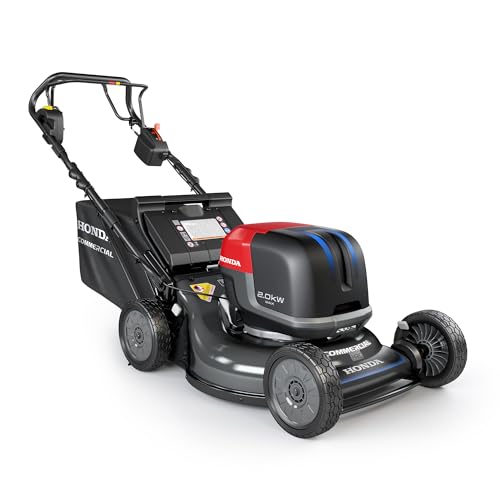

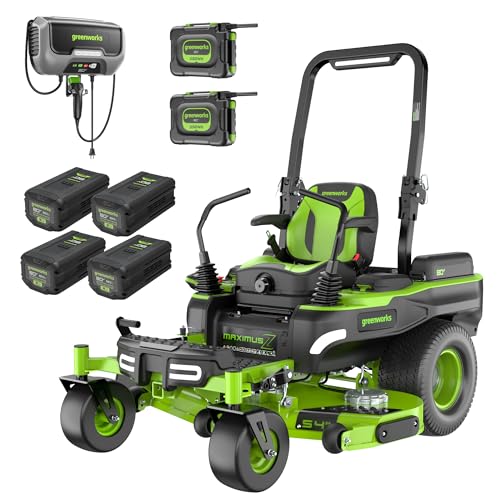
Types of Commercial Electric Mowers Compared
The four types below cover nearly all commercial electric work. Prices run from about $800 to $2,500 for walk behind models and about $4,000 to $12,000 for riding and zero turn models. Match the type to your most common site first, not your largest one.
Self Propelled Mowers
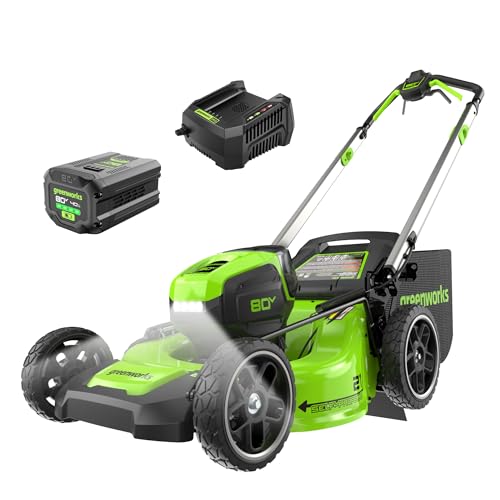
A self propelled mower drives its own wheels, so the operator guides the machine instead of pushing its full weight. That help matters on slopes, in thick grass, and late in a long route, when steady pace protects cut quality. These models suit crews covering small to midsize lawns with fences, beds, and turns. The trade off is more weight and more drive parts to service.
Push Mowers
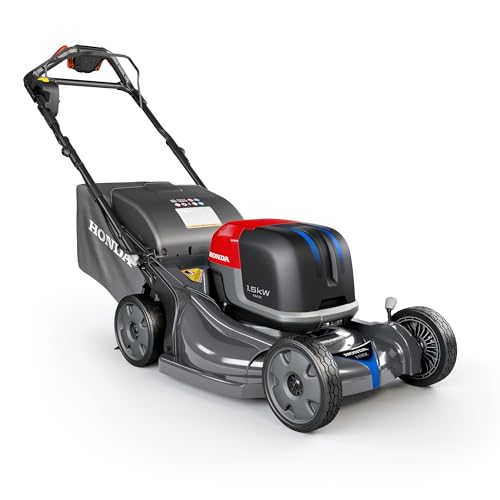
A push mower is the simplest walk behind option, with the operator supplying all forward motion. It is light, easy to load, and easy to steer in tight corners, with the fewest moving parts to maintain. Push models fit small sites and trim work around buildings. They tire operators quickly on hills or large areas, so most crews keep them as support machines; see our guide to the best commercial push mowers.
Zero Turn Mowers
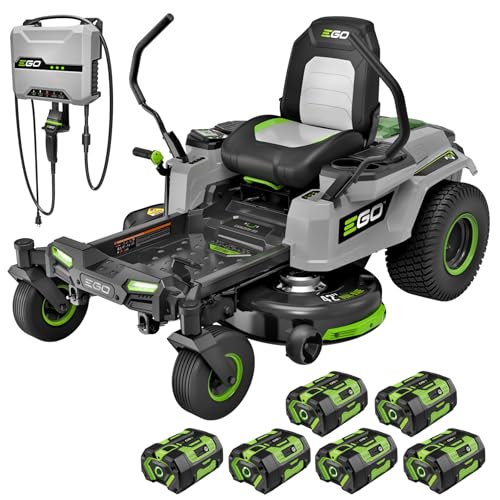
A zero turn mower steers with two lap bars that drive the rear wheels independently, letting the machine pivot in place at the end of a row. That tight turning cuts wasted passes on open lawns with many obstacles. These models suit large, mostly flat properties where mowing time drives labor cost. They are heavy and costly, and the lap bar controls take practice before a new operator can hold a straight line.
Riding and Stand On Mowers
Seated riding mowers and stand on mowers serve crews who spend most of the day on the machine. A seated model gives comfort and steady control on large open sites, while a stand on model shortens the footprint and lets the operator step off quickly at gates. Both cost more and need trailer space. If open ground dominates your route, see our guide to the best electric riding mowers for how seated models fit large site work.
Self Propelled Mowers vs Push Mowers: Which Should You Choose?
Start with effort and terrain. A self propelled model holds a steady pace on slopes and in dense growth, while a push model asks the operator to supply that force all day. On small flat lawns the difference feels minor, but across a full route it decides how fresh your crew is for edging and cleanup.
Next, weigh cost and upkeep. Push models cost less and need little beyond blade and battery care, while self propelled models add drive belts, wheels, and controls to inspect. Choose self propelled drive when most sites exceed about a quarter acre or include slopes. Choose a push model when sites are small and simple loading matters most, a pattern you will also see across the best cordless electric mowers built for light routes.
How to Choose the Right Commercial Electric Mower
Most buyers comparing the best commercial electric mowers start with price, yet route fit decides value far more. Work through five checks: runtime, deck, cut settings, handling, and charging. If you are weighing electric against other power for a mixed fleet, see our guide to the best commercial mowers.
Battery Voltage, Runtime, and Spare Packs
Voltage describes the battery platform, commonly about 40 to 80 volts on commercial walk behind models, while amp hours describe how much energy each pack holds. Runtime depends on both numbers plus grass conditions, so treat maker estimates as best case figures. For route work, plan on spare packs that rotate through chargers during the day, and keep every mower on one platform so packs stay interchangeable. A crew out of charged packs loses more time than a crew with a narrower deck.
Cutting Deck Width and Build
Deck width sets how much ground each pass covers, with walk behind decks commonly about 21 to 30 inches and riding decks about 42 to 60 inches. A wider deck speeds open areas but may not pass a standard gate, so measure your narrowest access point and pick the widest deck that fits it. Steel handles knocks well, composite resists rust and weighs less, and fabricated decks use thicker welded steel for daily abuse.
Cutting Height, Mulching, and Bagging
Cutting height adjustment should be quick, secure, and matched across wheels and cover a wide range. Mulching cuts clippings finely and returns them to the lawn, which saves emptying time on regular routes. Bagging gives a cleaner finish on formal sites and collects leaves, but full bags add weight and stops. Many crews choose a model that does both well and switch by site, using side discharge only for rough areas.
Drive Type and Handling on Slopes
Front wheel drive pulls the mower and turns easily with the deck lifted, but it can lose grip when a full rear bag adds weight. Rear wheel drive pushes with better traction on slopes and with a loaded bag, while all wheel drive helps on wet ground at higher cost. Zero turn and riding models need extra care on inclines, so check the maker slope limit and keep steep banks for walk behind machines.
Charging Setup and Total Cost
Your charging setup is part of the machine, not an extra. Count the chargers, outlets, and secure indoor space you need to turn every pack around overnight, and add spare packs and a second charger to the real purchase cost. Electric models also skip oil changes and air filter swaps, which lowers routine service and fuel cost. The honest comparison is total cost per season, and a slightly higher purchase price often wins there.
Common Mistakes to Avoid
Most bad purchases come from sizing and planning errors. Watch for these five on commercial routes.
- Buying a deck too wide for your gates, because a mower that cannot enter the yard forces slow trim work or a second machine.
- Counting only the packs in the box, because thick grass can drain batteries well before the route ends.
- Mixing battery platforms across the fleet, because crews then carry extra chargers and still grab the wrong pack.
- Sending a zero turn mower onto steep slopes, because lost traction on a heavy machine risks sliding and injury.
- Skipping a loading plan, because a mower your crew cannot ramp safely gets left behind when it is needed most.
Blade, Deck and Battery Care for Electric Work Mowers
Keep blades sharp, and plan on sharpening or swapping them each season at minimum, and more often on sandy sites. Never cut more than one third of the grass blade at once, since deeper cuts stress the lawn and load the motor and battery. Clear packed clippings from under the deck after wet work, and check wheel and drive parts monthly.
Store batteries indoors in winter and during long breaks, and keep them partly charged rather than fully drained. Wipe contacts clean, charge packs after each workday, and retire any pack that swells, cracks, or stops holding a useful charge. Brush grass off cooling vents so the motor runs cool.
Frequently Asked Questions
How often should you sharpen blades on a commercial electric mower?
Sharpen blades on a commercial electric mower about every 20 to 25 hours of mowing. Inspect the edge weekly for nicks from sticks, grit, and hidden debris. Torn, pale grass tips the day after mowing mean the blade is tearing rather than cutting, and a spare sharp set lets you swap on site and sharpen later.
Is a zero turn mower worth it for one acre of commercial work?
A zero turn mower is worth it for one acre when that acre is open, mostly flat, and mowed often. The time saved on turns and repeat passes can repay the higher price across a season of weekly visits. It is harder to justify for gated yards a wide deck cannot enter, or for sloped ground. In those cases a self propelled walk behind model usually earns more per dollar.
How long does a commercial electric mower last in daily use?
A commercial electric mower lasts about five to eight years in daily use with steady care. The frame, deck, and motor usually outlast the batteries, which commonly need replacing after about three to five seasons as runtime fades. Life shortens when crews overload small models on large sites. Retiring tired packs early protects cut quality and route timing.
Are battery powered mowers as good as gas mowers for commercial work?
Battery powered mowers match gas mowers for most routine commercial cutting, with strong torque from the first pass. The real difference is planning: gas refuels in minutes, while battery crews rotate packs and charge on a schedule. Electric models also run far more quietly, which helps at sites with early hours or noise limits. Remote sites with no charging access need the most planning.
What size commercial electric mower do you need for your property?
The right size commercial electric mower depends on open area, gates, and how often you mow. A 21 inch walk behind deck suits small sites and trim work, decks around 28 to 30 inches suit midsize lawns, and riding decks suit open ground above about one acre. Measure gate width first, then match deck size to the largest area you mow every week.
Our Verdict
Choose by type first, runtime second, and deck fit third, and most buying errors disappear. Self propelled models carry the widest range of routes, push models keep small site costs low, and zero turn and riding models repay their price on open ground. Whichever type you pick, the best commercial electric mowers are the ones your crew can charge, load, and run all week without workarounds, so check the product table above before you order.