
Best Commercial ZTR Mowers for 2026: Which One Fits the Way You Use It?
Disclosure: We may earn a commission when you buy through links on this page, at no extra cost to you. As an Amazon Associate I earn from qualifying purchases. Learn more

Pick the best commercial ztr mowers for the way you work: deck width, drive strength, fuel range and slope limits compared.
ZTR is simply the short name for a zero turn radius mower, so the best commercial ztr mowers are the same class of machine as the spelled out zero turn models, only built for paid work instead of home lawns. What separates a good buy from an expensive mistake is not the badge on the side. It is the fit between the mower and the route it runs every week.
A mower that shines on a sports field can be a burden on a route of small gated yards, and the reverse is just as true. This guide starts with how you work, then covers the features that matter on a route, the mistakes that cost crews money, and the care routine that keeps a machine earning.

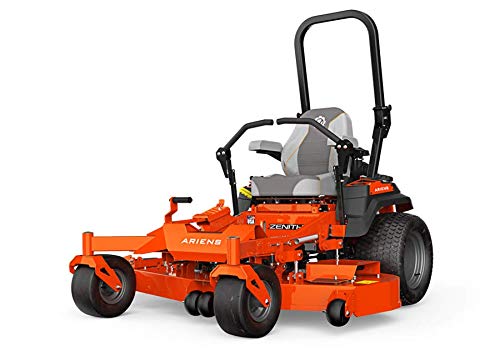
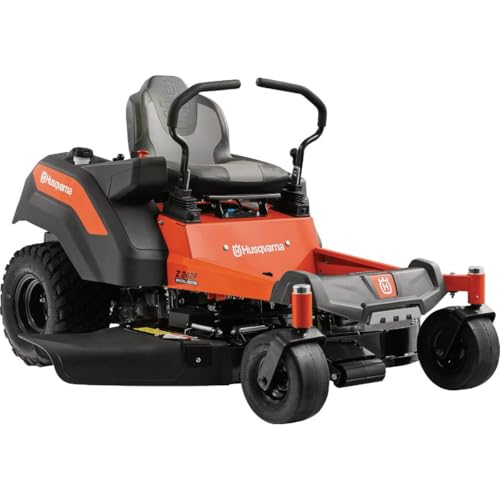

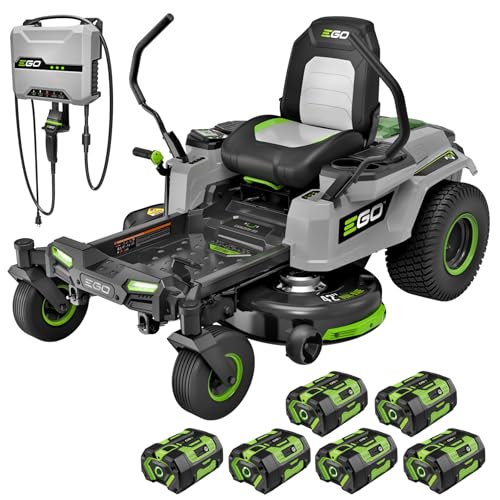

Who Should Buy Which Commercial ZTR Mowers?
Your routine, not a spec sheet, should pick the machine. The three buyer types below cover most commercial work, and our general guide to the best ztr mowers gives the plain language version of the format. Match your own week to the closest group before you look at prices.
For New Crews Building a First Route
A new crew needs a mower that survives mistakes and passes the gates on a typical suburban route. A deck of about 48 to 52 inches fits most gates while still finishing small lawns quickly, and a mid level drive holds up to daily loading and unloading. Skip homeowner grade units here: the best residential ztr mowers are built for one lawn a week, not forty. Spend the savings on a second set of blades and a dealer close to your route.
For Wet Grass and Rough Ground Days
Routes that start early and run through dew need traction and clearance more than top speed. Look for lugged rear tires, a deck that lifts high for loading over ruts, and spindles sealed against the wet. A machine that clogs by the third lawn slows the whole day, so an open deck design that clears clippings matters. Weight also counts: a lighter unit floats over soft ground instead of rutting it, which keeps clients happy after rainy weeks.
For High Hour Daily Fleets
Fleets that log long hours should buy drive strength and service access first. Heavy pumps and wheel motors, a large fuel tank, and a suspension seat protect both the machine and the operator across a long season. Standardising on one deck width across the fleet means shared blades, belts, and filters in the shop. Buyers comparing the wider field of best commercial mowers will find the same rule holds: uptime, not purchase price, decides what a fleet mower really costs.
Key Features to Compare
Read every feature through your route sheet. A route reads a mower by property count: twenty small yards reward a compact deck and fast loading, while five large properties reward width and fuel range. Shortlisting the best commercial ztr mowers therefore starts with the stops you already serve. Our overview of the best commercial ztr lawn mowers shows how the spelled out listings describe these same machines.
Deck Width Matched to the Route
Deck width decides gate access and passes per lawn at the same time. A 42 to 52 inch deck threads standard gates and still cuts at a commercial pace, while a 60 to 72 inch deck belongs on open ground where nothing blocks it. One wide mower and one narrow mower often beat two identical mid size units on a mixed route. Crews torn between sizes can compare the best ztr lawn mowers by width class before signing anything.
Drive Strength and Slopes
The drive is where commercial and homeowner machines truly part ways. Separate pumps and wheel motors, or transaxles with cooling fans and serviceable filters, survive the heat of a full route day. Weak drives fade on hills and start drifting off line, and slopes set the hard limit: keep a ztr on ground of about 15 degrees or less, because the rear wheels steer and brake the machine, and on a steep wet bank they can slide. Route steeper banks to a walk behind mower instead.
Fuel Capacity and Runtime
Fuel is read against the crew day, not the brochure. A tank of about 5 to 12 gallons lets most ztr mowers run a full route without a fuel stop, and engines burn roughly about 1 to 1.5 gallons an hour under load. Stored fuel is the quiet trap in the shed. Untreated gasoline goes stale in about 30 days, so rotate your cans, and add stabilizer to any fuel that must sit, which stretches safe storage to about 12 months.
Cutting Height and Deck Access
Commercial work means changing height often, from short sports turf to rough roadside growth. A foot operated deck lift with clear height stops lets the operator adjust in seconds at each stop. Look for a range of about 1 to 5 inches in small steps. Deck access matters just as much: a deck that tilts up or lifts clear makes the daily scrape out and blade swap fast, which means it actually gets done.
Seat, Controls, and Service Points
An operator sits or stands on the machine all day, so comfort is a productivity feature. A padded high back seat with armrests, or a sprung stand on platform, keeps the pace up in the afternoon. Controls should fall to hand without looking down. In the shop, what counts is access: an hour meter on the dash, filters you can reach without removing panels, and grease points that take a standard gun.
Common Mistakes to Avoid When Buying Commercial ZTR Mowers
- Buying the widest deck on the lot, then finding it will not pass the gates on half the route.
- Judging by engine size alone while ignoring drive strength, which decides hill behaviour and service life.
- Skipping the slope check and learning on a wet bank that a ztr slides where a tractor holds its line.
- Filling fuel cans in spring and burning stale fuel all season, then blaming the carburetor for hard starts.
- Ignoring dealer distance, so a broken belt costs two days of route work instead of two hours.
Care and Maintenance Tips
Blade work follows one rule without exceptions: engine off, key out, and blades fully stopped before hands go near the deck. Swap in a sharp, balanced set on a weekly rhythm during the season and keep the removed set aside for sharpening day. Blow out the cooling fins and deck top after dusty jobs, grease the spindles on schedule, and store battery packs indoors through winter. Fresh fuel and a clean air filter prevent most no start mornings.
FAQs
What does ZTR mean on a commercial mower?
ZTR stands for zero turn radius, meaning the mower can pivot within its own length by driving its two rear wheels at different speeds or in opposite directions. It is a steering description, not a separate machine class, so a ztr mower and a zero turn mower are the same thing. One practical point follows from this: parts catalogs and manuals use both names freely, so search by deck size and serial number when ordering, not by the badge wording.
What size ztr mower fits through a standard yard gate?
Measure your narrowest gate first, because gate posts and latches often steal an inch or two from the posted width. Many suburban gates clear about 48 inches, which suits a 42 inch deck with room to spare, while a 52 inch deck needs a genuinely wide opening. Remember the discharge chute adds width on some decks unless it flips up. Walking the route with a tape measure before buying takes ten minutes and prevents the most common sizing regret in commercial mowing.
How much fuel does a commercial ztr mower use in a day?
Expect about 1 to 1.5 gallons per hour under load, so a full route day of six cutting hours lands near about 6 to 9 gallons. Tall or wet grass pushes the figure up, and short stops with lots of idling push it down per lawn but up per hour. Plan can capacity around the longest day of the season, not the average day. Crews that track fuel per route quickly spot a mower that starts drinking more, which often signals a clogged filter or dull blades.
Can a commercial ztr mower cut a 20 degree slope safely?
No, and this is the limit to respect even when a schedule begs otherwise. A ztr steers and brakes through its rear wheels, and past about 15 degrees, sooner on wet grass, those wheels lose grip and the machine can slide sideways. Mow gentle slopes straight up and down where the maker allows it, and leave banks steeper than about 15 degrees to a walk behind mower or a string trimmer. No lawn on the route is worth a rollover.
How many properties can one ztr crew finish in a day?
Most two person crews finish about 15 to 25 suburban properties a day, and drive time between stops decides where you land in that range. Tight routes with lawns on the same street sit at the top; scattered rural stops sit at the bottom. The mower itself is rarely the bottleneck once the deck fits the gates. Trimming, edging, and blowing usually take as long as the mowing, so a faster machine alone will not transform the day.
Final Thoughts
The machines that earn their keep are sized to your tightest gate, fuelled for your longest day, and backed by a dealer close to your route. Match the type to your routine with the groups above, check the details in the product table above, and you will have picked the best commercial ztr mowers for the work you actually do. Buy for the route you run this season, and let the fleet grow when the route does.

