Best Commercial Ice Maker: A Complete Guide for Restaurants
Disclosure: We may earn a commission when you buy through links on this page, at no extra cost to you. As an Amazon Associate we earn from qualifying purchases. Learn more

Shopping for the best commercial ice maker? Learn ice capacity, ice types, NSF certification, water hookup, and maintenance basics before you buy.
Nothing stalls a dinner rush faster than a bin that runs dry at nine o'clock. Bartenders start rationing, servers apologize for warm sodas, and the kitchen scrambles to bag ice from the walk-in freezer just to get through the night. Picking the right commercial ice maker is one of those decisions that looks simple on a spec sheet and gets expensive fast when it's wrong. This guide walks through how foodservice operators actually size, certify, install, and budget for one, so you're buying based on your real service volume instead of guessing.


How Much Ice You Actually Need: Sizing to Your Service Volume
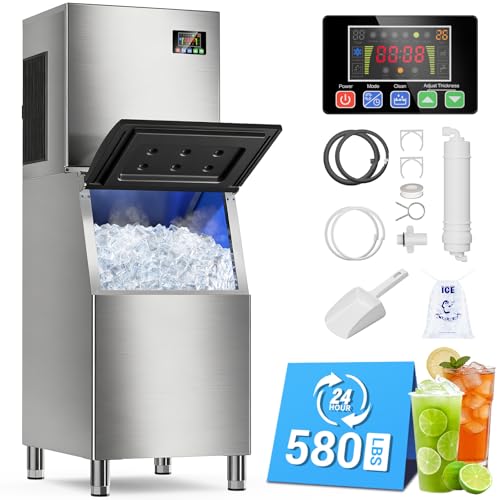
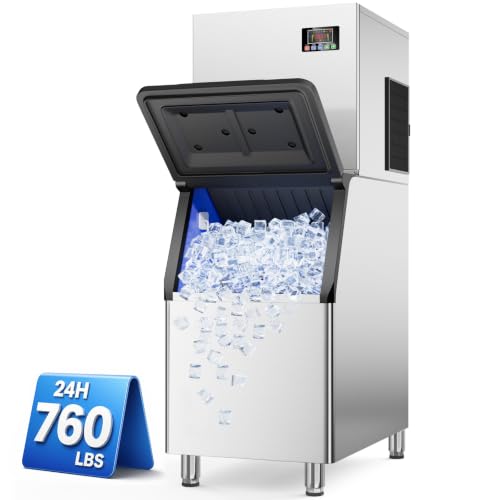
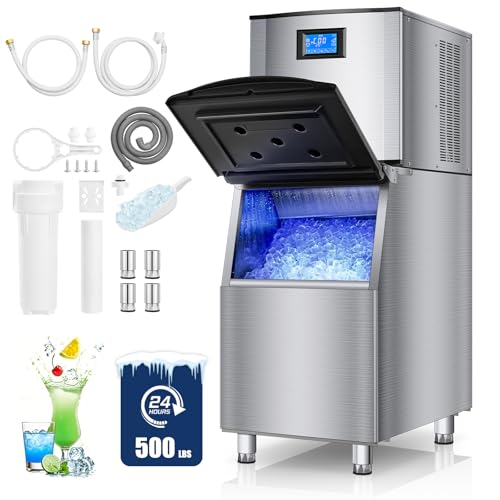
Every commercial ice maker is rated by pounds of ice produced per 24 hours, and that number is where most buying mistakes start. Operators either eyeball a figure that sounds big enough or copy whatever a competitor down the street runs, then find out during a Saturday rush that production can't keep pace with demand.
A Simple Formula for Estimating Daily Ice Demand
A workable starting point for full-service restaurants and bars is 1.5 to 2 pounds of ice per customer per day, adjusted up for beverage-heavy concepts and down for quick-service counters that turn tables faster than they pour drinks. A 150-seat restaurant doing two full turns might land somewhere in the 400 to 600 pound range, while a small coffee counter or juice bar can often run comfortably on a fraction of that. Peak-hour demand, not average daily demand, should drive the number you buy toward.
Why Storage Bin Capacity Matters as Much as Production
A machine that produces 500 pounds a day but only stores 100 pounds will still run out during a two-hour rush if production can't refill the bin fast enough. Bin size determines how much of a buffer you have when demand spikes, and it's the spec most first-time buyers skip past on their way to the production number.
Matching Ice Type to How You Actually Serve It
Ice isn't interchangeable across a menu, and the wrong type shows up in customer complaints before it shows up on a spec sheet.
Full Cubes and Crescent Ice for Bars and Fine Dining
Dense, slow-melting cubes are the standard for sodas, water service, and spirit-forward cocktails where dilution matters. Crescent or half-moon ice melts even slower and is common in higher-end bar programs where a drink needs to hold its temperature without watering down.
Nugget Ice for Healthcare, Cafes, and Fast-Casual Counters
Soft, chewable nugget ice cools drinks quickly and is a favorite in healthcare settings, self-serve soda stations, and fast-casual counters. If your concept leans toward blended drinks or high-volume soft drink turnover, this texture tends to outperform cube ice on both speed and customer preference. Concepts running high-volume blending programs for smoothies or frozen drinks often lean on nugget ice specifically because it crushes and blends faster than a solid cube.
Flake Ice for Food Display and Seafood Cases
Flake ice molds around food rather than sitting in a glass, which is why it shows up under raw bars, seafood displays, and salad cases far more often than in a beverage program. If your kitchen needs ice for merchandising as much as for drinks, this is usually a separate purchase from your beverage ice maker rather than a dual-purpose machine.
NSF/ANSI 12 Certification and Why Health Inspectors Care
Ice is legally classified as food, and health departments treat it that way during inspection. NSF/ANSI 12 is the standard that covers materials, construction, and sanitation for ice-making equipment, and most local health codes require it before a machine can be installed in a licensed kitchen. Skipping certification to save money on a unit isn't really an option for a permitted foodservice operation. Beyond NSF, electrical safety certification (commonly ETL in the US) is a separate requirement your inspector will also check, so confirm both marks are present on the equipment plate before you commit to a purchase.
Modular Head-and-Bin Systems vs Undercounter Units
Commercial ice makers come in two broad configurations, and the right one depends almost entirely on your kitchen's footprint and your production needs.
When a Modular System Makes Sense
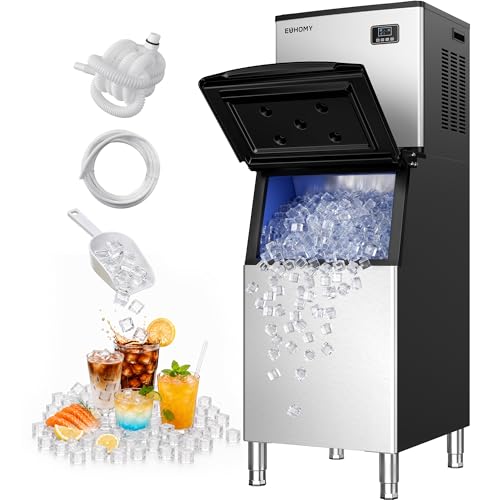
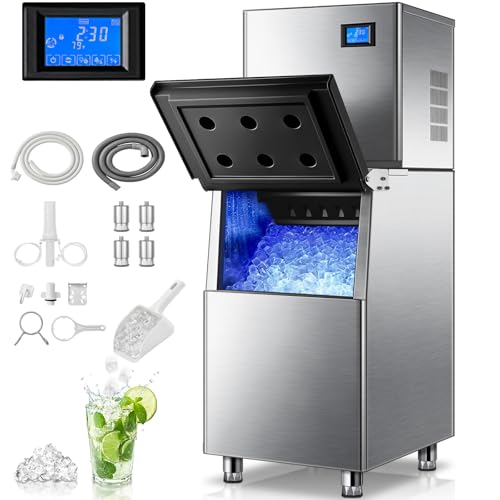
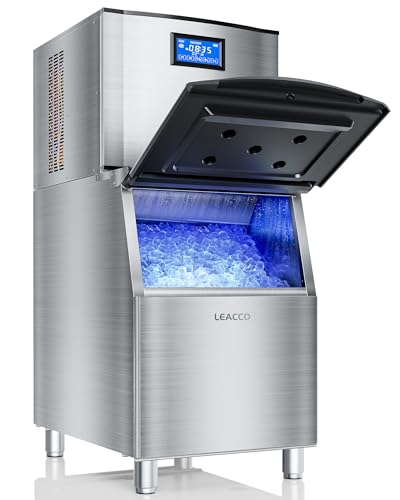
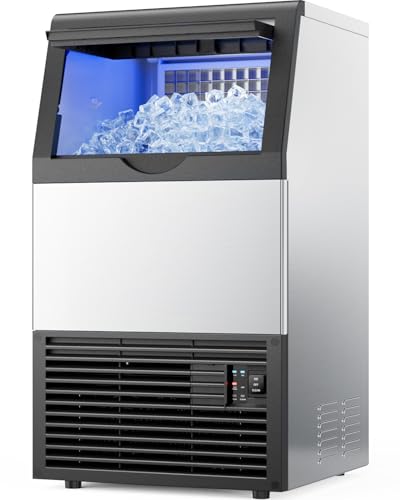
A modular setup separates the ice-making head from a standalone storage bin, which lets you scale storage independently of production. These systems handle much higher daily output and suit commissary kitchens, high-volume bars, and any operation where a single undercounter unit simply can't keep up. They also take up more floor space and usually sit in a back-of-house area near a reach-in freezer or a commercial food warmer rather than behind the bar itself.
When Undercounter Fits Better
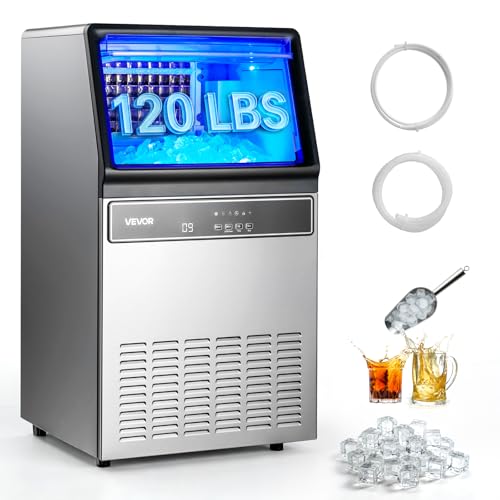
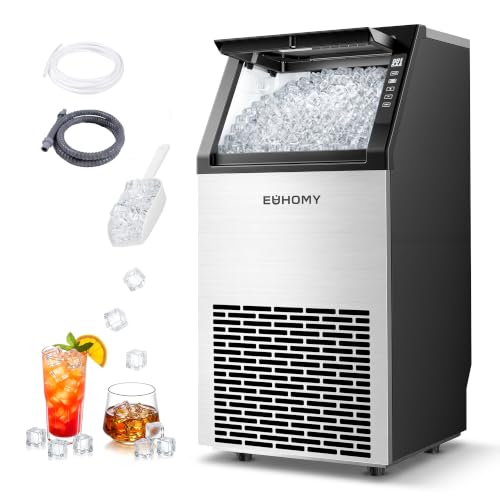
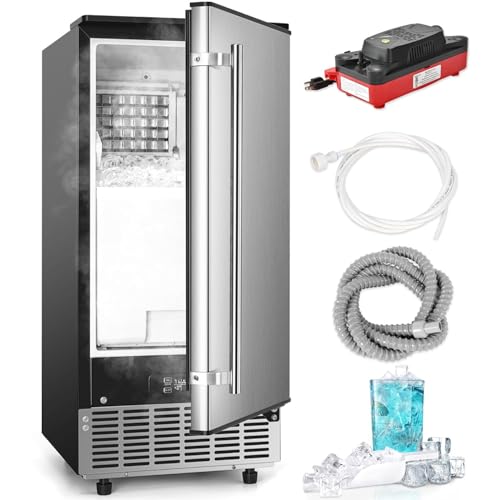
Undercounter units combine production and storage into one cabinet sized to slide under a standard counter, which makes them the practical choice for tight bars, small cafes, and satellite service stations where floor space is the limiting factor. The tradeoff is a lower daily ceiling on production, so they suit lower-volume concepts better than high-turnover ones.
Water Lines, Drainage, and Power Before You Install
A commercial ice maker needs a dedicated water line, and if you're running a water-cooled model, that line has to handle far more volume than an air-cooled unit because water-cooled systems use water for both ice production and condenser cooling. Most operators find air-cooled models cheaper to run once water bills are factored in, even though water-cooled units use slightly less electricity. Every installation also needs a floor drain or indirect drain connection rated for the machine's output, plus clearance around the cabinet for airflow. Cramming an air-cooled unit into a closet with no ventilation is one of the fastest ways to shorten its lifespan and tank its production numbers.
Cleaning Schedules for Machines That Never Stop Running
A home ice maker cycles occasionally. A commercial one runs continuously through open hours and often overnight, which means scale, mineral buildup, and mold risk accumulate much faster than most operators expect. Health codes generally set six months as a minimum cleaning interval, but that's a floor, not a target. High-volume kitchens, bars near flour or exhaust dust, and machines running in humid climates typically need quarterly professional service, with daily scoop hygiene and weekly bin wipe-downs handled in-house. Skipping cleaning doesn't just risk a health code citation. It also degrades ice quality and can quietly cut production capacity as scale builds up on internal components.
What a Commercial Ice Maker Actually Costs to Own and Run
Purchase price is only the first number in the budget. Installation, an annual service contract, and eventual repair calls all add up over the machine's life, and utility costs run higher than most first-time buyers expect once a unit is running around the clock.
Buying vs Leasing
Buying tends to cost less over five years if nothing goes wrong, but a single major repair out of warranty can erase that advantage quickly. Leasing trades a lower upfront cost and bundled maintenance for a recurring monthly bill, which appeals to operators who'd rather protect cash flow than own the equipment outright. Neither option is universally better. It comes down to whether your operation has the capital and in-house maintenance capacity to handle ownership, or would rather pay a predictable monthly rate and let a service company handle the rest.
Frequently Asked Questions
How much ice does a restaurant need per day?
Most full-service restaurants land between 1.5 and 2 pounds of ice per customer per day, though beverage-heavy concepts and bars often run higher. Base your machine's rated output on peak-hour demand, not your daily average.
What size commercial ice maker do I need?
Size to your busiest realistic shift, not your average day, and pay close attention to storage bin capacity in addition to daily production. A machine that produces enough ice on paper can still run dry during a rush if the bin is undersized.
Is NSF certification required for a commercial ice maker?
In almost every US jurisdiction, yes. Health inspectors expect to see NSF/ANSI 12 certification on any ice-making equipment installed in a licensed foodservice kitchen, along with separate electrical safety certification.
Air-cooled or water-cooled: which is better for a commercial kitchen?
Air-cooled units are the more common choice because water-cooled systems, despite using slightly less electricity, consume dramatically more water for condenser cooling. Most operators find the lower water bill on air-cooled models outweighs the small electricity savings of water-cooled ones.
How often does a commercial ice machine need to be cleaned?
Health codes typically set a six-month minimum, but high-volume operations and machines in dusty or humid environments usually need quarterly professional cleaning plus daily and weekly in-house upkeep.
What if I only need ice for a home bar, not a full commercial kitchen?
A commercial-grade unit is overbuilt and overpriced for home entertaining. If you're stocking a home setup rather than a licensed kitchen, a guide built around residential needs, like our home bar ice maker guide, will match your situation far better than anything on this page.
The Bottom Line for Foodservice Buyers
The right commercial ice maker comes down to matching production and storage to your real peak demand, choosing an ice type that fits how you actually serve, and confirming NSF certification before it ever gets installed. Get those three right, factor in a realistic cleaning schedule and utility budget, and the machine you choose will keep up with service instead of becoming the thing that goes wrong on your busiest night.