
Best Ice Maker for Home Bar: A Complete Buying Guide
Disclosure: We may earn a commission when you buy through links on this page, at no extra cost to you. As an Amazon Associate we earn from qualifying purchases. Learn more
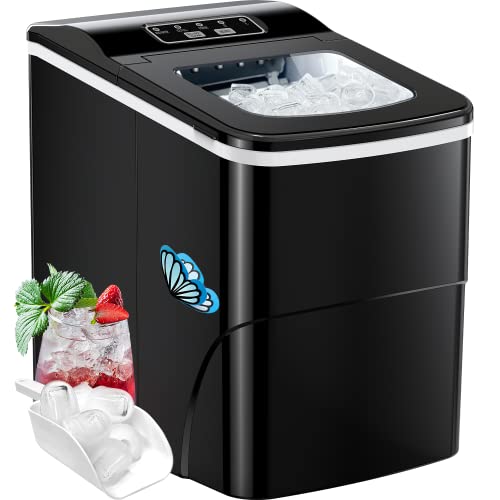
A buying guide to picking the right ice maker for a home bar: ice type, capacity, countertop vs undercounter, plumbing, noise, and upkeep.
Nothing kills the mood at a party faster than running out of ice halfway through the night, or watching a good pour go watery because the cubes melted too fast. If you host regularly, the machine that quietly handles this in the background matters more than people expect. Finding the best ice maker for home bar use comes down to matching ice texture, output, and installation to how you actually entertain, not just picking whatever looks fastest online. In this guide, you will learn how ice type affects your drinks, how much capacity you really need, and whether a countertop or built-in unit fits your space.

Ice Type: Matching Texture to the Cocktails You Actually Make
Before you look at specs, figure out what kind of ice your drinks call for. Home bar machines generally produce one of three textures, and each one behaves differently in a glass. Getting this part right matters more than any other spec, because the wrong texture can throw off a cocktail no matter how well it was mixed.
Clear Ice for Spirit-Forward Drinks
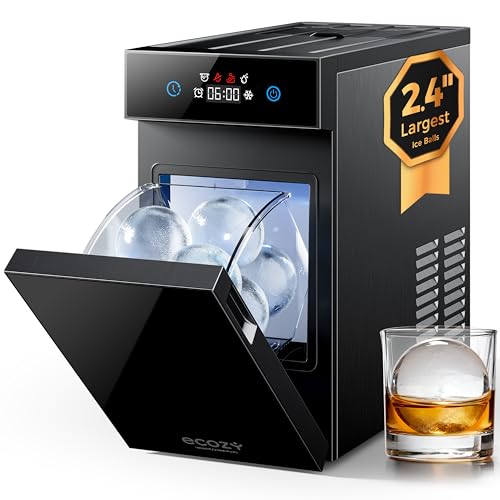
Dense, slow-melting cubes are the standard for an Old Fashioned, a Negroni, or whiskey on the rocks. Clear ice contains fewer trapped air bubbles than cloudy cubes, so it melts more gradually and dilutes the drink at a slower, more controlled pace. If your bar leans toward classic cocktails or neat pours, a machine built for dense, clear cubes is worth the extra footprint and cost.
Nugget Ice for Mixed Drinks and Highballs
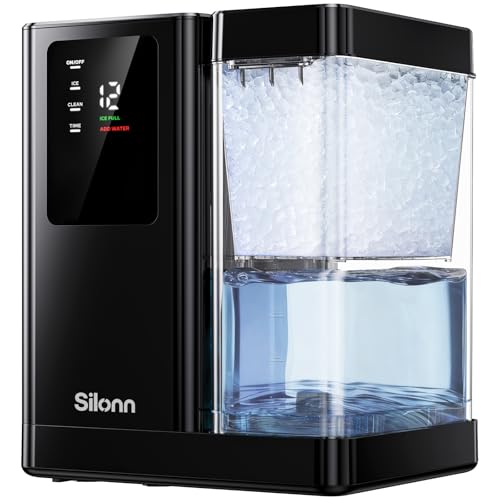
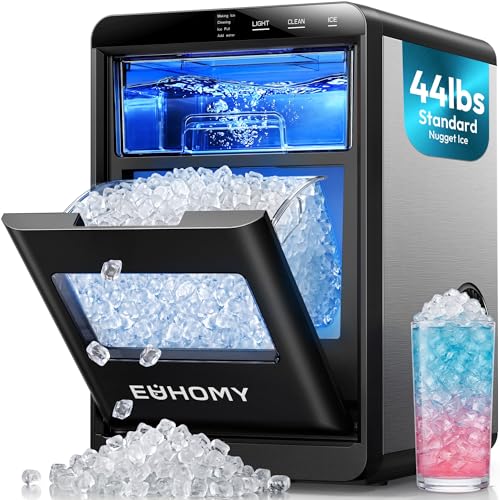
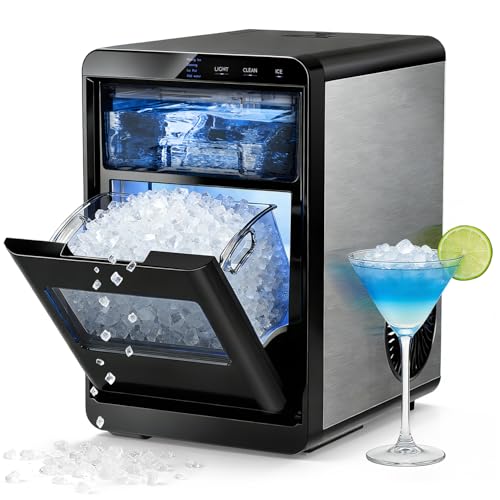
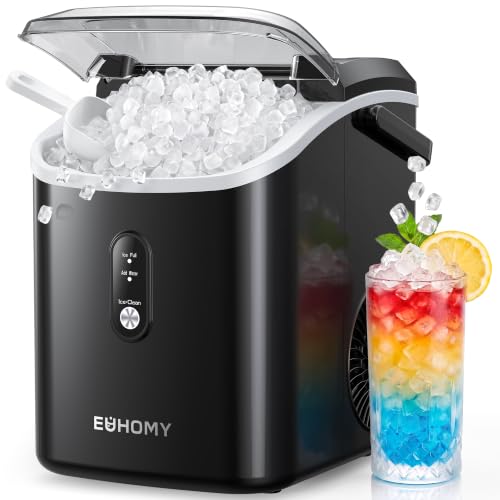
A nugget ice maker for cocktails produces soft, chewable pellets that pack tightly into a glass and chill a drink fast. Because the ice is porous, it soaks up flavor as it melts, which works well in a Mojito, Moscow Mule, or any highball where the ice is meant to be part of the experience rather than an afterthought.
Bullet Ice for Speed and Everyday Use
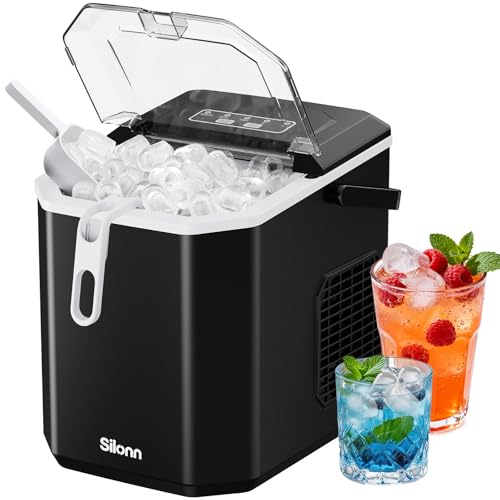
Bullet or crescent shaped ice is the fastest and most affordable type to produce. It is a reasonable middle ground if your bar serves a mix of drinks and you are not chasing a specific texture, though it melts faster than clear ice and lacks the chew of nugget ice.
Production Capacity: Sizing for How You Actually Entertain
Capacity is where a lot of home bars get caught off guard. A machine that looks impressive on a spec sheet can still run dry mid-party if it is undersized for your guest count.
Estimating Ice Needs by Guest Count
A casual gathering of a dozen or so guests over a few hours typically burns through somewhere around 20 to 25 pounds of ice once you account for drinks, refills, and the occasional top-off for a cooler full of bottles. If you host larger or longer parties, plan for daily output on the higher end of what you are considering, plus a storage bin large enough to hold a reserve rather than relying purely on real-time production.
First-Batch Speed vs Sustained Output
Most countertop units start producing ice within 6 to 20 minutes of being turned on, which is fine if you plan ahead, but less helpful when guests show up early. Sustained output over several hours matters more than first-batch speed for anyone who hosts regularly, so weigh 24-hour production numbers more heavily than how fast the first batch appears. In practice, the best ice maker for home bar entertaining is the one sized to how you actually host, not the highest number printed on the box. If your gatherings start looking more like a small event than a casual night in, that level of demand edges closer to commercial-grade equipment rather than a home bar unit.
Countertop vs Undercounter: Which Fits Your Home Bar
This is one of the biggest forks in the road for a home bar setup, and it shapes almost every other decision, from noise to plumbing to price. Think about how permanent your setup is meant to be before you decide, since moving from one category to the other later usually means redoing cabinetry, not just swapping a machine.
When a Countertop Unit Makes Sense
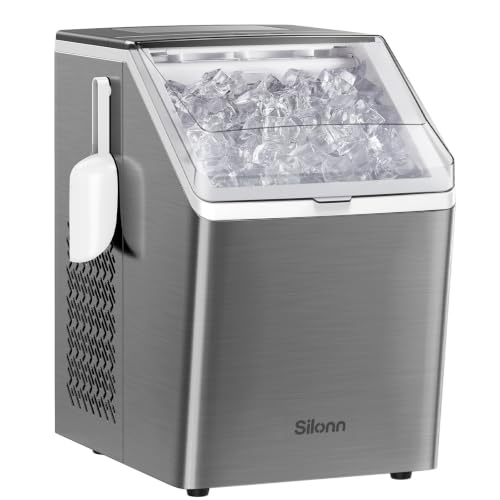
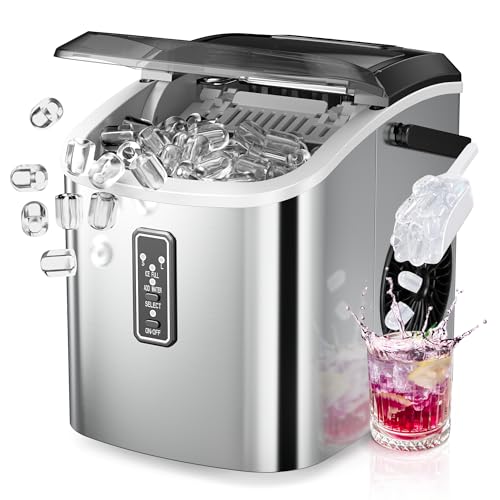
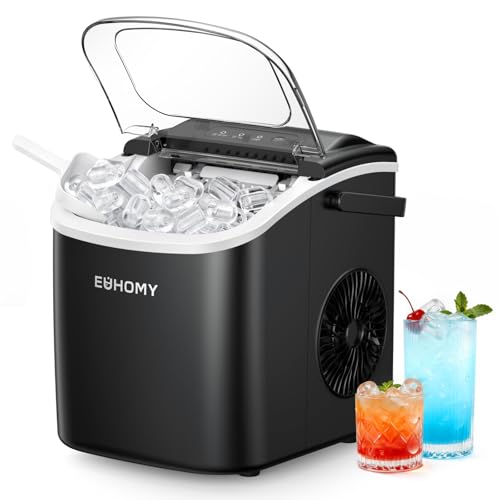
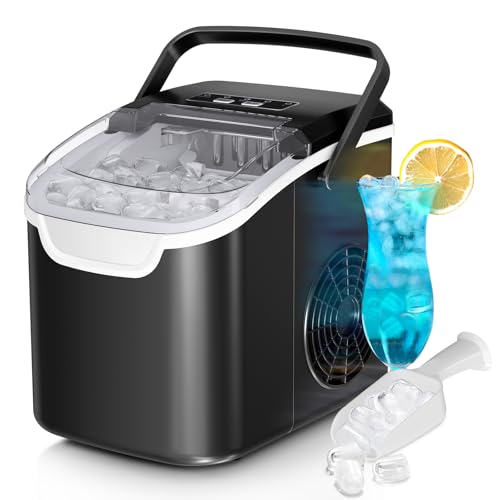
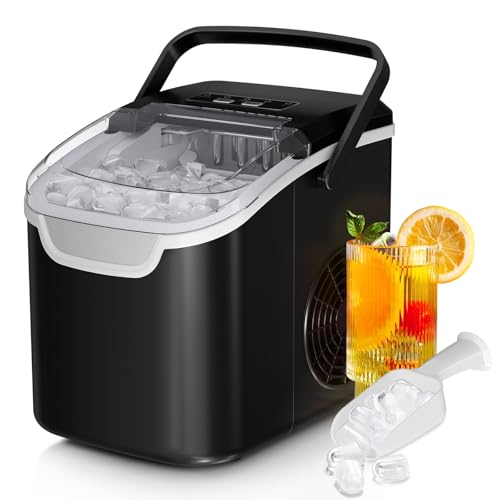
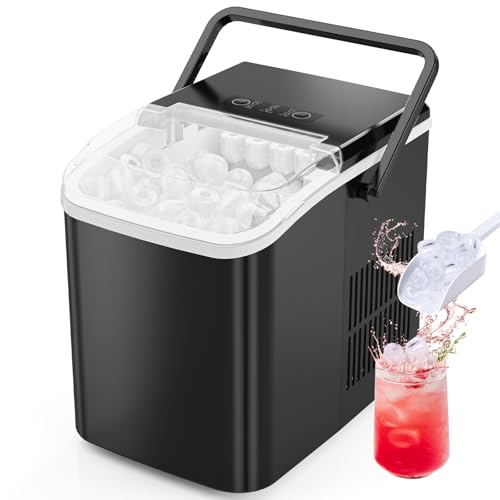
A countertop ice maker for entertaining needs no plumbing, can sit anywhere with an outlet, and is easy to move if you rearrange your bar cart or setup. It suits smaller gatherings, apartments, or anyone who is not ready to commit counter or cabinet space permanently to ice production, and it works well alongside other portable bar essentials like a decent wine opener before you invest in built-in fixtures. The trade-off is lower daily capacity and a bin that needs more frequent refills during a busy night.
When a Built-In Undercounter Unit Is Worth It
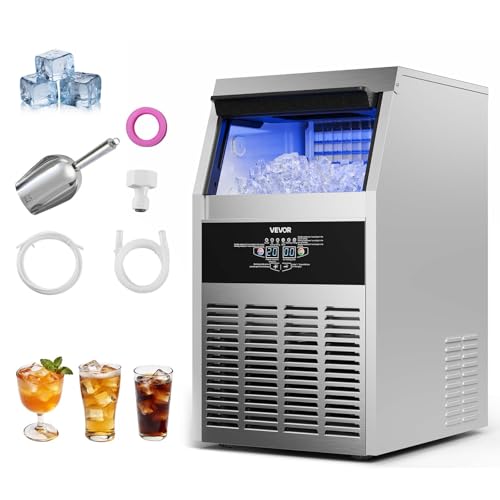
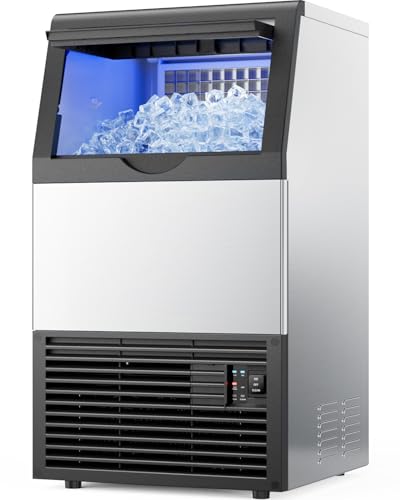
An undercounter ice maker for home bar installations that see regular entertaining is a step up in daily output, often several times what a portable unit can manage, and it frees up counter space entirely. It pairs naturally with other built-in bar fixtures, like a dual zone wine fridge tucked into the same cabinetry. The catch is that it requires real installation planning, which the next section covers.
Plumbing, Drainage, and Noise: What to Check Before You Buy
Before you commit to a built-in unit, confirm your space can actually support it. This is the step people skip and regret later.
Water Line and Drain Requirements
Undercounter models need a dedicated water supply line and a way to remove meltwater. Some rely on a gravity drain positioned below the unit, others use a drain pump to push water up to a remote drain, and a smaller number are drainless, evaporating the water internally so no drain line is needed at all. Check which option your bar space can realistically accommodate before you shop by capacity or ice type.
How Much Noise to Expect
Quiet undercounter units generally run around the volume of a soft-running refrigerator, but drain-pump models add a brief hum every 15 to 20 minutes when the pump cycles. If your bar sits in an open-concept living space or near a seating area, ask about noise ratings specifically rather than assuming all built-in units are equally quiet.
Cleaning and Upkeep for Consistent Ice Quality
Ice takes on odors and off flavors quickly, so regular cleaning is not optional if you want it to taste right. Many machines include a self-cleaning cycle that flushes the internal lines, but you should still wipe down the bin and scoop area and descale periodically if you have hard water, since mineral buildup is a common reason output drops off over time. A quick weekly wipe and a monthly descale, roughly, is usually enough to keep both flavor and output consistent, and it takes only a few minutes once it becomes routine.
Frequently Asked Questions
Is nugget ice or clear ice better for cocktails?
It depends on the drink. Clear ice melts slowly and suits spirit-forward cocktails like an Old Fashioned or Negroni, while nugget ice is better for highballs and mixed drinks where a softer, chewable texture is part of the experience.
How much ice do I need for a home bar party?
A general rule is about 1.5 to 2 pounds of ice per guest for a few hours of entertaining. Scale that up if the event runs longer or if guests are also using ice to chill bottles or coolers.
Do home bar ice makers need a drain?
Countertop portable units do not need a drain and simply plug into an outlet. Undercounter, built-in units typically need either a gravity drain, a drain pump, or a drainless design that evaporates meltwater internally.
What is the difference between countertop and undercounter ice makers?
Countertop units are portable, need no plumbing, and offer lower daily capacity. Undercounter units are built into cabinetry, need a water line and drain, and typically produce significantly more ice per day.
How long does it take for an ice maker to produce its first batch?
Most countertop machines produce their first batch in 6 to 20 minutes, depending on the model and room temperature. Undercounter units often take longer to reach full production but sustain higher output over a full day.
Can a portable ice maker keep up with a party?
For smaller, casual gatherings, yes, especially if you start it well before guests arrive and have a cooler as backup. For larger or longer parties, a portable unit alone often cannot keep pace, which is where a higher-capacity or built-in option becomes worth considering.
Making Your Decision
The best ice maker for home bar use is rarely the flashiest model on the shelf. It is the one that matches the ice texture your drinks call for, keeps up with how often and how long you actually host, and fits the space you have without a plumbing headache you did not plan for. Start with the type of ice your go-to drinks actually need, then size your capacity around how you really entertain rather than a single big event. Match the machine to your space and your guests, and ice stops being something you worry about mid-party.