Best Commercial BBQ Smokers: What Actually Matters Before You Buy for 2026
Disclosure: We may earn a commission when you buy through links on this page, at no extra cost to you. As an Amazon Associate I earn from qualifying purchases. Learn more

Judge the best commercial bbq smokers by fuel, capacity, temperature control and build quality for a busy restaurant or food truck.
A commercial smoker is a revenue tool, not a backyard toy, so the wrong purchase shows up as wasted meat, uneven cooks, and fuel bills that eat your margin. This guide works through one evaluation checklist covering fuel, capacity, temperature control, and build quality, so you can judge the best commercial bbq smokers by how they will perform on a busy service. The comparison table below collects the headline numbers, and the sections after it explain which ones matter and which are decoration.
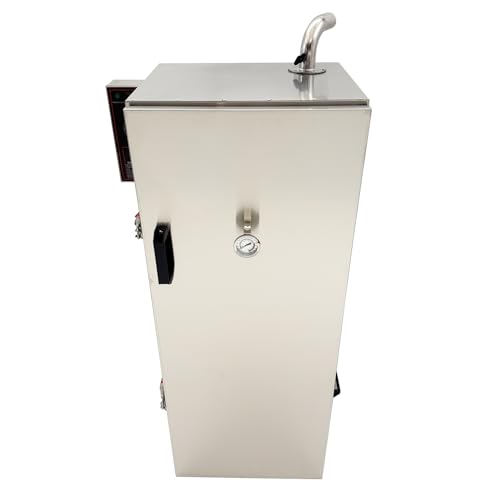
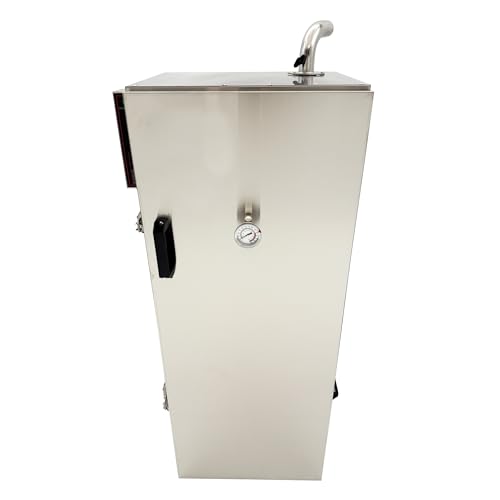
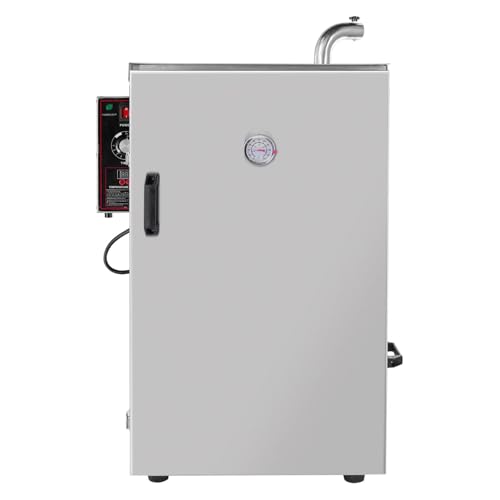
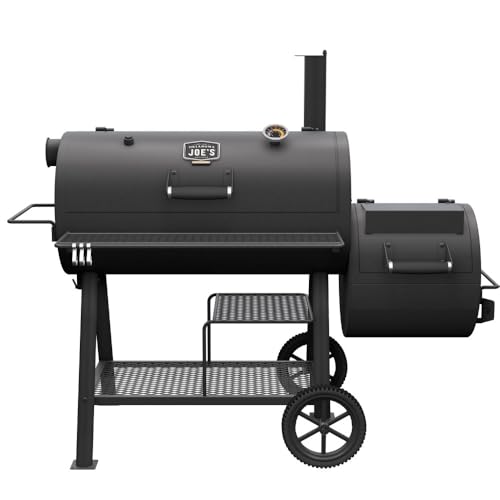
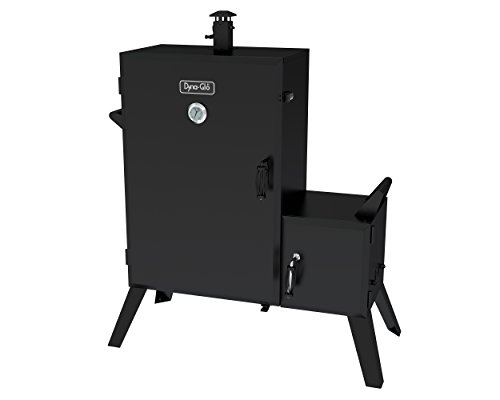
How to Evaluate the Best Commercial BBQ Smokers
Fuel Type (Gas, Charcoal, Pellet, Electric)
Fuel decides flavor, labor, and running cost. Wood and charcoal deliver the deepest smoke flavor but demand the most attention and skill. Pellets automate temperature control while giving a cleaner, milder smoke, and they suit kitchens that need consistency across staff. Gas and electric units are the easiest to run and insure, with gentle smoke that some guests prefer, though purists find the flavor lighter. Match fuel to your menu promise: a smokehouse selling bold brisket needs real wood fire, while a cafe adding smoked items can thrive on pellets. Compare home scale context in our guide to the best bbq smokers if you are stepping up from backyard cooking.
Cooking Area and Capacity
Judge capacity by the meat you must finish for your busiest service, not by square inches alone. Manufacturers count every rack, including warming racks that cook too cool for primary use, so ask for primary cooking area separately. Translate area into real loads: how many briskets, pork butts, or racks of ribs fit with air space between them, because crowded meat steams instead of smoking. Vertical cabinet smokers stack more food into a small footprint, while offset and rotisserie designs spread food across one level. Buy for your weekend peak plus modest growth; an oversized chamber wastes fuel on every small weekday cook.
Heat Output and Temperature Range
For smokers, steady low heat matters more than peak power. The chamber should hold about 225°F for many hours without drifting, because that is where large cuts render properly. BTU ratings apply mainly to gas units; compare BTU per square inch rather than the raw total, and treat very high figures with suspicion on a smoker. A useful top end around 350°F to 400°F lets you finish poultry with better skin. Check the temperature at several rack positions if you can, since hot spots near the firebox and cool corners are the real measure of design quality.
Portability and Footprint
Most commercial smokers stay put, but footprint still decides whether the unit fits your kitchen line, patio, or commissary space. Measure doorways and gates before ordering, because welded steel smokers do not fold down for delivery. Caterers who cook on site need trailer mounted or genuinely wheeled units with locking casters and tie down points. Wheels should be large enough to cross gravel and grass without sinking under a loaded chamber. Also confirm the clearance the maker requires from walls and ceilings, since heat and smoke staining make tight corners costly mistakes.
Temperature Control and Smart Features
A PID controller on a pellet unit holds set temperatures within a few degrees by adjusting feed rates automatically, which turns an overnight cook into a manageable shift task. WiFi monitoring and multiple meat probes help one cook supervise several proteins, and alarms catch a falling chamber temperature before meat suffers. These features earn their cost in labor saved, but only when they are reliable; read how the unit behaves during a power cut and whether it restarts safely. Manual offset smokers offer none of this, and their staffing cost belongs in your price comparison from the start.
Assembly and Warranty
Commercial units arrive as freight, often partly assembled, so confirm what setup involves, whether the firebox and stack attach on site, and how many people are needed to move the chamber safely. Seasoning the steel before the first food cook is standard and takes several hours. Warranty terms separate serious makers from importers: look for multi year coverage on the chamber and firebox, where rust and weld failure actually occur, rather than long coverage on minor parts. Ask who services the unit in your state, because a warranty that requires shipping a smoker across the country is weak protection.
Fuel Cost and Availability
Running cost per cook varies sharply by fuel. Pellets are predictable and widely shipped, but a long cook can consume a large bag, and prices rise with demand. Split hardwood is cheap where it is plentiful and costly where it must be trucked in, and it must be dry and properly stored. Charcoal gives steady heat at moderate cost, while propane and electricity track local utility rates. Our guide to the best wood for bbq smokers explains species and moisture choices. Whatever you choose, confirm a dependable local supply before committing your menu to that fuel.
What Strong Options Look Like at Each Price Level
Use these profiles to sanity check any listing against the product table above, and browse our guide to the best commercial smokers for the wider category beyond barbecue focused designs.
The Premium Workhorse Profile
A strong all around profile, often around $3,000 to $6,000, is a heavy steel cabinet or offset smoker with thick walls, even heat across racks, and capacity for a full weekend service. Temperature control is either a well designed manual draft system or a dependable pellet drive, and the firebox is sized for long burns without constant attention. This profile fits established barbecue restaurants that cook daily and need repeatable results across staff. Its limitation is weight and footprint: these units anchor a kitchen layout, and moving one usually means a truck, a crew, and a lost day of trading.
The Value Profile
A good value profile, often around $1,500 to $3,000, covers pellet smokers and lighter steel cabinets that hold temperature well and cook honest volumes. You trade some steel thickness, so the unit uses more fuel in cold weather and may show rust sooner without careful cover habits. For food trucks, cafes, and new smokehouses gauging demand, this tier proves the menu without betting the business. Check that doors seal tightly and latches adjust, because air leaks are the most common value tier weakness and they show up as temperature swings and extra fuel use on every cook.
The High Volume Profile
Premium profiles, often around $6,000 to $15,000 or more, add rotisserie systems that self baste and even out cooking, very thick insulated steel, and capacity measured in hundreds of pounds per load. High volume restaurants and commissaries justify this tier through labor savings and throughput, as our guide to the best commercial smokers for restaurants explores. The limitation is commitment: installation, ventilation work, and staff training all scale up, and resale is a specialist market. Buy premium when your current unit is the bottleneck on sold out days, not when you merely hope demand will come.
Quick Buyer Checklist
- Does the primary cooking area fit your busiest service load with air space between cuts?
- Can the chamber hold about 225°F steadily for the length of your longest cook?
- Is your chosen fuel available locally at a price your menu margins survive?
- Does the unit fit its space, including doorways on the delivery route and required clearances?
- Are door seals, latches, and grease management designed for daily commercial use?
- Does the ventilation and fire safety setup satisfy your local code and insurer?
- Is the warranty strongest on the chamber and firebox, with service reachable in your state?
- Have you staffed the cook honestly, including overnight attention for manual fire models?
Red Flags to Watch For
Thin steel is the classic red flag: if a maker will not state the gauge or thickness, expect heat loss and early rust. Vague capacity claims that count warming racks as cooking space inflate the numbers you are paying for. Be wary of units with no stated warranty on the firebox, no replacement parts program, or seals made from materials that cannot handle sustained heat. Grease management that relies on a shallow pan you must empty mid cook invites flare ups during service. Finally, treat miraculously low freight prices as a warning; heavy smokers cost real money to ship, and someone pays that bill eventually. Shoppers comparing combined units should also read our guide to the best bbq grills and smokers before deciding a combo fits commercial work.
How to Make Your Commercial BBQ Smoker Last Longer
Preheat the smoker for 10 to 15 minutes before loading, and longer in cold weather, so meat enters a stable chamber. Clean grates while warm after each cook, empty ash and grease on schedule, and never let grease build into a fire risk. Cover the grill or store the unit under shelter, check for rust at seams and the firebox each month, and touch up bare spots with high heat paint before they spread. Keep door gaskets clean so seals stay tight, and oil grates lightly between cooks in humid climates.
Frequently Asked Questions
How often should I clean my commercial bbq smoker?
Clean grates and empty the grease system after every cook, scrape the chamber weekly, and do a deep clean monthly in daily service. Ash left in the firebox absorbs moisture and corrodes steel quickly, so remove it once fully cold. Health inspectors also judge visible buildup, which makes cleaning a compliance task, not just maintenance. Schedule the deep clean on your slowest day and log it like any other kitchen sanitation duty, because a neglected smoker quietly becomes both a fire risk and an inspection problem.
What type of commercial bbq smoker gives the best flavor?
A wood fired offset gives the deepest, most traditional smoke flavor, because meat cooks in the direct product of a real wood fire managed by hand. Pellet smokers come next for most diners, with clean, consistent smoke that flatters poultry and ribs. Gas and electric units produce the mildest smoke, which suits menus where smoke supports rather than leads. Remember that fuel is only part of flavor: wood dryness, fire cleanliness, and rub and sauce choices move the result as much as the cooker type does.
How long should a good commercial bbq smoker last?
A well built steel smoker in daily commercial service should last ten years or more, with gaskets, grates, and igniters replaced along the way. The firebox fails first, because it endures the highest heat and the most ash exposure, so its steel thickness predicts lifespan better than any other number. Pellet drive parts and electronics have shorter lives, often five to eight years, and availability of replacements matters. Covered storage, prompt rust repair, and grease discipline routinely double the useful life of the same unit compared with neglected care.
Is a pellet grill worth it?
For a commercial kitchen, a pellet smoker is worth it when labor and consistency drive your costs, because automatic temperature control lets regular staff produce repeatable results without a dedicated pitmaster on every shift. It is less compelling when your brand promise is traditional wood fired barbecue, where guests expect and can taste the difference. Pellet costs per cook are predictable, which simplifies menu pricing. Run the numbers on your busiest month: if automation frees even a few staff hours weekly, the pellet option usually pays for its premium.
Can I use a commercial bbq smoker on a balcony?
No, a commercial smoker does not belong on a balcony. These units produce sustained smoke and heat, need clearances from combustible materials, and create carbon monoxide that must never build up in enclosed or partly enclosed spaces. Most leases, building codes, and insurers prohibit solid fuel cooking on balconies outright. Restaurants should place smokers outdoors on a non combustible surface with proper ventilation, or indoors only under a code approved hood and fire suppression system. When in doubt, get written approval from your landlord, insurer, and local fire authority before the first cook.
Final Thoughts
Decide by fuel, steady low temperature control, and honest capacity for your peak service, in that order. Use the comparison table above to check listings against those three points, keep safety and ventilation non negotiable, and the best commercial bbq smokers for your kitchen will be the ones still cooking evenly years from now.