
Best Commercial Smokers 2026: Restaurant Smoking Guide
Disclosure: We may earn a commission when you buy through links on this page, at no extra cost to you. As an Amazon Associate I earn from qualifying purchases. Learn more

The best commercial smokers hold steady low heat across large batches. Compare capacity, fuel types, temperature control, ventilation and cleaning needs.
Smoked meats draw crowds, but restaurant volumes demand more than a backyard unit, and the best commercial smokers deliver steady low heat and clean smoke across large batches. The comparison table below compares capacity, fuel types, and temperature controls. A good commercial smoker holds temperature for hours, gives even smoke across every rack, and cleans up without shutting the kitchen down.
Commercial smokers differ in fuel, size, and control style. Wood, pellet, gas, and electric models each suit different menus and kitchen layouts. This guide explains capacity honestly, temperature control during long cooks, and the safety and cleaning routines that keep smoked food consistent and safe.
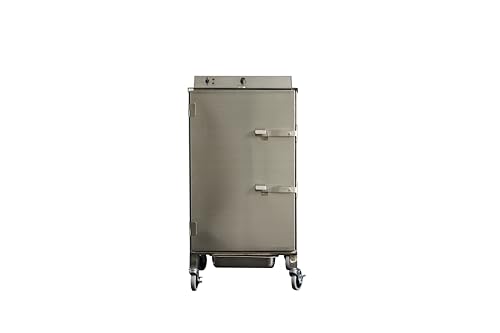
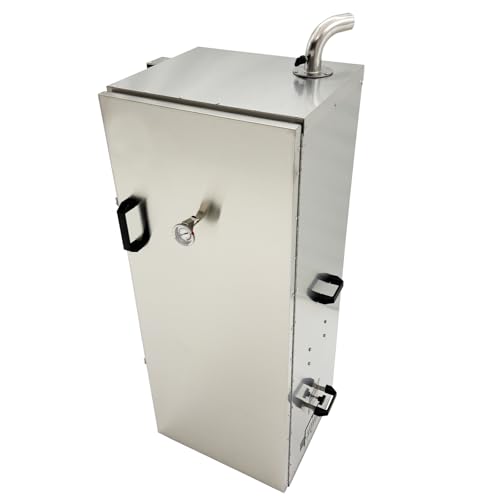
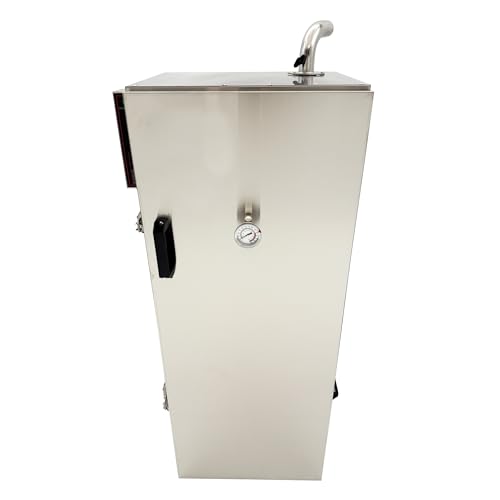
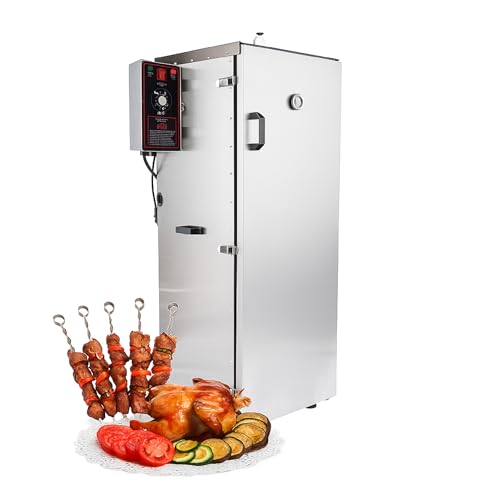

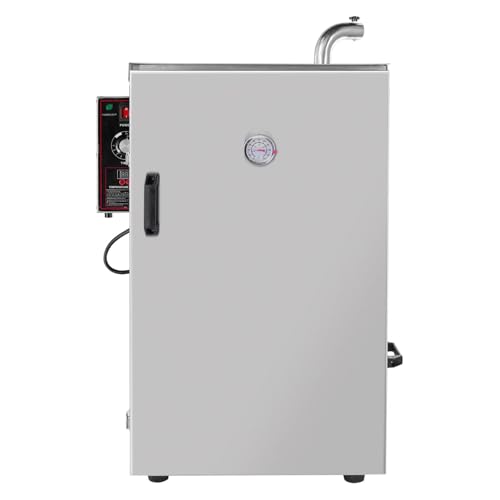
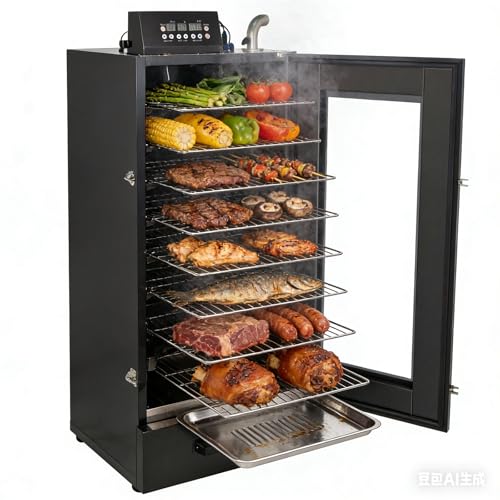
Who Should Buy a Commercial Smoker
Commercial smokers suit barbecue restaurants, smokehouses, delis, caterers, and hotels with smoked items on the regular menu. They also help food trucks and market stalls that centre their menu on smoked meats. Home cooks and very low volume kitchens may not need commercial capacity or ventilation. If smoked items sell out daily or prep takes too long on small units, a commercial model is worth considering.
Key Features Worth Comparing in Commercial Smokers
Capacity and Rack Layout
Capacity tells you how much food fits per cook, but rack spacing matters just as much. Tall items need vertical clearance, while flat items need wide racks. Check how many full hotel pans or briskets fit without crowding, since crowded racks block smoke flow. Match capacity to your busiest service, not your average day.
Fuel Types and Flavour Control
Wood gives classic flavour but needs more attention, pellets give steady feed and easy control, gas gives convenience, and electric gives precise temperature with lighter smoke. Fuel choice affects flavour, running cost, and kitchen ventilation needs. Choose a fuel your team can source reliably and manage during a long service.
Temperature Control and Stability
Steady temperature separates great smoked food from dried out batches. Digital controls with probes hold a set temperature and alert staff to swings. Manual dampers suit skilled pitmasters but need frequent checks. Look for even heat across racks, since hot spots cook some pieces faster than others.
Cleaning and Grease Management
Grease and ash build up fast in commercial smoking. Removable drip trays, accessible racks, and easy ash removal make daily cleaning realistic. A unit that is hard to clean becomes a fire risk and a flavour problem. Plan cleaning into the closing routine and train every cook on the steps.
Ventilation, Placement, and Safety
The best commercial smokers still need a safe place to run. Commercial smokers need proper ventilation and clearance from walls and combustibles. Check local fire and building rules before install, and place the unit where smoke will not drift into dining areas. Keep a suitable fire extinguisher nearby and train staff on grease fire response. Never leave a running smoker unattended for long periods, even with digital controls.
Menu Planning and Cook Times
Plan cooks around service times, since brisket and pork shoulder need many hours. Stagger batches so fresh product finishes through service rather than all at once. Rest meat properly before slicing to keep juices in. Record cook times, temperatures, and results for each menu item so any cook can repeat a successful batch.
Living With Your Choice
A commercial smoker becomes a signature asset when the team masters its quirks. Log temperatures and cook outcomes for the first month to learn hot spots and timing. Rotate racks during long cooks if heat varies across the chamber. Clean thoroughly after each service day, and inspect seals, probes, and fuel feeds weekly. Consistent care keeps flavour steady and service reliable.
Record supplier contacts for parts and fuel, and keep a backup plan for days when the smoker needs service. A second small unit or an adjusted menu can save a service when the main unit is down.
Related Guides Worth Reading
For restaurant focused capacity, see best commercial smokers for restaurants. Barbecue specific builds appear in best commercial bbq smokers. Fuel comparisons are in best wood pellet smokers and best pellet grills and smokers, while meat focused advice is in best meat smokers.
Seasonal Notes and Long Term Use
For barbecue competitions or special events, practice the full cook timeline at home scale before committing the commercial unit to a timed service. Record wood or pellet use, temperature curves, and resting times for each cut. A written timeline with buffer time prevents the classic error of meat finishing hours late. Resting and holding plans matter as much as smoke time itself.
For food safety inspections, keep temperature logs, cleaning records, and supplier details in one folder. Inspectors value clear records showing consistent safe holding and prompt chilling of leftovers. Label cooked product with times and store raw and cooked meats strictly separate. Good paperwork protects the business as much as good flavour does.
When smoke flavour varies between batches, check fuel moisture, wood type, and rack position before changing recipes. Damp fuel burns dirty and bitter, while crowded racks block smoke flow unevenly. Taste meat from different racks to map hot spots. Small, consistent adjustments beat frequent large changes that confuse the whole team.
For new menu launches, run a small friends and family tasting before full service to check smoke levels and portion sizes. Gather honest feedback on salt, smoke intensity, and tenderness. Adjust wood choice or cook time in small steps rather than overhauling the recipe. A calm tasting beats a rushed launch day fix.
Frequently Asked Questions
How much food can a commercial smoker cook at once?
Capacity depends on rack count, rack size, and the size of each cut. A unit may hold many chickens but far fewer whole briskets. Check real world capacity for your menu items, not just a generic weight rating. Crowded racks block smoke and heat, so leave airflow space between pieces for even cooking.
Wood, pellet, gas, or electric: which is best?
Each fuel suits a different kitchen. Wood gives deep flavour with more manual work, pellets balance flavour and automation, gas gives fast heat with lighter smoke, and electric gives precise control with the lightest smoke. Choose based on flavour goals, staff skill, ventilation, and fuel availability in your area.
How long does a commercial smoke take?
Smoke times range from a few hours for ribs and chicken to most of a day for brisket and pork shoulder. Temperature, meat size, and target tenderness all affect timing. Plan cooks to finish before service and allow proper resting time. Never rush a cook by raising heat sharply, since that dries the meat.
Is a commercial smoker safe indoors?
A commercial smoker needs proper commercial ventilation, fire clearance, and local code approval before any indoor use. Smoke, heat, and grease all create risks without correct extraction and regular cleaning. Many kitchens place smokers in a dedicated ventilated area, so consult local fire rules and a qualified installer first. Keep the installer report on file for future inspections and insurance questions.
How do I keep smoked meat safe?
Keep raw and cooked meats separate, monitor internal temperatures with a probe, and chill leftovers promptly. Hold cooked meat at safe serving temperatures and do not leave it in the danger zone for long periods. Follow local food safety rules for your area and train staff on temperature checks. When in doubt about storage time, discard rather than serve.
Final Thoughts
Great commercial smoking comes from capacity, steady temperature, good fuel, and disciplined cleaning. Compare those features using the product table above, and match capacity to your busiest service. Check ventilation and local rules before install, and train the team on cook logs and safety. With the right unit, the best commercial smokers can turn smoked dishes into a reliable crowd favourite.


