Best Compact Gas Grills at Every Price: What Your Money Gets You in 2026
Disclosure: We may earn a commission when you buy through links on this page, at no extra cost to you. As an Amazon Associate I earn from qualifying purchases. Learn more
See what the best compact gas grills cost at each level, what a higher price actually buys in burners, grates, and build, and where extra spending stops paying.
A compact gas grill can cost about $60 or several hundred dollars, and the boxes at both ends promise hot, fast, even cooking in a small footprint. The price gap is real, but it does not buy what most shoppers assume. It buys metal thickness, burner quality, and parts you can replace, not a bigger cooking surface or magically better flavor. This guide walks through best compact gas grills one price step at a time, so you can see what each step adds and where the spending stops mattering.
Size comes before price here, because a compact grill that cannot hold your usual cook is a bad buy at any number. The product table lists current models, and the sections after it explain how to read those classes against your balcony, patio, or tailgate space.






Tabletop or Standing: The Two Compact Shapes
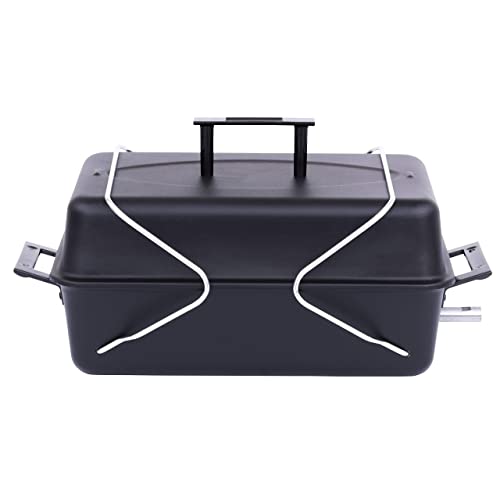
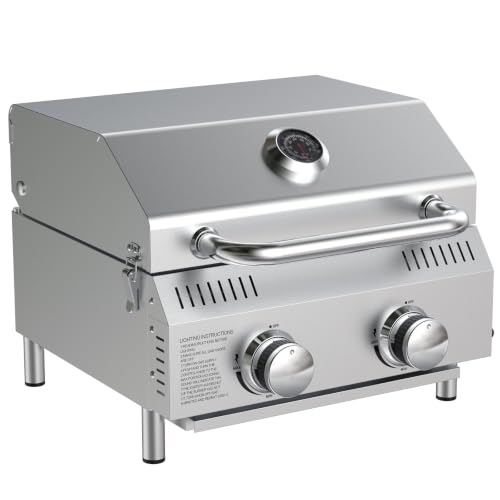
Every compact gas grill is one of two shapes. Tabletop models sit on a heat safe surface, run on small canisters or a hose to a standard tank, and pack away into a closet or car trunk. Standing models add folding legs or a small cart, which costs more and stores worse but keeps the cooking surface at a comfortable height and holds a full size tank underneath.
Tabletop Models for True Portability
A tabletop grill is the honest choice when the grill travels or disappears between cooks. Expect one burner, a small cooking area, and a weight you can carry with one hand. The trade is stability and working height: you supply the table, and a wobbly picnic bench makes flare control harder. If your grill lives in a storage bin nine days out of ten, this shape serves you better than any stand.
Standing Models for a Fixed Small Spot
A standing compact grill suits a small patio or balcony where the grill stays put all season. The legs or cart raise the price by roughly the cost of the frame itself, and in return you get steadier footing, a tank that tucks below instead of beside, and side shelves on some classes. Measure the footprint with the lid open and the shelves up before you buy, because the stored size and the cooking size are two different numbers on this shape.
What Each Price Step Actually Buys
Compact gas grill prices cluster into three steps, and each step buys specific hardware rather than a general glow of quality. Read the product table above with these steps in mind. What separates them is burner material, grate material, and how much of the grill you can replace instead of discarding.
The Starter Step: About $50 to $120
At this step you get a single burner, thin stamped steel or porcelain coated steel wire grates, and a light lid that loses heat every time the wind picks up. That is enough grill for burgers, dogs, and vegetables for two people, cooked in batches. What you do not get is recovery: open the lid to flip, and the small firebox needs a minute or more to climb back. Treat this step as a one to three season purchase with modest expectations, and look at best inexpensive gas grills if your budget sits at the very bottom of this step.
The Everyday Step: About $120 to $200
This is the step where a compact grill becomes a real cooking tool. Two burners appear, and two burners change everything: you can hold one side hot for searing and one side gentle for finishing, which is genuine two zone cooking on a small grate. Grates move up to porcelain coated cast iron, which holds heat, marks food well, and survives years if you keep it seasoned and dry. Lids get heavier, hinges stop wobbling, and replacement burners and igniters exist for these classes, which is the quiet detail that decides whether the grill is still cooking in year five.
The Long Haul Step: About $200 and Up
Above about $200 the cooking area barely grows, so be clear about what the money buys. It buys stainless steel burners that resist the rust that kills cheap burners, thicker firebox walls that hold a steadier temperature, better valves that adjust in small increments instead of jumping from low to scorching, and warranties that cover burners for years rather than months. It does not buy more burgers per batch. Buy this step when the grill will live outdoors year round and you would rather pay once than replace a rusted starter grill twice.
The Parts That Decide Heat and Lifespan
Four parts decide how any compact gas grill cooks and how long it lasts. Judge a price tag by these parts, not by the feature list printed on the carton.
Burners and Real Two Zone Cooking
One burner means one temperature across the whole grate, so everything cooks at the same pace and delicate food waits on a plate while the rest finishes. Two burners, even small ones, let you bank heat on one side and rest food on the other, which is how you cook chicken through without charring the skin. Burner material matters more than burner count over time: plain steel burners in a small, damp firebox can rust through in a few seasons, while stainless classes last far longer. Total BTU figures mislead at this size, because the same output spread over a small grate runs hotter than the number suggests.
Grates: Where Your Food Actually Sits
Thin steel wire grates flex, rust at the welds, and drop small items like asparagus and shrimp between the bars. Porcelain coated steel is a step up but chips if you scrape it with metal tools, and every chip is a rust starting point. Porcelain coated cast iron is the compact sweet spot: heavy for the size, excellent at holding heat for a sear, and forgiving of thick cuts.
True stainless rod grates appear near the top step and outlast everything else, though they add weight a portable grill may not want. Whatever the material, count cooking area by the main grate only, because makers often add the warming rack into the printed total to inflate it.
Lid Weight, Firebox Metal, and Wind
A small firebox holds a small pocket of hot air, so a light lid and thin walls bleed that heat fast, and a breeze across the grate can drop the temperature far more than on a full size grill. This is the compact trade nobody prints: the grill heats up quickly because there is little metal to warm, and it also cools quickly for the same reason, swinging up and down as you open the lid and as gusts pass. A heavier lid and a snug fit at the edges steady those swings. When you shop, lift the lid in the store or check the shipping weight, because pounds are a fair proxy for metal at this size.
Fuel Connections: Canisters, Hoses, and Tanks
Most compact gas grills ship set up for one pound disposable canisters, which are convenient, light, and the most expensive way to buy propane per cook. Many classes accept a hose adapter to a standard refillable tank, and that one accessory cuts fuel cost sharply for a grill that stays home; the comparison in best lp gas grills explains the tank side of that choice. Whichever connection you use, do a soapy water leak check after every tank or canister change: brush the solution on the fittings, open the gas, and watch for bubbles before you ever light the burner. Never store a spare tank or canister under the grill or inside a living space, and keep tanks upright and outdoors between cooks.
Safety and Space Rules for Small Gas Grills
Compact size tempts people to treat these grills casually, and that is when accidents happen. Run a compact gas grill outdoors only, never in a garage, tent, or enclosed porch, because carbon monoxide builds up without open air. Follow the clearance distances in the manual for walls, railings, and anything overhead, and remember that a small grill on a balcony still puts open flame near siding and furniture. Check your building and local rules before you buy, since many apartments and condos ban gas grills on balconies entirely or limit tank size.
Never leave a lit grill unattended, and never spray water on a grease fire: close the lid, turn the burners off if you can do it safely, and let the fire starve. Keep the grease tray and the floor of the firebox clean on a regular schedule, because in a small firebox the grease sits close to the burner and a buildup is the most common cause of a sudden flare that ruins food and can burn hands. A meat thermometer, not color or cooking time, decides when food is done. When you finish, shut the gas off at the tank or canister first so the lines empty, then turn the burner knobs off.
Who Each Price Step Suits
The right step among the best compact gas grills depends less on your budget ceiling than on how often the grill fires up and where it sleeps at night. Match your pattern to a step before you compare individual models.
The Balcony Weeknight Cook
If you grill twice a week for one or two people and the grill lives on a balcony, the everyday step earns its price quickly. Two burners let you cook a full small dinner at once instead of in shifts, and cast iron grates survive the constant use that wears out thin wire grates within a season or two. A standing model keeps the tank tucked away and the cooking height comfortable, which matters more over hundreds of cooks than any single feature on the carton.
The Camper and Tailgater
If the grill rides in a trunk or truck bed, weight and setup time outrank everything else, and the starter step is the honest fit. A light tabletop model with canister fuel sets up in minutes, and its thin metal matters less when it cooks twenty times a year instead of two hundred. Spend the savings on a sturdy carry case and a hose adapter for home use, and accept that this grill is a tool you will replace in a few seasons rather than a fixture you maintain for a decade.
The Small Patio Regular
If the grill stays outdoors all year on a small patio and feeds three or four people most weekends, the long haul step pays for itself in avoided replacements. Stainless burners and a heavy lid shrug off the weather exposure that rusts starter grills from the inside, and fine valve control makes low, steady cooking possible on a small firebox. Buy a cover with it, store the tank valve closed, and this class should still be cooking when a cheaper grill bought the same day is on its second replacement.
What Ownership Costs After the Purchase
The sticker price is only the entry fee. Canister fuel for a traveling grill adds up fast, so regular home users should budget for the hose adapter and a refillable tank in the first season. Grates and flavorizer style bars are wear parts: expect to replace a coated grate in about three to five seasons of regular use, and confirm the maker sells them before you buy, a point worth checking alongside best compact grills if you are still weighing gas against other fuels.
A cover costs little and slows rust more than any coating. Timing also matters, and the seasonal patterns in best time to buy gas grills can shave a real amount off the same grill if you can wait for a sale window.
Compact Gas Grill Questions Answered
How many people can a compact gas grill actually feed?
A compact gas grill feeds two to four people comfortably, cooked in batches. A compact grate holds a handful of burgers at once, but mixed cooks of chicken, vegetables, and corn need staging: sear on the hot side, rest on the cooler side or a warm plate, and rotate. If you regularly cook for six or more at once, even the best compact model will frustrate you, and a midsize grill is the honest step up.
Can I keep a compact gas grill on my apartment balcony?
Only if your lease, building rules, and local fire code all allow it, and many do not. Rules often ban open flame grills on balconies of multi unit buildings or restrict them by distance from the structure, and some allow electric only. Check before you buy rather than after a complaint. Where gas is banned, a compact electric grill is the usual legal alternative, though it cooks differently and will not match the sear of gas.
Why does my compact gas grill lose heat so fast in wind?
Wind strips heat from a small firebox far faster than from a large one, because there is less hot metal and less hot air in reserve. The fix is placement before equipment: turn the grill so the lid hinge faces the wind, cook with the lid down, and give the grate extra preheat time on breezy days. A grill tucked into a sheltered corner, still clear of walls and railings by the manual distances, holds temperature noticeably better than the same grill in the open.
Is one burner enough, or should I pay for two?
One burner is enough if you mostly grill one food at a time and do not mind batching. Two burners earn their cost the first time you cook foods that need different heat at once, like thick chicken pieces beside quick vegetables, because you gain a hot zone and a holding zone. On compact models the second burner adds less price than it adds control, which is why the two burner classes in the middle price step suit most buyers better than either extreme.
How long should a compact gas grill last?
A starter step compact grill usually lasts about two to four seasons before rust or a failed burner ends it, while a well kept model from the top step can cook for many more seasons. The burner and the grate are almost always the first parts to fail, so buying a class with replaceable burners and available spare grates is the single best lifespan decision. A cover, a dry storage spot, and a grease tray emptied on schedule stretch every class further.
Final Thoughts
Pick the shape first, tabletop for travel and storage or standing for a fixed small spot, then buy the highest price step whose burner and grate materials you can justify. Judge every candidate by the main grate area, the burner material, and the lid weight, and check the product table above to see how the current classes stack up on those points. Chosen that way, the best compact gas grills stop being a compromise and become simply the right size of grill. If your cooks outgrow compact size later, the step up path in best outdoor gas grills covers the full size classes.