Best Compact Grills in 2026: Which Type Is Right for You?
Disclosure: We may earn a commission when you buy through links on this page, at no extra cost to you. As an Amazon Associate I earn from qualifying purchases. Learn more
Compare the best compact grills by type, fuel, cooking area, and price. A clear guide to choosing a grill that fits small patios, balconies, and trips.
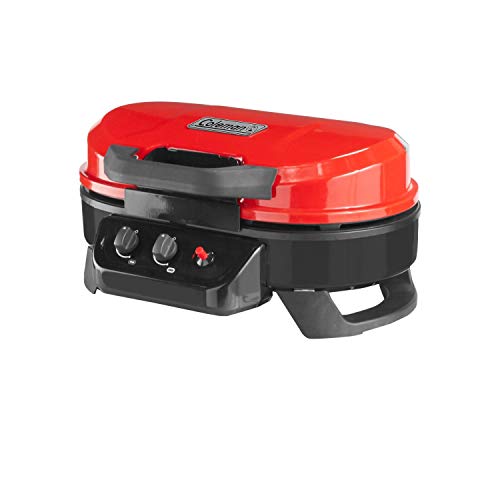
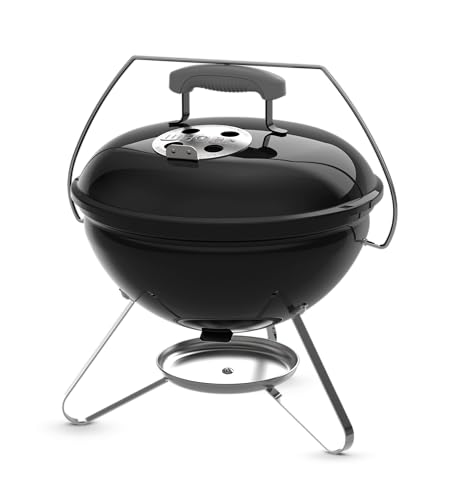
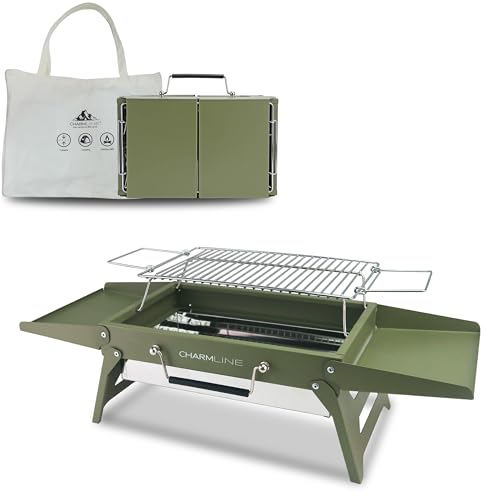
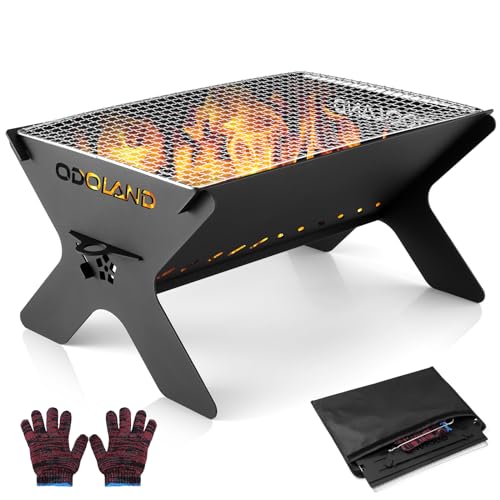
A small grill can still cook a full meal, but the main types differ a lot in flavor, heat up time, and where you are allowed to use them. Shoppers comparing best compact grills usually care less about brand names and more about fuel rules, cooking area, and stored size. This guide compares each type side by side so you can match one to your patio, balcony, or campsite. The table below sums up the types, and the sections after it explain the trade offs in plain terms.
Size is the first filter. A compact grill should fit your space with room to work safely, hold enough food for your usual group, and store away without a fight. Fuel comes next, because apartment rules, storage space, and how often you cook all point toward different fuels. Keep those two filters in mind as you read, and the right type usually becomes obvious.


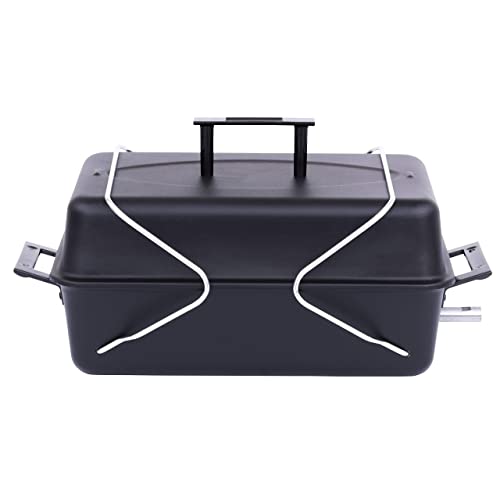

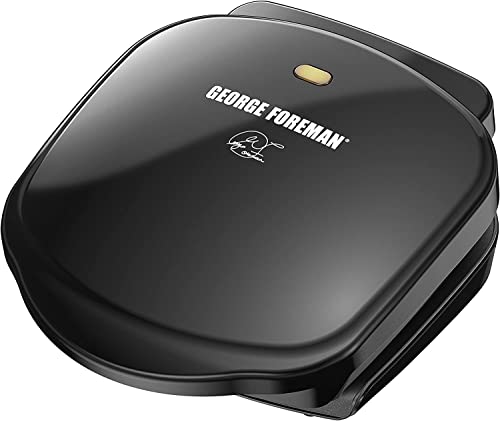

Types of Compact Grills Compared
Three fuel families cover nearly every compact grill sold today, and pellet models form a smaller fourth group covered in the fuel section below. The notes under the table explain how each type behaves in daily use.
| Type | Best For | Pros | Cons | Typical Price |
|---|---|---|---|---|
| Charcoal | Flavor first cooks on a budget | Deep smoke flavor, low purchase price, no cords or tanks | Slower start, ash cleanup, banned on many balconies | about $30 to $150 |
| Electric | Apartments and indoor friendly spaces | Plugs into an outlet, fast heat, allowed where open flames are banned | Milder sear, needs power nearby, smaller cooking area | about $30 to $350 |
| Gas | Fast weeknight cooking | Quick ignition, steady heat control, easy cleanup | Needs a propane tank, higher price, more parts to maintain | about $50 to $300 |
Charcoal Grills
A charcoal grill burns briquettes or lump charcoal in a fire bowl, and you control the heat with vents and coal placement. This type gives the deepest smoke flavor and costs the least to buy. The trade offs are a slower start, more ash to clean, and heat that takes practice to hold steady.
Charcoal suits cooks who have outdoor space, a little patience, and flavor at the top of the list. Readers who prefer lump fuel over briquettes can compare bowl shapes and vent designs in our guide to the best coal grills.
Electric and Indoor Grills
An electric grill heats a grate with an element under it, and a dial sets the temperature much like a stove burner. It heats fast, makes little smoke, and is the only type many apartment leases and building rules allow, since there is no open flame. Searing power is milder than charcoal or gas, and the cord limits where you can place it. Electric suits renters, balcony cooks with strict rules, and anyone who wants to grill a few burgers or vegetables without storing fuel.
Gas Grills
A compact gas grill runs one or two burners on propane, either a small one pound canister or a standard tank with an adapter hose. Push button ignition and steady burner control make it the fastest route from cold grill to cooked food. Cleanup is light because there is no ash, only a grease tray to empty.
The downsides are a higher price, a heavier body, and tank storage. If quick ignition matters most, our guide to the best compact gas grills compares burner layouts in this same small footprint.
Charcoal Grills vs Electric and Indoor Grills: Which Should You Choose?
Flavor is the clearest split. Charcoal adds real smoke to food, while electric grills cook clean and mild, closer to a stovetop pan with grill marks. Startup also differs: charcoal needs about 20 to 30 minutes before cooking, while an electric grate is ready in about 10 minutes.
Rules may decide for you, since many buildings ban charcoal on balconies but allow electric models. Running costs stay low for both, with charcoal adding a bag of fuel now and then and electric adding a little to a power bill. Choose charcoal for taste and low purchase price, and choose electric for permission, speed, and easy storage.
How to Choose the Right Compact Grill
Once the type fits your space and rules, four details separate a grill you enjoy from one that gathers dust.
Temperature Control and Smart Features
Control looks different on each fuel. Charcoal relies on vent openings and coal arrangement, electric uses a numbered dial, and gas uses burner knobs that respond within a minute or two. A lid thermometer helps on every type, and a plug in meat probe removes guesswork for thick cuts.
Some larger pellet and gas models add WiFi links and app alerts, and pellet grills use a PID controller to hold a set temperature on their own. On a compact grill, simple and repeatable control usually matters more than app features.
Measuring for Size and Portability
Measure the spot where the grill will sit and where it will be stored, then compare those numbers with the grill footprint, lid open height included. Cooking area is listed in square inches: about 150 to 200 square inches feeds two people, while family meals go faster on 250 square inches or more. Weight matters more than many shoppers expect, since a grill that feels fine in a store feels heavier carried up stairs. Leave a few inches of clear space on each side for tools, plates, and safe airflow.
Fuel Type (Gas, Charcoal, Pellet, Electric)
Fuel sets flavor, effort, and running cost. Charcoal gives smoke flavor and low gear cost but asks for storage space for bags and ash handling after each cook. Gas costs more up front and per refill, yet it starts fast and shuts off cleanly. Pellet grills sit between the two, with wood smoke and automatic feeding, but they need electricity and a dry place to store pellets.
Electric costs the least to run and stores anywhere. Cooks who run a small tank setup can see tank and regulator notes in our guide to the best lp grills.
Portability and Footprint
A grill that lives on one balcony only needs a small footprint and a cover that fits well. A grill that travels needs folding or removable legs, a latching lid so parts stay shut in a car trunk, and handles that stay cool enough to move the grill once it cools. Wheels help on patios but add bulk in a vehicle.
Think about the full trip, from storage closet to cooking spot, before choosing. For models built to move between yard and campsite, see our guide to the best compact outdoor grills.
Best Compact Grills for Specific Needs
Best Patio Compact Grills: Which Type Works Best
A patio grill stays in one place, so a steady stand, a cover that sheds rain, and room for a fuel tank or charcoal bin nearby matter more than folding legs. Cooking area can also grow a little, since the grill does not need to fit a car trunk, and 250 to 350 square inches serves most patio groups of four to six. Gas suits frequent patio cooking because it starts fast after work, while pellet suits long weekend cooks. Match the fuel to how often you will actually cook outside.
Tips to Get the Most From Your Compact Grill
- Preheat for 10 to 15 minutes before cooking so the grate is hot enough to sear and release food cleanly.
- Clean the grates while they are still warm with a stiff brush, which takes far less effort than scrubbing cold grease later.
- Cover the grill between uses and check the fire bowl, burners, and legs for rust each season.
- Use gas and charcoal grills outdoors only, never indoors or in a garage, and keep children and pets away from hot parts while the grill cooks and cools.
- Let coals cool fully before disposal, then place the cold ashes in a metal container away from anything that can burn.
Compact Grills: Your Questions Answered
How big of a compact grill do I need?
Plan on about 75 to 100 square inches of cooking area per person when burgers, chops, and vegetables share the grate. A two person household does well with 150 to 200 square inches, while four regular eaters should look closer to 300. Also check your single largest item: a whole chicken or a big tray of wings needs open grate space that a per person estimate can miss, so measure the grate against your biggest usual cook.
What type of compact grill gives the best flavor?
Charcoal gives the strongest smoke flavor, with pellet grills close behind and gas and electric milder. Lump charcoal burns hotter and cleaner tasting than standard briquettes for many cooks. You can also add a small handful of wood chips over hot coals for a short burst of extra smoke on thick cuts. If flavor ranks first and your space allows open flame cooking, charcoal is the type to beat.
Can I use a compact grill on a balcony?
Many balconies allow electric grills only, and some ban grilling completely, so check your lease and local fire rules before buying. Many fire codes also require open flame grills to sit a set distance from walls and railings, which small balconies often cannot offer. Where gas or charcoal is allowed, keep the grill away from siding and never leave it unattended. When the rules are unclear, an electric model is the safe choice.
How long should a good compact grill last?
A good compact grill lasts about 3 to 5 years in light steel builds, and longer with thicker metal or cast iron grates. Burners, igniters, and heating elements are usually the first parts to fail, so models with replaceable parts last longer than sealed ones. Storing the grill covered and dry adds more life than any single feature. Rust through on the fire bowl is the usual sign that replacement time has come.
How often should I clean my compact grill?
Brush the grates after every cook, and give the whole grill a deeper clean every few months of regular use. That deeper session means emptying the grease tray, wiping the lid interior, and clearing ash or drip buildup that can cause flare ups and off flavors. Charcoal models also need the ash catcher emptied once the ashes are fully cold, since damp ash speeds up rust. A clean grill heats more evenly and is safer to light.
Is a pellet grill worth it in a compact size?
A compact pellet grill is worth it if you want wood smoke flavor with set and hold temperature control for slower cooks. The trade offs are a higher price, the need for an outlet, and pellets that must stay dry. Check the hopper size before buying, because a small hopper may need a refill during a long cook. If most of your grilling is fast burgers and dogs, a simple gas or charcoal model serves you better for less money.
The Bottom Line
Match the fuel to your building rules first, the cooking area to your usual group second, and the footprint to your storage space third. Charcoal wins on flavor and price, electric wins on permission and ease, gas wins on speed, and pellet wins on relaxed smoke cooking. With those three filters set, the best compact grills for your home narrow down quickly, and the product table above can confirm the final choice.