
Best Compact Outdoor Grills: Every Type Explained Side by Side
Disclosure: We may earn a commission when you buy through links on this page, at no extra cost to you. As an Amazon Associate I earn from qualifying purchases. Learn more
Best compact outdoor grills compared by fuel type: gas, charcoal, pellet, electric and fold flat, with rules for balconies and campsites.
Walk into any store and the compact grills sit in one row, as if a small gas grill, a small charcoal kettle, and a small electric grill were interchangeable answers to the same question. They are not. Each fuel cooks differently, weighs differently, and is welcome in different places, and at compact size those differences get sharper, not smaller. This guide compares best compact outdoor grills type by type, so the fuel decision comes first and the brand decision comes last.
Start with where the grill will live and what rules govern that spot, because a type your building bans is not a real option. The comparison table below summarizes the classes, and the sections after it dig into how each one behaves on a real patio, balcony, or campsite.


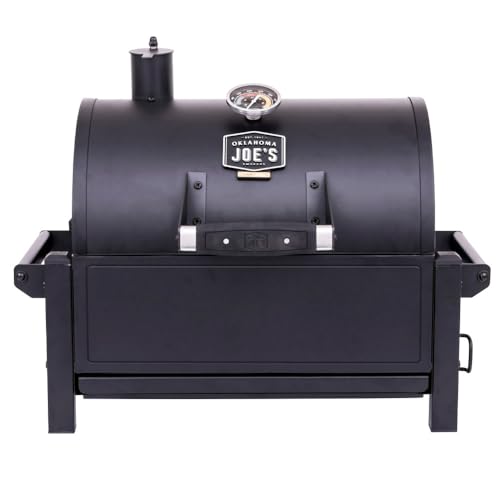
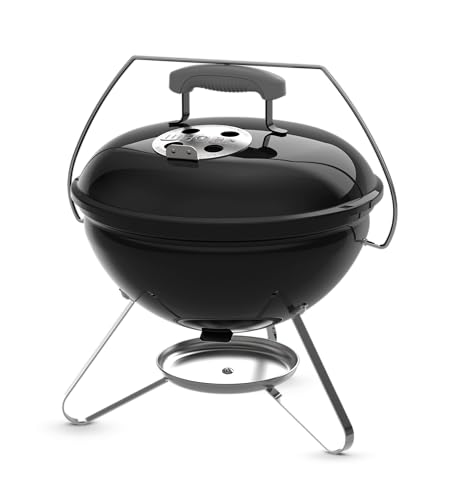

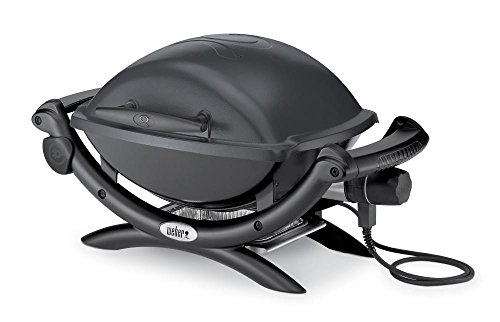


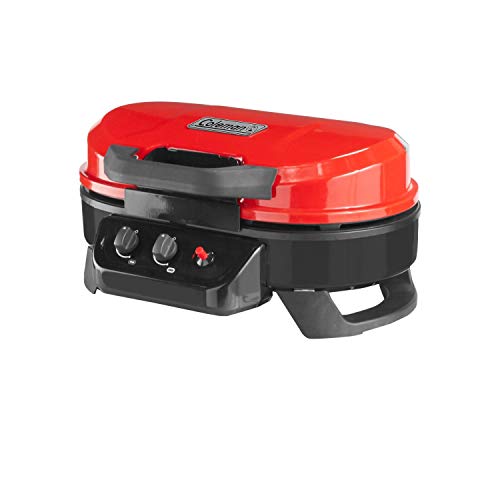
The Compact Types Laid Out Side by Side
Six types cover nearly every compact outdoor grill sold. The table gives the short version; the subsections below it give the honest version, including the limits that spec sheets leave out.
| Type | Best For | Strengths | Limits | Typical Price |
|---|---|---|---|---|
| Compact gas | Weeknight cooks on a small patio | Fast start, easy heat control, clean shutdown | Least smoke flavor, parts wear out | About $120 to $450 |
| Compact charcoal kettle | Flavor first cooks with storage room | Highest heat, true smoke flavor, simple build | Slow start, ash cleanup, coals to manage | About $60 to $250 |
| Compact charcoal barrel | Longer cooks in a small footprint | Room for indirect cooking and ribs | Thin metal leaks heat, rust prone | About $90 to $300 |
| Compact pellet | Set and forget low cooking | Steady temperatures, wood smoke, simple starts | Heavy for its size, needs power, costly fuel | About $300 to $600 |
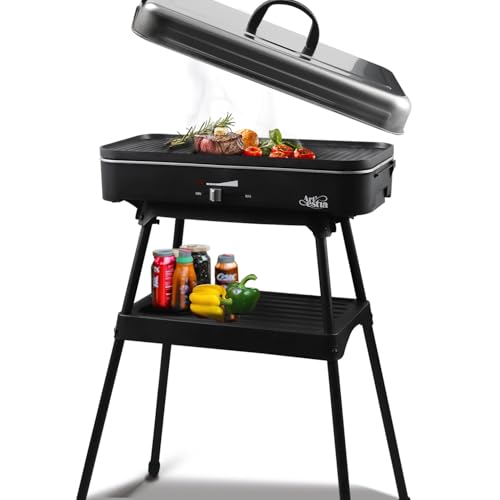
| Compact electric | Balconies where flame is banned | Allowed in many buildings, no fuel to store | Weakest sear, needs an outlet nearby | About $80 to $300 |
| Fold flat fire pit grill | Camping and fireside cooking | Packs nearly flat, burns wood or charcoal | No lid control, banned during fire restrictions | About $40 to $150 |
Compact Gas: The Fast and Tidy Type
A compact gas grill lights in seconds, holds a temperature with a knob, and shuts off the moment you finish, which is why it suits weeknight cooking better than any other type. The cooking area counts by the main grate only, usually about 150 to 280 square inches, feeding two to four people in batches. Flavor is the honest weakness: gas adds no smoke of its own, so food tastes clean and grilled rather than smoky. If speed is your habit, the deeper look at best outdoor gas grills covers how the gas classes scale up from this size.
Compact Charcoal: Kettles and Small Barrels
Charcoal is the flavor type and the high heat type, and it comes in two small shapes. A kettle is a bowl with a lid and vents: simple, light, and capable of searing heat that compact gas cannot match, plus real smoke when you bank the coals and cook indirectly. A small barrel stretches the footprint sideways, which buys grate room for ribs or a whole chicken laid flat, but thin barrel metal leaks heat and rusts faster than kettle enamel. Both shapes ask for patience: about twenty to thirty minutes to light and settle, ash to dispose of after every cook, and temperature control by vent and coal arrangement rather than a dial.
Compact Pellet: Steady Heat at a Heavy Price
A compact pellet grill feeds wood pellets into a small fire pot with a fan and an electronic controller, holding low temperatures steady for hours with almost no attention from you. That convenience is real, and so are the costs. Pellet grills are heavy for their cooking area because of the hopper, auger, and electronics, they need an electrical outlet the whole cook, and they sear weakly compared with charcoal. Treat the compact pellet class as a small smoker that can grill, not as a grill that happens to smoke, and expect pellets to be the priciest fuel per cook of any type here.
Compact Electric: The Balcony Answer
An electric grill plugs in and heats an element under the grate, and its great virtue is permission: many buildings and leases that ban every flame allow electric grills, which is why the class exists. The limits are just as clear. Household circuits cap the power, so the grate rarely gets hot enough for a deep crust on a thick steak, and you cook within reach of an outlet. Within those limits it grills vegetables, fish, and thinner cuts well. Shoppers weighing this class against full size options can compare it with best outdoor electric grills to see what more money adds. Never run any plug in grill in rain, and keep the cord where nobody trips over it.
Fold Flat Fire Pit Grills: The Camp Type
A fold flat grill is a metal frame and grate that assembles over a wood or charcoal fire and packs down to a flat sheet for a car or backpack. It is the lightest and cheapest way to grill away from home, and the least controlled: no lid, no vents worth the name, and heat managed by moving food and coals around. Use it where open fires are allowed, keep it out of any fire ban, and accept that it is a camping tool rather than a patio appliance. Sparks and embers demand bare ground or a proper fire ring, never a wooden deck.
Fuel Decides Weight, Warm Up, and Where You May Cook
Three practical questions separate these types more than any spec does. The first is weight in motion: a compact charcoal kettle might weigh about fifteen pounds, a compact gas grill about twenty to thirty, and a compact pellet grill forty or more for the same cooking area, so the pellet class stays home while the kettle travels. The second is warm up time: gas and electric are cooking in about ten minutes, pellet needs a startup cycle, and charcoal asks for twenty to thirty minutes before the coals are ready. The third is permission: flame types face building bans, balcony rules, and seasonal fire restrictions, while electric passes almost everywhere. If you are still picturing a larger grill for a yard, best outdoor grills covers the standard sizes these compact types shrink from.
Flavor sits on top of those practical points. Charcoal gives the deepest smoke and the hardest sear, pellet gives gentle wood smoke at low temperatures, gas gives a clean grilled taste, and electric gives the mildest result of all. Smoke flavor fans who cook mostly burgers and dogs should know that at short cooking times the gap between charcoal and gas narrows a lot, while for ribs and other long cooks the fuel gap is the whole story, as the classes in best outdoor bbq grills show.
Measuring the Space Before the Grill
Measure the spot with the grill in use, not folded or closed. A compact grill needs its footprint plus the clearance the manual demands from walls, railings, and overhangs, plus room for you to stand and lift the lid fully. Check the storage spot too: a grill that must be carried down stairs or lifted onto a shelf should be judged by its true weight with the tank or hopper counted, not the shipping weight of the empty body. Cooking area deserves the same skepticism as in any grill shopping: count the main grate only, since warming racks and secondary shelves inflate printed totals, and plan on feeding two to four people per batch on any of these types. If storage space is your tightest constraint of all, best compact grills focuses on the smallest footprints across every fuel.
Safety Rules That Change With the Fuel
Every type on this page runs outdoors only, and every type needs its manual clearances respected, but the sharp edges differ by fuel. Gas adds connection risk: brush soapy water on the fittings after every tank change and watch for bubbles before lighting, store tanks upright outdoors, and never keep a spare tank under the grill. Charcoal adds ash risk: ash can hide live embers for a surprisingly long time, so let it cool fully, at least 48 hours, then move it to a lidded metal container, never a plastic bin or a cardboard box. Pellet adds storage and power risk: keep pellets dry or the auger jams, and route the cord where it stays dry and untripped. Electric adds water risk: dry hands, dry ground, and no cooking in the rain.
Shared rules matter just as much. Never leave a lit grill of any type unattended, and never put water on a grease fire: close the lid, cut the fuel or power if you can do it safely, and let the fire starve. Keep grease from building up, because in a compact firebox it sits near the heat source whichever fuel you burn. A meat thermometer decides doneness for every type, since small grills swing temperature faster and recover more slowly after the lid opens, making timing alone unreliable. Local rules sit above all of this: check balcony bans, building rules, and seasonal fire restrictions before the grill, not after.
Matching a Type to Common Small Spaces
The same six types sort themselves quickly once you name the exact spot. Three settings cover most of the best compact outdoor grills sold, and each setting crowns a different winner.
The Apartment Balcony
Rules decide this one before taste does. Where flame is banned, a compact electric grill is usually the only legal choice, and its limits are worth accepting for the permission it brings. Where gas is allowed, a tabletop model on a sturdy, heat safe stand keeps the footprint smallest and lets you bring the grill inside for storage, which also keeps it out of the weather. Charcoal is the hardest sell on a balcony: smoke drifts into the units above you, and ash handling in a small space is a chore that never gets easier.
The Small Patio or Deck Corner
A spot that is yours alone, with room to stand back and a fence rather than a ceiling, opens every type up. Charcoal kettles shine here, since smoke and ash are manageable and the flavor payoff is real. A standing compact gas grill suits the same corner if your cooking is mostly weeknight and quick. Measure for the lid swing and your own standing room, keep the manual clearances from fences and siding, and remember that a wooden deck wants a grill mat or a hard surface under any type that drops embers or grease.
The Campsite and the RV
Travel rewards the lightest types and punishes the heaviest. A fold flat grill or a small tabletop gas model packs into a storage bay or trunk without eating the space your other gear needs, while a compact pellet grill is a poor traveler: heavy, power hungry, and happier bolted to a patio. Canister fuel suits short trips, and a hose to a larger tank suits a long stay at one site. Check the campground rules before you pack, because some sites restrict fires to provided rings during dry periods, and a grill that depends on an open fire is useless on those weekends.
Keeping a Small Grill Working
Care is quick on compact grills, which is part of their appeal, but each type has one habit that decides its lifespan. Clean the grates while they are still warm after cooking, when residue brushes off instead of baking on. Gas owners should clear burner ports and empty the grease tray on a schedule, since a clogged port cooks unevenly and a full tray invites a flare. Charcoal owners should empty ash once it is fully cold, because damp ash sitting in a bowl corrodes the metal from the inside. Pellet owners should vacuum the fire pot and keep the hopper from sitting full of pellets that soak up humidity. Electric owners should wipe the element area only when the grill is unplugged and cool. A cover over any type, stored dry, slows rust more than any finish.
Compact Outdoor Grill Questions Answered
Which compact outdoor grill type heats up fastest?
Gas and electric types heat fastest, reaching cooking temperature in about ten minutes because they only warm a grate and a small firebox. Charcoal is slowest, needing twenty to thirty minutes for coals to ash over and settle, and pellet sits between, with a startup cycle of about ten to fifteen minutes before it holds a set temperature. If most of your grilling is a quick weeknight dinner for two, that warm up gap is a stronger argument than any flavor debate, and it is the main reason gas dominates small patios.
Can a compact electric grill really sear a steak?
It can brown a steak, but it rarely matches the deep crust charcoal or gas gives a thick cut. Household power limits how hot the grate gets, and the element cycles on and off to hold temperature, so the surface steams a little before it sears. Thin steaks, burgers, and vegetables do fine. For thick steaks on electric, pat the meat dry, preheat the full ten minutes with the lid down, and avoid crowding the grate so each piece keeps contact with the hottest surface.
What does each compact grill fuel cost per cook?
Charcoal usually costs the least per cook for fuel alone, roughly a chimney of briquettes each session. A refillable propane tank makes gas nearly as cheap per cook, while disposable one pound canisters are the priciest gas option by a wide margin. Pellets cost the most per long cook because a smoker burns them for hours, and electricity lands in the middle, priced by your local rate. Your cooking style decides the real ranking: short hot cooks favor charcoal economics, and long low cooks make pellet fuel a serious line item.
Which compact grill type stores best in a small apartment?
A fold flat fire pit grill stores best of all, taking the space of a laptop bag, but it only works where open fires are allowed. Among true appliances, a small electric or tabletop gas grill stores best, since both fit a closet shelf and neither needs fuel stored beside it. Charcoal kettles store awkwardly because of their round bowl and ash. Whatever the type, store it clean and fully cold, and store charcoal and pellets somewhere dry, because damp fuel is the most common reason a stored grill disappoints at its next cook.
How long should a compact outdoor grill last?
Lifespan follows build and care more than fuel type. An enameled charcoal kettle kept dry can cook for a decade or more, since it has almost no parts to fail. Compact gas grills usually give about four to eight years, with burners and igniters as the wear points. Pellet grills carry electronics and an auger, so expect more repairs over a similar span, and electric grills typically last about three to six years before the element or controller gives out. Covers, cold ash removal, and dry storage stretch every one of these numbers.
Final Thoughts
Choose the fuel by your space rules and your patience, then choose the size by your usual headcount, and only then compare individual grills within the winning type. The product table above shows how the current classes line up on those points. Picked that way, the best compact outdoor grills are not shrunken versions of big grills at all: each type is a different tool that happens to share a small footprint.
