
Best BBQ Grills and Smokers: A Practical Buying Guide 2026
Disclosure: We may earn a commission when you buy through links on this page, at no extra cost to you. As an Amazon Associate I earn from qualifying purchases. Learn more
Learn how fuel type, cooking area, build quality, and heat control help you choose BBQ grills and smokers for your yard, budget, and cooking style.
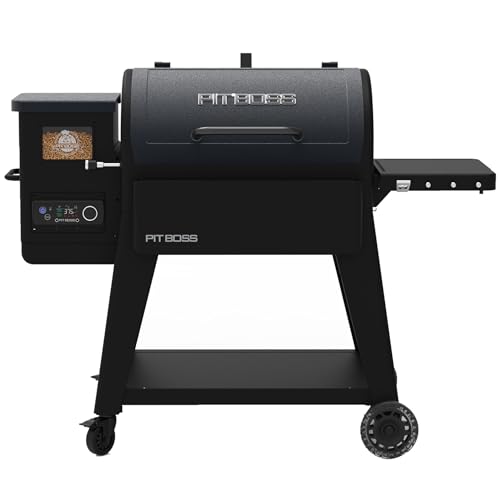
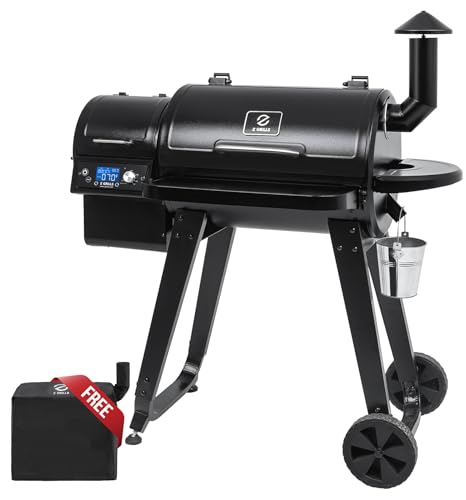
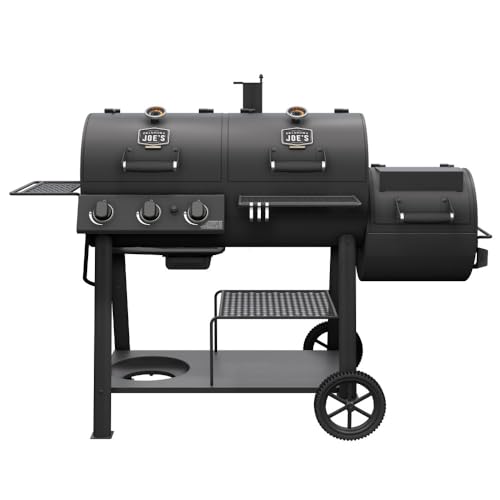
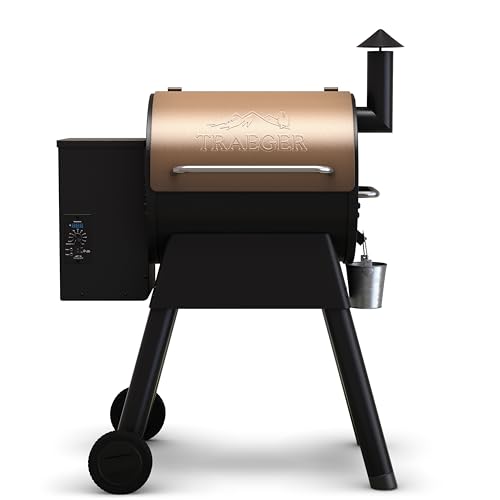
Choosing best bbq grills and smokers starts with a simple question: do you want fast weeknight grilling, slow weekend smoking, or one unit that can do both reasonably well. The product table lays out the main types side by side so you can see the trade offs before you spend. This guide explains each choice in plain terms, without ranking any single model as the winner for everyone.
A combination unit sounds convenient, and it can be, but it also asks you to accept compromises. A grill that sears well may hold smoke less steadily, and a dedicated smoker may take longer to reach grilling heat. Think about how you actually cook most weekends, how many people you feed, and how much time you want to spend tending a fire. Those answers matter more than any single feature list.





Who Should Buy a Grill and Smoker Combination
A combination unit suits a cook who grills burgers and chicken during the week and smokes ribs or pork shoulder a few times a month. You get one footprint on the patio, one fuel store to manage, and one unit to clean. That simplicity is worth a lot if your yard is small or if you do not want two large cookers competing for space.
A dedicated smoker may suit you better if low and slow cooking is your main hobby and you smoke meat most weekends. Likewise, a dedicated grill may suit you better if you almost never smoke food and you value fast preheating above all else. Be honest about your routine. Buying a combination unit for a job you rarely do means paying for capacity you will not use.
Key Features to Compare
Fuel Type and Flavor
Gas lights fast and holds a steady temperature with little effort, which suits busy cooks. Charcoal gives a deeper smoky flavor but needs more time and attention. Pellet units feed fuel automatically and hold low temperatures well, while electric units are simple but give the least smoke character. Choose the fuel you will enjoy managing, not just the flavor you imagine.
Cooking Area and Capacity
Measure the main grate and the warming rack separately, because makers often add the two together. A family of four can usually manage with a main grate that holds about eight burgers at once. If you host large gatherings, look for extra grate space or a second level, and check that tall items like a whole chicken still fit with the lid closed.
Heat Control and Range
A good combination unit should reach high heat for searing and hold low heat near 225 degrees for smoking. Look for adjustable vents or a digital controller, a reliable built in thermometer, and thick metal that steadies temperature in wind. Thin metal swings with every gust, which makes long smokes harder to manage.
Build Quality and Care
Stainless steel and heavy cast iron grates last longer and clean up more easily than thin painted steel. Check the warranty on burners, the firebox, and the body, and ask how easy it is to empty ash or grease. A unit that is hard to clean will be used less often, no matter how well it cooks.
How to Compare Options Before You Buy
Start by listing your must haves: fuel type, cooking area, and a price range you can live with. Then compare units only on those points, and ignore extra features that do not change how your food tastes. A side shelf is handy, but it never rescues a cooker with poor heat control.
Price tiers help here. Units around $200 to $400 usually cover basic gas grills with a smoker box or small pellet units. Units around $400 to $900 add thicker metal, larger grates, and steadier controllers. Above that range you pay for heavier construction, larger capacity, and longer warranties rather than for a different kind of cooking.
Common Mistakes to Avoid
Do not buy on grate size alone, since makers measure it in different ways and a large grate with weak burners cooks unevenly. Do not assume a pellet unit needs no attention either, because pellets must stay dry and the hopper still needs checking during a long cook. Finally, do not skip measuring your patio and your gate, because a cooker that cannot reach its spot is a problem no feature can fix.
Getting the Most From Your Purchase
Before your first long smoke, practice with a short cook such as chicken thighs or sausages. A short cook teaches you how your unit behaves: how fast it reaches temperature, how vents or a controller respond, and how often fuel needs attention. Take notes on vent positions and times, because those notes save guesswork on a long pork shoulder cook later. Practice also reveals hot spots on the grate, so you learn where to place food for even results.
Plan your fuel storage as carefully as your cooker choice. Pellets must stay dry, charcoal must stay dry and ventilated, and propane tanks need safe outdoor storage away from heat. Buy fuel before a big cook, not on the morning of it, and keep a spare bag or tank for long sessions. Running out of fuel midway through a smoke is frustrating and can ruin timing for guests.
Think about cleaning as part of cooking, not as an afterthought. Grease trays, ash pans, and grates all affect flavor and safety. A cooker with easy access to ash and grease gets cleaned more often, which keeps smoke flavor clean and reduces flare ups. Set a routine: brush grates after cooking, empty ash when cool, and deep clean every few months depending on use.
Before You Decide: A Closer Look
When you compare units in a store, open and close the lid several times and feel how it seals. A lid that wobbles or gaps lets heat and smoke escape, which makes temperature control harder on long cooks. Check grate spacing too: narrow spacing holds small foods like shrimp and vegetables without a basket, while wide spacing suits large cuts. These small physical checks reveal build quality faster than any brochure, and they help you avoid a cooker that looks solid in photos but feels flimsy in person.
Think about who cooks with you and who cleans up afterward. If several family members use the cooker, simple controls and clear temperature readouts matter more than advanced features one person understands. If you clean alone, easy ash access and removable grease trays matter most. A cooker that the whole household can operate safely gets used more often, and shared use also spreads the learning curve so no single person must master every detail.
Plan meals around your cooker strengths rather than forcing every recipe onto one unit. Use high heat zones for searing steaks and burgers, indirect zones for roasting chicken, and low steady heat for smoking ribs. Learning zone cooking turns a combination unit from a compromise into a versatile tool. Over time you will develop a personal map of your grate: which spots run hot, which stay cooler, and where to finish delicate foods without burning them.
Budget for accessories that genuinely improve results, such as a reliable probe thermometer, a sturdy grill brush, and heat resistant gloves. A probe thermometer matters most, because it tells you when food is safely cooked without cutting it open and losing juices. Buy accessories after a few cooks, once you know which limitations frustrate you, rather than buying a full kit upfront that may include tools you never use.
Related Guides
For a closer look at grilling only, see best bbq grills. If you want the smoking side explained in more depth, see best grills and smokers. For smoke focused cooking, see best bbq smokers. Pellet cooking is covered in best pellet grills and smokers. For pellet grilling in particular, see best pellet bbq grills.
Frequently Asked Questions
Can one unit grill and smoke equally well?
Yes, with a compromise. Most combination units grill very well and smoke well enough for home cooking, but a dedicated smoker usually holds low temperatures more steadily over many hours. If you smoke meat weekly and chase precise results, a dedicated smoker may serve you better. If you grill often and smoke sometimes, a combination unit is the practical choice.
Which fuel is easiest for a beginner?
Gas and pellets are the easiest starting points. Gas lights quickly and adjusts with a knob, while pellets feed automatically and hold a set temperature. Charcoal takes practice with vent control and fire building. Start with the fuel that fits your patience, because a cooker you enjoy using will teach you faster than one you dread lighting.
How much cooking space do I really need?
Count the largest meal you cook, not the average one. A main grate that holds eight burgers plus a warming rack for sides covers most families. Larger groups need either a bigger grate or a plan to cook in batches. Remember that crowding food lowers grate temperature and slows cooking, so spare room is useful.
Is thicker metal worth paying for?
Usually yes, if you cook in wind or cold weather. Thicker metal holds heat, recovers faster after you open the lid, and resists warping. Thin metal can still cook well on calm, warm days, but it demands more vent fiddling. Weigh the extra cost against your climate and how often you cook outdoors.
How do I keep a combination unit clean?
Empty ash and grease after the unit cools, brush the grates while they are warm, and cover the cooker between uses. Grease buildup is a fire risk and also causes bitter flavors. A short cleaning routine after each cook takes a few minutes and keeps both grilling and smoking results consistent.
Final Thoughts
The product table gives you the side by side view, so use it with the questions in this guide to narrow your list to two or three units. Then check fuel availability near you, measure your space, and read the warranty terms before you buy. A best bbq grills and smokers choice is the one that fits your cooking habits, your yard, and your budget at the same time.

