
Best BBQ Smokers of 2026: Complete Buying Guide
Disclosure: We may earn a commission when you buy through links on this page, at no extra cost to you. As an Amazon Associate I earn from qualifying purchases. Learn more
Learn how fuel type, size, temperature control and build affect slow cooking, so you can choose a smoker that fits your space and routine with confidence.
Choosing a smoker is mostly about patience and heat control, because good barbecue comes from steady low heat and clean smoke over hours, not from a quick blast of flame. The best bbq smokers come in charcoal, pellet, electric and offset styles, and each one asks for a different level of attention, fuel and space. This guide compares those styles in plain terms, so you can match a smoker to the food you cook most and the time you are willing to spend tending it.
A small smoker can be plenty for a household that cooks ribs or a pork shoulder a few times a month, while a larger unit suits people who cook for gatherings or want room for brisket and several racks at once. Think about where the smoker will sit, how you will store fuel, and how much cleaning you will accept, because those practical details matter as much as cooking capacity.

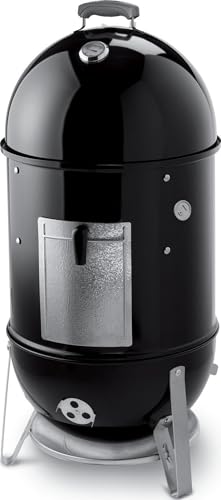

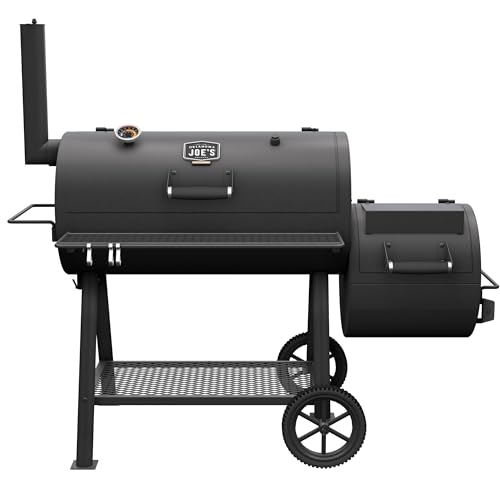


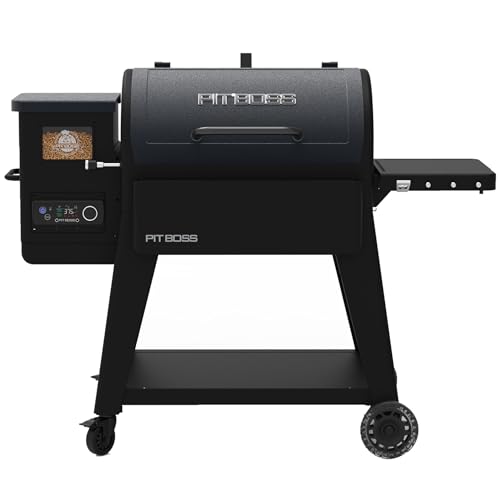

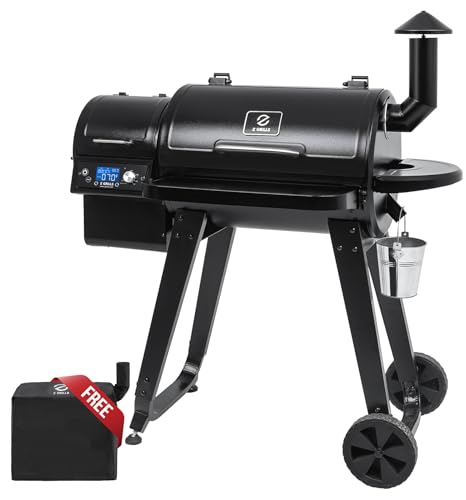
The product table summarises the main types side by side, and the sections that follow explain how to use it for your own routine.
Who Should Buy
Smokers suit cooks who enjoy slow food and do not mind checking temperature now and then. They suit small households when the cooking chamber is modest, and they suit hosts when the chamber holds several items at once. They are less suited to cooks who want dinner in twenty minutes, or to balconies and enclosed spaces where smoke and open flame are unsafe or unwelcome.
Types Compared
Each type below suits a different routine, so read the trade offs rather than looking for a single winner for everyone.
Charcoal smokers
Charcoal gives a classic smoke flavour and strong heat, and it rewards cooks who learn vent control. It needs more attention than other types, and temperature can drift if wind changes or fuel runs low.
Pellet smokers
Pellet smokers feed wood pellets automatically and hold a set temperature with a controller. They are easier for long cooks, though they need electricity and dry pellet storage.
Electric smokers
Electric smokers are simple to run and hold steady heat with little effort. Smoke flavour is milder, and they work well for cooks who value ease over a deep bark.
Offset smokers
Offset smokers put the firebox beside the cooking chamber, so heat and smoke flow across the food. They offer a traditional result and need practice, fuel and space.
Key Features to Compare
Use these features as a checklist when you compare models in the product table, and note which ones matter most for your daily use.
Temperature control
Look for a clear thermometer, adjustable vents or a controller, and a chamber that seals well. Steady heat matters more than a very high maximum temperature for most barbecue.
Cooking space
Measure racks and note usable space, not just the headline size. Ribs, brisket and whole chickens need length and headroom, and crowded food cooks unevenly.
Fuel access
Check how easy it is to add fuel or wood without losing heat. A side door or accessible firebox saves a long cook from a sudden temperature drop.
Build and cleaning
Thick steel holds heat better than thin metal, and a grease tray plus removable grates make cleaning far easier after a fatty cook.
Weather resistance
Outdoor smokers face rain and wind, so a tight lid, sturdy legs and a cover help. Wind can change charcoal heat quickly, so a sheltered spot helps.
How to Choose
Start with the fuel you can buy easily and store safely, then choose size by the largest meal you cook often. A controller helps on long cooks, while a simple charcoal unit helps cooks who enjoy learning fire control. Compare the models in the product table with your space and budget before deciding, and leave room for a cover, a reliable thermometer and fuel storage.
For a related angle, see our guide to best bbq grills and smokers, which covers a neighbouring choice that many buyers compare before deciding.
For a related angle, see our guide to best wood for bbq smokers, which covers a neighbouring choice that many buyers compare before deciding.
For a related angle, see our guide to best bbq smokers for beginners, which covers a neighbouring choice that many buyers compare before deciding.
For a related angle, see our guide to best pellet bbq smokers, which covers a neighbouring choice that many buyers compare before deciding.
For a related angle, see our guide to best bbq smokers for competition, which covers a neighbouring choice that many buyers compare before deciding.
Common Mistakes to Avoid
Buying only on capacity
A huge chamber wastes fuel on small meals and heats unevenly when half empty. Match size to usual cooking, not to a rare party.
Ignoring thermometer quality
A dial on the lid can read very differently from grate level, where food sits. Use a probe at grate level for honest readings.
Skipping cleaning plans
Grease build up changes flavour and raises fire risk. Choose a model you can clean without tools and effort.
Planning for Everyday Use
On cooking day, start early and let the smoker settle at target heat before food goes in. Keep a notebook of fuel, vent settings and times, because small notes turn a good cook into a repeatable one. Rest meat after cooking, clean grates while warm, and cover the smoker once it is cool and dry.
Costs That Follow the Purchase
The price tag is only part of the cost. Budget for fuel (charcoal, pellets or wood), a cover, a probe thermometer and replacement parts such as gaskets, grates and igniters. A pellet smoker uses roughly a pound of pellets per hour at low heat, and a charcoal smoker can burn through a bag on a long brisket cook. A lower price with high running costs can end up more expensive than a better built model.
Care and Safety
Clean grates while warm, empty ash only when fully cold, and clear grease trays after fatty cooks to reduce flare up risk. Use any smoker outdoors, well away from walls, fences and overhangs, and never leave it burning unattended. Store pellets and charcoal dry, and follow the maker's guidance for first use, which usually includes a seasoning burn.
Frequently Asked Questions
How long does a typical smoke take?
A pork shoulder or brisket often takes many hours at low heat, while ribs take less time and chicken takes less again. Plan for the longest item, start early, and use a thermometer rather than clock time alone, because meat thickness and weather change cooking time.
Do I need a separate thermometer?
A separate probe helps a lot, because lid dials can misread grate temperature by a wide margin. A probe at food level gives a clearer picture and helps you learn how your smoker behaves in wind and cold.
Can I use a smoker in a small garden?
A compact smoker can work in a small garden if smoke will not bother neighbours and local rules allow it. Place it on a stable surface away from fences and overhangs, and never use it in an enclosed space.
What wood should a beginner start with?
Mild woods such as apple or cherry are forgiving for pork and chicken, while stronger woods suit beef in smaller amounts. Use dry wood made for cooking, avoid treated timber, and add wood in small amounts so smoke stays clean.
How do I keep temperature steady?
Make small vent changes and wait before changing again, because smokers respond slowly. Keep fuel dry, shield the smoker from strong wind, and avoid opening the lid often, since each peek drops heat and adds time.
Final Thoughts
The right smoker is the one you will use often, with fuel you can find, space you can spare and cleaning you will actually do. Compare the options in the product table, start with simple cooks, and let steady practice build flavour and confidence. The best bbq smokers reward patience, and a calm low cook usually beats a rushed hot one.

