
Best Commercial 0 Turn Lawn Mowers by Budget for 2026
Disclosure: We may earn a commission when you buy through links on this page, at no extra cost to you. As an Amazon Associate I earn from qualifying purchases. Learn more

Compare the best commercial 0 turn lawn mowers by budget band, durability, dealer support and warranty to buy for uptime, not features.
Commercial zero turn mowers span a wide price range, from entry machines that cost about as much as a good used truck to fleet grade units that cost far more. Knowing where the money actually works is the whole buying problem. A crew does not earn from features; it earns from hours cut per day and from machines that start every morning. This guide walks the budget bands for the best commercial 0 turn lawn mowers in commercial terms: deck and drive durability, dealer support, fuel and crew time, and warranty terms written for paid work.
The comparison table below lines the bands up side by side so you can see what each step up really buys.

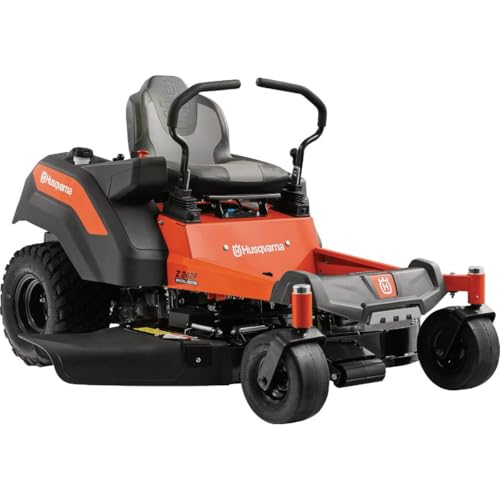
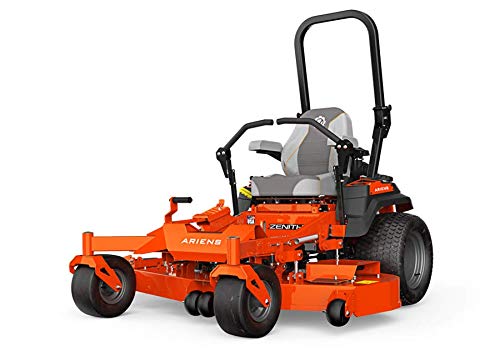

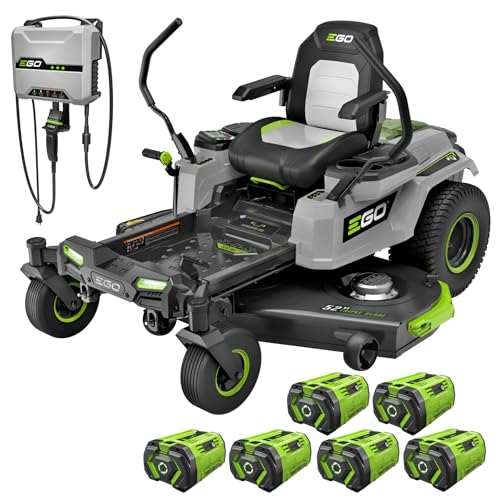

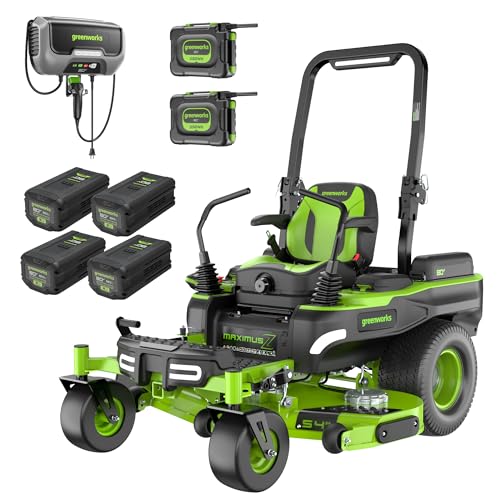
One idea runs through every section. Downtime is the most expensive feature a mower can have. A machine that sits in a shop for a week during peak season can cost more in lost routes and rental fees than the entire price step you skipped, so this guide treats parts access and service speed as part of the product, not as an afterthought.
Start With the Route, Not the Brochure
Before pricing anything, write down what the machine must do. Count your weekly acres, your largest open properties, your tightest gates, and the slopes your crews already mow. A zero turn earns its keep on open ground with many turns, where the two lap bars let an operator spin the deck around trees and beds instead of making wide loops. Our guide to the best commercial zero turn lawn mowers explains the class in general terms, while homeowners comparing smaller machines can see the best zero turn lawn mowers for residential duty.
Commercial buyers should keep reading here, because duty ratings, not cutting width alone, separate a pro machine from a big homeowner unit.
Transport belongs in the same calculation. Measure the machine with its discharge chute up, confirm your trailer deck and ramp can carry its weight, and check where the tie down points sit. A mower that loads slowly or rides poorly costs crew minutes twice a day, and winter storage matters too, since a machine stored outdoors under a tarp ages faster than one kept in a dry shop.
What Each Budget Band Buys in the Best Commercial 0 Turn Lawn Mowers
Entry Commercial Band: About $4,000 to $6,500
This band suits a solo operator or a small crew adding its first zero turn for light commercial routes. Expect a stamped or lighter fabricated deck around 48 to 54 inches, an entry commercial engine, and wheel motors or transaxles rated for moderate hours rather than all day fleet work. Seats are basic, fuel capacity is modest, and top speed is lower, which costs time on large properties.
The honest trade is lifespan: run within its limits, this band cuts paid grass reliably for several seasons, but daily acreage at the top of its range wears drives and spindles faster. Buy it for route density, not for vast open acreage.
Working Crew Band: About $6,500 to $10,000
Most established crews land here, and for good reason. This band buys a fully fabricated deck that shrugs off trailer bumps and hidden stumps, serviceable commercial transaxles you can change fluid on instead of replacing, a stronger frame, and a suspension seat that keeps an operator productive through a full day. Fuel tanks grow, ground speed climbs, and blade tip speed stays consistent in thick spring growth.
Dealer networks are strongest in this band, which means belts, spindles, and blades sit on local shelves. For a crew cutting five to six days a week, this is where cost per hour usually bottoms out.
Fleet Grade Band: About $10,000 to $16,000 and Up
Fleet grade money buys hours, not comfort extras. You get the heaviest decks, the largest displacement engines, high capacity fuel systems, and transmissions rated for thousands of hours of daily service. Frames, casters, and deck hangers are built to be rebuilt rather than replaced, and many parts interchange across a fleet, which simplifies stocking.
This band pays when a machine must cut large properties all week with minimal stops and when a company runs several units and needs them identical for training and parts. A single small crew rarely recovers the premium, because the machine outlasts the route that bought it.
Features Worth Paying For (and Ones to Skip)
Cutting Height Adjustment and Deck Lift
Height adjustment matters more on commercial work than on a home lawn, because one machine may cut fine turf in the morning and rough field edges after lunch. Look for a foot assisted deck lift that lets the operator float the deck over roots and curbs without stopping, and a dial or pin system that returns to the same height every time. Quarter inch steps are plenty; the value is speed and repeatability, not the number of positions. Electric lift systems add cost and one more failure point, and most crews find a well designed foot pedal faster anyway.
Mulch, Bag, and Side Discharge Options
Side discharge is the commercial default because it is fast and handles tall grass, and most crews run it on most properties. Mulching kits earn their price on small, tidy accounts where clippings cannot be blown onto beds and pavement, but they slow the mower in wet or overgrown grass. Bagging systems make sense for leaf season and for clients who pay for a spotless finish, yet they add weight, cost, and emptying stops. The practical approach is one machine set up for discharge, with a mulching kit bought only when your account list proves the need.
Power Source: Gas, Battery, or Diesel Thinking
Gas remains the commercial standard because it refuels in two minutes and runs all day, and every dealer stocks its parts. Battery zero turns have reached real commercial duty for noise sensitive accounts such as schools and hospitals, and they cut fuel and engine maintenance sharply, but the purchase price is higher and a full route needs either very large packs or a midday swap plan. Runtime claims are best case figures on light grass, so size a battery machine to your longest day, not your average one. For most crews today, gas carries the heavy routes and battery covers the quiet contracts.
Frames, Casters, and Spindle Housings
The parts nobody photographs decide how a mower ages. A fully welded tube frame resists the twisting that trailer ramps and rough lots apply daily, while bolted frames can loosen and crack at the joints. Front casters should run on sealed bearings with grease points, because a seized caster bearing scalps turf on every turn. Spindle housings in cast iron or heavy fabricated steel survive the stump strike that ends a light aluminum housing.
None of these parts sells a mower on a showroom floor, which is exactly why they separate the budget bands. Ask the dealer what a spindle, a caster fork, and a deck belt cost for the model you are pricing, and whether they sit in stock. Those three answers predict your third season better than any brochure figure.
Slopes and Terrain
A zero turn holds a slope worse than its brochure confidence suggests. The front casters carry little weight and the drive wheels do the steering, so traction fades quickly on hills. Treat about 15 degrees as the working limit for this class, mow slopes up and down rather than across when the manual allows it, and never mow a slope when the grass is wet. Steep banks belong to walk behind machines or dedicated slope tools.
Paying for wider drive tires and a lower stance helps at the margins, but no feature purchase cancels the physics.
Safety Rules That Apply on Every Site
Commercial pace never excuses a skipped safety step, and the same rules bind every operator on every property. Never carry a passenger on a riding mower, and never a child: carrying a child passenger is a leading cause of serious child injuries with this equipment, and most such injuries happen in a single moment of lost attention. Use the rollover protection bar raised and the seat belt fastened, exactly as the manual directs, and never remove either one to fit under low branches.
Stop the engine and take the key out before any work under or around the deck, including clearing a clog or checking a belt, and let hot parts cool before touching them. Store fuel outside living space in approved containers, and never refuel a hot engine. Train every crew member on these rules before their first route, including seasonal hires, and repeat the training each spring. A written checklist in the truck keeps the standard the same on the last lawn of the week as on the first.
Long Term Costs and the Dealer Question
The purchase price is only the first payment. Blades wear by the week in sandy soil, belts and idlers are consumables, and tires, batteries, and spindle bearings all have service lives measured in hours. Fuel is a daily line item: a thirsty engine on a six day route can burn through the price difference between two models within a couple of seasons. Crew time counts too, since a faster ground speed and a bigger fuel tank return paid minutes on every property, every day.
Shoppers comparing related classes can also review the best zero turn riding lawn mowers for general riding mower context and the best z turn commercial mowers for another look at the commercial category.
A written service calendar keeps those costs predictable instead of surprising. Put oil and filter changes, air filter checks, transaxle fluid service, and belt inspection on hour based intervals, and assign one person to log them for every machine. Crews that service on a schedule trade small planned costs all season, while crews that wait for failures pay for the same parts plus a tow, a rental, and a lost day. Stock the fast moving parts yourself (two belts, a blade set, filters, and a spare tire per machine) so a ten minute fix never waits on a delivery.
Warranty deserves a slow read before you sign. Many standard warranties shrink sharply or vanish entirely when a machine is used commercially, even on models marketed with commercial language. Look for the commercial clause in writing: how many years or hours it covers, whether it includes the transmission and deck, and who performs the work.
Then weigh the dealer behind the paper. A dealer twenty minutes away with parts on the shelf and a loaner policy is worth real money, because the product table above cannot show you the service desk that decides whether your mower cuts tomorrow.
Frequently Asked Questions
What deck size does a commercial crew need?
Match the deck to your tightest regular gate and your largest open property, in that order. A 52 or 54 inch deck passes most residential gates and still covers ground well, while 60 and 72 inch decks pay only where gates, trailers, and storage all allow them. A deck that cannot enter a third of your accounts forces a second machine onto the trailer, which erases its speed advantage. Measure your narrowest gate before you shop, and bring that number to the dealer.
Are battery commercial zero turn mowers ready for full routes?
They are ready for some routes now, mainly noise sensitive accounts and properties of moderate size. The honest measure is your longest day: rated runtime is measured on light grass, and thick or wet cutting draws power far faster. Crews who succeed with battery units plan pack swaps or midday charging into the route and keep one gas machine for the heaviest days. Running costs and engine maintenance drop a great deal, so the class makes sense where quiet hours or fuel prices reward it.
How many hours does a commercial zero turn mower last?
A true commercial machine is generally built for a service life in the low thousands of hours, while entry commercial units land lower and fleet grade units aim higher. What decides the real number is maintenance discipline: engine oil and filter changes on schedule, clean cooling fins, and transaxle fluid service where the design allows it. Machines die early from overheating and skipped fluid changes far more often than from worn out engines. Track hours on every unit, because trade in value and repair decisions both depend on the meter.
How often should a crew sharpen mower blades?
Most commercial crews sharpen or swap blades daily to every few days, depending on soil and debris. Sandy ground and hidden sticks dull an edge within a single route, and a dull blade tears grass instead of cutting it, which browns the tips and invites disease. Keeping two or three sharp sets per machine lets an operator swap in minutes and sharpen back at the shop in batches. Balance every blade after sharpening, since an unbalanced blade vibrates the spindle and shortens bearing life.
Does a standard warranty cover commercial mowing?
Often it does not, or it covers far less than the headline suggests. Many warranties carry separate residential and commercial terms, and the commercial term may run only a year or two, exclude rental and fleet use, or drop coverage on the deck and transmission. Never rely on a salesperson summary. Read the commercial clause in the written warranty before purchase, confirm the hour limits, and ask the dealer who performs warranty work and how long it usually takes in season.
Wrapping Up
Buy the band that matches your weekly hours, not the band with the longest feature list. The working crew band serves most companies best because it pairs serviceable drives and a fabricated deck with the strongest local parts shelves. Whatever band you choose, the best commercial 0 turn lawn mowers decision rests on downtime: duty ratings, a dealer who stocks your parts, and warranty terms that still exist when the work is paid. Compare the bands in the product table above, then visit the dealer who will service the machine before you commit.


