Best and Worst Riding Lawn Mowers in 2026: What Sets Them Apart
Disclosure: We may earn a commission when you buy through links on this page, at no extra cost to you. As an Amazon Associate I earn from qualifying purchases. Learn more

Compare the best riding lawn mowers and avoid the worst with this checklist on power, deck width, slope safety, comfort, discharge options and cost.
The gap between a strong riding mower and a poor one rarely shows on a showroom floor. It shows in scalped corners, early deck rust, and a transmission that fades on slopes. The best and worst riding lawn mowers are separated by a short list of measurable traits, and this guide turns them into a checklist for the comparison table below.
Shoppers often want a simple ranking from best to worst riding mowers, but a ranking means little without your yard in it. A mower that is perfect on two flat acres can be a bad buy on a half acre with gates and a bank. Work through the groups and questions below, and you will know which traits matter before price.

Who Should Buy Which Riding Lawn Mower?
Start with the yard you mow most weeks. Size, slope and obstacles decide the mower class first, and features only refine that choice.
Owners of Half Acre to Two Acre Lawns With Mostly Level Ground
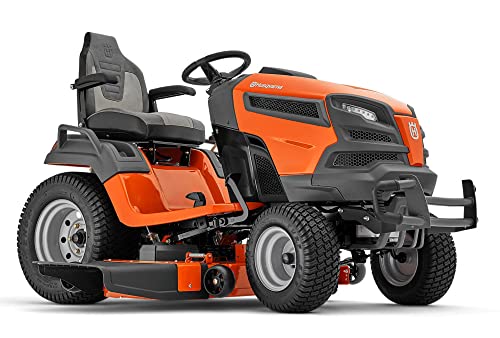
A lawn tractor with a steering wheel and a cutting deck of about 42 to 46 inches fits this ground well. You get simple controls and room to tow a cart. If you want models chosen for home lawns like yours, see our guide to the best residential riding lawn mowers after this checklist.
Owners of Two Acres or More With Trees and Beds to Circle
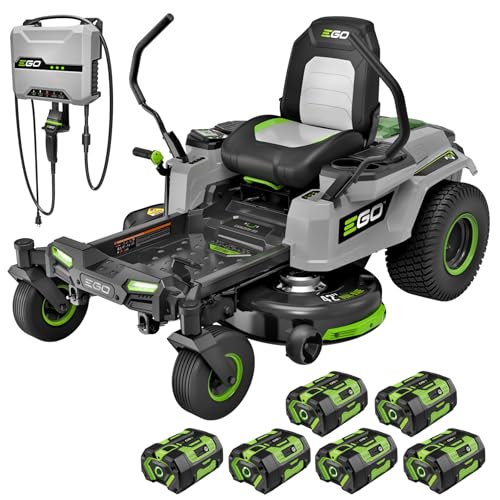
A zero turn rider earns its price here because it pivots in place and cuts your turning time at every tree and bed edge. Look for a wide deck of about 48 to 60 inches and a supportive seat. A garden tractor can match the pace on open ground, but it takes wider turns.
Owners With Slopes, Narrow Gates and Tight Storage
Choose a lawn tractor or a compact rear engine rider rather than a zero turn model, and keep the deck narrow for your tightest gate. A steering wheel gives you more control when the ground tilts, and a shorter frame stores in a crowded shed. Measure your gate and shed door before you shop, because this group loses most to size errors.
Key Features to Compare
Score each model on the same six traits below. A model that fails one trait you truly need belongs on the worst list for you, even at a kind price.
Power Source: Gas or Battery
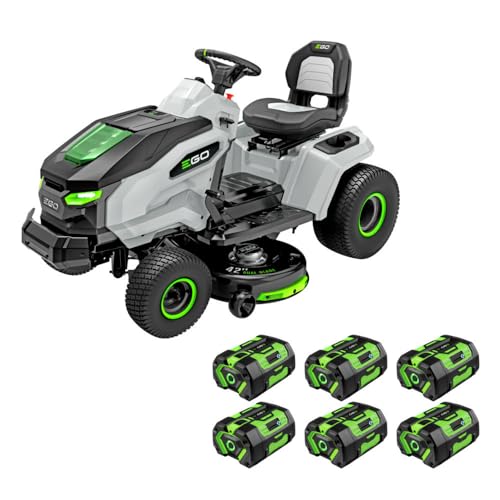
Gas engines refuel in minutes and suit long sessions, but they ask for oil changes, fuel care and noise. Battery riders start quietly, skip oil and fuel storage, and cost less to run, yet runtime ends when the charge ends. Match the source to your longest mowing day, because a model that needs a midday charge will frustrate you weekly.
Yard Size and Cutting Deck Width
Deck width sets how many passes your lawn needs. Riding decks run from about 30 inches on compact models to about 60 inches on wide zero turn models. A wider deck cuts faster, but it scalps uneven ground more easily and may not pass a gate. Choose the widest deck that still fits your gates.
Drive and Turning: Steering Wheel or Lap Bars
A lawn tractor steers like a small car and feels natural on gentle slopes. A zero turn rider uses two lap bars to drive each rear wheel on its own, so it spins in place and trims close around obstacles. That agility fades on wet slopes, where the front wheels only roll. Pick lap bars for flat, obstacle rich ground.
Slope Safety and Terrain Limits
Most makers rate standard riders for slopes of about 15 degrees or less, and zero turn models deserve more caution. Mow slopes up and down with a tractor, never across a steep face, and use a roll bar and seat belt where provided. Stop and call a service shop if steering feels loose or brakes fade, because both can cause a loss of control. Any crush injury or deep cut needs emergency care at once.
Cutting Deck Build and Cutting Height Control
A stamped steel deck costs less and suits flat lawns, while a fabricated deck uses thicker welded steel and holds its shape better on rough ground. Thin decks flex and rust sooner once paint chips. Cutting height should adjust in small steps across a range of about 1 to 4.5 inches from one lever at the seat. Check that the deck hangs level, because a tilted deck leaves lines.
Mulching, Bagging and Side Discharge Options
A three in one deck lets you switch between mulching, bagging and side discharge as the season changes. Mulching returns fine clippings to feed the lawn and works best on dry grass cut often. Bagging keeps a clean finish in leaf season, but bags fill fast on large lots. Side discharge spreads clippings on rough ground. Confirm the kit fits that deck, because a near fit will clog.
Riding Mower Types Compared
Design matters more than badge or color. Lawn tractors use a front engine and a steering wheel, tow light carts, and handle gentle slopes with calm manners. Garden tractors add a heavier frame for ground tools. If your yard suits a self propelled walk behind model instead, see our guide to the best and worst lawn mowers for that choice.
Zero turn riders are the speed choice on flat ground, and our guide to the best zero turn riding lawn mowers covers that class in depth. Rear engine riders are the compact choice, with a smaller deck and a clear view of the cutting path. They suit small lots, but they climb poorly and feel slow on long runs.
Buyer Checklist for Riding Lawn Mowers
Answer each question with yes or no before you compare prices, and treat any no on the first four as a walk away. Riders that pass on a small budget do exist, and our guide to the best inexpensive riding lawn mowers shows where low prices still make sense. Use these questions to sort the best and worst riding lawn mowers for your yard.
- Does the deck width fit your narrowest gate with room to spare?
- Can the mower handle your steepest slope within its rated limit?
- Does the seat support your back for your longest usual session?
- Are mulching, bagging or discharge parts in stock for this deck?
- Is the warranty at least two years, with a service shop nearby?
- Can you price blades, belts and a battery before you buy?
Common Mistakes to Avoid
Most riding mower regrets come from five errors a slow checklist prevents.
- Buying a deck that is too wide for your gate leaves part of the yard to finish with a trimmer weekly.
- Using a zero turn rider on a steep or wet slope invites sliding, because the front wheels cannot steer or pull.
- Judging a mower by engine size alone hides a thin deck and a weak transmission that ages fast.
- Trusting vague specs and a short warranty leaves you with slow repairs and parts you cannot find.
- Skipping the discharge kit you need adds surprise cost later and leaves clumps across the lawn.
Care and Maintenance for Riding Lawn Mowers
Sharpen or swap the blades at least once each season, and never cut more than one third of the grass blade in a single pass. Cutting too much at once stresses the lawn and loads the engine, so raise the deck in fast spring growth. Scrape packed grass from under the deck, because buildup blocks airflow and starts rust.
For gas models, change the oil and filter on the manual schedule and stabilize fuel before winter storage. For battery models, store the packs indoors in winter away from damp and cold. Check tire pressure monthly, because one soft tire tilts the deck and mars the cut.
FAQ
Are battery riding lawn mowers as good as gas riding lawn mowers?
Yes, battery riding lawn mowers are as good as gas models for most lawns of up to about two acres per charge. The real test is your longest day in spring growth, when thick grass drains a pack faster than the label suggests. Mow the far sections first, and top up the charge while you trim edges if you run short.
How long does a riding lawn mower usually last?
A riding lawn mower usually lasts about 10 to 15 years with steady care. Hours tell you more than age, so check the hour meter on any used machine and ask how it was stored. A mower kept dry in a shed can outlast a newer one left outdoors, where rain ages belts and seats.
How often should you sharpen riding lawn mower blades?
You should sharpen riding lawn mower blades at least once each season, and sooner when the cut looks ragged. Torn grass tips that turn brown within a day are a clear sign of a dull edge, and they invite lawn disease. After sharpening, check that the blade sits balanced, because an uneven blade vibrates and wears bearings.
Is a zero turn riding lawn mower worth it for one acre?
A zero turn riding lawn mower is worth it for one acre only when that acre has many trees, beds or fences to circle. On a plain open rectangle, the time you save over a lawn tractor may be just a few minutes per cut. Try the lap bar controls on flat ground first, because the steering feels odd initially.
What size riding lawn mower do you need for your yard?
You need a riding lawn mower with a deck of about 42 to 46 inches for most lawns of one to two acres. Start from your narrowest gate rather than your acre count, and choose a deck a few inches narrower than that opening. Check your shed doorway too, since a mower that does not fit under cover ages fast.
Final Thoughts
Keep your decision simple. Let yard size set the deck, slope set the drive type, and deck build and warranty separate durable models from fragile ones. Use the product table above to check width and price against your checklist.
When you judge best and worst riding lawn mowers by fit for your ground instead of by ads or engine size, the weak options fall away on their own. Choose the simplest rider that passes every question above, and spend the savings on blades and storage.