
Best and Worst Zero Turn Mowers in 2026: What Your Money Really Gets You at Every Price
Disclosure: We may earn a commission when you buy through links on this page, at no extra cost to you. As an Amazon Associate I earn from qualifying purchases. Learn more
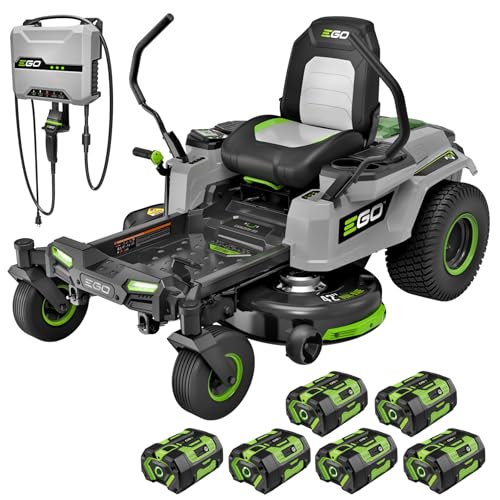
Compare zero turn mowers across budget, midrange, and premium prices, learn what each tier gives up, and see where extra spending pays off for your yard size.
Zero turn prices stretch from about $3,000 for a basic residential model to over $10,000 for a commercial grade machine, and the gap is not just branding. The best and worst zero turn mowers can share the same deck width yet differ sharply in deck steel, transmissions, and service life. Use the comparison table below to judge each tier.
Start with your land, not the price tag. Acreage, slope, gate width, and mowing frequency decide which tier fits, and the wrong tier costs you money up front or time and repairs later.


Who Should Buy Which Zero Turn Mower?
Match yourself to one of these three groups first, and the tier discussion will make more sense.
Owners of Flat Lawns up to One Acre
You mow a fairly open, mostly flat yard and want to finish far faster than a walk behind mower allows. A deck of 42 to 46 inches suits this size, stores easily, and passes through most garden gates. A budget tier model usually covers this job well, as long as the grass stays fairly thin and the ground smooth.
Owners of One to Three Acres Who Mow Weekly
You spend real hours on the seat each season, so comfort and durability matter as much as cutting speed. Look at decks of 48 to 54 inches, a stronger frame, and a seat with armrests and decent back support. This group gets the most value from the midrange tier, where thicker deck steel and serviceable parts appear.
Acreage Owners and Rough Ground Buyers
You cut large or uneven ground, deal with thick grass, or want a machine that still feels solid after many seasons. A premium tier model with a fabricated deck, larger tires, and stronger transmissions fits this work better. If your land is steep rather than bumpy, a zero turn may be the wrong tool entirely, as the slope section explains.
Zero Turn Price Steps: Hardware Gained and Given Up
Each step up buys specific hardware, and each step down gives up something concrete. That trade helps you judge the best and worst zero turn mowers at a glance.
Budget Tier: Light Duty Hardware for Gentle Lawns
Budget models cost about $3,000 to $4,500 and typically pair a stamped steel deck with a modest engine and a basic seat. Stamped decks are pressed from a single sheet, so they are lighter and cheaper but flex and dent more on rough ground. Transmissions here are usually sealed, which holds the price down but limits repair options later.
Midrange Tier: Stronger Decks and Real Seat Comfort
Midrange models cost about $4,500 to $7,500, and this is where many weekly mowers find the best balance. Fabricated decks, welded from thicker steel plates, appear here alongside larger rear tires, better seats, and engines with more reserve power for thick grass. Some models add serviceable transmissions and wider discharge chutes. See our guide to the best zero turn mowers for the models buyers compare most often.
Premium Tier: Commercial Grade Parts for Heavy Use
Premium models cost about $7,500 to $12,000 and borrow heavily from commercial machines. Expect thick fabricated decks of 54 to 61 inches, heavy frames, high back seats with suspension, and transmissions built to be serviced rather than replaced. Ground speed rises too, which pays off across several acres. For one gentle acre, this tier buys capacity you will rarely use.
Features Worth Paying For and Ones to Skip
Some upgrades change every mow, while others only look good in a listing. Skip extras that solve no problem your yard has.
Cutting Deck Width and Deck Build
Deck width decides how many passes your yard takes and whether the mower fits through gates and between beds. Measure your narrowest gate and leave a small margin, because a deck that cannot enter the back yard is useless there. A stamped deck suits smooth lawns, while a fabricated deck uses thicker welded steel that lasts longer on rough ground with roots and ruts.
Mulching, Bagging, and Side Discharge Options
Most zero turn mowers offer three ways to handle clippings. Side discharge spreads clippings across the lawn and handles tall grass best. Mulching cuts clippings finely and drops them back as feed for the soil, but it struggles when grass is long or wet. Bagging gives the cleanest finish and collects leaves in fall, yet bags fill fast on large lots. Some budget models charge extra for the mulch plug or bagger, so confirm what is included.
Cutting Height Adjustment
Cutting height shapes how grass handles heat and drought, since taller grass shades roots and holds moisture better. Most decks adjust from about 1.5 to 4.5 inches across several notched positions. A single lever or foot pedal that lifts the whole deck at once beats separate levers at each wheel, because you can raise the deck quickly over roots and paths without stopping.
Power Source: Gas or Battery Power
Gas models still dominate this category, offering strong torque, quick refueling, and run time limited only by the tank. Battery powered mowers are quieter, start at a button press, and skip oil changes, but battery runtime of about one to two acres per charge is typical, and spare battery sets are costly. Choose battery power for a tidy yard you can finish in one charge, and gas for several acres.
Slopes and Terrain Limits
Zero turn mowers steer with their rear wheels and pivot on front casters, so they grip poorly on slopes and can slide when a hill is wet. Most makers advise staying on slopes of 15 degrees or less, and many owners treat 10 degrees as the wiser limit. On steeper ground, a lawn tractor holds a line far better. See our guide to the best zero turn riding mowers alongside tractor options before you buy.
Zero Turn Upkeep Bills: Blades, Belts and Seasonal Service
The sticker price is only the first bill. Blades wear, belts stretch and crack, and gas models need oil, filters, and spark plugs on a regular cycle. Battery models trade those costs for a pack that loses capacity over the years. Budget for one service visit each year, plus a spare belt in the garage.
Storage belongs in this math too. A mower with a 52 inch deck needs clear floor space of roughly 7 by 5 feet. Our guide to the best zero turn riding lawn mowers shows how footprint grows with deck size.
Common Mistakes to Avoid
- Buying a deck wider than your narrowest gate leaves a whole section of yard to trim with a second mower.
- Mowing a steep or wet slope on a zero turn invites a slide that steering cannot correct.
- Choosing the cheapest stamped deck for rough ground leads to dents and cracks that shorten deck life.
- Ignoring whether transmissions can be serviced turns a worn drive unit into a very costly replacement.
- Paying for a bagging kit before checking bag capacity means constant stops to empty bags on larger lots.
- Storing a mower with old fuel over winter causes hard starting and carburetor bills in spring.
Care and Maintenance for Zero Turn Mowers
Clean the cutting deck after wet mows, because packed clippings hold moisture against the steel and invite rust. Scrape the underside with the deck raised and the engine off. Check tire pressure monthly, since uneven pressure makes the deck sit crooked and leaves stripes of uneven height.
For gas models, follow the engine schedule for oil, air filter, and fuel filter changes, and keep cooling fins free of dust. Inspect belts before the season starts and grease caster pivots if your model has fittings. Our guide to the best zero turn radius lawn mowers covers how turning design affects upkeep.
FAQ
How often should you sharpen zero turn mower blades?
You should sharpen zero turn mower blades after about every 20 to 25 hours of mowing. Torn grass tips that turn brown within a day or two are a faster sign that the edge is dull. Sharpen sooner after hitting gravel, and keep both blades balanced, since an unbalanced blade vibrates and wears the deck spindle.
Is a zero turn mower worth it for one acre?
Yes, a zero turn mower is worth it for one acre if the yard is mostly flat and has trees, beds, or fences to circle. The time saving comes at the ends of each pass, where the mower turns in its own space instead of making wide loops. On a plain open rectangle, a lawn tractor may match its times for less.
Are battery powered zero turn mowers as good as gas models?
Battery powered zero turn mowers match gas models on cut quality for small to midsize yards, but they trail on run time and refueling speed. A gas tank refills in minutes, while a large battery set can take hours to recharge. Dry, moderate storage also matters, since heat and deep cold shorten battery life.
How long does a zero turn mower last?
A residential zero turn mower typically lasts about 10 to 15 years of home use when it is serviced on schedule. The hour meter tells the fuller story, since a mower used 100 hours a year ages far faster than one used 30 hours a year. Serviceable transmissions and stronger frames usually outlast sealed budget units by years.
What size zero turn mower do you need for your yard?
A 42 to 46 inch deck suits up to one acre, a 48 to 54 inch deck suits one to three acres, and wider decks suit larger open ground. Obstacles matter as much as acreage, since a yard full of trees rewards a smaller deck. Riding lawn mowers and tractors remain worth a look for small flat yards.
The Bottom Line
Choose your tier by ground and hours, then spend on deck build and transmissions before comfort extras. Budget machines serve gentle lawns well, midrange models give most weekly mowers the best balance, and premium hardware earns its price only under heavy use. Use the product table above to check deck size.
When you weigh best and worst zero turn mowers this way, the pattern is simple: the worst buys mismatch the yard, and the best buys match it. Buy for the lawn you actually mow.

