
Best Commercial Zero Turn Lawn Mowers: Types Compared for 2026
Disclosure: We may earn a commission when you buy through links on this page, at no extra cost to you. As an Amazon Associate I earn from qualifying purchases. Learn more

Crews: compare mid mount, stand on and front mount types to find the best commercial zero turn lawn mowers for your gates, hills and routes.
Commercial mowing is a volume business, and the wrong machine quietly eats a crew day in slow passes, clogged decks, and extra trips back to the trailer. The best commercial zero turn lawn mowers solve that problem with wide fabricated decks, strong drive systems, and parts built to be serviced fast. This guide compares the main types so you can match deck, drive, and discharge style to the ground your crews cover. The comparison table below lays out each type, its strengths, and its typical price band.
There is no single format that wins everywhere. A stand on unit threads through gated yards all day, while a mid mount with a wide deck earns its keep on open acreage. Read the types first, then weigh deck build, drive strength, and seat quality in the choosing section.

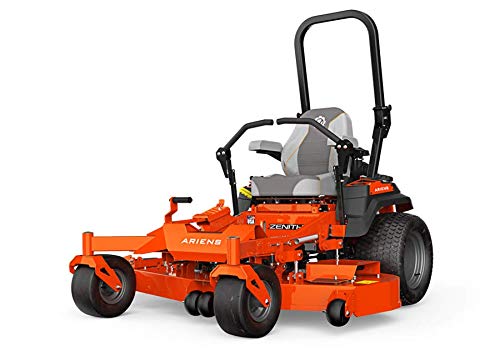
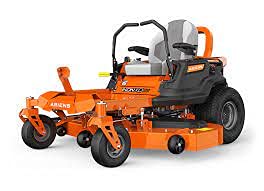

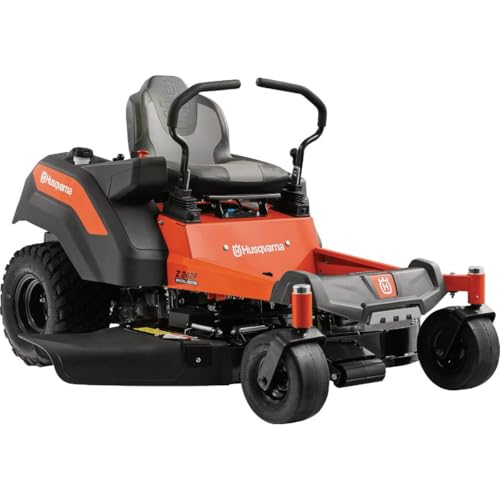

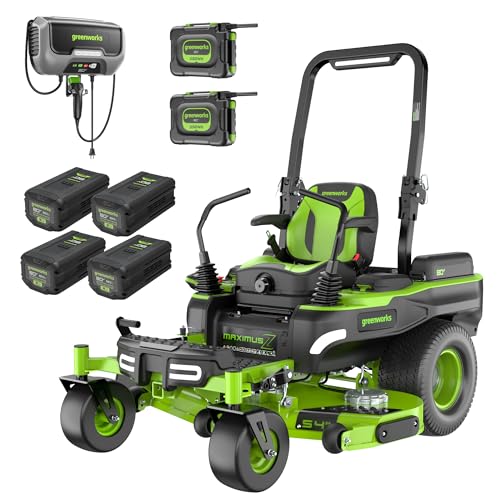
Types of Commercial Zero Turn Lawn Mowers Compared
Every commercial zero turn steers with two lap bars, one per rear drive wheel, so it can pivot inside its own length. What changes between types is where the operator sits, where the deck hangs, and how the machine fits gates, trailers, and hills. If you are new to the format, our guide to the best zero turn lawn mowers explains the steering basics. Crews stepping up from homeowner duty can compare the best residential zero turn lawn mowers to see where duty ratings split.
| Type | Best For | Pros | Cons | Typical Price |
|---|---|---|---|---|
| Mid mount | Open acreage and sports fields | Fastest ground coverage, wide deck choices | Long and heavy on the trailer | about $6,000 to $13,000 |
| Stand on | Gated yards and dense routes | Compact footprint, quick on and off | Standing all day tires the legs | about $7,000 to $14,000 |
| Front mount | Trim work under trees and fences | Deck reaches under obstacles | Longest overall length | about $8,000 to $15,000 |
Mid Mount Zero Turn Mowers
The mid mount is the classic commercial layout, with the deck under the operator and the engine behind the seat. Decks run about 48 to 72 inches wide, and a fabricated deck welded from thick steel shrugs off the hidden stumps and curb strikes that bend thin stamped decks. Choose it when most stops are wide open and the trailer has room for a long machine.
Stand On Zero Turn Mowers
A stand on mower puts the operator on a sprung platform at the back, which shortens the machine and lets the rider step off in seconds to move a branch or open a gate. The short frame turns tightly around beds, fits more units on one trailer, and gives the operator a clear view over the deck. The trade is leg fatigue on long open runs, so fleets often mix them with seated units for acreage.
Front Mount Zero Turn Mowers
On a front mount machine the deck rides ahead of the front wheels, where the operator can watch the cut line and slide the deck under low branches, fences, and benches. That reach cuts hand trimming time around cemeteries, parks, and orchards, and the deck lifts for blade service without a jack. The cost is overall length, so measure your trailer and your tightest gate before choosing this layout.
Zero Turn Mowers vs Riding Lawn Mowers and Tractors: Which Should You Choose?
A steering wheel tractor and a zero turn both cut big areas, but they earn their money in different places. The zero turn pivots at the end of each pass and holds a straight line at speed, so it finishes obstacle filled lawns far sooner. A tractor instead pulls carts, spreaders, and snow tools, and steers calmly on uneven ground. If towing matters as much as mowing speed, compare the best zero turn riding lawn mowers before you decide, and have the crew try both formats first, since some riders simply prefer a wheel on long straight runs.
How to Choose the Right Commercial Zero Turn Lawn Mower
Start with the route, not the brochure. Shortlist the best commercial zero turn lawn mowers by deck width, drive strength, seat quality, and discharge style, the four points that decide whether a mower fits your stops or fights them. The points below follow the order of the product table above, and our wider guide to the best zero turn mowers covers the homeowner end of the format.
Deck Size and Deck Build
Deck size governs how much ground a crew covers in a day, because width decides how many passes each property takes, and safe speed is set by the grass rather than by the engine. Match width to your gates and trailer first, since a 72 inch deck that cannot pass a gate earns nothing, and build matters as much as width. A fabricated deck holds its shape after impacts, while a stamped deck suits lighter duty. Look for greaseable spindles and a foot operated deck lift.
Drive System and Hill Behaviour
The drive system governs how the mower behaves on hills and how gently it treats turf. Commercial units use separate hydraulic pumps and wheel motors or heavy transaxles, and stronger drives hold a line across a slope instead of drifting downhill. Gentle starts protect wet turf from torn patches. That tight pivot is also why crews love the format around trees and beds, a point covered in our guide to the best zero turn radius lawn mowers, and the same steering sets the limit: rear wheel steering loses grip on wet slopes past about 15 degrees, so route steep banks to a walk behind mower or a tractor.
Seat and Operator Comfort
The seat governs how an operator feels at the end of a long day on rough ground. A high back seat with armrests and a suspension base soaks up the bumps that a rigid seat passes straight to the spine. On bumpy acreage a suspension seat can be worth more than extra deck width, because a tired operator slows down and cuts corners. Check that the seat slides to fit different operators and that the controls fall to hand without reaching.
Mulch, Bag, and Side Discharge Options
Most commercial decks switch between side discharge, mulching, and bagging with a kit. Side discharge spreads clippings fast on rough or tall grass and suits open ground. A mulch kit chops clippings fine on tidy weekly lawns but struggles in wet or overgrown grass. Bagging leaves the cleanest finish around pools and storefronts, yet the catcher fills quickly and adds trips to the truck, so many crews run discharge on big stops and mulch on small ones with the same machine.
Power Source and Fuel Capacity
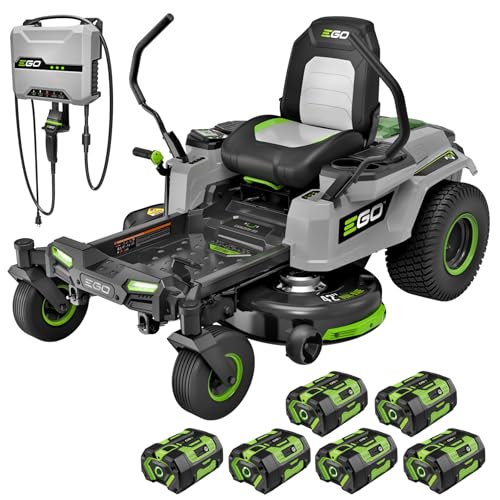
Gas engines still rule commercial work because they refuel in minutes and run all day. Tank size matters more than peak power, and about 5 to 12 gallons covers a full route without a fuel stop. Battery zero turns are appearing for noise sensitive sites such as schools and hospitals, but runtime and spare pack cost still limit them to short routes.
Tips to Get the Most From Your Commercial Zero Turn Lawn Mower
Blade safety comes before every tip: switch the engine off, take the key out, and wait for the blades to stop before you reach under a deck or clear a clog. Keep blades sharp and balanced, since a dull edge tears grass and invites disease. Never cut more than one third of the grass height in one pass.
- Blow grass off the deck and cooling fins at the end of each day.
- Grease spindles and check belt tension during the weekly shop visit.
- Store the mower under cover so rain stays out of the fuel and wiring.
Frequently Asked Questions
How long does a commercial zero turn mower last?
A commercial zero turn mower typically lasts about 1,500 to 2,500 engine hours, which is roughly five to eight seasons of full time route work. The hour meter, not the calendar, tells the truth about wear. Engines often outlast decks and drive parts, so light parts can end the machine early. Keep dated service records; documented care raises resale value when the unit rotates out of the fleet.
How often should mower blades be sharpened on a commercial route?
Sharpen or swap blades about every 20 to 25 hours of cutting, which is weekly for most full time crews. Sandy soil and scalped edges dull an edge much faster, so check the cut daily for torn, pale grass tips. Many shops rotate two or three balanced sets per mower, so sharpening never holds up a route. Always balance a blade after grinding, since an unbalanced blade vibrates and wears spindle bearings.
What deck size suits a crew cutting five acres a day?
A 60 inch deck suits about five acres a day, and a 72 inch deck pays off only when gates and trailers allow it. As a rough guide, a 60 inch deck covers about three acres an hour on open ground. Obstacles, trimming, and loading time cut that figure sharply, so route shape matters more than raw width. Measure your narrowest gate before ordering.
Are battery zero turn mowers ready for full commercial routes?
Not yet for most full day routes, though they already suit short, noise sensitive stops. A battery unit can cut for about one to three hours per charge depending on grass and deck size, so a full route needs spare packs and a charging plan. Running costs are low, with no fuel or oil to manage. Gas remains the practical default until pack prices fall and swap systems become standard.
Can a commercial zero turn mower handle wet grass?
It can, but wet grass punishes both the cut and the machine. Clippings clump, stick under the deck, and drop in mats that smother the lawn, so raise the deck a notch and slow down. Scrape the deck underside after wet work, since packed grass holds moisture against the steel and speeds rust. Where the schedule allows, save the wettest lawns for later in the day.
Final Thoughts
For most crews, the best commercial zero turn lawn mowers are the ones whose deck fits the gates, whose drive holds the hills, and whose seat keeps the operator fresh. Settle the format with the types section, confirm the details against the product table above, and buy the strongest dealer support you can. A slightly plainer mower with same day parts beats a fancy one parked for a week.
