
Best Comfortable Steel Toe Work Boots for 2026: Types Compared and How to Choose
Disclosure: We may earn a commission when you buy through links on this page, at no extra cost to you. As an Amazon Associate I earn from qualifying purchases. Learn more

Compare the best comfortable steel toe work boots by type, toe room, weight, and waterproofing, with price bands and fit tips for long shifts on hard floors.
Safety boots all promise protection, but they split into different shapes: tall lace up boots, loose pull on styles, sneaker like safety shoes, and hiker style boots. Picking the wrong type is why so many pairs of best comfortable steel toe work boots end up back in the box after one shift. This guide compares the types first, so the comfort checks that follow have a frame.
After the types, we cover what keeps a rated boot comfortable for ten hours: the label rating, weight, toe box room, cushioning, waterproofing, and socks. The comparison table below gives the short version of each type.


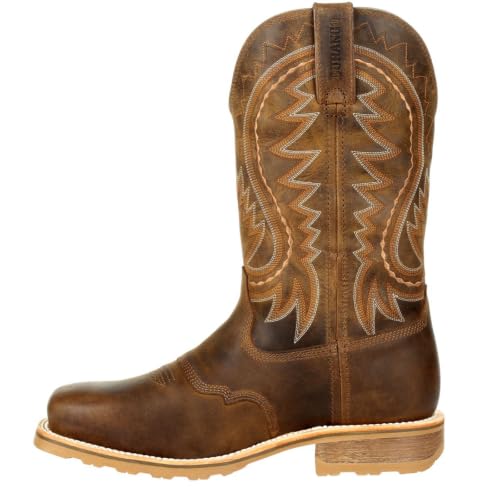
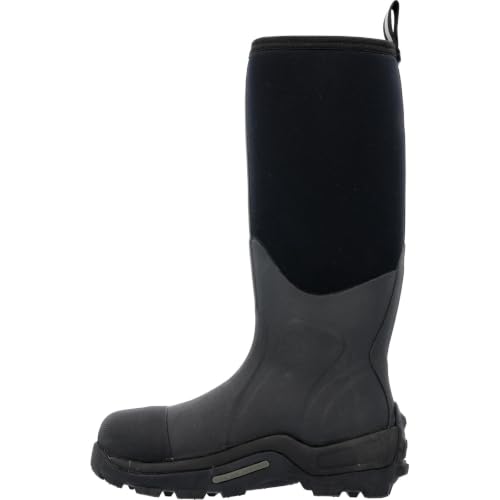
Types of Comfortable Steel Toe Work Boots Compared
Our general guide to the best steel toe work boots covers every safety class. This article narrows the field to types you can realistically wear for a full shift, judged on fit and comfort as much as protection.
| Type | Best For | Pros | Cons | Typical Price |
|---|---|---|---|---|
| Classic lace up boots | Mixed job sites, daily wear | Adjustable fit, durable leather, strong ankle support | Heavier, longer break in | about $120 to $220 |
| Pull on boots | Wet yards, frequent changes | Fast on and off, no laces to soak | Looser heel hold, fewer widths | about $110 to $200 |
| Athletic safety shoes | Warehouses and light duty | Light, flexible, easy to walk in | Less ankle support, shorter life | about $80 to $150 |
| Hiker style boots | Outdoor crews, rough ground | Grippy soles, padded collars | Bulky for driving, warm in summer | about $100 to $190 |
Classic Lace Up Boots
The lace up boot is the default for a reason. Laces let you tune the fit across the instep and ankle, and full grain leather uppers shrug off sparks, gravel, and years of kneeling. Six and eight inch heights cover most indoor work and uneven ground. The costs are weight and patience: a leather pair asks for a real break in and is never the lightest option here.
Pull On Boots
Pull on boots, often called wellingtons on site, trade laces for speed. They slip on in seconds, shed mud and water with no lace holes, and wipe clean easily. The trade is hold: without laces the heel moves more with each step, and many styles come in one width only. If your work is mostly standing rather than walking miles, that trade is usually worth it.
Athletic Style Safety Shoes
Athletic safety shoes put a steel toe inside a sneaker shaped package. They are the lightest and most flexible option, with cushioned soles built for concrete floors and constant walking, so warehouse and light manufacturing crews prefer them. The limits are real: low cut uppers give the ankle no support, and the pair wears out faster under heavy site work. Choose them for indoor miles, not demolition or rough ground.
Hiker Style Boots
Hiker style boots borrow their shape from trail footwear: padded collars, deep lug soles, and lasts built for walking. They suit outdoor crews on rough or sloped ground who want ankle support. Synthetic and leather mixes keep weight moderate and shorten the break in. They run warm in summer and feel bulky on pedals, so drivers who climb in and out of a cab often prefer the athletic style instead.
Lace Up Boots vs Pull On Boots: Which Should You Choose?
Compare the two on the points that decide a shift. Fit control goes to lace ups, because laces adjust where a pull on cannot. Speed goes to pull ons, which win every start of shift and every muddy boot change. Ankle support favours a tall lace up, while wet work favours the seamless pull on upper.
If you walk long distances at work, pick the lace up; if you stand, drive, or change boots often, the pull on usually feels better by Friday. If you do not need a tall boot at all, compare shorter styles in our guide to best comfortable steel toe boots.
How to Choose the Right Comfortable Steel Toe Work Boot
Once the type is settled, the best comfortable steel toe work boots are separated from the rest by the checks below, in this order.
Read the Safety Rating on the Label First
Protection is read from the rating printed on the label inside the tongue, never from how tough a boot looks. That label states the impact and compression class the cap was tested to, plus any added classes such as electrical hazard protection or puncture resistant plates. Match the label to your job rules first, because many sites require a specific rating and will send the wrong boot home. Comfort features only matter once the rating is right; a soft boot with the wrong label is a failed purchase.
Weight: Steel Protects, but It Is the Heavier Cap
A steel cap is heavier than a composite cap, and a full steel toe pair commonly weighs about 3.5 to 5 pounds, which your legs notice across ten thousand steps. Steel remains the proven, slimmer option; composite caps save weight for walking heavy jobs. The toe box governs comfort as much as weight: your toes should never touch the cap edge when you walk downhill or kneel, because a cap you can feel is a cap fitted too small.
Fit, Sizing, and Toe Box Room
Measure your feet in the afternoon, when they are at their largest, and shop in the socks you work in. Leave a thumb width in front of your longest toe, and check that the widest part of your foot sits in the widest part of the boot, not spilling over the sole edge. Taking a wide size beats sizing up in length, which moves the flex point to the wrong place. Our guide to best steel toe work boots for men breaks down the broad width ranges by trade.
Cushioning, Arch Support, and Replaceable Insoles
Comfort over a shift is mostly built under your foot. A cushioned midsole softens concrete, and support should match your arch: flat feet do better with firmer support that limits inward rolling, while high arches want more cushion. The smartest comfort feature is a removable insole, because you can replace it when it flattens without replacing the boot. A modest heel to toe drop suits most walkers.
Waterproofing and Breathability
A waterproof membrane keeps rain, puddles, and slush out, which for outdoor crews is the difference between dry socks and a miserable afternoon. The same membrane slows drying once water gets in over the top and makes the boot warmer, so hot indoor work feels better in a breathable non waterproof build; decide from your wettest normal day. For jobs in standing water, compare the deeper waterproof builds in our guide to best work boots waterproof steel toe.
Work Socks Complete the System
The sock is part of the comfort system, not an afterthought. A cushioned work sock pads where toes meet the cap, manages moisture, and fills small fit gaps that cause rubbing. Cotton socks hold sweat and go cold, so choose blends made for work boots and carry a spare pair for long shifts. Our guide to best work socks for steel toe boots covers heights and cushion levels by job.
Setup and Care Tips
Break new boots in over short shifts first, a few hours at a time, before trusting them to a full week. Air dry wet boots at room temperature away from direct heat, which cracks leather and weakens adhesives, and stuff them with newspaper overnight. Rotating two pairs day about lets each pair dry fully and stretches the life of both.
Brush off concrete dust before it dries into the stitching, and replace flattened insoles about every 6 to 12 months of daily wear. Retire a boot when the tread runs smooth, the upper splits over the cap, or the toe takes a serious impact, even if the damage is hard to see.
Comfortable Steel Toe Work Boots: Your Questions Answered
Are expensive comfortable steel toe work boots worth it?
Sometimes, but know what the money buys. Higher prices pay for better leather and insoles that stay springy longer. They do not buy a higher safety rating, because a budget boot with the right label protects to the same tested class. Six days a week, durability usually repays the difference; for occasional site days, a mid price pair and fresh insoles serve just as well.
How long is the break in period for steel toe work boots?
Leather lace up boots usually take about one to two weeks of wear to soften around the ankle and flex points. Athletic styles feel ready at once, while stiff pull ons take longer because you cannot adjust them. Learn the distinction: pressure that fades each day is normal break in, while sharp pain, numb toes, or a cap edge you can feel means the fit is wrong and wear will not fix it.
Do I need waterproof steel toe work boots for indoor work?
Usually not. Indoor crews deal with spills at ankle level at most, and grip plus easy cleaning matter more than a membrane. Waterproof boots run warmer and dry slowly, which can mean damp feet from your own sweat by mid shift. Choose waterproofing only for rain, hose wash downs, or standing liquid; otherwise spend the money on a better insole and spare socks.
How often should I replace my comfortable steel toe work boots?
Most daily wearers replace work boots about every one to two years. Replace sooner when the tread is smooth, the midsole feels flat, or the leather cracks over the toe. One rule overrides the calendar: after any heavy impact on the cap, retire the pair even if it looks undamaged, because a deformed cap may not protect twice. Keep the rating label details in case your employer replaces boots on a scheme.
Can I wear steel toe work boots all day?
Yes, with the right fit and a little planning. A correctly sized pair with good socks should manage a full shift, though the first week is hardest. Alternating pairs and changing socks at lunch both help tired feet. If foot pain persists after fit, sock, and insole changes, or numbness keeps returning, talk with a clinician rather than simply buying a softer boot.
Final Thoughts
Start with the rating on the label, then pick the type that matches your ground and your miles, then tune comfort with fit, cushioning, and socks. The product table above shows typical costs, so you can shortlist before trying anything on. Choose in that order and the best comfortable steel toe work boots for your job will still feel right months from now, not just in the store.


