
Best Comfortable Steel Toe Shoes of 2026: Complete Buying Guide
Disclosure: We may earn a commission when you buy through links on this page, at no extra cost to you. As an Amazon Associate I earn from qualifying purchases. Learn more

Choose comfortable steel toe shoes that protect without hurting, covering fit, break in, cushioning, weight, and workplace safety standards.
Finding best comfortable steel toe shoes means balancing protection with all day comfort, because a heavy, stiff shoe can cause as much trouble as it prevents. The right shoe should guard your toes, support your feet, and still feel reasonable after a full shift. This guide explains how to judge that balance.
Steel toe shoes are worn on building sites, in warehouses, and in factories where falling objects and crush risks are real. They must meet safety standards for your workplace, and they must fit well enough to wear for hours. The sections below cover protection, fit, and break in. The comparison table below gives a quick overview of the main types before the detailed guidance that follows.


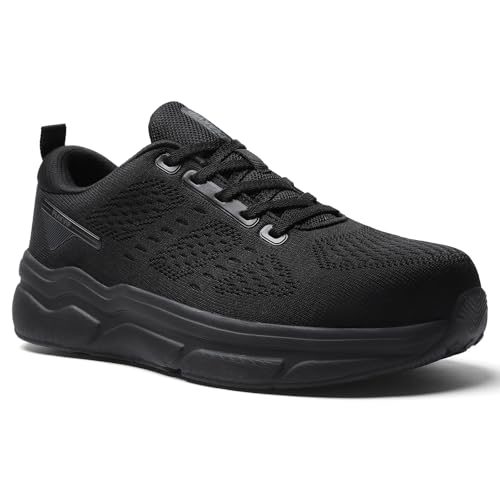
Who Should Buy Best Comfortable Steel Toe Shoes
Workplace and shift length change which steel toe shoe will feel comfortable.
For Warehouse Workers
A warehouse worker walks, lifts, and stands on concrete for long shifts. Cushioning and a stable sole matter as much as toe protection. Look for a shoe that meets your site safety standard and still feels supportive late in the shift.
For Construction Workers
A construction worker needs durable uppers, good grip on varied surfaces, and protection from site hazards. Weight matters on long days, so compare shoes by feel as well as specification. Check that the shoe suits your site rules for sole and upper protection.
For Factory and Workshop Staff
Factory staff often stand at benches or machines for long periods. A stable base and comfortable insole help with standing fatigue. Ensure the shoe fits well with any required overshoes or protective clothing.
Types Compared
Steel toe shoes come in several forms, and each one suits a different work pattern.
| Type | Best For | Typical Price |
|---|---|---|
| Steel Toe Work Shoes | General site work | about $80 to $160 |
| Steel Toe Boots | Rough terrain | about $100 to $200 |
| Lightweight Safety Shoes | Long indoor shifts | about $90 to $170 |
Steel Toe Work Shoes
Steel toe work shoes look like sturdy trainers or oxfords and suit general site and warehouse work. They are lighter than boots and easier to wear all day. They offer less ankle support than boots, so they suit flatter, more predictable surfaces.
Steel Toe Boots
Steel toe boots add ankle support and tougher uppers for rough ground and outdoor work. They suit construction and outdoor sites. They are heavier, so break in time and weight deserve careful attention.
Lightweight Safety Shoes
Lightweight safety shoes use modern materials to reduce weight while keeping toe protection. They suit long indoor shifts where every gram matters. Check that lighter materials still meet your workplace safety standard.
Key Features to Compare
These features decide whether a steel toe shoe protects well and stays comfortable.
Toe Protection and Standards
Toe protection must meet the safety standard required by your workplace, so check the rating label before buying. Steel caps are durable and affordable, while composite caps are lighter. The standard matters more than brand claims, so confirm it with your safety officer if unsure.
Fit and Break In
Fit is critical with a rigid toe cap, because a short or narrow shoe will press toes all day. Try shoes in the afternoon with work socks, and allow a gradual break in period. A shoe that hurts in the shop will not improve enough on site.
Cushioning and Insoles
Cushioning should support the whole foot, not just soften the heel. Removable insoles let you add support for your foot shape. Replace worn insoles promptly, because flat insoles increase fatigue on concrete floors.
Weight and Sole Grip
Weight affects fatigue over a long shift, so compare shoes by wearing them, not just by listed weight. Sole grip matters on wet, oily, and dusty surfaces. Check tread depth and replace shoes when tread becomes smooth.
Price and Value
Budget shoes around $80 to $120 suit occasional site work and first time buyers. They meet basic safety standards but may be heavier and stiffer. They are a sensible start if you are new to safety footwear.
Mid range shoes around $120 to $180 suit daily workers who need comfort and durability. They usually offer better cushioning, lighter materials, and sturdier build. Most daily workers will find the best balance here.
Premium shoes around $180 to $250 suit workers with long shifts or specific fit needs. They often add advanced cushioning and lighter caps. Spend at this level if you wear safety shoes every day for many hours.
Fit, Setup, and Everyday Care
Break in new steel toe shoes gradually, starting with shorter periods and checking for pressure on toes and heels. Wear your usual work socks during break in, and lace shoes firmly but not so tight that circulation is restricted. Clean uppers and soles after dirty shifts, and dry shoes away from direct heat.
Inspect toe caps, soles, and stitching regularly, and replace shoes if the cap is dented, the sole is worn smooth, or the upper is cracked. Damaged safety footwear may no longer protect as intended. Keep a spare pair if your work depends on daily site access.
Seek prompt care for persistent foot pain, numbness, swelling, or a crush injury, and follow your workplace injury reporting rules after any impact to the toe area. A safety shoe reduces risk, but it does not replace site safety procedures or medical care after an injury.
Mistakes to Avoid
Avoid these mistakes to get steel toe shoes that protect and stay wearable.
- Buying a size that presses toes against the rigid cap.
- Skipping break in and wearing new shoes for a full long shift.
- Choosing a shoe without confirming your workplace safety standard.
- Ignoring sole wear, which reduces grip on wet and dusty surfaces.
- Keeping damaged shoes after a dent or cracked upper.
Related Guides
For a wider look at protective footwear, compare best steel toe shoes, best comfortable steel toe work boots, best steel toe shoes for women, and best steel toe shoes for men. Each explains how fit and cap choices change for a different wearer.
Frequently Asked Questions
How should steel toe shoes fit?
They should leave room for toes to move inside the cap without pressing, with a secure heel and midfoot. Try them in the afternoon with work socks, and walk on a hard surface. If toes touch the cap when walking downhill or crouching, try a larger size or wider fit.
Are steel toe or composite toe shoes more comfortable?
Composite caps are usually lighter, which helps on long shifts, while steel caps are often cheaper and very durable. Comfort depends more on fit, weight, and cushioning than on cap material alone. Choose the cap that meets your workplace standard and fits best.
How long does break in take?
Break in usually takes several shorter wears over one to two weeks, depending on upper material. Leather uppers soften gradually, while synthetic uppers change less. If pain is sharp or persistent, the fit is likely wrong rather than just stiff.
Can I add insoles to steel toe shoes?
Yes, if the shoe has a removable insole and the replacement does not make the fit too tight. Test the combination over several shifts. If toes press the cap after adding insoles, the shoe size or insole thickness needs adjusting.
When should I replace steel toe shoes?
Replace them after a significant impact, if the cap is dented, if the sole is smooth, or if the upper is cracked. Regular inspection matters, because damage may not be obvious from outside. Follow your workplace replacement guidance as well.
Final Thoughts
The best comfortable steel toe shoes are the ones that meet your safety standard and still feel steady at the end of a shift. The product table above is a useful starting point, and the sections in this guide explain how to weigh each factor for your own situation.
If foot pain, numbness, or swelling persists, talk with your clinician about fit and foot care.


