
Best Breathable Steel Toe Boots of 2026: Complete Buying Guide
Disclosure: We may earn a commission when you buy through links on this page, at no extra cost to you. As an Amazon Associate I earn from qualifying purchases. Learn more

Compare the best breathable steel toe boots by airflow, fit, cushioning, and traction in this guide to cooler safety footwear for long work shifts.
Safety footwear protects your toes, but a sealed boot on a hot shift can leave your feet soaked in sweat by midday. Hot, damp feet blister faster, smell worse, and make the last hours of a shift feel far longer than they should. The best breathable steel toe boots solve that problem by pairing a protective steel cap with uppers and linings that let heat and moisture escape.
This guide walks you through the materials, fit details, and outsole choices that decide how cool a boot actually feels on the job. Use the comparison table below to scan your options, then read on for the details that help you pick the right pair.


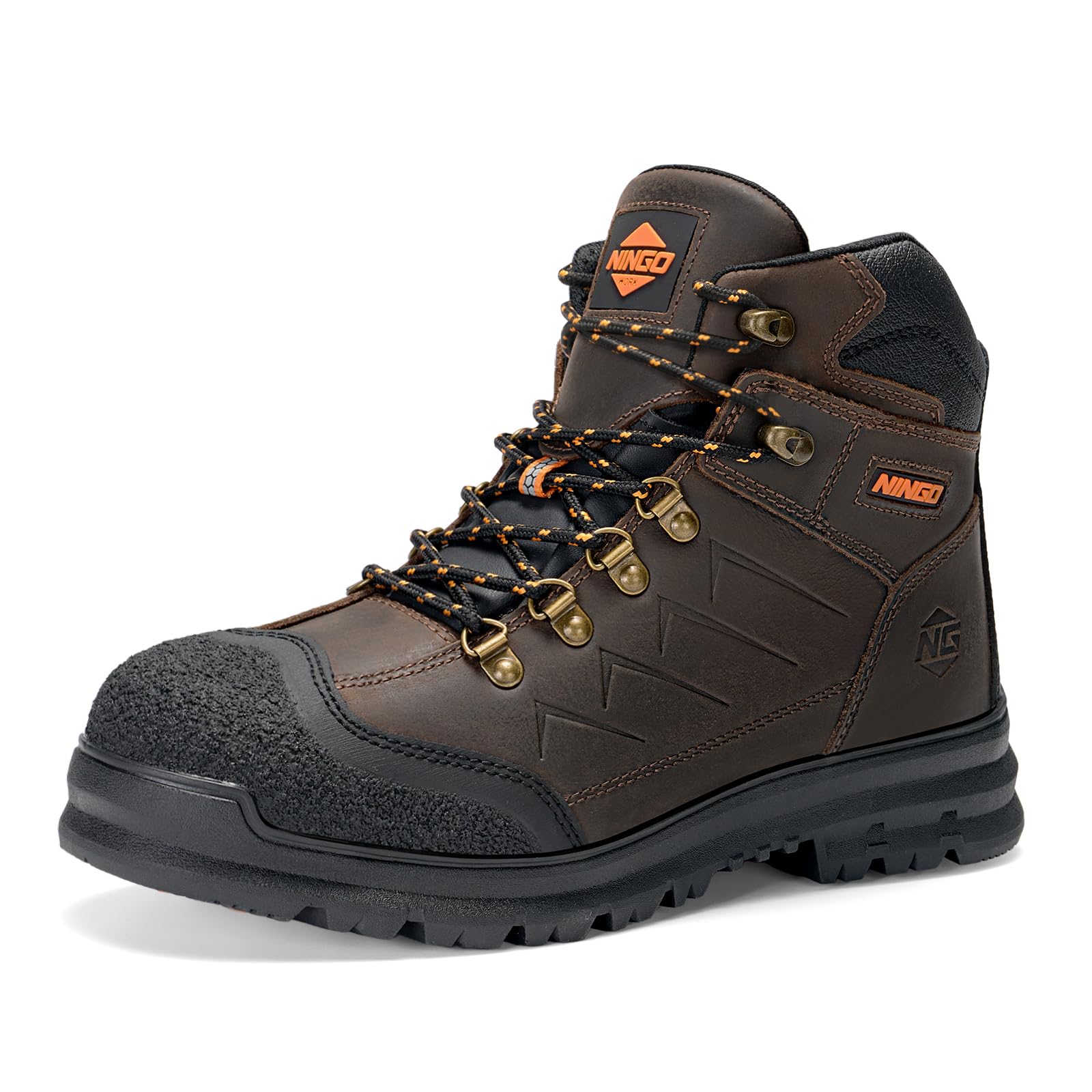


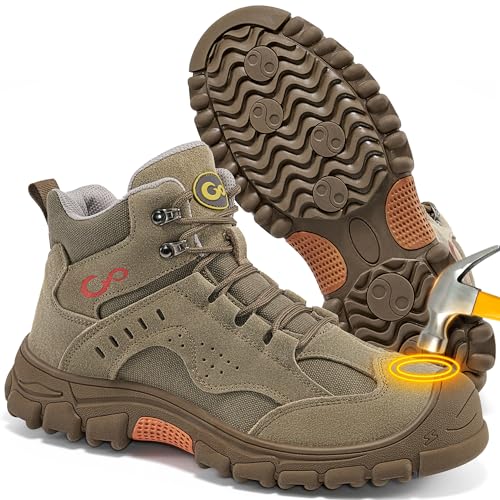
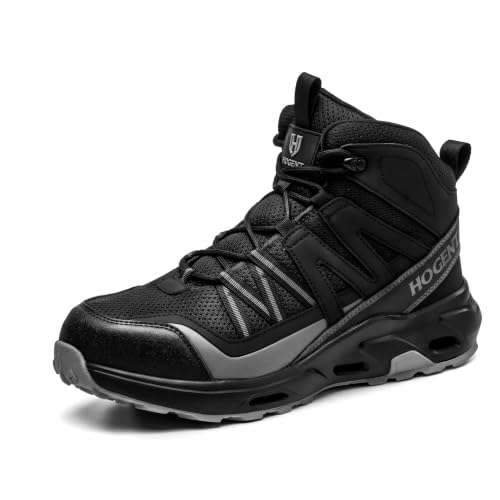
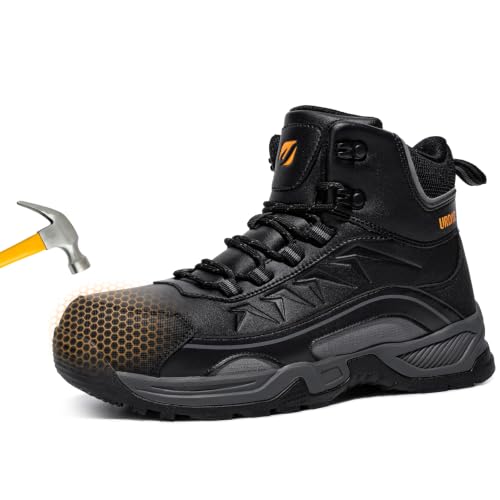
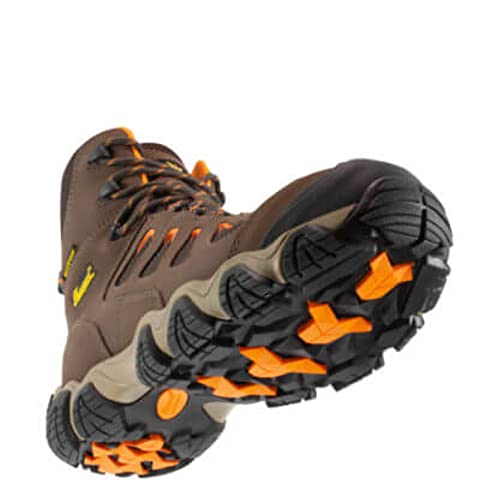

Who Should Buy Breathable Steel Toe Boots?
Breathability matters most when heat, long hours, and hard floors combine. The three groups below feel the biggest difference when they trade a heavy, sealed boot for one built to move air.
Warehouse and Factory Workers in Warm Buildings
If you work around ovens, loading docks, or machinery that throws off heat, your boots trap warm air all shift long. Look for mesh panels in the upper, a lining that pulls moisture away from your skin, and a roomy fit that does not squeeze swollen feet by the end of the day. For more work focused options, see our guide to the best breathable steel toe work boots.
Outdoor Crews Working Through Summer
Roofers, landscapers, road crews, and delivery drivers spend hours in direct sun, so a dark leather boot can feel like an oven. A lighter colored upper with ventilated panels keeps feet cooler, and a sole with real tread handles gravel, grass, and wet pavement. If your employer requires a traditional boot shape, start with our guide to the best steel toe work boots and then narrow by breathability.
Retail, Logistics, and Light Industrial Staff on Their Feet All Day
Stockroom staff, couriers, and assembly workers walk miles on concrete and still need rated toe protection. For this group, cushioning and low weight matter as much as airflow, because sore arches end a shift just as surely as hot feet do. An athletic style safety shoe with a steel cap often suits this work better than a tall, stiff boot.
How to Choose the Best Breathable Steel Toe Boots: Buying Guide
The product table above gives you a quick view of styles and features, but the seven factors below decide how a pair feels after eight hours, not just in the first five minutes. Work through them in order and you will narrow the field fast.
Fit, Sizing, and Toe Box
Measure your feet in the afternoon, when they are at their largest, and try boots on with the socks you actually wear to work. Your toes should wiggle freely inside the cap without pressing against the steel, with about a thumbs width of space in front of your longest toe. Steel caps do not stretch, so a boot that pinches on day one will still pinch on day ninety. Widths vary a lot between brands, a point our guide to the best steel toe boots for men covers in more depth.
Waterproofing, Gore Tex, and Membranes
A waterproof membrane such as Gore Tex keeps rain and puddle water out, but every layer that blocks water also slows the escape of sweat vapor. That trade off is worth it for outdoor crews in wet climates and a poor bargain for indoor workers who never see rain. If your job is dry but hot, skip the membrane and choose an unlined or lightly lined boot, since open airflow cools far better than any membrane can.
Weight and Flexibility
Every extra ounce at the end of your leg costs energy with each step, and a shift can mean thousands of steps. Boots under about two pounds per boot usually feel noticeably easier by late afternoon. Flex matters too: a sole that bends at the ball of your foot lets you walk naturally, while a board stiff sole forces a gait that tires your calves. Balance that flex against protection, because very soft soles offer less support under ladders and uneven loads.
Upper Materials and Breathability
Mesh and engineered knit uppers move the most air and dry the fastest, which makes them the coolest choice for indoor and dry outdoor work. Full grain leather breathes modestly and shrugs off abrasion, sparks, and rough edges far better, so it suits demolition and rough sites. Many boots split the difference with leather at the toe and heel and mesh through the midfoot, a layout that works well for mixed duties.
Break In Period and Comfort Out of the Box
Knit and mesh styles usually feel comfortable right away because the upper flexes with your foot from the first wear. Leather boots need a gradual break in, often a week or two of short wears before a full shift, as the material shapes itself around your heel and ankle. Keep a proven pair in rotation until the new ones stop rubbing anywhere.
Outsole Traction and Terrain
Deep lugs grip gravel, mud, and loose soil but can feel squirmy on smooth concrete and pick up debris. Shallow, wide tread with siping grips wet tile, sealed floors, and metal decking more securely. Rubber outsoles generally outlast foam ones and resist oils better, which matters around kitchens, garages, and machine shops. Match the tread to the floor you walk most.
Arch Support and Foot Type
Flat feet tend to roll inward as they tire, so a boot with a firm heel counter and a supportive insole helps keep your stride stable. High arches need more cushioning under the heel and forefoot because the foot absorbs shock less evenly on its own. Most factory insoles are thin foam, so plan on a quality aftermarket insole if you have a specific foot type. If foot pain persists beyond normal tiredness, talk with a clinician about your personal needs.
Fit also differs by foot shape, and women often find that a boot built on a womens last, with a narrower heel and lower instep, prevents the heel slip that unisex sizing can cause. If that sounds familiar, see our guide to the best women's steel toe boots.
Types of Breathable Steel Toe Boots
Breathable safety footwear falls into a few broad families. Knowing which family fits your job makes the rest of the decision much easier.
Neutral Cushioned Styles
Neutral shoes and boots offer balanced cushioning without correction for how your foot rolls, and they suit walkers with normal arches or high arches. The heel to toe drop on these styles usually sits in a moderate range, which keeps your stride feeling natural on flat floors. They are a safe starting point if you have no known gait issues.
Waterproof Boots
Waterproof boots pair the steel cap with a sealed membrane and gusseted tongue to keep water out in rain, mud, and washdown areas. You give up some airflow, so feet run warmer, but dry socks on a wet site are worth that cost. Choose this family if you work outdoors year round or move between wet and dry areas in one shift.
Lightweight Athletic Styles
Lightweight shoes borrow their shape from running and training shoes, with knit or mesh uppers, foam midsoles, and a low cut that frees your ankle. They run the coolest of all and suit indoor work, driving, and jobs with lots of walking on finished floors. The trade off is less ankle support and abrasion protection, so they are a poor match for heavy construction.
Appearance plays a role for some buyers too, especially if you move between a jobsite and client facing work in the same day. If a cleaner look matters alongside safety, see our guide to the best looking steel toe boots.
Common Mistakes to Avoid
- Buying your regular shoe size without checking the fit, because a steel cap removes all stretch and a tight toe box causes blisters and numb toes.
- Choosing a waterproof membrane for a hot indoor job, because the sealed lining traps sweat and leaves your feet wetter than a plain mesh boot would.
- Judging comfort in the first five minutes, because thin factory insoles and stiff new leather can feel fine in the store and miserable by hour six.
- Wearing thin cotton socks, because cotton holds sweat against your skin and turns a breathable boot into a damp one.
- Ignoring the outsole pattern for your floor, because deep lugs on polished concrete reduce contact and make slips more likely.
- Keeping one pair for every day with no rotation, because foam midsoles need rest time to recover their cushioning between shifts.
How to Make Your Breathable Steel Toe Boots Last Longer
A few simple habits protect both the airflow and the cushioning you paid for, and they cost almost nothing.
- Pull the insoles out after each shift and let the boots air dry in open air, away from direct heat, so the mesh and lining dry fully before the next wear.
- Rotate two pairs on alternate days, which gives the midsole foam time to rebound and cuts odor by letting each pair dry completely.
- Brush dried dirt off mesh and leather weekly, because packed grime clogs the pores that let air move through the upper.
- Replace worn insoles every six months or so, since fresh cushioning restores comfort long before the boot itself wears out.
- Check the outsole and toe area monthly, and retire the boot if the tread is smooth, the upper splits near the cap, or the steel toe shows damage after an impact.
- Lace from the bottom with even tension and use the top eyelets, because a secure heel prevents the sliding that wears out linings and causes blisters.
Frequently Asked Questions
How often should you replace breathable steel toe boots?
Most workers replace breathable steel toe boots every six to twelve months of full time wear. Mesh uppers and foam midsoles wear faster than leather and rubber, so heavy use shortens that window. Replace your pair sooner if the cushioning feels flat or the tread no longer grips your usual floor. Any boot that takes a heavy impact on the toe should be retired at once, even if the damage is hard to see.
How should breathable steel toe boots fit?
Breathable steel toe boots should fit snugly at the heel and midfoot with clear space in front of your toes. Your foot should not slide forward when you walk downhill or down stairs, and your toes should never touch the steel cap. One detail many buyers miss is sock thickness: a padded work sock can take up half a size, so always judge fit while wearing the socks you plan to work in.
Are expensive breathable steel toe boots worth the money?
Higher priced breathable steel toe boots can be worth it when the extra cost buys a better membrane, a rubber outsole, or a shaped insole you would otherwise buy separately. Price alone proves nothing, though, because some costly boots spend the budget on styling rather than airflow or support. Compare the features in the product table above against your own must have list, and let that match make the decision.
Can you wear breathable steel toe boots all day?
Yes, you can wear breathable steel toe boots for a full shift when the fit and support match your feet. Small habits help a lot: change into dry socks at lunch on very hot days, and loosen and retie your laces mid shift as your feet swell. If your feet still ache badly every day, the issue is usually fit or arch support rather than the boot category itself.
How long is the break in period for breathable steel toe boots?
The break in period for breathable steel toe boots ranges from almost none for knit styles to about two weeks for full leather uppers. Wear new boots at home for an hour in the evening before trusting them on a shift, which reveals hot spots while you can still change shoes. Never debut a new pair on your longest shift, because a small rub becomes a blister over ten hours.
Do you need waterproof breathable steel toe boots?
You only need waterproof breathable steel toe boots if your work regularly involves rain, standing water, or wet cleanup. For everyone else, the membrane adds warmth and cost without a benefit you will ever use. One middle path worth knowing about is a water resistant treated leather upper, which shrugs off light splashes and brief drizzle while still breathing better than a fully sealed membrane boot.
Final Thoughts
Start with fit, because no amount of airflow fixes a boot that pinches inside a steel cap. Next, match the upper to your conditions: open mesh for hot dry work, a membrane only when water is a real part of your job. Then check that the outsole suits your floor and that the cushioning supports your arches. Compare your shortlist against the product table above, and you will land on the best breathable steel toe boots for the way you actually work. Prices and availability can change, so check the product page before ordering.


