
Best Comfortable Summer Sandals by Budget: Smart Picks for 2026
Disclosure: We may earn a commission when you buy through links on this page, at no extra cost to you. As an Amazon Associate I earn from qualifying purchases. Learn more

Compare the best comfortable summer sandals at every price point. Learn what you get at budget, midrange, and premium levels and where spending more pays off.
Summer sandals span a wide price range, from simple foam pairs around $20 to hand finished leather styles above $150, and the difference is not just branding. Some upgrades genuinely change how your feet feel at the end of a hot day, while others only change the label. This guide explains what each tier delivers so you can find the best comfortable summer sandals for your budget and your plans. Begin with the comparison table below, then read on to see which features deserve your money and which ones you can safely skip.


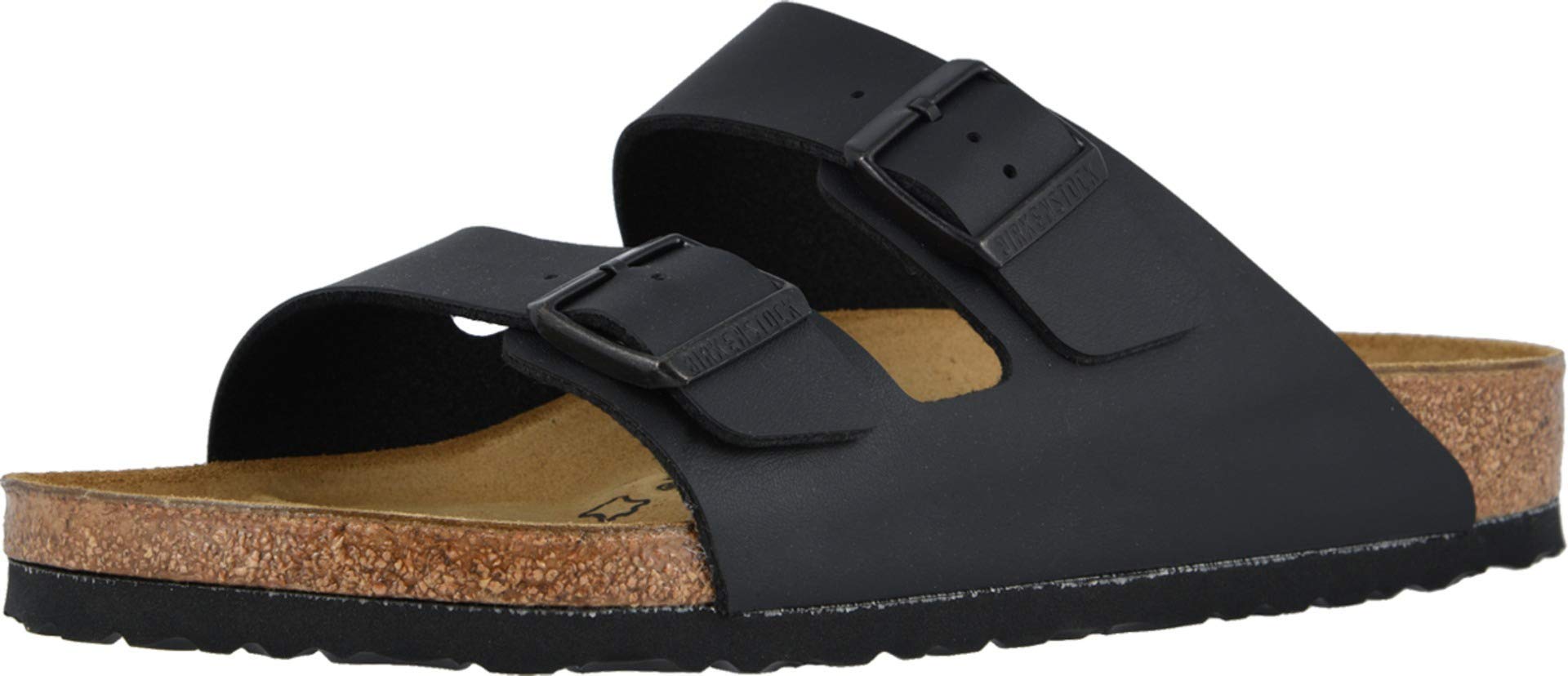

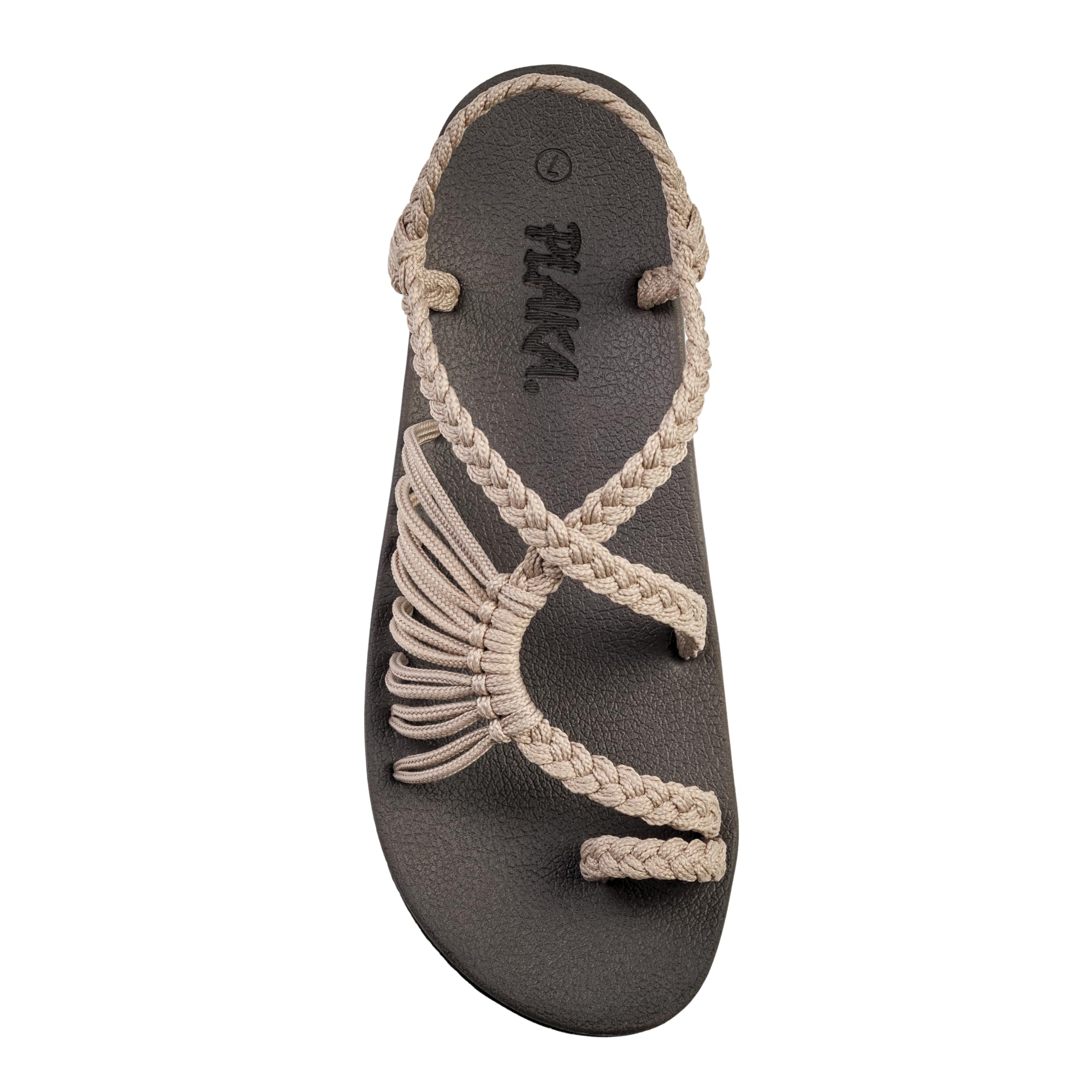


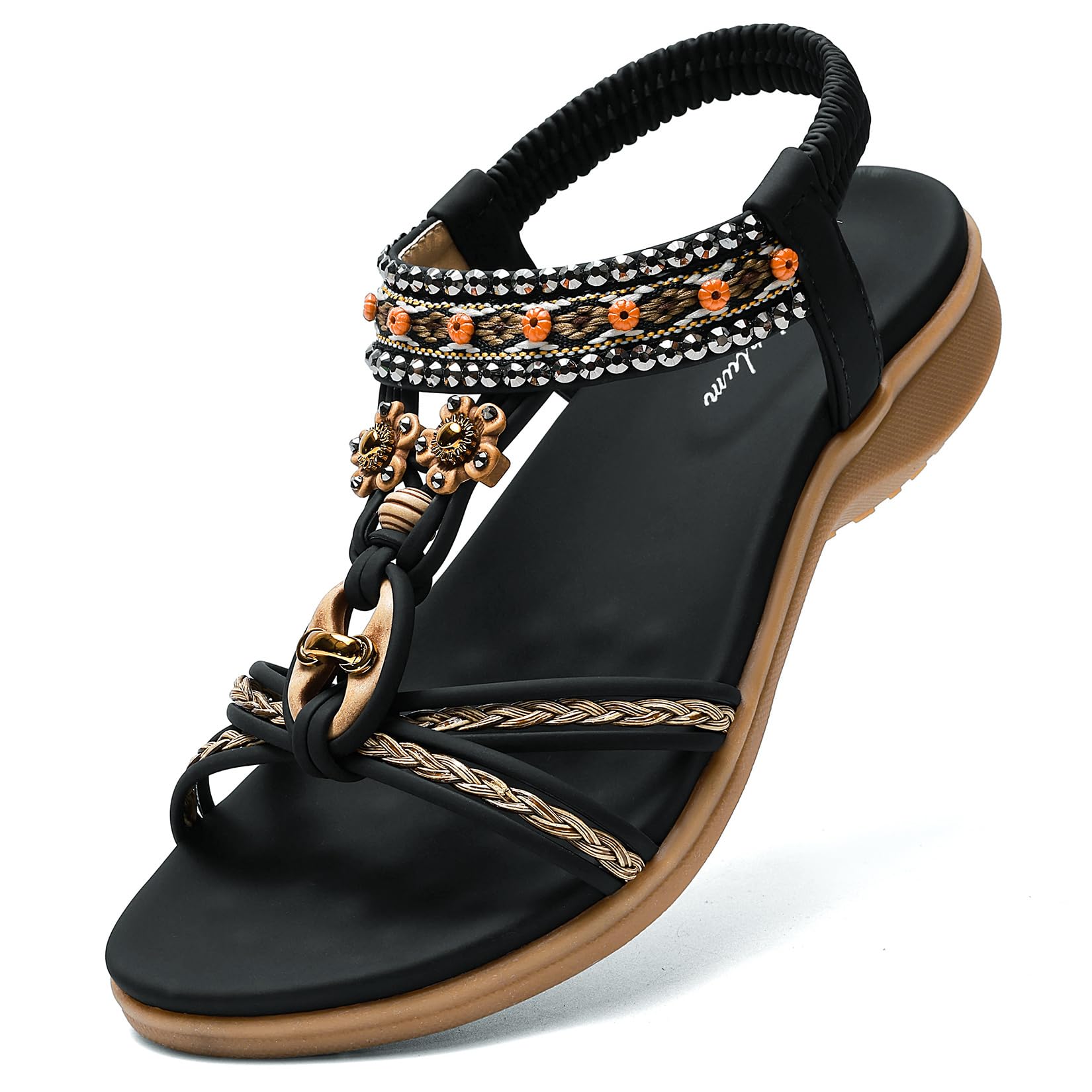
What a Smart Buy Looks Like at Each Budget
This section describes the profile a wise buy matches at each price level. Hold any pair in the product table above up against these profiles before you decide.
The Budget Profile
A strong budget pair, usually around $20 to $40, should offer a molded footbed with at least gentle arch contour, straps that sit flat without sharp edges, and a sole thick enough that you cannot feel gravel through it. Expect foam or synthetic construction and casual styling suited to errands, gardens, and beach days. The compromises are lifespan and support depth, since soft foam compresses within a season of daily use. For a holiday pair or a spare by the door, this profile is plenty. Avoid budget pairs with a completely flat footbed, because they tire feet within an hour of walking.
The Midrange Profile
The midrange tier, around $45 to $85, adds a shaped footbed with a cupped heel, straps in leather or better synthetics, and a rubber outsole with tread that grips wet pavement. This is the tier where all day walking becomes realistic, and styling improves enough for casual dinners and sightseeing photos. You may give up the finest leather and the lightest weight, but comfort per dollar peaks here for most people. If you plan to live in one pair from June to September, shop this tier first and demand adjustable straps.
The Premium Profile
A premium pair, around $95 to $170, should bring full leather straps that mold to your feet, a supportive footbed that keeps its shape for years, and refined styling that works with dresses and tailored shorts alike. Outsoles are thicker and often repairable by a shoe shop. The fair warning is that premium pricing partly buys looks and brand heritage, so test comfort carefully rather than assuming it. Choose this tier when you want one handsome pair for travel that covers markets by day and restaurants by night across several summers.
What Your Money Gets You at Each Price Tier
Budget Tier: What to Expect
At around $20 to $40, materials are foam, rubber, and synthetic straps, with simple shapes and bright seasonal colors. Comfort is decent for short outings, and many pairs tolerate water, which suits pools and beaches. Support is mild, tread is shallow, and straps may stretch by late summer. This tier makes sense for occasional wear, fast growing teens, and travelers who want a light spare pair. Our wider guide to the best summer sandals explains how seasonal styles differ across the whole market.
Midrange Tier: The Sweet Spot for Most Buyers
Between about $45 and $85, footbeds gain real contour, heel cups deepen, and strap materials improve noticeably. Cork and foam blends mold to your footprint over the first weeks, which many walkers find more personal than instant softness. Outsoles gain grip, and hardware like buckles feels sturdier. For daily summer wear with regular walking, this tier balances price, comfort, and looks better than any other. Most buyers should start here and only spend up if a specific need, like dressy events or very long trips, demands it.
Premium Tier: When Spending More Pays Off
Above about $95, spending more pays off in leather quality, footbed longevity, and styling range. Premium pairs often use thicker rubber soles that survive years of pavement, plus straps lined so they never feel scratchy. You also find dressier shapes that still hide a supportive sole. The payoff is real if you wear sandals most days or want a single travel pair that dresses up. If your summers are mostly weekends at home, midrange comfort will feel nearly identical for far less money.
Features Worth Paying For (and Ones to Skip)
Cushioning and Support
Cushioning is worth paying for when it is paired with support, because softness alone bottoms out under body weight. Look for a footbed that combines a firm base with a softer top layer, plus a modest heel to toe drop that keeps your stride natural. Very thick, squishy soles feel fun in the store but can feel unstable on uneven ground. Midrange tiers usually get this balance right. If you mostly stand rather than walk, prioritize a cupped heel and arch contour over extra foam thickness.
Outsole Traction and Terrain
Traction deserves a share of your budget if your summers include wet pool decks, boat docks, or smooth stone streets after rain. A rubber outsole with patterned tread channels water away and grips far better than smooth foam. Lug depth can stay shallow for city use, since deep lugs feel clunky on pavement. Premium rubber compounds grip longer before wearing smooth. For mixed travel that includes light trails, choose a sportier profile from the midrange tier rather than paying premium prices for fashion styling with a flat sole.
Fit, Sizing, and Toe Box
Fit costs nothing extra, yet it decides comfort more than any upgrade. Try sandals late in the day, when heat has swelled your feet to their summer size. Your toes should rest flat in a roomy toe box without gripping the edges, and your heel should sit inside the footbed rim. Adjustable straps at two points solve most fit problems. If you wear different sizes in shoes and sandals, trust the sandal fitting, because open designs feel different. Shoppers focused on walking fit can compare notes in our guide to the best comfortable sandals for walking.
Break In Period and Comfort Out of the Box
Comfort out of the box matters if you are leaving on a trip within days. Foam and fabric strap styles usually feel fine immediately, while leather needs several wears to soften and shape itself. Paying more for leather buys a better long term fit, not instant comfort. A practical approach is buying leather pairs a few weeks before you need them and wearing them at home each evening. Any pair that leaves red marks in the first hour needs strap adjustment or a size change, not more patience.
Arch Support and Foot Type
Arch support is worth real money if you have flat feet, high arches, or sore heels after long days. Flat feet that roll inward do well with firmer contour and a stable heel cup. High arches often prefer more cushion under the heel plus gentle support. Neutral feet can enjoy almost any well shaped footbed. Support features appear from the midrange tier upward in meaningful form, while budget pairs mostly offer shape without structure. Women comparing footbed shapes can also read our guide to the best comfortable sandals for women.
Choosing Comfortable Summer Sandals for Your Situation
Dressy Occasions Such as Weddings: Where Your Money Goes
When you need comfortable summer sandals for a wedding or similar dressy event, your money should go to three things: a padded footbed that survives hours of standing and dancing, straps that look refined while holding the foot securely, and a heel height you can truly walk in on grass and gravel. Metallic leather in the midrange to premium range usually delivers this mix. Skip thin flat dress sandals even if they match the outfit perfectly, because lawn ceremonies and long receptions punish them. A modest block heel or wedge spreads weight and feels steadier than a narrow heel.
Long Term Costs to Factor In
Think beyond the checkout price. A budget pair replaced twice in one summer can cost more than a midrange pair that lasts three seasons. Add small extras such as leather conditioner, replacement buckles or strap repairs at a local shoe shop, and a second pair for rotation if you wear sandals daily. Rotation also lowers total cost over time because each footbed gets rest days to recover its shape. Warranty terms improve as price rises, and some premium makers resole or repair their sandals, which stretches value further. Men running the same math can check our guide to the best comfortable sandals for men, and anyone comparing comfort features across prices can start with our guide to the best comfortable sandals.
Comfortable Summer Sandals: Your Questions Answered
How long is the break in period for summer sandals?
The break in period is typically three to seven wears for leather straps and almost none for foam or fabric styles. Wear new leather pairs around the house first so the straps shape to your feet without a long walk at stake. Mild stiffness is normal, but blisters mean the strap placement or size is off. If a pair still rubs after a week of short wears, exchange it rather than hoping for a change that rarely comes.
How often should I replace my comfortable summer sandals?
Replace them when the tread looks smooth at the heel, the footbed feels flat under the ball of your foot, or straps have stretched enough that your foot slides forward. Daily wearers may reach that point with budget pairs in a single season, while midrange and premium pairs often last three or more summers. Rotating two pairs extends the life of both, since foam and cork recover between wears.
Can I wear comfortable summer sandals all day?
Yes, you can wear them all day when the footbed has real contour, the straps adjust, and the outsole grips the surfaces on your route. Plan for foot swelling in afternoon heat by loosening straps a notch after lunch. Flat fashion sandals are the exception that proves the rule, since they offer neither support nor shock absorption. For sightseeing days, carry a light backup pair only if your main pair is new and still breaking in.
Do I need waterproof sandals for summer?
You need waterproof sandals only if your plans involve frequent water, such as kayaking, beach walks in the surf, or rainy festival grounds. For typical city summers, quick drying materials matter more, and most synthetic pairs dry fast enough after a shower of rain. Leather can handle occasional splashes if dried slowly. Spend the waterproof premium only when water is a daily feature of your plans, not a rare event.
How should comfortable summer sandals fit?
They should fit with the heel inside the heel cup, toes flat with a small margin at the front edge, and straps snug but never tight enough to leave deep marks. Test them on a hard floor and walk briskly, since slow steps hide sliding. Your foot should stay centered when you turn. If you are between sizes, most walkers prefer the larger size in open sandals, because heat swelling uses the extra room by midday.
Are expensive comfortable summer sandals worth it?
Expensive pairs are worth it when you want several summers of wear, dressier styling, and a footbed that keeps its support over time. The extra cost buys leather that molds to your feet and outsoles that resist wear. For a single season of light use, the same money is better spent on a midrange pair plus a budget spare. Judge premium value by seasons of use you realistically expect, not by how the pair feels for five minutes in a store.
Our Verdict
Most shoppers will be happiest in the midrange tier, where shaped footbeds, adjustable straps, and decent grip come together at a fair price. Go budget for spares and beach duty, and go premium when one pair must serve for years and dress up well. Review the product table above with these tiers in mind, and the best comfortable summer sandals for your summer will be easy to spot.


