Best Breathable Steel Toe Work Boots in 2026: Types Compared and How to Choose
Disclosure: We may earn a commission when you buy through links on this page, at no extra cost to you. As an Amazon Associate I earn from qualifying purchases. Learn more

Compare breathable steel toe work boots by upper, cushioning and traction, with a clear checklist for hot shifts and long hours standing at work.
A steel toe keeps your toes safe from falling stock and rolling carts, but a sealed boot can leave your feet hot and damp by midday. The best breathable steel toe work boots pair that hard cap with an upper that lets heat escape. This guide compares the main types so you can read the comparison table below with a clear idea of what suits your site.
Start with your working day. Note how much of your shift is spent standing, walking or climbing, and whether your floor is dry, wet or oily. Those answers decide how open the upper can be, how much cushioning you need and how much grip is enough.


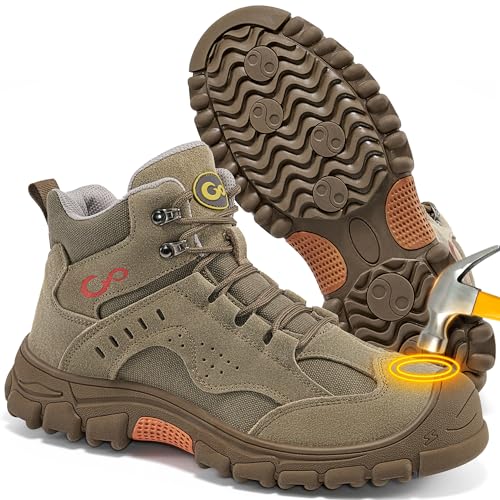


Who Should Buy Breathable Steel Toe Work Boots?
Breathability matters most when heat builds up hour after hour. If heat is not your main problem, see our guide to the best steel toe work boots for the wider range of protective boots.
Warehouse and Factory Workers on Warm Floors
You walk hard floors all shift, often in buildings that hold heat. Choose a boot with large mesh panels and a lining that moves sweat away from your skin. A lighter build reduces the effort of thousands of steps, and a cushioned midsole softens each landing. Dry floors let you pick the most open upper on offer.
Outdoor Crews Working Through Summer Heat
You face sun, dust and uneven ground, so you need airflow without giving up protection. Choose a hybrid upper that mixes leather at wear points with mesh at the sides and tongue. A taller shaft guards your ankle, and a lugged outsole grips soil and gravel. Carry spare socks for very hot days.
Workers Who Stand in One Place for Long Shifts
You stand at a bench, press or counter, so pressure builds under your heel and forefoot. Choose firm cushioning that does not flatten by lunch, plus steady arch support matched to your foot shape. A roomy toe box lets your toes spread as your feet swell late in the day.
Types of Breathable Steel Toe Work Boots Compared
When you compare best breathable steel toe work boots by type, the upper tells you most of the story. Leather blocks scrapes but holds heat, mesh vents heat but wears faster, and membranes block rain while slowing airflow. Match the type to your floor and weather first. Most pairs cost about $90 to $200.
Mesh and Knit Upper Boots for Dry Indoor Work
These boots use woven mesh or knit panels across much of the upper, so warm air leaves with every step. They feel light and need little break in time, which suits warehouse work on clean, dry floors. The trade off is wear, since sharp scrap can damage open fabric. If you like this lighter feel in a lower cut, see our guide to the best breathable steel toe boots.
Leather and Mesh Hybrid Boots for Mixed Work
Hybrid boots place leather where the upper takes knocks, at the toe, heel and lace area, and mesh where heat builds, along the sides and tongue. You gain airflow over a full leather boot while keeping decent scuff resistance for site and yard work. For most buyers who split time indoors and outdoors, this balance is the safest starting point.
Unlined Leather Boots for Rough and Dirty Sites
An unlined leather boot skips the inner fabric layer, so the leather itself can release some heat and moisture. Thick leather shrugs off scrapes, mud and sparks better than any mesh, and it molds to your foot over time. Airflow is modest, weight is higher and break in takes longer. Choose this type when your site would shred open panels within a season.
Key Features to Compare
Compare these factors in order, since a boot that vents well but fits badly will still end a shift early.
Breathable Uppers, Vents and Linings
Breathability comes from three parts working together. Mesh panels and perforated leather let air pass through the upper, vents near the ankle release rising heat, and a moisture wicking lining pulls sweat off your skin so it can dry. A padded, sealed tongue can undo much of that work, so check how the tongue is built.
Cushioning and Arch Support for Long Shifts on Hard Floors
Cushioning absorbs the shock of hard floors, while arch support spreads load so one spot does not take it all. Foam midsoles feel soft at first but pack down over months, while firmer compounds hold their shape longer. Heel to toe drop, the height gap between heel and forefoot, often runs about 8 to 12 mm. A higher drop suits heel strikers, and a lower drop feels steadier when you lift and carry.
Fit and Sizing Around a Steel Safety Toe
Try boots late in the day, when your feet are at their largest, and wear your usual work socks. You need room to wiggle your toes without your forefoot sliding, and your heel should lift only slightly as you walk. Steel caps do not stretch, so a toe that touches the cap now will hurt later. If you feel numbness, a sore that heals slowly or pain that stays after rest, stop and talk with your clinician about your personal needs.
Waterproof Membranes and the Airflow You Give Up
A waterproof membrane keeps rain and puddle water out, but it also slows the escape of sweat vapor, so feet run warmer. Gore Tex and similar membranes breathe better than plain plastic films, yet no membrane matches open mesh on a hot day. If your work is wet as often as it is warm, see our guide to the best work boots waterproof steel toe before you decide.
Weight, Flexibility and Shaft Height
A breathable pair often weighs about 3 to 4 pounds, and every extra pound costs energy over a long shift. A flexible forefoot lets your foot roll naturally, while a stiff shank helps on ladders and uneven ground. A 6 inch shaft vents better, and a taller shaft guards more skin and supports the ankle more.
Outsole Traction and Safety Ratings
Look for a steel toe rated to the ASTM F2413 standard for impact and compression, the rating most US work sites accept. Shallow lugs grip smooth concrete, while deep lugs bite on soil and gravel. A slip resistant compound matters on oily or wet floors, and an electrical hazard rating adds protection around live circuits.
Common Mistakes to Avoid
These errors cost comfort or safety, and each one is easy to prevent before you order.
- Choosing the most open mesh for a site with sharp scrap leaves the upper torn within months.
- Buying your usual shoe size without a fitting leaves toes pressed against a steel cap that cannot stretch.
- Picking a waterproof membrane for a hot, dry site traps sweat and leaves feet damp all shift.
- Ignoring the safety rating can leave you with a cap your employer will not accept on site.
- Wearing thick cotton socks holds sweat against your skin and cancels much of the upper airflow.
Care and Maintenance for Breathable Steel Toe Work Boots
At the end of each shift, loosen the laces fully and pull the tongue forward so air can reach the lining. Remove the insoles and let boots dry at room temperature away from direct heat, since strong heat can crack leather and warp foam. Rotating two pairs gives each pair a full day to dry, which cuts odor.
Brush dry dirt from mesh panels and wash mud off with plain water, then let the boots dry before the next shift. Check seams and outsole lugs each week, and retire a boot if the cap is dented or the tread is worn smooth. For socks that help the whole system work, see our guide to the best work socks for steel toe boots.
FAQ
How should breathable steel toe work boots fit?
Breathable steel toe work boots should fit snugly at the heel and midfoot, with clear space in front of your longest toe. Stand and press the upper above your toes, where you should feel room rather than the cap. Fit can feel different between brands in the same marked size, so measure both feet and buy for the larger one.
Are expensive breathable steel toe work boots worth the price?
Higher priced breathable steel toe work boots are worth it when the extra cost buys tougher mesh, a better lining and a midsole that holds its shape. Judge value as cost per month of wear across a year of shifts. If a cheaper pair flattens or tears by mid season, the saving disappears once you buy a second pair.
Do I need waterproof breathable steel toe work boots?
You need waterproof breathable steel toe work boots only if rain, wash down work or deep puddles reach your feet most weeks. Light splashes on a dry site can be handled by a hybrid upper and spare socks. A membrane also needs the outer leather kept clean, since clogged surface pores slow vapor escape even more.
Can I wear breathable steel toe work boots for a full shift?
Yes, you can wear breathable steel toe work boots for a full shift once the fit is right and the pair is broken in. During the first week, alternate with your old pair every other day so pressure points show up gradually. Standing mats and a midday sock change help more than adding a thicker insole.
How long is the break in period for breathable steel toe work boots?
The break in period for breathable steel toe work boots is usually about 3 to 7 days of regular wear for mesh and hybrid pairs. Unlined leather pairs can take about 2 to 3 weeks, since thick leather softens slowly. Pain at the toes will not improve with time, because the steel cap area never stretches.
Final Thoughts
Put the upper and the fit first. A mesh or hybrid boot that vents well and leaves your toes free will feel cooler at hour eight than a costly boot that pinches. Then check traction and the safety rating against your site rules, and use the product table above to compare weight and price.
Chosen that way, the best breathable steel toe work boots for you will keep their protection while letting heat go, shift after shift.