
Best Comfortable Stylish Sandals by Budget: Smart Picks for 2026
Disclosure: We may earn a commission when you buy through links on this page, at no extra cost to you. As an Amazon Associate I earn from qualifying purchases. Learn more

Comfortable stylish sandals by budget: see what each price level buys in footbed, straps, and outsole before you choose.
Sandals range from flimsy pairs that cost less than lunch to polished leather styles that run well past $150, and the price gap is not always obvious from photos. Paying more only helps when the money goes into the footbed, the straps, and the outsole rather than decoration. This guide shows where each dollar tier makes a real difference so you can choose the best comfortable stylish sandals for your budget with confidence. Start with the comparison table below, then use the tier breakdowns to decide how much you actually need to spend.

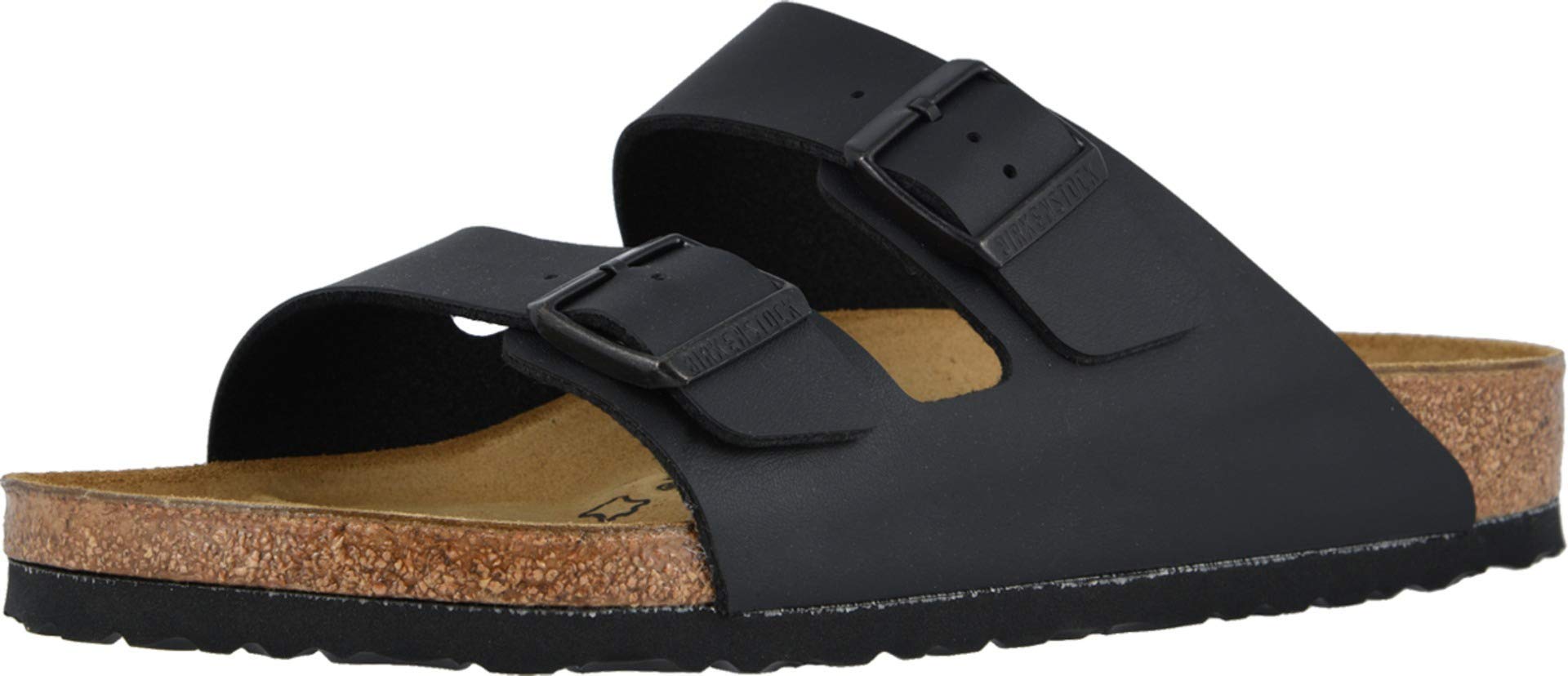
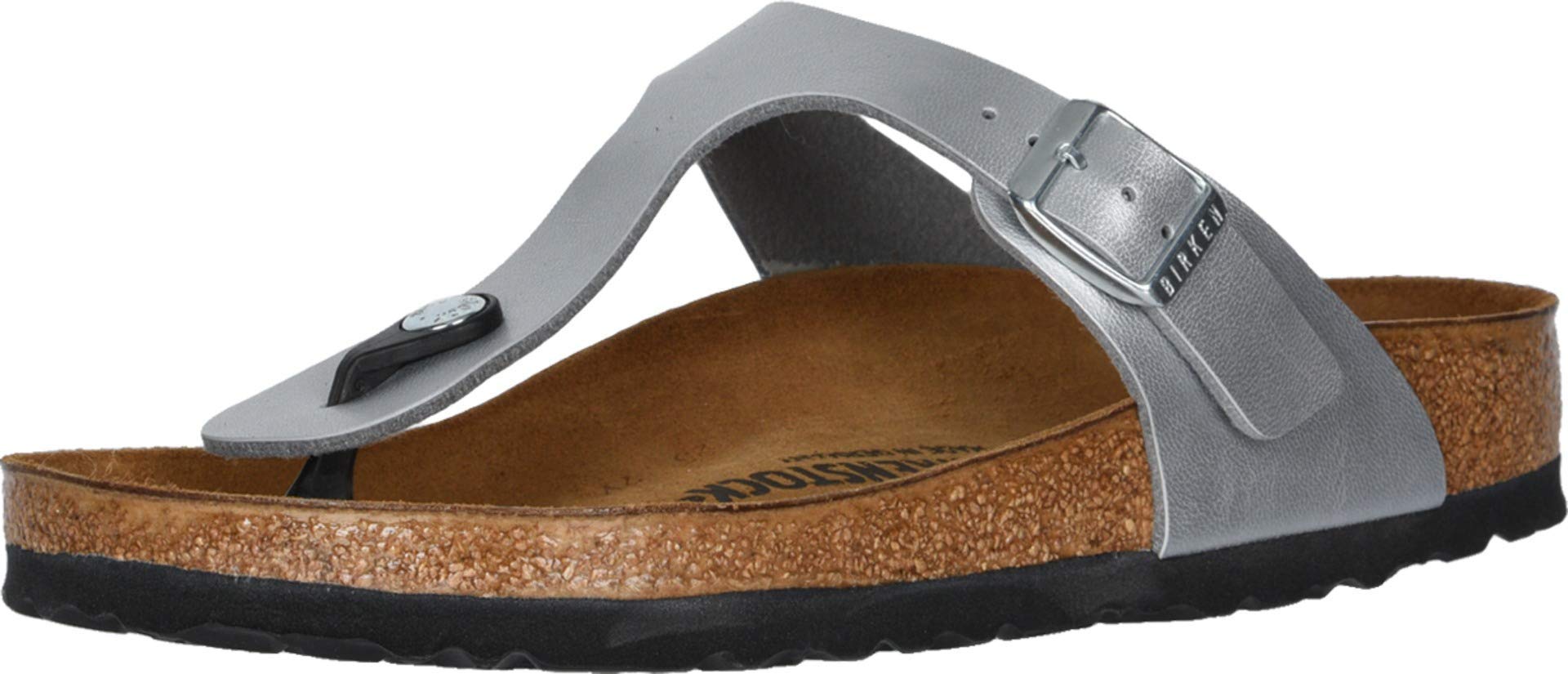

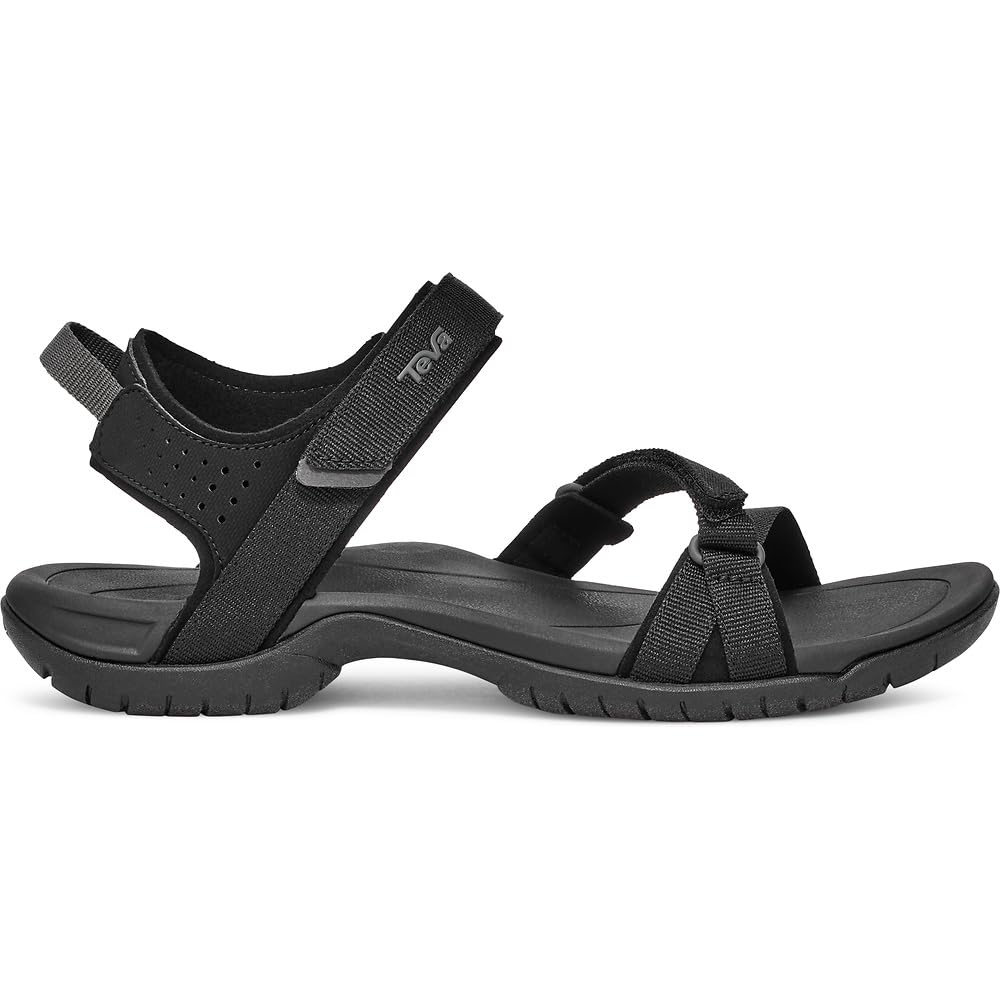


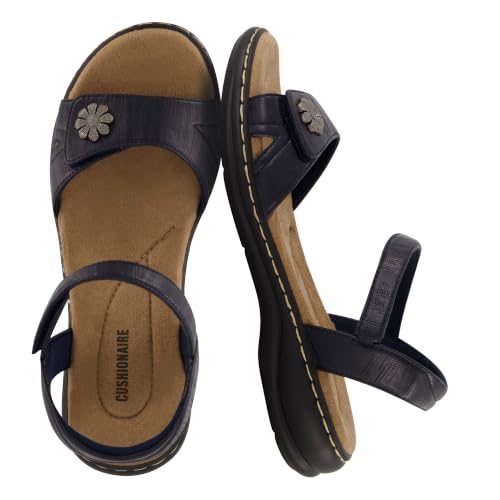

What a Smart Buy Looks Like at Each Budget
This section describes the profile a good pair should match at each price level, so you can judge any pair in the product table above against its price.
The Budget Profile
A good budget pair, usually around $25 to $45, should still give you a contoured footbed rather than a flat slab of foam, plus straps that adjust at least at the ankle or forefoot. Expect synthetic straps, a molded foam sole, and clean simple lines that work with casual dresses and shorts. The limits are real: cushioning compresses faster, colors may scuff sooner, and arch support is mild. For vacations, pool days, and light daily wear, this profile delivers honest value. If a budget pair has a totally flat footbed and fixed straps, skip it, because fit problems show up within the first week.
The Midrange Profile
The midrange tier, around $50 to $90, is where comfort and looks meet for most buyers. Look for a shaped cork or foam footbed with a defined arch, leather or quality synthetic straps with two or more adjustment points, and a rubber outsole with real tread. This tier pairs well with summer dresses, office casual outfits, and long sightseeing days. You give up some premium leather softness and brand finishing, but walking comfort is close to the top tier. If you wear sandals daily all summer, this is the profile to beat.
The Premium Profile
A premium pair, around $100 to $180, should justify itself with full leather straps that soften with wear, a supportive footbed you can stand in for hours, and stitching and hardware that survive several summers. Styling is sharper at this level, with metallic finishes and refined shapes that suit weddings and dressier dinners. The honest limit is that you pay partly for looks, so a premium pair is not automatically more comfortable than a good midrange one. Choose this tier when one pair must cover both long walks and polished outfits, and when you plan to keep it for years.
What Your Money Gets You at Each Price Tier
Budget Tier: What to Expect
At around $25 to $45 you get molded foam footbeds, synthetic straps, and simple styling. Comfort is fine for a few hours at a time, and many pairs are water friendly, which suits beach trips. What you give up is durability and support depth: foam packs down within a season of heavy use, and thin outsoles wear smooth. Buy this tier for occasional wear, growing feet, or as a second pair for travel. Our guide to the best comfortable sandals shows which comfort features survive at low prices.
Midrange Tier: The Sweet Spot for Most Buyers
Between about $50 and $90, footbeds gain real arch contour, straps gain adjustment, and outsoles gain grip. Materials improve too, with leather straps and cork blends that mold to your foot over the first weeks. This tier handles full days of walking while still looking neat with most summer outfits. For most people, extra spending beyond this range buys style refinement more than comfort. If you are unsure where to land, start here and only move up if you need dressier looks or very long lifespan.
Premium Tier: When Spending More Pays Off
Above about $100, you pay for leather quality, hand finishing, and footbeds built for all day standing. Premium sandals often use thicker rubber outsoles that can last several seasons, and straps that resist stretching. The style range widens as well, from minimalist slides to heeled dress sandals with padded soles. Spending more pays off if you wear one pair constantly or need a polished look with real support. Shoppers comparing the dressier end of the market may also like our guide to the best stylish sandals for outfit focused advice.
Features Worth Paying For (and Ones to Skip)
Waterproofing (Gore Tex and Membranes)
Full waterproofing is rarely worth paying for in stylish sandals, because most summer styles use open designs that dry fast anyway. What matters is whether the footbed and straps tolerate getting wet without staining or stretching. Synthetic and molded foam pairs shrug off rain and pool splashes at any price. Leather pairs need care after soaking. Save the waterproof budget for travel sandals you will wear in wet places daily, and skip membrane claims on fashion styles where they add cost without real benefit.
Break In Period and Comfort Out of the Box
Comfort out of the box is worth paying for if you travel soon or hate sore first weeks. Foam footbeds and soft synthetic straps usually feel good immediately, while stiff leather needs about five to ten wears to soften. A useful test is walking around your home for an evening: edges that rub in the house will blister on the street. Midrange and premium leather earns its price partly through smoother strap edges. Never buy a pair that pinches on day one hoping size will fix it, because leather stretches in width far more than in length.
Upper Materials and Breathability
Leather straps breathe moderately, look better with age, and suit dressier outfits, but they cost more and dislike soaking. Synthetic straps dry fast, hold color well, and keep prices down, though cheap versions can feel plasticky against skin. Woven and fabric straps feel soft and light for casual wear. Breathability in sandals mostly comes from open design rather than material, so prioritize strap placement that avoids covering the whole foot. If you want one pair for both walking tours and dinners, leather in the midrange tier is the balanced spend, a point covered in our guide to the best comfortable sandals for women.
Fit, Sizing, and Toe Box
Fit is the feature that decides comfort more than any material, and it is free to get right. Shop late in the day when feet are slightly swollen, and check that your heel sits inside the footbed edge with a small margin at the toes. A wide toe box lets toes rest flat instead of gripping, which reduces fatigue. Adjustable straps matter because feet change size with heat. If you fall between sizes, most walkers do better sizing up in sandals, since a slight extra length beats toes hanging over the edge.
Arch Support and Foot Type
Arch support is worth paying for if you have flat feet, high arches, or a history of heel pain after long days. Look for a footbed with a visible raised arch and a cupped heel rather than marketing words alone. Neutral feet can be happy in moderate contour at any tier. Flat feet that roll inward benefit from firmer support, while high arches often want more cushion under the heel. If long walks are your main use, our guide to the best comfortable sandals for walking goes deeper on support and stride.
Long Term Costs to Factor In
The purchase price is only part of what a pair costs you. Budget foam sandals replaced every summer can cost more over three years than one midrange leather pair that lasts the whole period. Add small costs like replacement insoles for removable footbed styles, leather conditioner at around $10 a bottle, and strap repairs at a shoe shop when hardware loosens. Warranty coverage also differs: premium brands more often offer repair or replacement for strap failures. Think in cost per summer rather than cost per checkout, and a sensible midrange pair usually wins. Men comparing similar tiers can cross check our guide to the best comfortable sandals for men.
Frequently Asked Questions
Are expensive comfortable stylish sandals worth it?
Expensive pairs are worth it when you wear sandals daily and need one pair to handle both long walks and dressier settings. The money buys leather that ages well, footbeds that keep their shape, and outsoles that last several seasons. If your sandals only come out on weekends, a midrange pair gives nearly the same comfort for much less. Judge by cost per wear across the summers you will keep them, not by the tag alone.
How should comfortable stylish sandals fit?
They should fit with your heel settled in the heel cup, toes resting flat with a small margin before the edge, and straps snug without digging. Walk on a hard floor while testing, because carpet hides pressure points. Your foot should not slide forward when you stop suddenly. If straps must be pulled to the last hole to feel secure, the size or width is wrong, and a different last will serve you better than tighter adjustment.
Can I wear comfortable stylish sandals all day?
Yes, you can wear them all day if the footbed has real arch contour and the outsole has some cushion and grip. Flat fashion styles are the ones that cause aching feet by evening. For a full day on your feet, choose adjustable straps so you can loosen them as feet swell in the heat. Rotating between two pairs on a trip also helps, since it lets each footbed recover its shape overnight.
Do I need waterproof sandals for summer?
You only need waterproof sandals if your summer involves boats, streams, or daily rain. For ordinary city wear, quick drying matters more than waterproof ratings, and most synthetic pairs already dry within an hour or two. Leather styles are fine in light rain if you let them dry slowly afterward. Paying extra for waterproof claims on a dressy sandal rarely returns value, so put that money toward a better footbed instead.
How long is the break in period for stylish sandals?
The break in period is usually three to ten wears, depending on the straps. Soft synthetics and foam footbeds often need no break in at all. Stiff leather straps soften gradually and mold to your foot shape, which is one reason leather fans stay loyal. Wear new pairs for short outings first, and use a thin sock at home if an edge rubs. Pain that worsens after several wears signals a fit problem, not a break in issue.
How often should I replace my comfortable stylish sandals?
Replace them when the footbed feels flat, the tread is smooth in the heel area, or straps have stretched so much that your foot slides. Budget foam pairs often reach that point after one heavy summer, while leather midrange and premium pairs commonly last three or more seasons. A simple check is standing on a hard floor: if you feel the floor through the sole at the ball of your foot, cushioning is spent.
Our Verdict
For most buyers, the midrange tier delivers the best comfortable stylish sandals value: real arch support, adjustable straps, and looks that work from market mornings to evening dinners. Go budget for a spare or beach pair, and go premium only when one pair must do everything for years. Check the comparison table above to match your budget to the profile that fits your summer.


