
Best Comfortable Dress Shoes 2026: Buying Guide
Disclosure: We may earn a commission when you buy through links on this page, at no extra cost to you. As an Amazon Associate I earn from qualifying purchases. Learn more

Choose the best comfortable dress shoes with guidance on cushioning, fit, materials, heel height and break in tips for work and events.
Choosing best comfortable dress shoes starts with how long you will wear them, because the comparison table below shows the main styles side by side. A shoe that feels fine for an hour in a shop can feel very different after a full workday, a wedding, or a long commute, so comfort features matter as much as appearance.
Dress shoes need to look polished, yet they should also support your feet through standing, walking, and sitting. Cushioning, arch support, and a flexible sole all help, while a shoe that is too narrow or too stiff will cause pressure even if it looks perfect.


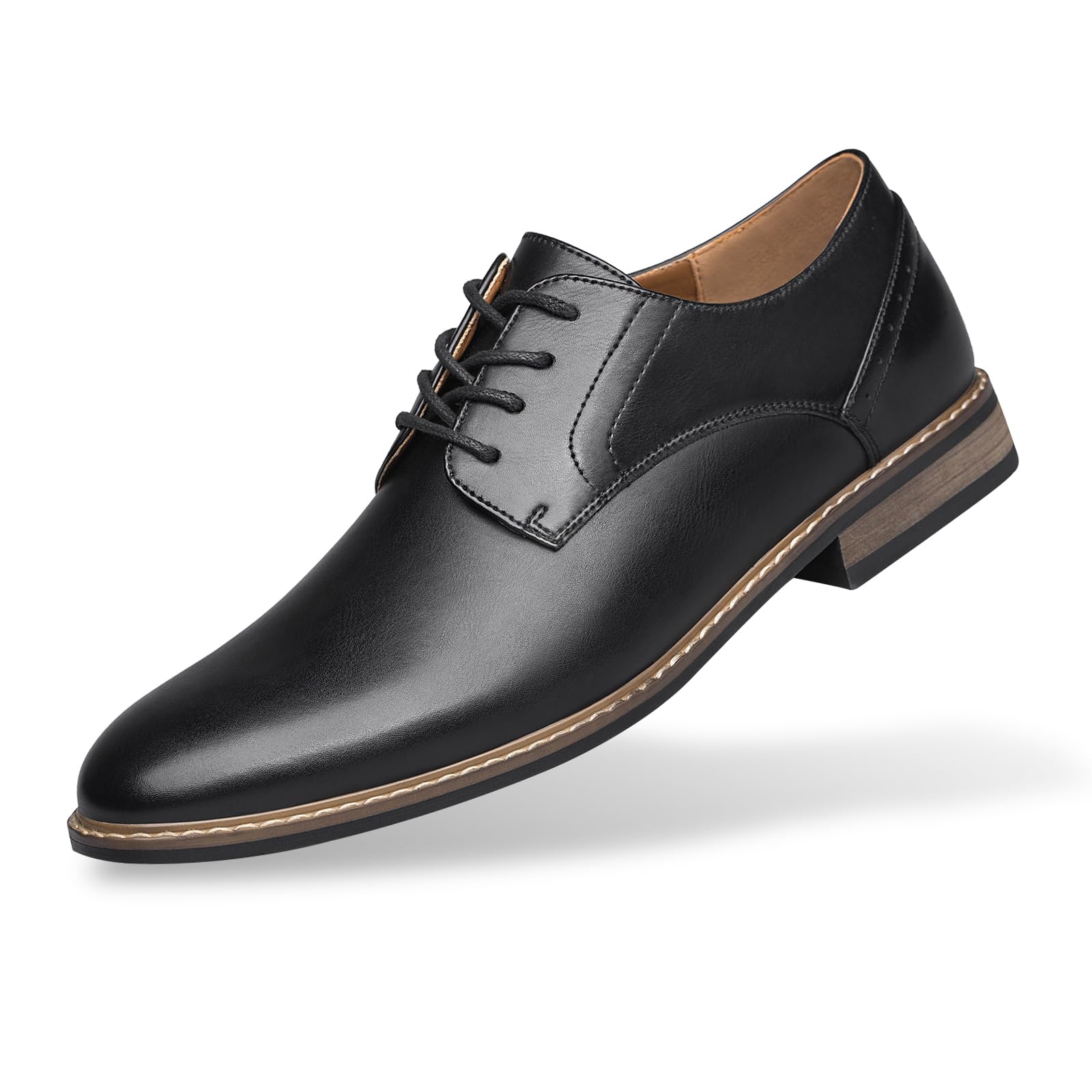


This guide explains fit, materials, heel height, and break in, and it helps you find a pair that works for office days, formal events, and travel without sacrificing style.
Types of Comfortable Dress Shoes Compared
Oxfords and derbies are classic lace up dress shoes, with derbies offering a slightly more open fit that suits wider feet. They pair well with suits and formal trousers, and a cushioned insole can make them comfortable for long days. Loafers are easier to slip on and off, which suits travel and office days, although they need a secure fit to avoid heel slipping.
Monk strap shoes offer a distinctive buckle detail and a secure fit, while dress boots add ankle support for colder weather or for wearers who want extra stability. For women, dress flats, low block heels, and wedge styles offer different balances of height and stability, and a block heel is often more comfortable than a narrow heel for all day wear.
- Oxfords: classic and formal, best for suits and traditional office wear.
- Derbies: open lacing, slightly roomier fit, good for wider feet.
- Loafers: easy slip on style, best for travel and less formal offices.
- Monk straps: secure buckle fit, a distinctive alternative to laces.
- Dress boots: ankle support and warmth, best for colder weather and longer walks.
Cushioning, Support, and Sole Flexibility
Cushioning should feel soft at the heel and forefoot without feeling mushy, because too much softness can reduce stability. A contoured insole that supports the arch helps distribute pressure, while a removable insole lets you add your own support or orthotics. Check whether the shoe has padding at the collar and tongue, because those areas often cause rubbing during long wear.
Sole flexibility matters for walking comfort, since a sole that bends at the forefoot allows a natural stride. A very stiff sole can feel stable but tiring, while a very soft sole may wear quickly and offer less support. Rubber outsoles usually grip better than leather soles on wet or smooth floors, although leather soles can be resoled more easily by a cobbler.
- Insole: contoured and cushioned, removable if you use custom support.
- Arch support: helps distribute pressure and reduces fatigue over a long day.
- Collar padding: soft padding prevents rubbing at the ankle and Achilles area.
- Forefoot flex: a sole that bends where your foot bends feels more natural.
- Outsole grip: rubber grips better in wet weather, leather offers a classic look.
Fit Checks for All Day Wear
Fit should allow toes to spread without pressing against the front, and the heel should stay in place without slipping. Try shoes later in the day when feet are slightly swollen, and wear the socks or hosiery you will use with the shoes. Walk on a hard floor and up a step, because that reveals pinching and heel movement that standing still may hide.
Break in new dress shoes gradually, starting with short wears at home before a full workday or event. Leather shoes often soften with wear, while synthetic shoes keep their shape more consistently. If a shoe causes sharp pain, numbness, or blisters during a short trial wear, it is not the right fit, no matter how good it looks.
Materials and Durability
Leather uppers mold to the foot over time and can be polished to keep a smart appearance, which makes them a good long term investment for frequent wear. Suede offers a softer look but needs protection from rain and stains, while synthetic materials are often lighter and easier to clean but may breathe less well. Choose a material that matches your climate and how often you will wear the shoes.
Construction also affects durability, with stitched soles generally lasting longer and being easier to repair than glued soles. A welted shoe can be resoled by a cobbler, which extends its life considerably. Check stitching, sole attachment, and lining quality before buying, because those details reveal more about durability than brand name alone.
Heel Height and Budget
Heel height affects comfort more than any other single feature, with a low heel of about 2 to 3 cm usually feeling most comfortable for all day wear. A block heel distributes weight better than a narrow heel, and a wedge offers stability for those who want height without a pin heel. If you are new to heels, start low and increase height gradually as your feet adapt.
Comfortable dress shoe prices range from about $60 to $250, with well cushioned leather shoes at the higher end and synthetic styles at the lower end. A mid priced leather pair often offers the best balance of comfort, durability, and repairability for regular wear. Spending more makes sense if you wear dress shoes daily and want a pair that can be resoled.
For related dress shoe choices, see best comfortable men's dress shoes for men's fits, best comfortable dress shoes women's for women's fits, best comfortable dress shoes for work for work focused pairs, best comfortable women's dress shoes for work for women's work pairs, and best comfortable shoes for wider comfort options.
Frequently Asked Questions
How do I break in dress shoes comfortably?
Wear new dress shoes for short periods at home first, gradually increasing wear time over a week or two. Use the socks you will wear with them, and walk on different surfaces to soften the sole and upper. If pain persists after several short wears, the fit is likely wrong and breaking in will not fix it.
Are leather dress shoes more comfortable than synthetic?
Leather often becomes more comfortable over time because it molds to the foot and breathes well. Synthetic shoes can feel comfortable immediately and are easier to clean, but they may breathe less and keep a rigid shape. Choose leather for frequent long term wear and synthetic for occasional wear or wet conditions.
What heel height is best for all day wear?
A low heel of about 2 to 3 cm is usually most comfortable for all day wear, because it keeps weight distributed more evenly. Block heels and wedges feel more stable than narrow heels at the same height. If you need height for an event, choose the lowest heel that still gives the look you want.
Can I add insoles to dress shoes?
Yes, if the shoe has a removable insole or enough room to fit a thin insole without crowding your toes. A contoured insole can improve arch support and cushioning, especially for long days. Check the fit with the insole in place, because an insole that makes the shoe too tight can cause more discomfort than it solves.
How do I keep dress shoes looking smart?
Brush or wipe shoes after wear, polish leather regularly, and use shoe trees to keep the shape between wears. Rotate pairs if possible, so each pair can air and dry fully. Protect suede with a spray made for suede, and avoid wearing the same pair in heavy rain two days in a row.
Final Thoughts
Comfortable dress shoes balance a polished look with cushioning, support, and a fit that holds up over a full day. Try shoes later in the day, break them in gradually, and prioritize a flexible sole and a heel height you can walk in confidently.
When you compare best comfortable dress shoes in the product table above, look for a roomy toe box, a supportive insole, and materials that suit your climate and how often you will wear them.


