
Best Comfortable Dress Shoes for Work 2026: Complete Buying Guide
Disclosure: We may earn a commission when you buy through links on this page, at no extra cost to you. As an Amazon Associate I earn from qualifying purchases. Learn more

Compare best comfortable dress shoes for work by fit, cushioning, support, and durability with this buying guide and checklist for long workdays.
A dress shoe that looks sharp at nine can feel punishing by lunch if the fit, cushioning, and sole are wrong for your workday. The best comfortable dress shoes for work are the ones that match how long you stand, how far you walk, and how formal your office expects you to look.
This guide turns those needs into clear criteria, from toe box room to outsole grip, and the comparison table below can then help you check which styles meet them. No single style wins for every job, so start with your day, not with a brand.


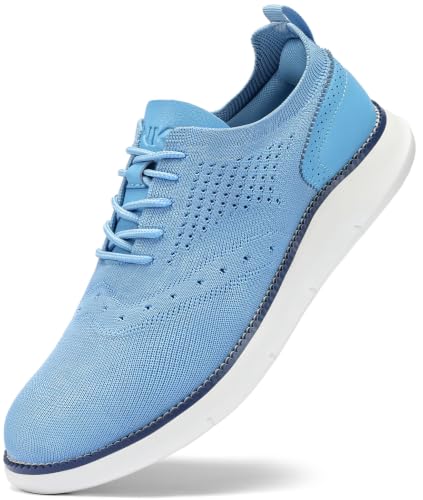

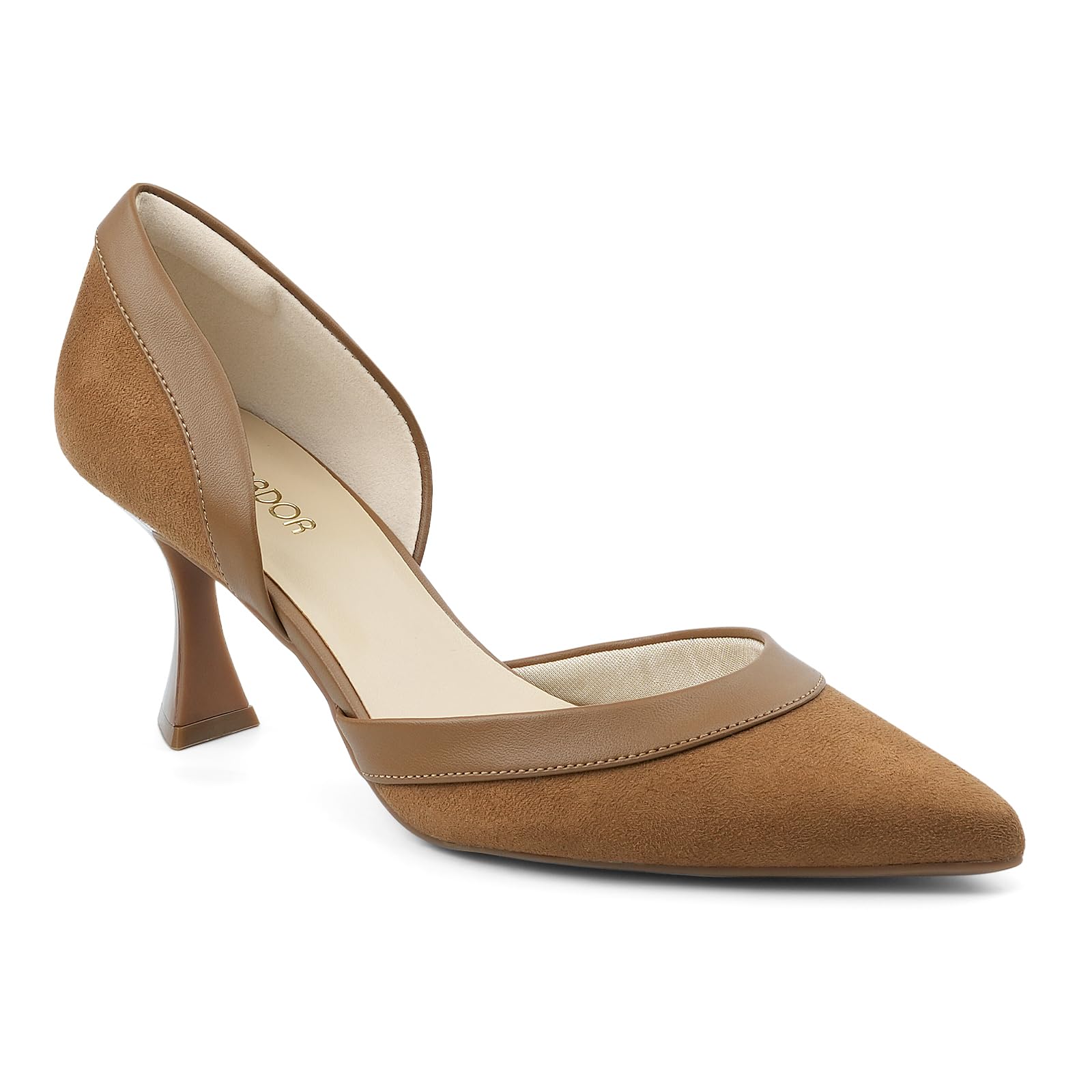
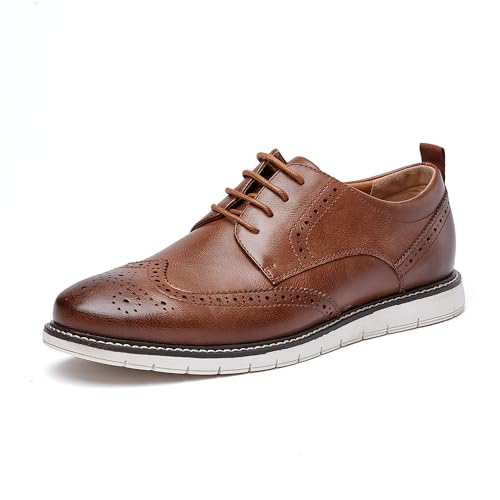


Three Buyer Profiles to Match Against the Product Table Above
Instead of chasing a universal winner, match yourself to one of these profiles. Each profile lists the features worth paying for and the trade off you should accept.
The All Round Profile
Choose this profile if you mix desk time, meetings, and regular walking across your day. You need a cushioned insole, a leather upper that holds its shape, and a rubber outsole that grips office floors without looking like a trainer. A classic oxford or derby shape in black or dark brown covers most dress codes. Expect to pay a mid to upper price, roughly about $100 to $250, because the comfort comes from better foam, better leather, and a sole that can often be repaired rather than replaced.
The Value Profile
Choose this profile if you need a presentable pair on a modest budget, often under $100. Spend on fit and insole comfort first, and accept a synthetic lining or a glued sole, which usually wears faster than a stitched one. A plain toe style in a standard color gives you the most outfits per dollar. Add a quality removable insole if the factory one feels thin, since that small upgrade often improves a value pair more than any polish or accessory.
The First Pair Profile
Choose this profile if you are buying work dress shoes for the first time or returning to office wear after years away. Start with a versatile derby, because its open lacing adjusts more easily across the top of the foot than a closed oxford fit. Pick comfort features you can feel in the store: a padded collar, a flexible forefoot, and room to wiggle your toes. Avoid very pointed toes and very stiff soles until you know your size and your daily step count.
How to Choose the Best Comfortable Dress Shoes: Buying Guide
Features That Matter for Work
Work wear punishes shoes in ways occasional dress wear does not, because you repeat the same steps, floors, and commute five days a week. Prioritize a cushioned footbed, a stable heel of modest height, and an outsole with real texture for wet sidewalks and smooth lobby floors. Readers comparing a wider set of options can also see our guide to the best comfortable work shoes, which covers less formal styles for jobs with looser dress codes.
Fit, Sizing, and Toe Box
Shop and measure late in the day, when your feet are at their largest after hours of standing and walking. Your longest toe should have about a thumbnail of space, the ball of your foot should sit at the widest part of the shoe, and your heel should stay put with only slight movement. A roomy toe box matters because toes swell at work, and a cramped front causes blisters and numbness. If you fall between sizes, choose the larger size and fine tune with an insole or thicker socks.
Waterproofing and Membranes
Waterproof membranes such as Gore Tex help if your commute crosses rain, slush, or wet station platforms, because dry socks are a large part of all day comfort. The trade off is airflow: membrane lined shoes breathe less and can feel warm in a heated office. Water resistant leather with regular conditioning suits light rain and costs less. If your job is mostly indoors and your commute is short, skip full waterproofing and put the money toward cushioning and a second pair to rotate.
Weight and Flexibility
Lighter shoes reduce leg fatigue across thousands of steps, but the lightest thin soled styles often give up arch support and outsole life. A good work shoe bends at the ball of the foot, where your foot bends, and stays firm through the midfoot so the arch does not collapse with each step. Pick the shoe up and twist it gently: the front should flex, the middle should resist. If most of your day is standing still, cushioning thickness matters more than low weight.
Break In Period and Comfort Out of the Box
Leather uppers soften and mold to your foot over the first one to two weeks, so mild firmness at first is normal. Sharp pain, pinching toes, or a heel that lifts with every step are fit problems, not break in problems, and they rarely fix themselves. Wear a new pair around the house for an hour, then for a short workday, before trusting it with your longest shift. Modern cushioned styles with padded collars often feel good immediately, which makes them a safer choice before a big event.
Durability and Expected Lifespan
With daily wear and rotation, a well made pair commonly lasts two to four years, while a glued sole value pair may show worn heels and cracked linings within a year. Stitched soles can be resoled, which extends life and lowers the cost per wear even when the first price is higher. Watch the outsole edges and heel corners, since uneven wear changes how the shoe supports you. If foot pain returns as the cushioning packs down, the shoe is telling you its working life is over.
Cushioning and Support
Cushioning absorbs impact, while support controls how your foot rolls, and comfortable work shoes need a balance of both. A moderate heel to toe drop, a firm heel counter, and a contoured insole help most people who stand on hard floors. If you wear prescribed orthotics, bring them to the fitting and choose a shoe with a removable insole deep enough to hold them. Persistent heel, arch, or joint pain deserves a visit to a doctor or podiatrist rather than another round of guesswork with insoles. For a broader view of formal styles, see our guide to the best work dress shoes.
Types of the Best Comfortable Dress Shoes for Work
Oxfords and Derbies with Cushioned Soles
These lace up styles are the safest match for suits and formal offices. Derbies adjust more easily over a high instep, while oxfords look sleeker and suit narrower feet. Look for rubber outsoles and padded insoles, which add comfort without changing the classic outline your dress code expects.
Loafers and Other Slip On Styles
Loafers suit business casual offices and anyone who values speed at security checks and doorways. Comfort depends on a snug heel, because a loose loafer slips and rubs with every step. Choose loafers with cushioned footbeds and flexible soles, and avoid them for your longest walking days until you know the fit holds.
Dress Boots for Wet Commutes
A polished ankle boot protects socks and trouser hems in bad weather and adds ankle stability on uneven pavement. Boots run warmer than low shoes, so they suit cool seasons and cold offices best. Women comparing heeled and low options across genders can start with our guide to the best comfortable women's dress shoes for work for fit notes specific to those lasts.
Soft Soled Casual Dress Styles
Hybrid styles pair a dress shaped upper with a soft, sneaker like sole, and they fit relaxed offices that ban trainers but not comfort. They are light and kind to knees, yet the casual sole can look out of place with a suit. Men weighing similar hybrids can compare fit and sizing notes in our guide to the best comfortable men's dress shoes.
How to Make Your Comfortable Dress Shoe Last Longer
- Rotate two pairs: foam and leather need a day to dry and recover, so alternating pairs can add many months of comfortable wear.
- Use shoe trees: plain cedar trees absorb moisture and hold the shape of the upper while the shoe rests.
- Air dry away from heat: wet shoes should dry at room temperature with paper inside, never on a radiator, which cracks leather.
- Lace firmly: snug lacing across the midfoot stops heel slip, and heel slip is the main cause of workday blisters.
- Clean and condition: brush off grit weekly and condition leather every few months so it flexes instead of cracking.
FAQs
What features matter most in comfortable dress shoes for work?
Fit, cushioning, and outsole grip matter most, in that order. A shoe that fits your longest toe and widest point, pads the heel and forefoot, and grips wet floors will feel good for years. One extra check helps: stand on one foot in the shoe. If you wobble or feel the edge of the insole under your arch, the last does not match your foot shape.
How long is the break in period for dress shoes?
Most leather dress shoes settle within one to two weeks of regular wear. Speed the process by wearing them for short indoor stretches first and by using thick socks on the first outings. Blisters on day one usually mean the size is wrong, so exchange early while returns are still simple rather than hoping the leather will stretch a full size.
How should comfortable dress shoes fit?
They should feel secure at the heel and midfoot, with open space in front of your toes and no pressure on the top of the foot. Fit them in the afternoon with your usual work socks. A useful test is a short walk on a hard floor, since carpet in a store hides thin cushioning and sole stiffness that you will feel on office tile.
How often should I replace my comfortable dress shoes?
Replace them when the cushioning feels flat, the outsole tread is smooth at the heel, or the upper has stretched so much that your foot slides. For many daily wearers that point arrives after about two to three years with rotation. Resoling a stitched pair can reset the clock, but only if the insole and lining still feel supportive and intact.
Are expensive comfortable dress shoes worth it?
They can be, because higher prices usually buy better leather, replaceable soles, and insoles that keep their bounce. Judge by cost per wear: a pair worn two hundred days a year earns its price faster than a formal pair worn monthly. Try the fit in person when you can, and keep the receipt until you have worn the shoes through one full workday at home.
The Bottom Line
Match the shoe to your workday first: hours on your feet, floor surfaces, weather, and dress code. Then check fit in the afternoon, choose balanced cushioning and support, and plan to rotate two pairs. With those checks done, the product table above will help you confirm that the best comfortable dress shoes for work for you are also the ones that still feel good at the end of the week. If you want a wider starting point, our guide to the best comfortable dress shoes covers styles beyond strict office wear.


