
Best Comfortable Shoes in 2026: Buying Guide for All Day Comfort
Disclosure: We may earn a commission when you buy through links on this page, at no extra cost to you. As an Amazon Associate I earn from qualifying purchases. Learn more

Learn what makes shoes comfortable for long days, and compare cushioning, fit, support and materials to choose the best comfortable shoes.
Comfort can feel vague until you know what creates it. The best comfortable shoes are not simply the softest ones: cushioning, fit, support and weight all work together, and the shoe that feels perfect on one person may pinch another. This guide breaks comfort into parts you can check for yourself, in a shop or at home.
The comparison table below gives a quick overview, and the sections that follow explain each comfort factor. Start by describing your day. Do you stand for hours, walk on hard floors, commute on foot or mix sitting and walking? Each pattern stresses feet differently, and the right shoe should match yours.


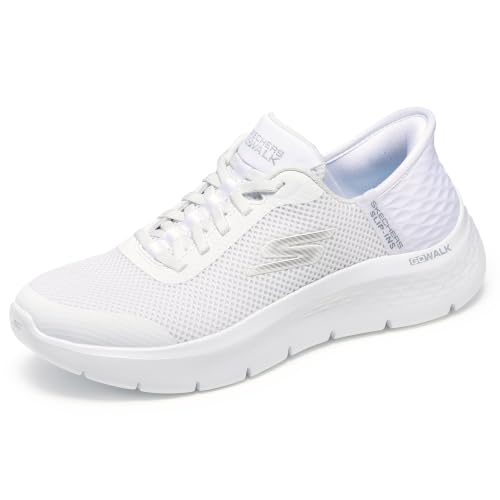

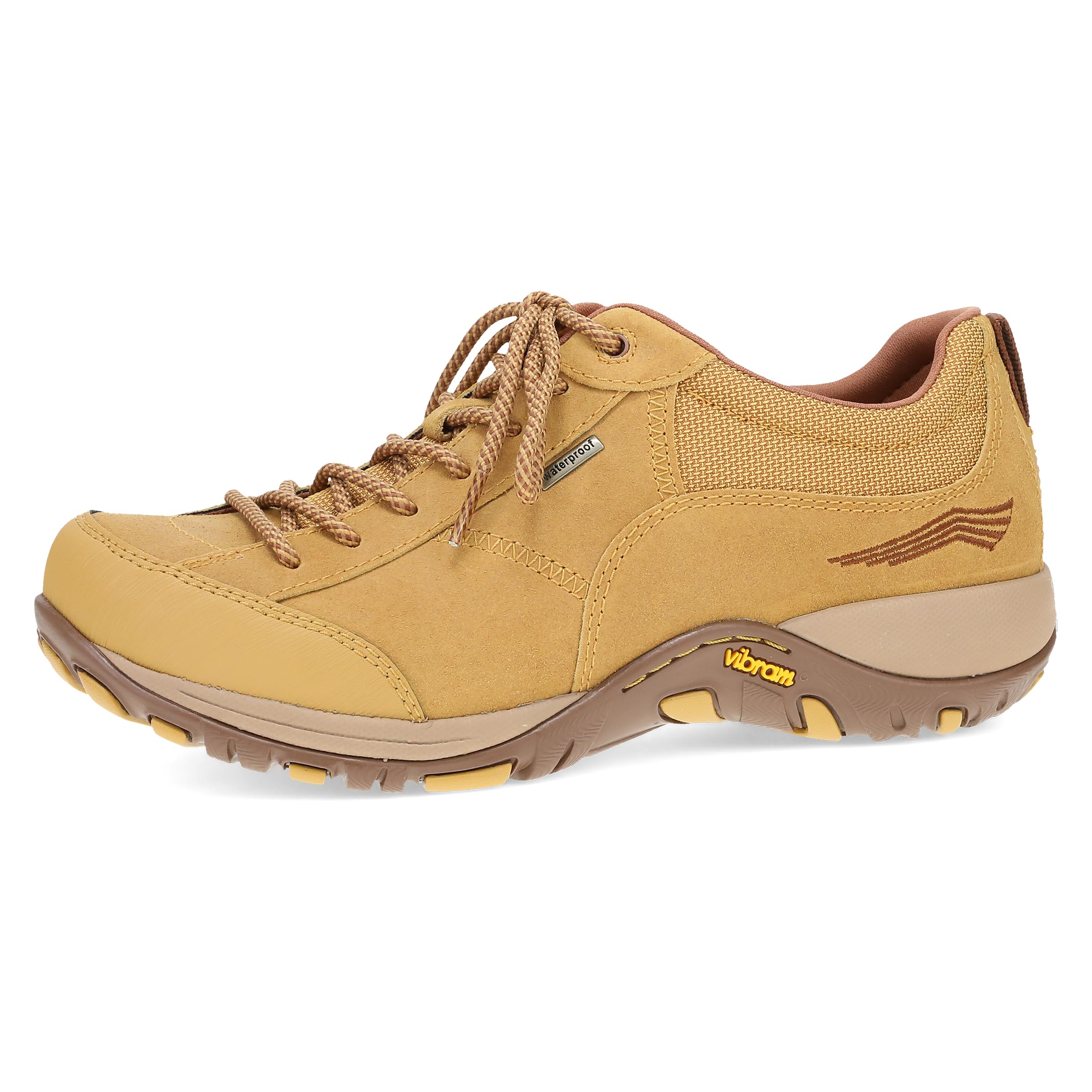


Comfortable Shoes Basics Explained
Comfort in shoes comes from fit first, then cushioning, support and flexibility. A shoe that fits well spreads pressure evenly and lets toes move naturally. Cushioning absorbs impact, support guides the foot through each step, and flexibility lets the shoe bend where your foot bends. When one of these is wrong, the others cannot fully fix it.
A few terms help in a shop. Arch support helps feet that roll inward or outward, heel drop is the height difference between heel and forefoot, toe box width decides whether toes can spread, and midsole foam sets softness and bounce. Knowing them lets you say what you need.
Key Features to Compare
Fit and Toe Box Room
Your longest toe should have a little room ahead of it, the width should not squeeze the sides of your feet, and the heel should stay put without rubbing. Try shoes with the socks you will wear and walk for several minutes, not just a few steps. Feet swell during the day, so a late day fitting gives a truer result.
Cushioning and Impact Absorption
Cushioning softens each step, which matters on hard floors and long walks. Soft foam feels plush at first but can feel unstable if it is too thick. Firmer foam with a good shape often supports longer days better. Look for cushioning that feels even under heel and forefoot, not just soft under one spot.
Support and Stability
Support helps feet stay aligned through thousands of steps. Feet that roll inward need different support from high arches. A stable shoe guides the foot without forcing it, and the heel counter should hold the heel upright. If your feet ache in the arch or ankle after long days, support may matter more than extra softness.
Weight, Flexibility and Breathability
Lighter shoes reduce leg fatigue, and a sole that bends at the ball of the foot feels natural. Mesh and knit uppers breathe in warm weather, while leather lasts longer and looks smarter. A smooth, seam free lining reduces rubbing on long days.
Matching the Choice to Your Routine
Workers who stand all day need stable support, firm cushioning and a roomy toe box. Walkers need light weight, flexible soles and breathable uppers. Commuters need shoes that handle walking, standing and sitting without rubbing. Anyone with foot pain should put fit and support first, and talk with a clinician about persistent pain rather than relying on shoes alone.
Consider your surfaces too. Hard concrete demands more cushioning than carpet or grass, while wet or uneven ground needs grip and stability. Match the shoe to your most common surface, and keep a second pair for very different conditions if your budget allows.
Budget Tiers and What Changes
Budget shoes can be comfortable for short days and light use, but foam and support may flatten faster. Midrange shoes usually offer better foam, more sizes and widths, and sturdier build. Premium shoes add refined foam, wider fit options and longer lasting comfort, but they only pay off if you wear them often and for long hours.
Value depends on wear time. A midrange shoe worn daily for a year often beats a cheap shoe replaced twice. Try shoes in person when you can, since comfort cannot be judged from a photo or a single softness claim.
Care, Fit and Common Mistakes
Rotate shoes when possible so foam can recover between wears, and air them out after long days. Replace insoles when they flatten, and check soles for uneven wear, which can signal fit or gait issues. Keep shoes clean and dry, since damp shoes lose comfort and wear faster.
A common mistake is buying a size too small because the shoe looks neat. Another is choosing maximum softness for a foot that needs support. Fit, support and an honest wear trial will guide you better than softness alone. If pain persists, swells or changes suddenly, seek professional advice promptly.
Related Options to Compare
For specific needs, see our guides to the best comfortable shoes for women and the best comfortable shoes for men. Workplace options are covered in the best comfortable work shoes guide, and long distances in the best comfortable walking shoes guide.
Before You Buy Checklist
Try shoes on late in the day, wearing the socks and any insoles you normally use. Walk on a hard floor, climb a stair and stand still for a minute, noting any pressure at the toes, rubbing at the heel or ache in the arch. Check the return window so you can wear them indoors for a few days. If anything pinches on day one, it is unlikely to improve, so return the pair rather than waiting for it to stretch.
Think about what you will do in the shoes most: a pair that is perfect for a short commute may not suit a twelve hour shift. Keep the box and receipt until you are sure, and note what felt best about your last comfortable pair so you can look for the same traits.
Frequently Asked Questions
What makes a shoe comfortable for all day wear?
A good fit, even cushioning, suitable support and light weight work together for all day comfort. No single feature guarantees it, so check the whole shoe on your feet. Walk, stand and turn in the shop, and notice heel slip, toe pressure and arch feel before you decide.
Should comfortable shoes feel soft or firm?
They should feel supportive rather than simply soft. Very soft foam can feel unstable and tire feet over time. A balanced shoe with firm support and well placed cushioning often feels better by evening than an extremely soft shoe that collapses under load.
How do I know if the size is right?
Your longest toe should have a small gap ahead of it, the width should not pinch, and the heel should stay in place. Try both shoes, wear your usual socks and walk for several minutes. If you feel pressure in one spot, a different width or shape may help more than a larger length.
Do insoles make shoes more comfortable?
Good insoles can improve fit and support, especially when the original insole is thin or flat. They cannot fix a shoe that is the wrong size or shape. Replace worn insoles when they flatten, and make sure a new insole does not crowd your toes.
Final Thoughts
The most comfortable shoe is the one that fits your feet, supports your stride and stays pleasant through your longest day. Use the comparison table above to compare cushioning and support, then check the fit in person with your usual socks. With a careful fitting and a little attention to support, the best comfortable shoes for you will be the pair you reach for every day.


