
Best Comfortable Mens Dress Shoes in 2026: Types Compared and How to Choose
Disclosure: We may earn a commission when you buy through links on this page, at no extra cost to you. As an Amazon Associate I earn from qualifying purchases. Learn more

Compare oxfords, derbies and loafers by fit, cushioning and sole so your dress shoes stay comfortable through a long day, not just the first hour.
A dress shoe has to look sharp and still feel fine at hour nine, and that combination is harder to find than most men expect. The best comfortable mens dress shoes pair a correct fit with sensible cushioning and a sole that suits the floors you walk. This guide compares the main styles, explains the fit checks that matter, and shows how to protect leather so comfort lasts beyond the first few wears.
Use the table below to see how oxfords, derbies and loafers differ, then read the fit and cushioning sections before you order. The product table above lists current options to compare against those checks.


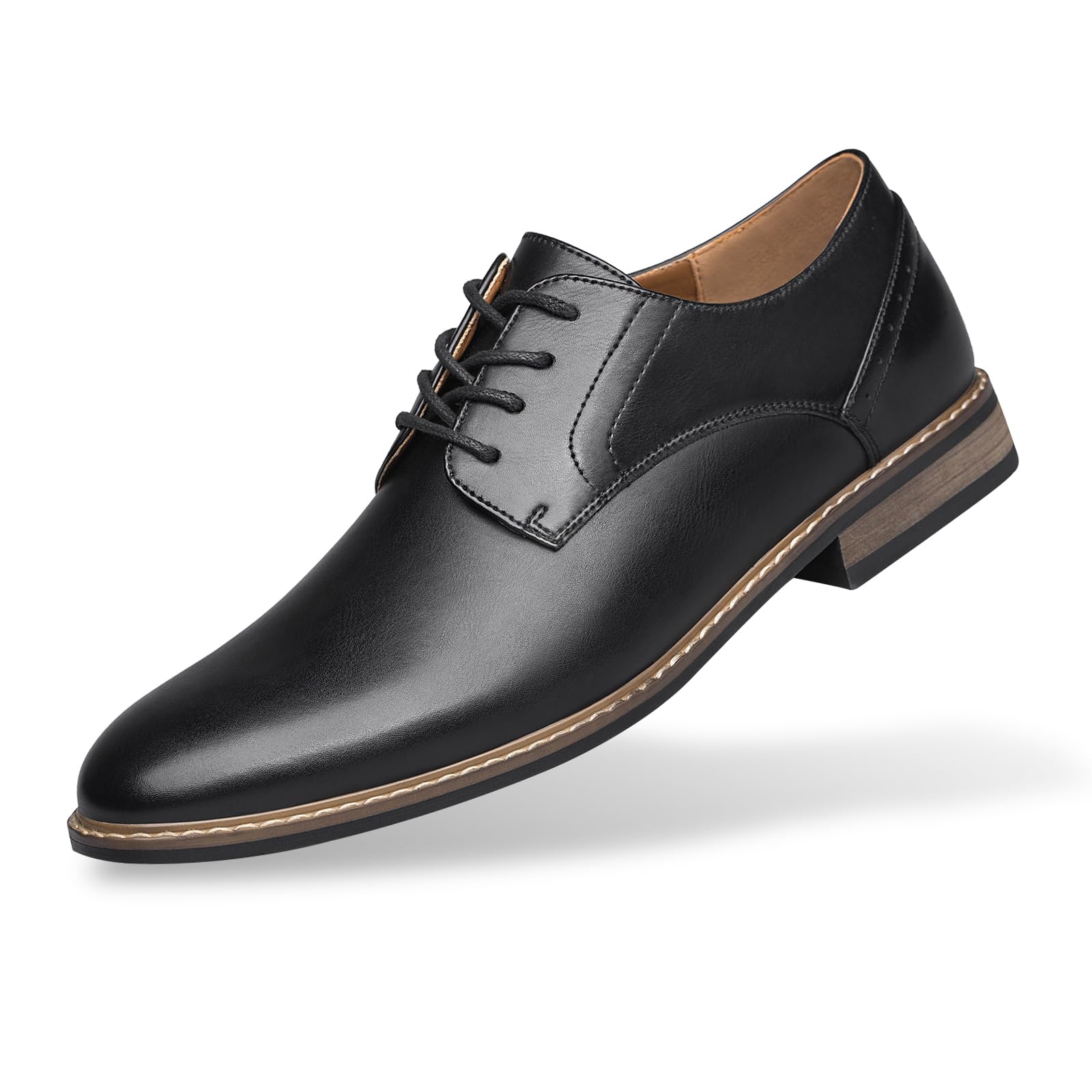

Who Should Buy Which Type?
Men who wear dress shoes to the office, weddings and long events gain the most from a well fitted, cushioned pair. If you stand or walk for most of the day, put support and a flexible sole ahead of styling details such as a sleek toe shape. Occasional wearers can choose simpler shoes, provided the fit is still right, because a shoe worn twice a year does not need a premium sole unit.
Wide or high-volume feet do best in derbies and in shoes offered in several widths. Men who dislike laces or travel often lean toward loafers. Those who need a formal look in cold weather can compare the best winter dress boots men's options once they know their fit.
Key Features Explained
Fit and Width
Dress shoes should hold the heel snugly without pinching the toes. Width matters as much as length, because a narrow shoe squeezes the forefoot all day and no insole can fix that. Try shoes late in the day when feet are slightly larger, wear the socks you will wear with a suit, and check that the widest part of your foot sits at the widest part of the shoe.
Cushioning and Support
Cushioned insoles and flexible soles reduce fatigue during standing and walking. Arch support should match your foot shape rather than feel like a hard lump. Comfort comes from even support, not from softness alone, and a removable insole lets you swap in your own if you need more room or a different arch shape.
Leather and Break In
Quality leather softens with wear but should not need painful breaking in. Shoes that hurt badly at first rarely become comfortable later. A short, gentle break in period is normal; sharp pain is not. Cheaper coated or synthetic uppers need less break in but do not stretch to fit, and they breathe less on long days.
Sole and Grip
Leather soles look formal but can slip on polished floors and wet pavements, while rubber soles grip better and last longer. Many dress shoes blend both, with a leather look edge and a rubber insert under the forefoot. Match the sole to the floors you cross most: office tile and marble reward rubber, dry carpet suits either.
Types Compared
| Type | Best For | Key Trade Off |
|---|---|---|
| Oxford Shoes | Suits, interviews and formal events | Closed lacing can feel tight across a high instep |
| Derby Shoes | Business wear and wider or higher feet | Slightly less formal than an oxford |
| Loafers | Smart casual days and frequent travel | Less heel and ankle hold than laced shoes |
Oxford Shoes
Oxfords suit formal work and events with a closed lacing system and clean lines. They pair well with suits. They can feel stiff at first, so check flexibility at the ball of the foot before a long day, and size carefully if you have a high instep.
Derby Shoes
Derbies use an open lacing system, so the laces open wider and accommodate a thicker foot more easily. They offer a slightly relaxed formal look and are a good choice when oxfords feel tight across the foot. Plain and cap toe versions both work for business wear.
Loafers
Loafers suit smart casual dress with easy on and off wear. They work well for travel and warm days. They give less ankle hold than laced shoes, so the fit at the heel must be secure, and a loafer that slips at the heel will blister quickly on a long walk.
Common Mistakes to Avoid
The most common mistake is buying a size down for a sleeker look. Tight dress shoes cause blisters and foot pain that no insole can fix. Buy the fit that feels right at the end of the day, not the look that pleases in the mirror.
Another is wearing a new pair for an important event without a trial. Walk around the house in them for several evenings first, and keep a pair of bandages in your bag for the first full day. Finally, do not ignore the sole: a slick leather sole on a wet floor is an accident waiting to happen.
If dress shoes cause sharp pain, numbness, swelling, blisters that do not heal, or color change in the toes, stop wearing them and seek advice from a clinician or podiatrist. Shoes should support comfort, not cause injury, and persistent foot pain deserves professional attention rather than tougher break in attempts.
Looking After Dress Shoes
Care decides how long the comfort lasts. Use cedar shoe trees between wears so leather dries slowly and keeps its shape, and rest each pair for a day or two before wearing it again. Brush off dust, wipe away salt and mud, and condition leather every few weeks with a cream suited to the finish.
Have worn heel tips replaced before they wear through, because an uneven heel tilts the foot and changes how the whole shoe feels. A good cobbler can also replace a tired insole or add a new rubber half sole to a leather sole, which often brings a loved pair back to comfort. For a view of shoes built to last, see our guide to the best quality men's dress shoes, and for the wider field of formal footwear, the best comfortable dress shoes guide.
Choosing for Your Workday
Think about how your day actually runs. A desk job with a short commute asks little of a shoe, so a classic oxford or derby with a cushioned insole is plenty. A sales floor, hospitality or teaching job means hours of standing, which calls for a cushioned footbed, a flexible forefoot and a rubber sole that grips smooth floors.
If you travel with a suit, pack a single versatile pair in black or dark brown that works with most outfits, and add shoe bags to protect the leather. Men who walk long distances between meetings often do best in a sneaker-soled dress shoe, which keeps a formal silhouette but borrows the cushioning of a trainer.
Frequently Asked Questions
How should dress shoes fit at first wear?
They should feel snug but not painful, with toes free to move and heels held without slipping. Mild stiffness is normal for leather, but sharp pressure is not. Walk indoors for a while before you commit to a long day.
Do cushioned insoles help dress shoes?
Yes, when they match your arch and do not crowd the toes. Thin cushioned insoles suit dress shoes better than thick sport insoles. Replace worn insoles, because flat insoles stop supporting the foot.
Leather or synthetic for comfort?
Leather molds to the foot over time and breathes better than most synthetics. Good synthetics cost less and need less care. For all day comfort, leather usually wins once broken in gently.
How do I break in dress shoes safely?
Wear them indoors for short periods, use shoe trees between wears, and condition leather as the maker directs. Avoid long first outings in new shoes. Gradual wear lets leather shape without blistering feet.
When should dress shoes be replaced?
Replace them when soles wear thin, heels tilt, or cushioning no longer recovers. Worn soles change gait and can cause knee or back discomfort. Resoling can extend good uppers, but only while the fit still holds.
Final Thoughts
The right choice among best comfortable mens dress shoes is the one that fits your feet at the end of the day, suits the floors you walk and matches how formal your week really is. Use the checks in this guide, compare the product table above, and choose the type you will enjoy wearing. Talk with your clinician if any foot concern persists.


