
Best Comfortable Women's Dress Shoes for Work: Matching the Right Model to Your Routine for 2026
Disclosure: We may earn a commission when you buy through links on this page, at no extra cost to you. As an Amazon Associate I earn from qualifying purchases. Learn more

Comfortable women's dress shoes for work: match cushioning, heel height, and fit to long days on your feet.
There is no single dress shoe that suits every job, because a day of client meetings, a day of teaching, and a day of hospital rounds load your feet in completely different ways. Choosing the best comfortable women's dress shoes for work starts with your routine, not with a style photo. Count your standing hours, your walking distance, and your floor surfaces first.
Then use the comparison table below to filter by heel height, closure, and material. The sections that follow match each work routine to the features that protect your feet through it, so you can buy once and wear the pair daily with confidence.

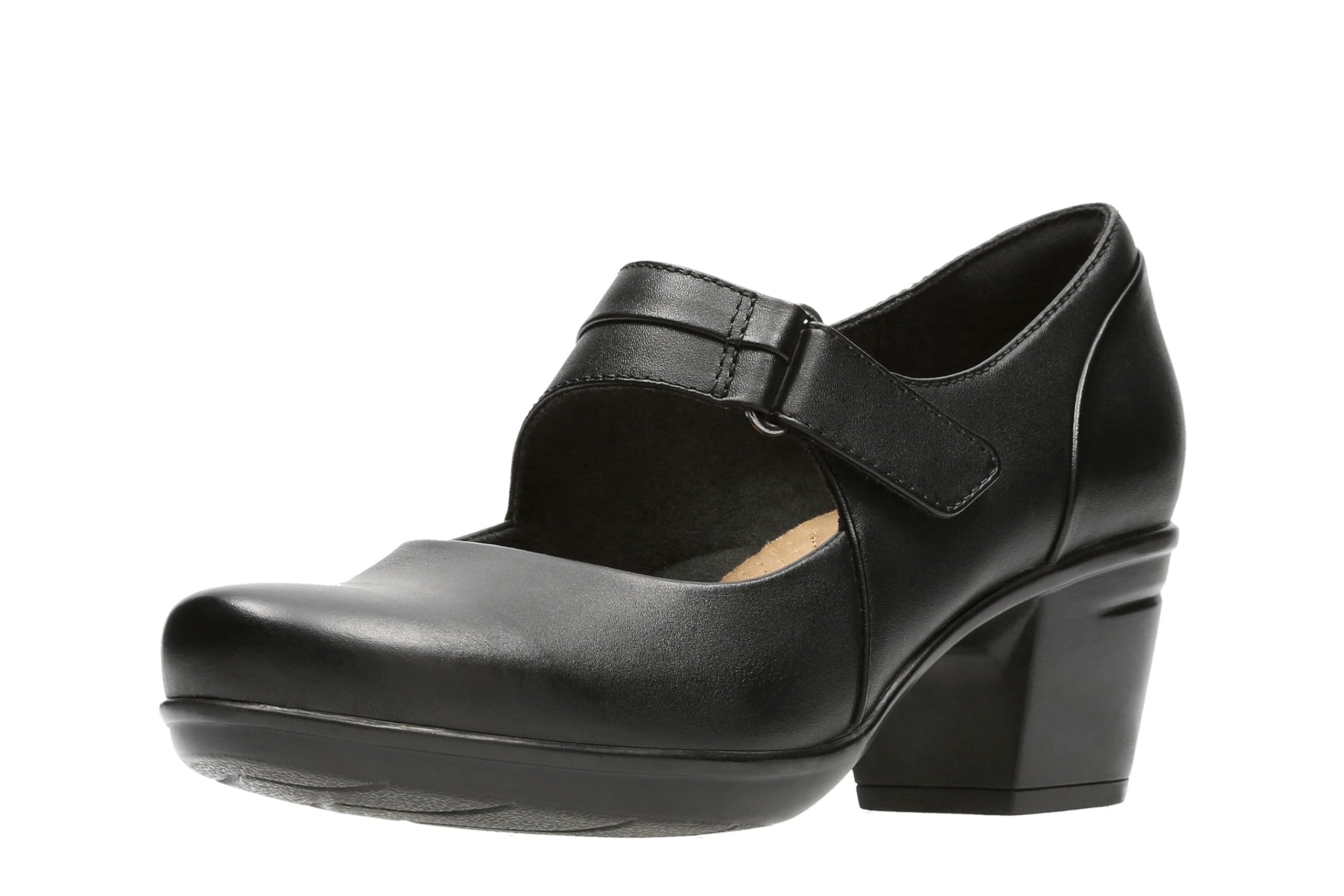
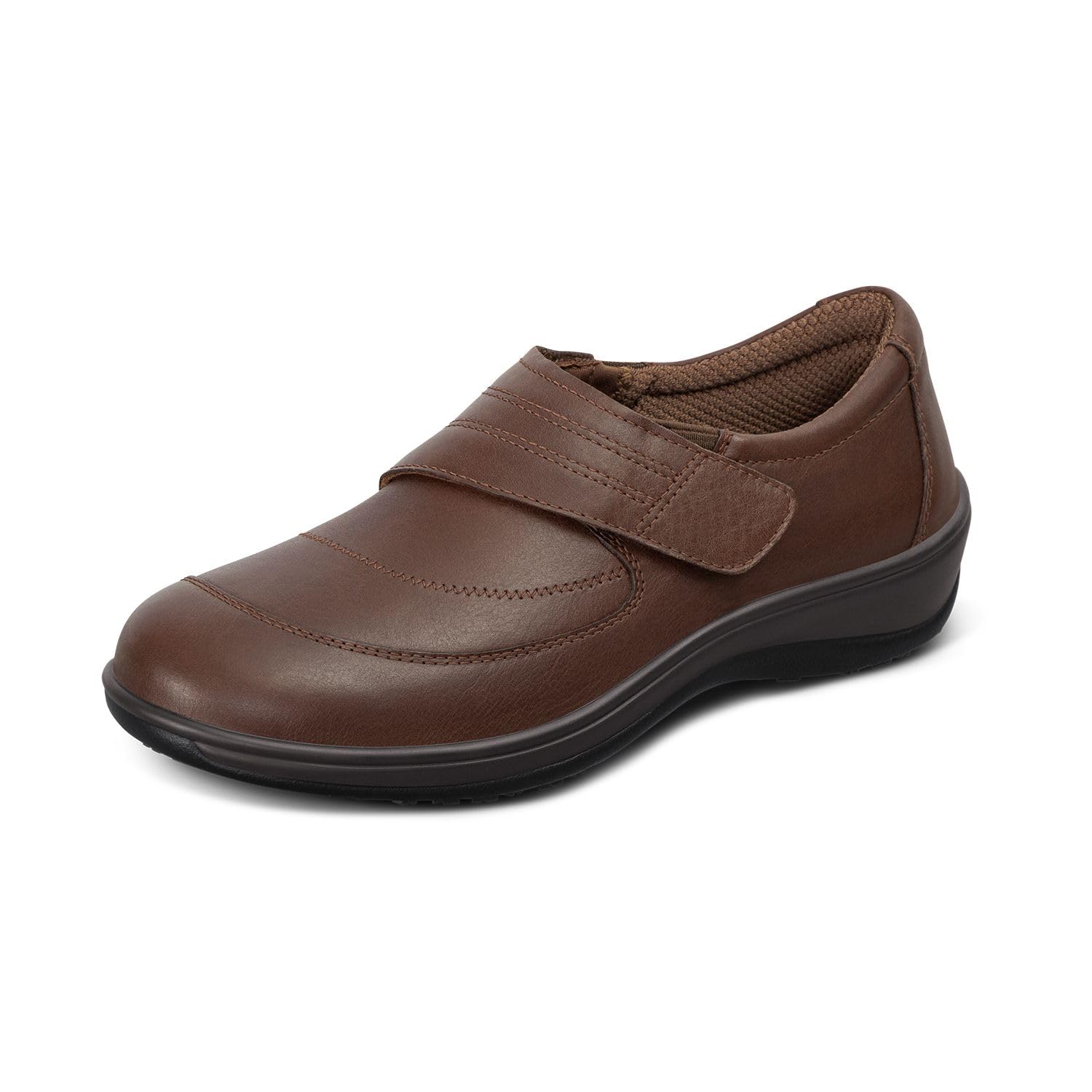
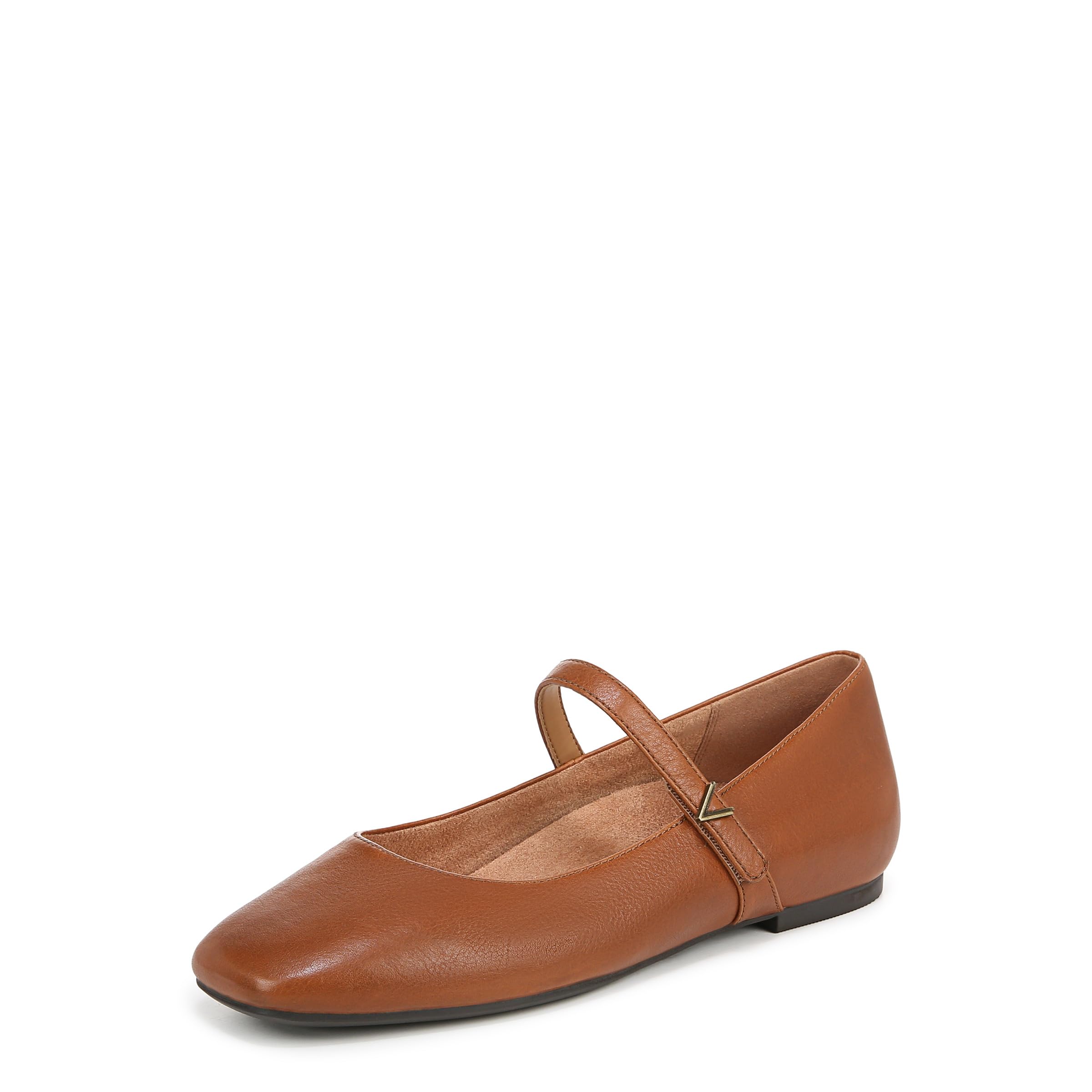


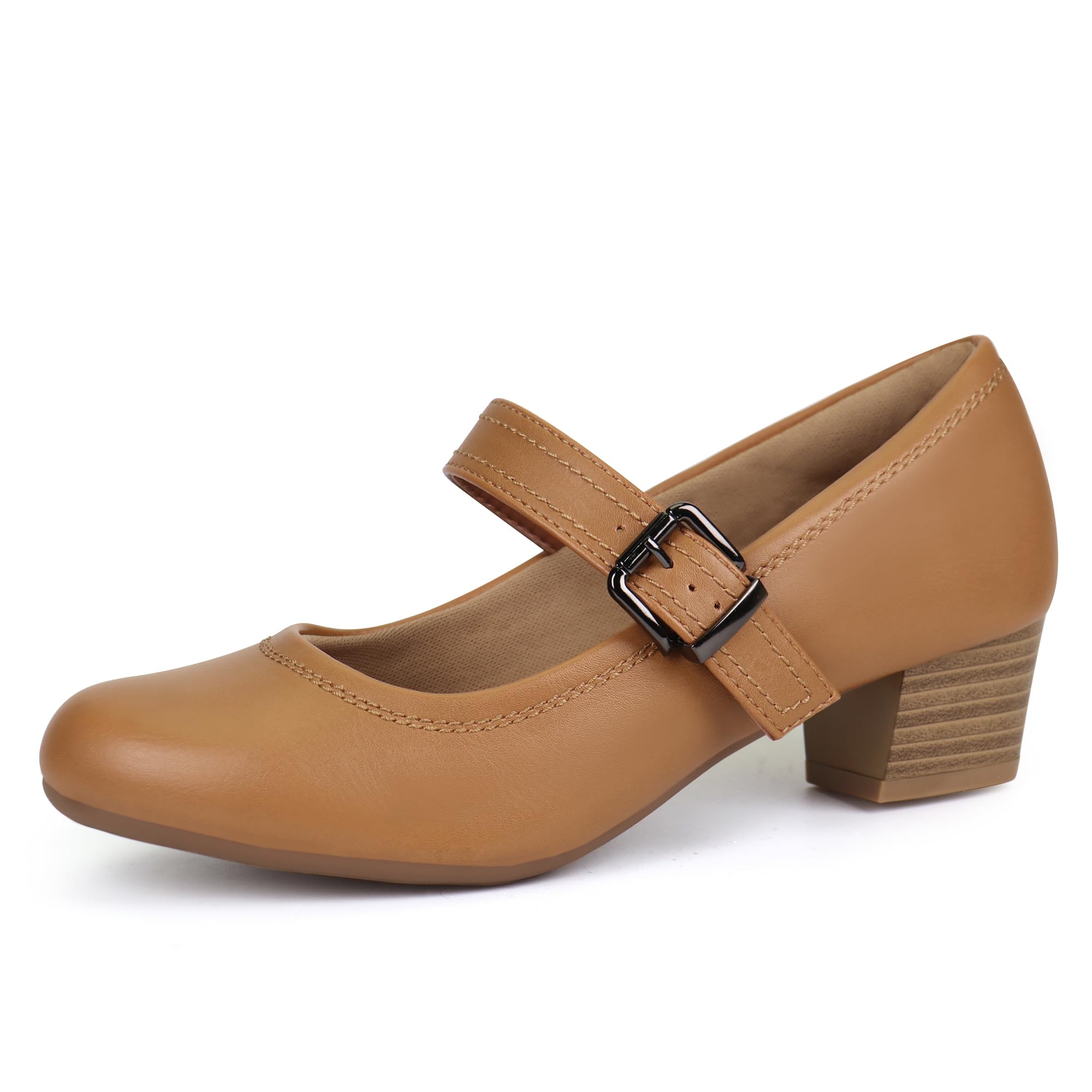
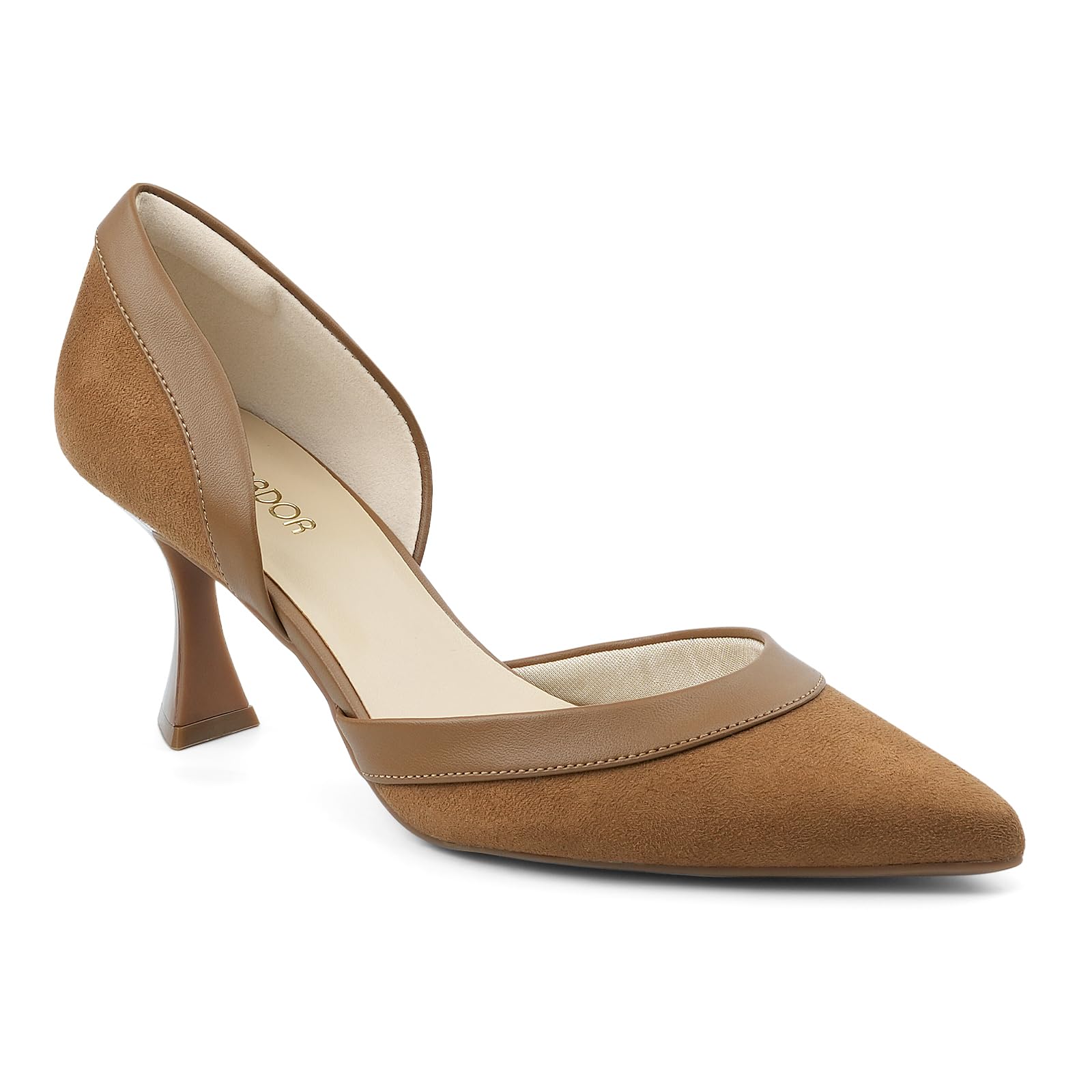
Who Should Buy Which Comfortable Dress Shoes?
Your commute, your dress code, and your storage space all shape the right choice. The three profiles below cover the most common work situations, and most readers will recognise their own week in one of them.
For Bad Weather and Tough Conditions
If your commute involves rain, slush, or long walks from transit, prioritise closed uppers in treated leather and an outsole with real tread. Water resistant finishes shed light rain, while fully lined styles cope better with winter. Keep a second pair at the office for the worst days, because arriving in wet shoes and staying in them all day softens skin and invites blisters. Grip matters more than elegance on wet stone and tile, so check the sole pattern closely.
For Small Spaces and Easy Storage
If you change shoes at work and store a pair in a desk drawer or a small locker, look for a light, flexible style that packs flat. Ballet flats and soft loafers take the least room, and unstructured uppers tolerate being tucked into a bag. Readers comparing lighter options can also see our guide to the best comfortable work shoes for styles built around long shifts. Choose a colour that matches most of your wardrobe, so one stored pair covers every outfit.
For Weekend Beginners
If you rarely wear dress shoes and need a pair for interviews, conferences, or occasional formal days, start simple and moderate. A low block heel or a flat with a cushioned insole gives a polished look without a long adjustment period. Avoid buying a high heel for a rare long event day, because untrained feet tire quickly. Spend on fit and padding rather than ornament, and break the pair in during two or three short outings before the day that matters.
Key Features to Compare
Comfort at work is a system of small things working together, from toe room at hour one to arch support at hour eight. Compare the five areas below in this order, because fit problems cannot be fixed by better materials later.
What Women Should Look For
Look for lasts shaped for a narrower heel and a wider forefoot, a common pattern that generic unisex sizing misses. Heel slip in a new pair rarely improves, so the back of the shoe should hold you from the first try on. Weight matters across a full day, and lighter shoes reduce calf fatigue on walking heavy routes. Also check strap and elastic placement, since edges that cross toe joints are a frequent source of rubbing that only appears after an hour.
Durability and Expected Lifespan
A work pair worn four or five days a week typically lasts about one to two years before cushioning and structure fade. Leather uppers that can be conditioned and polished outlast thin synthetics, and stitched soles usually outlast glued ones. Heel tips are a planned replacement item, and swapping them early protects the heel itself. Track wear by feel as much as by looks. When a pair that once felt fine starts leaving your arches tired, its supportive life is ending even if the upper still shines.
Cushioning and Support
Cushioning should be densest under the heel and the ball of the foot, where dress shoes concentrate pressure, especially with any heel height. A gentle arch contour spreads load across the midfoot and reduces the ache that builds during standing tasks like presenting or supervising. Heel to toe drop in dress shoes is set by heel height, so a lower, wider heel gives a flatter feel. If you wear prescribed inserts, confirm the insole removes. Our guide to the best comfortable dress shoes for work explains insert fit in more detail.
Features That Matter for Work
Work adds demands that evening wear never faces, starting with eight or more hours of continuous use and floors that range from carpet to polished concrete. A padded collar, a breathable lining, and a sole that grips on smooth lobby floors all earn their place. Closed styles suit most dress codes and protect toes in busy spaces. Think about noise too, because hard heel tips echo on tile in quiet offices. A rubber capped heel keeps both your grip and your discretion intact through the day.
Fit, Sizing, and Toe Box
Shop late in the day, when feet have swollen to their working size, and wear the hosiery or socks you will use at work. You need clear space ahead of your longest toe and width that lets toes lie flat without pressing the sides. Pointed styles should extend beyond your toes, never compress them. Sizes vary sharply between brands, so use centimetre length where listed. For a broader overview of shapes, see our guide to the best comfortable dress shoes and compare toe box designs before ordering.
Common Mistakes to Avoid When Buying Comfortable Dress Shoes
- Buying by price alone and ignoring how many hours a day the shoes must perform.
- Skipping the features women need most, such as heel hold and forefoot width in the same pair.
- Choosing a size from your trainer size without measuring, when dress shoe sizing runs differently.
- Testing on carpet only, which hides sole stiffness and grip problems that hard floors reveal.
- Ignoring the returns policy and warranty, even though fit faults often appear in week two.
Tips to Get the Most From Your Comfortable Dress Shoe
Rotate two pairs across the week if you can, because foam and leather both recover during a rest day, and rotation roughly doubles useful life. Air dry wet shoes at room temperature away from direct heat, which cracks leather and warps cushioning. Use shoe trees or loosely packed paper to hold shape overnight. Clean and condition leather monthly in heavy use. If you develop ongoing foot pain, numbness, or swelling that new shoes do not ease, talk with a clinician or podiatrist about your personal needs rather than buying pair after pair.
Frequently Asked Questions
What makes comfortable dress shoes for women different?
The difference lies in the last, the mould the shoe is built around, which shapes heel width, instep height, and forefoot room. Women specific lasts usually pair a narrower heel with a more generous toe area, reducing both heel slip and toe pressure in one design. Sizing and width options also tend to run smaller and more varied. Trying a style built on a unisex last often explains the familiar problem of a heel that slips while the toes still feel crowded.
What features matter most in comfortable dress shoes for work?
Fit comes first, then cushioning under the ball of the foot, then a stable heel you can stand on for hours. Breathable linings matter more at work than anywhere else, because feet stay enclosed far longer than in evening wear. Sole grip on smooth indoor floors is an underrated safety point. Decoration matters least of all. A plain pair with the right footbed will outperform an ornate pair on every working day, and nobody at work studies your shoes as closely as you fear.
How long is the break in period for dress shoes for work?
Expect about a week of short wears, building from two hours at home to a half day, before trusting a pair with a full shift. Leather softens and the footbed compresses to your shape during this window. Protect known rub spots with a plaster on day one rather than waiting for a blister. Pain that stays sharp, or numbness in the toes, signals a fit fault rather than normal adjustment, and that pair should be exchanged while returns are still simple.
Are expensive comfortable dress shoes worth it?
They can be, when the higher price buys better leather, a shaped footbed, and construction that a cobbler can repair. Cost per wear is the honest measure for work shoes, since a pair worn 200 days a year repays quality quickly. Premium styling alone, without those construction gains, is harder to justify. Many readers find their best value one step below the top tier, a pattern our guide to the best comfortable work shoes women's range also reflects.
Do I need waterproof dress shoes for work?
You need them only if your commute regularly soaks your shoes or your job moves between indoors and outdoors in wet weather. A membrane lining keeps rain out but adds warmth during long indoor hours, which some wearers find uncomfortable by afternoon. For light rain, treated leather plus an umbrella and a stored backup pair is usually enough. Decide by counting your genuinely wet commutes in a typical month, not by remembering the single worst storm of last year.
Can I wear comfortable dress shoes for work all day?
Yes, provided the pair fits your swollen afternoon foot, the heel is modest and stable, and you have broken them in gradually. Even a good pair benefits from small habits, like standing on both feet evenly and taking short walks rather than standing locked in one spot. Sit when the task allows, and change into your commute shoes for a long walk home. If all day wear still ends in real pain, the issue is fit or foot health, not toughness.
How often should I replace my comfortable dress shoes?
Plan on replacement when cushioning feels flat from the first hour, the heel wears unevenly, or the upper has stretched so much that your foot slides. For a pair worn most workdays, that point often arrives within about two years, earlier for soft synthetic styles. Heel tips and insoles can be renewed along the way, which stretches the interval. Replacing on time protects your knees and back as well as your feet, because worn support changes how you stand all day.
Wrapping Up
Start from your routine, insist on afternoon fit with room for your toes, and choose cushioning and heel stability that match your longest days. That order of priorities prevents most disappointing purchases. Check your finalists in the product table above, and you will find the best comfortable women's dress shoes for work for the job you actually do, in the building you actually work in, on the floors you actually cross.


