
Best Combination Microwave Ovens of 2026: Complete Buying Guide
Disclosure: We may earn a commission when you buy through links on this page, at no extra cost to you. As an Amazon Associate I earn from qualifying purchases. Learn more

Choose combination microwave ovens with confidence, comparing installation types, convection, air fry, capacity, and controls for your kitchen.
A best combination microwave ovens guide has to start with installation, because countertop, over range, built in, and drawer models suit very different kitchens. The cooking modes matter too, but a machine that does not fit your space will frustrate you every day. This guide walks through both questions in order.
Combination microwave ovens appeal to households that want fast reheating plus baking and crisping without a second full oven. They are also popular in renovations where a clean fitted look matters. The sections below help you match type, size, and features to your kitchen. The comparison table below gives a quick overview of the main types before the detailed guidance that follows.




Who Should Buy Best Combination Microwave Ovens
Installation and cooking habits together decide the best combination microwave oven for you.
For Renters and Small Homes
A countertop model suits renters because it needs no fitting work and can move with you. Choose a compact cavity that still fits your usual dishes. Check that the door opens fully in your available space.
For Family Kitchens
A family kitchen benefits from a larger cavity and strong convection for tray bakes and roasts. Over range and built in models free up counter space for prep work. Easy cleaning is important when a machine is used several times a day.
For Renovation Projects
A renovation project allows a built in or drawer model planned into cabinetry from the start. Confirm cutout dimensions and ventilation with your installer before ordering. A fitted model should look tidy and be easy to load at a comfortable height.
Types Compared
Installation type is the first decision, and each option has clear trade offs.
| Type | Best For | Typical Price |
|---|---|---|
| Countertop Models | Flexibility and low cost | about $150 to $400 |
| Over Range Models | Saving counter space | about $300 to $700 |
| Built In and Drawer Models | Fitted kitchens | about $800 to $1400 |
Countertop Models
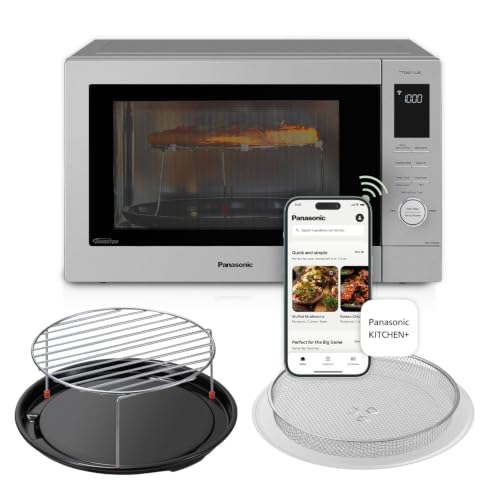
Countertop models plug in and sit on a work surface, making them the simplest choice. They suit renters and small kitchens. They take counter space and offer smaller cavities than fitted models, so measure carefully.
Over Range Models
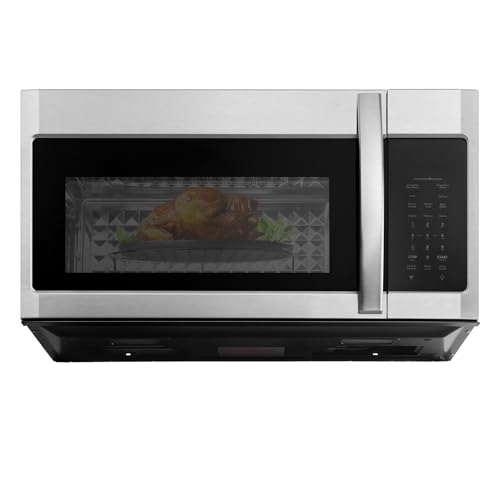
Over range models mount above a hob and combine cooking with ventilation. They free up counter space and suit kitchens with limited work surfaces. They need proper fitting and clearance above the hob, so check the manual before ordering.
Built In and Drawer Models
Built in and drawer models integrate into cabinetry for a tidy look and comfortable loading height. They suit renovations and larger budgets. Professional installation is usually required, and cutout sizes must be exact.
Key Features to Compare
Once installation is settled, these features decide daily satisfaction.
Convection and Air Fry Performance
Convection should heat evenly across the cavity, and air fry should crisp without drying food out. Look for a wide temperature range and a fan that runs quietly. If you bake weekly, even heat matters more than preset count.
Capacity and Turntable Size
Capacity in liters does not tell the full story, because tray shape and turntable size decide what fits. Measure your largest dish and baking tray before shopping. A cavity that fits your dishes with room for air circulation cooks more evenly.
Controls and Presets
Clear controls matter when hands are wet or busy. Simple dials suit confident cooks, while guided presets help beginners. Choose a display you can read from a normal standing distance in your kitchen lighting.
Ventilation and Noise
Over range models must vent steam and cooking smells effectively. Check fan speeds and noise levels if your kitchen opens into a living area. A loud fan can discourage use, especially in open plan homes.
Price and Value
Budget models around $150 to $300 are mainly countertop machines with basic combination modes. They suit small households and first time buyers. They cover reheating and occasional baking well.
Mid range models around $300 to $700 include over range and larger countertop machines with stronger convection. They suit family kitchens and regular cooking. Most buyers will find the best balance here.
Premium models around $700 to $1400 include built in and drawer machines with larger cavities and quieter operation. They suit renovations and serious cooks. Spend at this level only if the fitted look and extra capacity matter to you.
Fit, Setup, and Everyday Care
Plan the installation before delivery, and confirm electrical supply, ventilation gaps, and door clearance. Keep the area around the machine clear so steam can escape safely. Use dishes rated for both microwave and oven use in combination modes.
Clean the cavity and door seal regularly, especially after grilling and air frying. Remove and wash the turntable separately. If the door seal is damaged, arrange a qualified repair rather than continuing to use the machine.
Mistakes to Avoid
Avoid these mistakes to get a combination microwave oven that fits and performs well.
- Choosing a model before confirming installation type and available space.
- Judging capacity by liters without measuring dishes and trays.
- Paying for presets you will not use while ignoring even heat and controls.
- Fitting an over range model without checking hob clearance and ventilation.
- Neglecting cleaning, which causes odors and uneven cooking over time.
Before You Order
Before you order a combination microwave oven, confirm the installation type first. A countertop model needs an outlet and clearance, an over range model needs the right cabinet height and hob clearance, and a built in or drawer model needs an exact cutout and often an installer.
Then check the cavity against the dishes you use, read the ventilation notes, and confirm the delivery route and return terms. A fitted model that arrives and does not fit is far harder to return than a countertop one.
Related Guides
If you want a simpler countertop option, our guide to the best combination ovens microwave convection focuses on everyday sizes. You can also compare the best microwaves ovens, the best combination ovens and the best countertop microwave ovens guides.
Frequently Asked Questions
Which installation type is best for a small kitchen?
A countertop model is usually best for a small kitchen, because it needs no fitting work and can be moved. Over range models also save counter space if your hob layout allows proper fitting. Measure door swing and ventilation space before deciding.
Do combination microwave ovens bake as well as a full oven?
They bake well for everyday trays, roasts, and pastries, especially with true convection. Very large meals and several trays at once still suit a full oven better. For most weeknight cooking, a combination machine is a strong second oven.
What should I check about ventilation?
Check the manual for clearance gaps and fan requirements, especially for over range models. Steam must escape safely without damaging cabinets. A qualified installer should confirm ventilation for fitted models.
How do I choose between convection and air fry?
Convection suits baking and roasting evenly, while air fry suits crisping with little oil. Many households use both weekly. If you only bake occasionally, convection alone may be enough and will cost less.
Are drawer models worth the extra cost?
Drawer models suit fitted kitchens where a low, easy loading height and a tidy look matter. They cost more and need professional fitting. They are worth it in a renovation, but rarely needed as a simple replacement.
Final Thoughts
The right choice among best combination microwave ovens starts with installation, then capacity, then the cooking modes you will use most weeks. The product table above is a useful starting point, and the sections in this guide explain how to weigh each factor for your own situation.


