
Best Combination Ovens: Microwave, Convection and Steam Models Compared for 2026
Disclosure: We may earn a commission when you buy through links on this page, at no extra cost to you. As an Amazon Associate I earn from qualifying purchases. Learn more

Compare the best combination ovens that mix microwave, convection, air fry or steam cooking, and learn which type fits your kitchen and daily cooking.
A combination oven packs two or three ways of cooking into one cavity, so a single appliance can reheat soup, roast a chicken thigh and crisp a pizza. The best combination ovens are not simply the ones with the longest feature list. They are the ones whose mix of microwave power, hot air and optional steam matches the meals you actually cook on a Tuesday night.
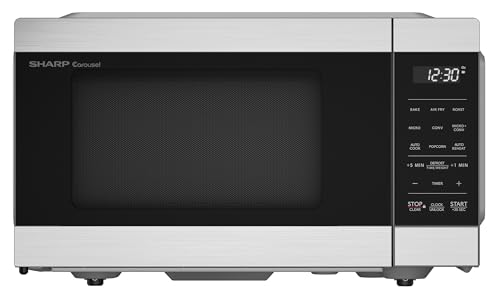
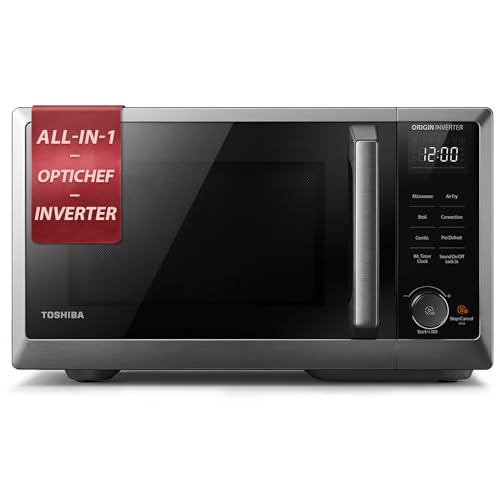
Most models fall into three families: countertop microwave convection units, built in microwave and oven combinations, and steam combi ovens. Each family solves a different problem, and the product table above shows examples from each. This guide explains how they differ so you can narrow the list before you compare prices.





How to Choose the Best Combination Ovens
Start with the cooking mix you want, then work out where the appliance will live. A unit that is perfect for a dorm kitchen can be frustrating in a family home, and the reverse is also true.
Microwave Plus Convection
This is the most common type. A magnetron heats food from the inside the way a standard microwave does, while a heating element and fan circulate hot air to brown the surface. The result is a reheated leftover that does not turn rubbery, or a baked potato that has a crisp skin without an hour in the oven.
Many current countertop models add an air fry mode, which is really a high speed convection cycle with a perforated tray. Expect good results on frozen fries and wings, but a smaller basket than a stand alone air fryer. If crisp food is the main goal, check how large the tray is before you buy.
Built In Microwave and Oven Combinations
Wall mounted units pair a conventional or convection oven with a microwave in one tall cabinet cutout. Titles in the table mention 24 inch and 30 inch widths, and those numbers matter more than any feature, because the cutout in your cabinets decides what fits. Measure width, height and depth, and confirm the electrical supply with an electrician before you order.
These units cost more than countertop models, but they free the counter and give you a real oven for roasting. They also look intentional in a remodel, which is why many buyers choose them when replacing an old wall oven.
Steam Combi Ovens
A steam combi adds a water reservoir so food can be cooked in moist heat, dry heat, or a blend. Bread gets a better crust, fish stays tender and reheated rice tastes freshly cooked. The trade is upkeep: you refill a tank and descale it every so often, and you need to wipe the cavity after steam cycles to keep it dry.
Features That Change Daily Use
Capacity and Turntable
Cavity size is quoted in cubic feet, and a larger interior only helps if a dinner plate or a 9 by 13 inch dish actually turns freely. A flat bed design without a turntable gives you more usable space, but heating can be less even in a pure microwave cycle. Decide which matters more to you.
Sensor Cooking and Presets
Sensor cook detects steam from the food and adjusts the time, which takes the guesswork out of potatoes, vegetables and popcorn. Presets are useful only if you can adjust them, so look for a manual mode that lets you set power and temperature yourself.
Cleaning and Build
Convection cycles splatter more than microwave only cooking. A smooth interior coating and a removable rack make cleanup faster, and a door that closes with a firm seal is a good sign of overall build. Ceramic style interiors scratch less than painted metal.
Matching a Type to Your Kitchen
Small kitchens and apartments usually do best with a countertop microwave convection unit, because it replaces a microwave and a toaster oven at once. Allow a few inches of clearance around the vents so the appliance does not overheat.
If you are renovating, a built in combination wall unit is worth a look, and our guide to the best combination wall ovens goes deeper on cutout sizes and installation. For a closer look at the most common countertop type, see the best combination ovens microwave convection guide. Steam fans can compare air fryer based designs in the best air fryer combination ovens guide.
Quick Buyer Checklist
- Do you want a countertop unit, a built in unit, or a steam combi?
- Does a full size dinner plate turn freely in the cavity?
- Is there a manual mode, not just presets, for convection temperature?
- Does the listing give clear wattage for the microwave part?
- Can the rack and tray go in the dishwasher or wipe clean easily?
- For built in models, do the width and cutout match your cabinets?
- Is the warranty clearly stated, with a support contact?
Red Flags to Watch For
- Air fry claims with no mention of tray size or a perforated basket.
- No stated microwave wattage, which makes cook times unpredictable.
- A very tight cavity that cannot hold a standard plate.
- Built in models with no installation guidance or cutout drawing.
- Reviews that mention rust or peeling interiors within the first months.
Care Tips
Wipe the interior after every convection or steam session, because baked on grease absorbs microwave energy and creates hot spots. Use only microwave safe dishes in microwave mode, and metal pans only when the manual allows them in convection mode. Keep the vents clear and descale steam models on the schedule in the manual.
FAQ
Is a combination oven better than a separate microwave and toaster oven?
It saves counter space and gives you speed with browning in one cycle, but a pair of separate appliances can each be larger. If you cook for one or two people, one combination unit usually does the job.
Can I bake a cake in a countertop combination oven?
Yes, if the cavity fits your pan and the unit has a convection only mode. Use the baking cycle without the microwave, and expect to check doneness a little earlier than in a full size oven.
Do built in combination ovens need special wiring?
Often they do, because many need a dedicated circuit. Check the installation sheet and ask an electrician to confirm your supply before you order.
The best combination ovens make daily cooking simpler: they reheat gently, brown well and clean up quickly. Pick the type that fits your space first, then use the product table above to compare size and features.


