
Best Combination Ovens Microwave Convection of 2026: Complete Buying Guide
Disclosure: We may earn a commission when you buy through links on this page, at no extra cost to you. As an Amazon Associate I earn from qualifying purchases. Learn more

Learn how to choose the best combination ovens microwave convection for your kitchen with guidance on size, wattage, ventilation, and cooking features.
A combination oven that pairs a microwave with a convection oven promises two appliances in one footprint. It reheats leftovers fast, yet it can also roast a chicken, bake cookies, and crisp a casserole the way a small oven does. Choosing the best combination ovens microwave convection for your kitchen comes down to fit, power, and how you actually cook during the week.
This guide walks you through sizes, wattage, ventilation, and the features that earn their keep. You will also find the comparison table below, which gathers the key specs in one place so you can spot differences quickly before you read the details.


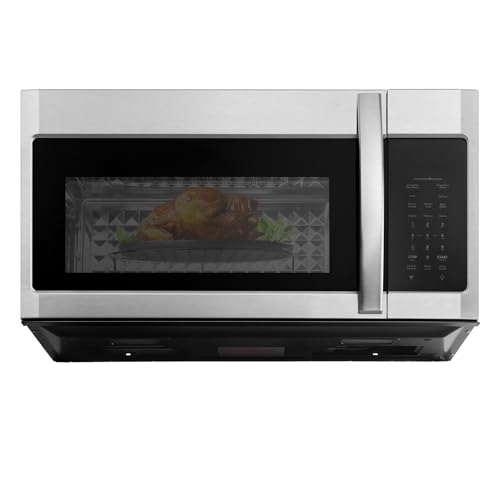

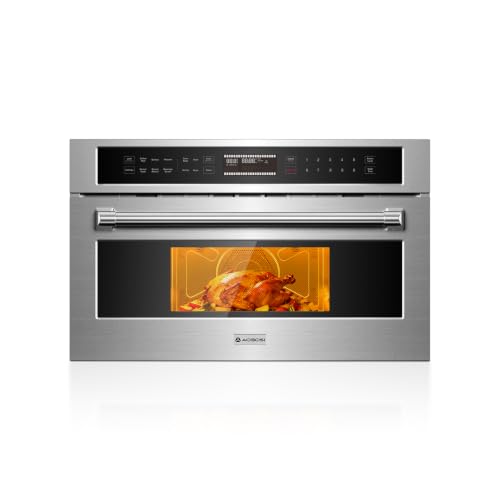

What Each Price Tier Delivers
Prices for these appliances vary widely, and the tier you choose mostly decides which conveniences you get. Instead of chasing a single model, use the tiers below to match spending to the features you will use every week.
Budget Tier, Around $250 to $450
Budget models are usually countertop units with about 0.9 to 1.2 cubic feet of space and 900 to 1,000 watts of microwave power. Convection heat is present but basic, often with a simple dial or a short list of preset temperatures. Expect a turntable, a handful of auto cook menus, and a painted or stainless interior that needs regular wiping. This tier suits small households that reheat often and bake or roast only now and then. The main limits are slower browning and smaller pans, so a standard quarter sheet pan may not fit.
Mid Range Tier, Around $450 to $800
The middle tier is where most buyers land, and it is easy to see why. Capacity grows to about 1.4 to 1.7 cubic feet, microwave power reaches 1,000 to 1,100 watts, and convection cooking gains better temperature control. Sensor cooking, inverter power delivery, and easy clean interiors show up here, along with air fry modes on some models. Over the range versions in this range add stronger ventilation, often around 300 to 400 CFM. If you cook real meals several nights a week, this tier balances performance and price well.
Premium Tier, Around $800 and Up
Premium models include built in and large over the range units with 1.7 to 2.2 cubic feet, convection elements with true temperature holding, and steam or combination cooking modes on some designs. Interiors are usually stainless steel, controls feel more precise, and ventilation can reach 400 CFM or more with quieter fans. You also pay for installation flexibility, trim kits, and finishes that match a renovated kitchen. Choose this tier if the appliance will replace a second oven or anchor a remodel, not just reheat coffee.
How to Choose the Best Combination Ovens Microwave Convection: Buying Guide
The sections below cover the decisions that matter most, in the order most shoppers face them. Start with where the unit will live, then work through power, size, and the features that affect daily cooking.
Installation Type (Countertop, Over the Range, Built In, Drawer)
Countertop models need only an outlet and a few inches of clearance, which makes them the simplest choice for renters. Over the range units save counter space and add ventilation, but they need the right cabinet height and a mounting plan. Built in models sit inside cabinetry for a seamless look and usually require a trim kit and a dedicated circuit. Drawer models open from the top and suit islands, though they cost more and offer less convection space. Measure your cutout or counter depth before anything else, because a unit that does not fit is useless no matter how strong its specs look.
Wattage and Cooking Power
Microwave wattage drives speed more than any other number. A 700 watt unit reheats a mug of soup slowly and cooks unevenly in large bowls, while 1,000 watts or more handles family portions with far fewer cold spots. Convection power is listed separately and affects how fast the cavity reaches baking temperature. For most households, 1,000 to 1,100 watts of microwave power plus a convection element around 1,400 watts or more gives quick reheats and reliable roasting. Very high wattage in a tiny cavity can scorch small items, so power should match the size you pick.
Interior Finish and Easy Cleaning
The inside surface decides how much scrubbing your future holds. Ceramic enamel interiors wipe clean with a damp cloth and resist staining from tomato sauce and turmeric. Stainless steel interiors are durable and handle convection heat well, though they show splatters more clearly. Some models add a steam clean cycle that loosens dried food in about ten minutes. A removable turntable and a smooth floor without deep grooves also help, since crumbs love corners. If you hate cleaning appliances, put interior finish near the top of your list.
Capacity in Cubic Feet
Capacity ranges from about 0.7 cubic feet for compact microwaves to 2.2 cubic feet for large over the range models. A 0.9 to 1.2 cubic foot cavity fits a dinner plate and a medium casserole, which covers most reheating. Families who bake in the same unit should look at 1.4 cubic feet or more, and check the turntable diameter, usually 12 to 14 inches, against your largest dish. Height matters too: a tall travel mug or a whole chicken needs vertical room, especially with a convection rack in place. Bring your biggest dish measurements when you shop.
Ventilation (CFM) for Over the Range Models
CFM, or cubic feet per minute, tells you how much air the fan moves. A rating around 300 CFM handles everyday stovetop steam and light frying, while 400 CFM suits frequent searing and wok cooking. Some units recirculate air through a charcoal filter, which is simpler to install but less effective at removing heat and moisture. Venting outside works better and is worth the duct work if your kitchen layout allows it. Grease filters need monthly washing either way, so pick a model where the filters slide out without tools.
Inverter Technology
A standard microwave delivers low power by cycling full power on and off, which can cook edges while the center stays cold. An inverter supplies steady power at the level you set, so defrosting ground beef stays even and sauces simmer without erupting. The difference shows most in delicate jobs like melting butter, proofing dough on low heat, or reheating fish. Inverter models often cost a little more and can weigh less because they skip a heavy transformer. If you defrost meat several times a week, this feature earns its price.
Sensor Cooking and Presets
Sensor cooking measures steam released by food and adjusts time automatically, which takes the guesswork out of reheating plates and cooking potatoes. Good presets cover popcorn, beverages, frozen entrees, and vegetables, and the better ones let you adjust for portion size. Treat preset counts with skepticism, since a long menu of buttons you never touch adds little. What matters is that the sensor can stop the cycle when food is done rather than running a fixed timer. If you want a broader look at how these features compare across models, see our guide to the best microwave convection ovens for more detail.
Types of Combination Ovens Microwave Convections
Most models fall into a few broad families. Knowing which family fits your kitchen narrows the field fast.
Compact Microwaves
Compact models run about 0.7 to 0.9 cubic feet and suit dorm rooms, offices, and small apartments. They reheat single servings well but limit convection cooking to small portions. If counter depth is your main constraint, start with our overview of the best small microwave convection ovens to see what fits tight spaces.
Countertop Microwaves
Countertop models are the most flexible family, spanning roughly 1.0 to 1.7 cubic feet with no installation beyond an outlet. They move with you, offer the widest price range, and include most convection features. Our roundup of the best convection microwave countertop ovens explains the size and power trade offs in this group.
Convection Microwave Combos
This family puts convection performance first, with stronger elements, racks for two level cooking, and wider temperature ranges. They suit bakers and anyone replacing a second oven. A related way to browse the category is through the best combination microwave ovens, which covers similar ground with a slightly different naming angle.
Over the Range (OTR) Microwaves
Over the range models mount above your cooktop, combine cooking with ventilation, and free up counter space. They are usually 1.6 to 2.2 cubic feet, the largest of any family. The trade off is installation effort and a fixed position, so measure cabinet height carefully before you commit.
How to Make Your Combination Ovens Microwave Convection Last Longer
- Leave clearance: Keep at least 3 inches of space around countertop models so heat can escape and the fan is not strained.
- Never run it empty: Running a microwave with nothing inside can damage the magnetron, because the energy has nowhere to go.
- Clean splatters weekly: Heat a bowl of water with lemon slices for a few minutes, then wipe the softened residue away.
- Check the exhaust filter monthly: On over the range models, wash the grease filter and replace charcoal filters on schedule.
- Cover food loosely: A cover or paper towel keeps splatter down and reduces how often you need a deep clean.
- Close the door gently: Slamming wears the door latches, and a door that does not seal well is a safety and performance problem.
FAQs
Can an over the range microwave replace a range hood?
It can for light and moderate cooking, but a dedicated hood usually moves more air and captures steam better. Over the range units rated around 300 to 400 CFM handle daily frying and boiling comfortably. Heavy searing, wok cooking, and canning produce more steam than most built in fans clear well. If you cook that way often, vent the unit outside rather than recirculating, and open a nearby window during long sessions.
What size combination ovens microwave convection do I need?
Most households do well with 1.2 to 1.6 cubic feet, which fits a large dinner plate, a medium casserole, and a roasting rack. Singles and couples can drop to about 0.9 cubic feet if counter space is tight. Bakers who want to use standard pans should check interior width and turntable diameter, not just the headline capacity. When in doubt, measure your largest dish and add an inch of clearance on each side.
Is 1,000 watts enough for a microwave?
Yes, 1,000 watts is the sweet spot for most homes. It reheats a full plate evenly in a few minutes and follows packaged food directions, which are usually written for 1,000 to 1,100 watt models. Lower wattage units cook the same food eventually but need longer times and more stirring. Much higher wattage mainly helps very large portions, and it can overcook small items if you are not watching.
How long do microwaves typically last?
Most microwaves last about 7 to 10 years with normal home use. The magnetron and door switches wear first, and convection elements can lose efficiency over time. Cleaning the interior, keeping filters fresh, and avoiding empty runs all extend service life. When repair quotes approach half the price of a comparable new unit, replacement usually makes more sense, especially since newer models add inverter control and better sensors.
Is an inverter microwave worth it?
It is worth it if you defrost often or reheat delicate foods like fish, eggs, and sauces. Steady low power prevents the cooked edges and frozen centers that cycling power causes. Casual users who mostly reheat coffee and leftovers may not notice a big difference. The price gap has narrowed, so if two similar models differ mainly on this feature, the inverter version is the safer long term choice.
Wrapping Up
Start with installation type and capacity, because a unit that fits your kitchen and your largest dish beats any feature list. Then check wattage, ventilation if you cook over the range, and the cleaning and sensor features you will use weekly. Keep the product table above open as you compare, and the best combination ovens microwave convection for your home should become clear without much second guessing.


