
Best Color Printers for Pictures 2026: A Buying Guide
Disclosure: We may earn a commission when you buy through links on this page, at no extra cost to you. As an Amazon Associate I earn from qualifying purchases. Learn more
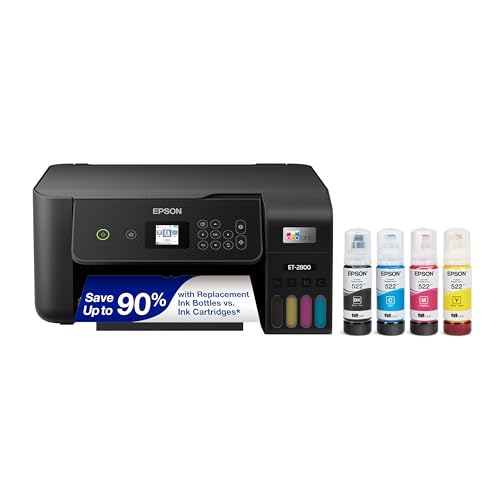
The best color printers for pictures make everyday printing easy, with reliable color, simple phone printing and ink costs that stay reasonable.
If you print pictures for albums, gifts, or classroom displays, the best color printers for pictures should make the process easy, not fussy. You want reliable color, paper that does not jam, and running costs that stay reasonable. The comparison table below gives an overview, and this guide explains the choices in plain language.
Picture printing covers a wide range, from quick phone snapshots to careful enlargements. This guide focuses on everyday picture printing rather than professional studio work, so you can match a printer to real family and home use without overspending on features you will never touch.
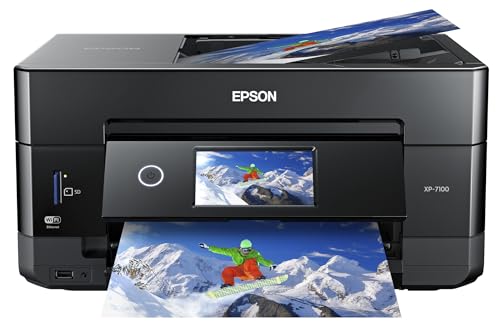
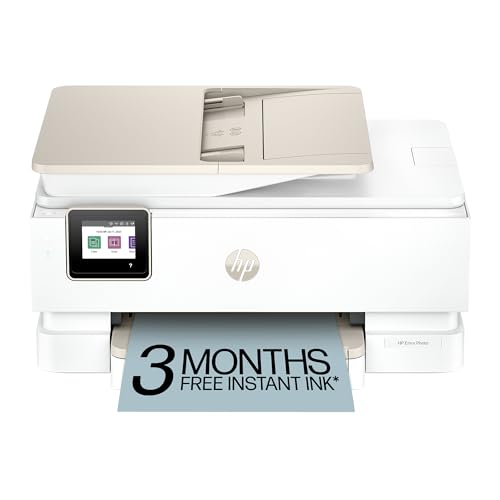
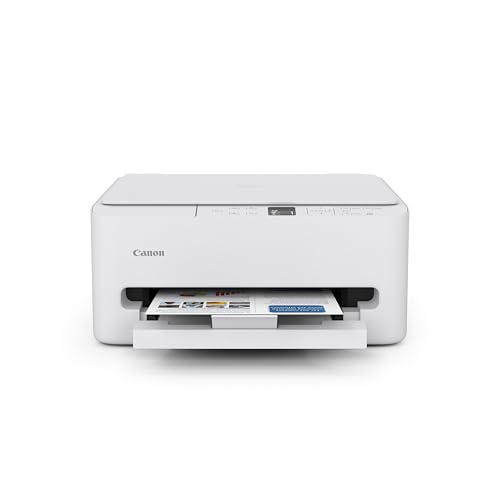

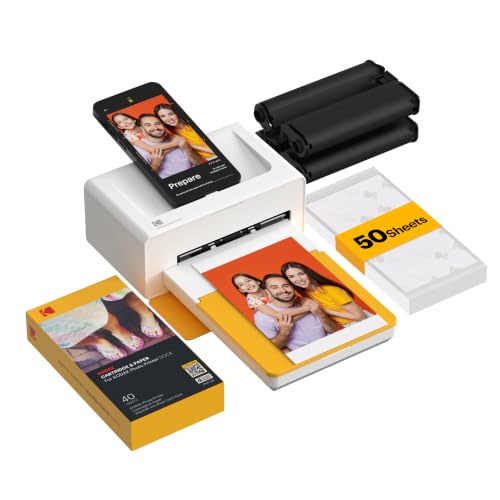
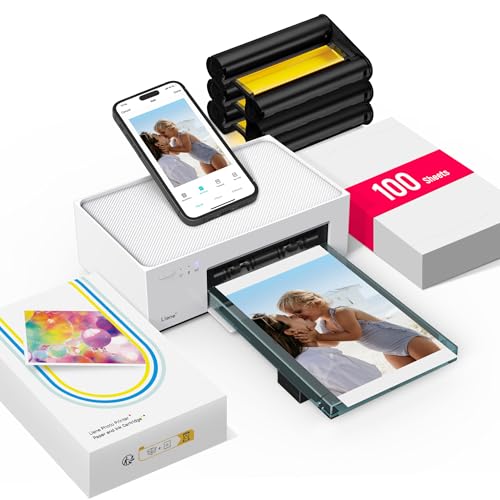
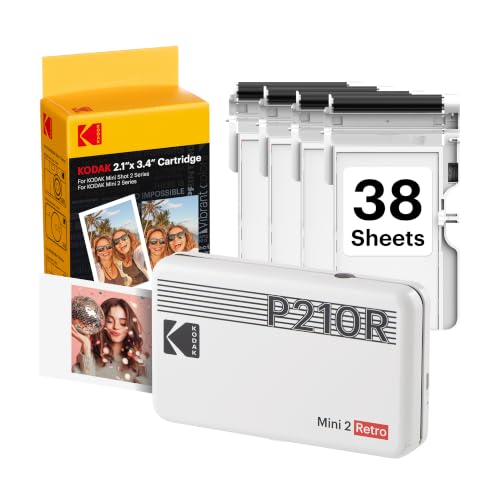
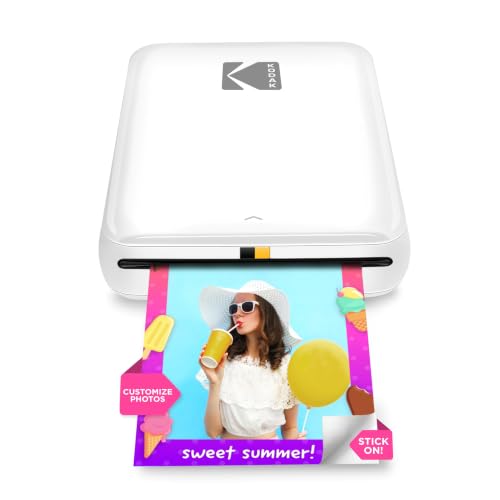

What Everyday Picture Printing Needs
Everyday picture printing values speed and simplicity. You want to send a picture from a phone, get a clean print, and move on. Complicated color menus and fragile paper paths get in the way of that, so ease of use matters as much as raw quality for most households.
Think about who will use the printer. Children, grandparents, and guests all benefit from a simple app and a clear paper loading path. A printer that only one person in the house can operate will print far less than one the whole family feels comfortable using.
Features That Matter Most
Ink system design shapes your long term costs. Some printers use small cartridges that need frequent replacement, while others use large tanks that you refill from bottles. Tank systems often cost less per page for heavy users, but they make sense only if you print regularly enough to justify the higher starting price.
Color Quality for Snapshots
For snapshots, look for natural skin tones and clean gradients rather than extreme resolution claims. Smooth transitions in skies and faces matter more in everyday pictures than fine detail in tiny text. A short sample print of a family photo tells you more than any spec sheet.
Paper settings matter here too. Choosing the photo paper setting for photo paper, and the plain paper setting for plain paper, prevents the most common color complaints. Keep a small pack of each paper type on hand so you are not tempted to print photos on the wrong stock.
Size, Speed, and Paper Capacity
Most everyday printing uses standard snapshot or letter sizes, so a printer that handles those well covers most needs. Larger formats are a bonus, not a requirement, unless you regularly frame big prints. Speed matters when you print batches for events or gifts, so check how long a full color page takes rather than the black only speed.
Paper capacity matters for batch printing. A tray that holds only a few sheets forces constant refills during a big run. If you print party invitations or holiday cards in bulk, a deeper tray and a straight paper path reduce frustration a lot.
Ink Costs and How to Keep Them Down
Ink is where picture printing budgets quietly grow. Compare the price of a full ink set and the number of pages it is rated to produce, then divide to get a rough cost per page. Keep in mind that photo pages use more ink than text pages, so photo costs run higher than the headline page yield suggests.
Subscription ink plans can help steady users, since they send ink before you run out. They only save money if your print volume matches the plan tier. Light users often do better buying cartridges as needed, while heavy users benefit from tank systems or higher yield cartridges.
Avoid letting a printer sit unused for months. Dried ink leads to cleaning cycles that consume ink without producing a single picture. A short print every week or two keeps the system healthy and protects your investment.
Wireless Printing and Phone Photos
Most pictures now start on a phone, so wireless printing should be smooth. Check that the printer app preserves full resolution and lets you crop and adjust brightness before printing. Some apps compress images, which softens detail in larger prints even when the printer itself is capable of more.
If your home network is unreliable, look for a direct wireless connection option that links the phone to the printer without a router. This helps at gatherings and in rooms with weak signal. A memory card slot or USB port gives another backup route for important prints.
Choosing by Budget Without Regret
Budget printers suit light picture printing, such as a few snapshots a month. Midrange printers add better color handling, larger ink supplies, and sturdier paper paths, which suit weekly printing. Premium printers serve people who print often, need larger sizes, or want the widest color range.
The best value is rarely the cheapest machine or the most expensive one. It is the machine whose ink costs, paper handling, and print sizes match your actual habits. Write down how many pictures you print in a typical month before shopping, and let that number guide your tier.
If your focus is photos specifically rather than pictures in general, see our guide to best color printers for photos. For a broader comparison, see best color printers and best printers for pictures. Color focused shoppers may also compare best printers for color printing, and multifunction fans should look at best multifunction color printers.
Setting Up for Everyday Printing
Place the printer where the whole household can reach it easily, with space for paper loading and output. Keep a small stock of photo paper and plain paper nearby, clearly labeled, so no one prints pictures on the wrong stock in a hurry. Labeling prevents the most common everyday color complaint.
Connect the printer to your home network and sample printing from each phone that will use it. Confirm that full resolution files transfer correctly and that cropping tools behave as expected. A ten minute setup check prevents frustration during birthday parties and holiday rushes.
Create a simple routine for batch printing, such as printing event pictures within a few days while memories are fresh. Batching reduces repeated setup and keeps ink flowing, which also helps prevent clogs from long idle periods.
Keeping Picture Costs Under Control
Track how many pictures you print each month for a short while, then match ink buying to that reality. Heavy months may justify larger cartridges or tank systems, while light months suit standard cartridges bought as needed. Guessing leads to either stockouts or wasted ink.
Save large prints for your best shots and use standard sizes for everyday sharing. This habit cuts paper and ink costs without reducing enjoyment, since most pictures look lovely at standard sizes in albums and frames.
Store paper flat and dry, and keep partially used packs sealed between sessions. Damp or curled paper jams more often and wastes ink on reprints, so simple storage discipline pays off quickly in a busy household.
Choosing Between Printer Types
Dedicated photo printers give the best color depth and paper choices for picture lovers, while multifunction printers add scanning and copying for family paperwork. If pictures dominate your printing, favor photo strengths over office extras that you rarely use.
Tank printers suit heavy picture households, while cartridge printers suit light and moderate users. Compare the total cost over your expected printing life, including paper, rather than judging by the machine price alone.
If you print mostly from phones, prioritize app quality and wireless reliability over headline resolution. A printer that prints smoothly from every family phone will produce more pictures than a technically superior model that frustrates users.
Think in terms of the family routine, since the best color printers for pictures are the ones everyone in the house is willing to use.
Frequently Asked Questions
Can I print pictures from my phone without a computer?
Yes, most current printers support phone printing through an app or a direct wireless link. Check that the app keeps full resolution and offers basic cropping and brightness controls. For best results, use original image files rather than copies shared through messaging apps.
Why do my picture prints have streaks or bands?
Streaks usually point to a clogged nozzle, low ink, or damp or curled paper. Run a nozzle check, replace any empty cartridge, and load flat dry paper. If banding persists after cleaning, check the paper setting, since the wrong setting changes how much ink is laid down.
Should I buy a printer with separate ink tanks?
Tank printers usually cost less per page, which helps frequent printers. They cost more upfront and suit households that print regularly. Light printers often do better with standard cartridges, since they avoid tying up money in a system they rarely use.
What paper should I use for everyday pictures?
Standard glossy or luster photo paper suits most everyday pictures and gives pleasing color. Keep matte paper on hand for prints that will be handled a lot or framed in bright rooms. Buy small packs first to find the finish you prefer.
How do I store printed pictures so they last?
Store prints in albums or boxes away from sunlight, heat, and humidity. Avoid stacking fresh prints face to face until fully dry, and handle them by the edges. Framed prints last longer behind glass and away from direct sun.
Final Thoughts
Everyday picture printing should feel simple: send the picture, get a clean print, and enjoy it. Match ink costs and paper handling to your real monthly volume, and do not pay for professional features you will not use. The product table above is a good place to compare the main options side by side.
Start from your habits, try a few favorite pictures, and choose the best color printers for pictures for your household. A printer that fits your routine will get used, and a printer that gets used is the one that delivers real value.

