Best Cold Weather Tactical Boots for Every Need: How to Pick the Right One for 2026
Disclosure: We may earn a commission when you buy through links on this page, at no extra cost to you. As an Amazon Associate I earn from qualifying purchases. Learn more

Compare the best cold weather tactical boots by insulation, waterproofing, traction and fit for winter duty.
There is no single pair that suits every winter assignment, because a patrol shift on cleared pavement asks for different things than a rural post in deep snow. The right best cold weather tactical boots for you depends on how cold it gets, how long you stand or walk, and how much grip and ankle support your work demands. Start with your actual use, not the warmest rating on the box.
This guide walks through insulation, waterproofing, traction, and fit in plain terms so you can match each feature to your conditions. Use the comparison table below to line up insulation levels, heights, and closure types side by side, then read on for the details that decide comfort on a long cold day.
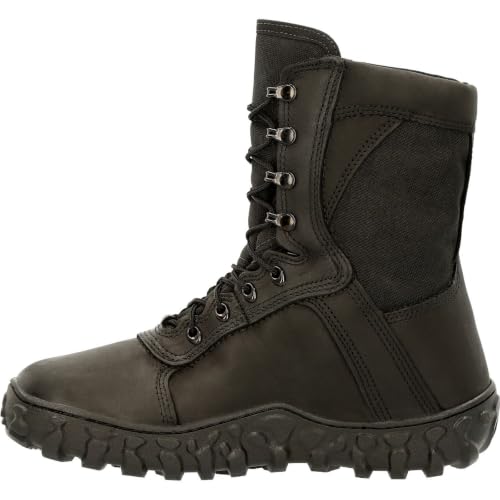


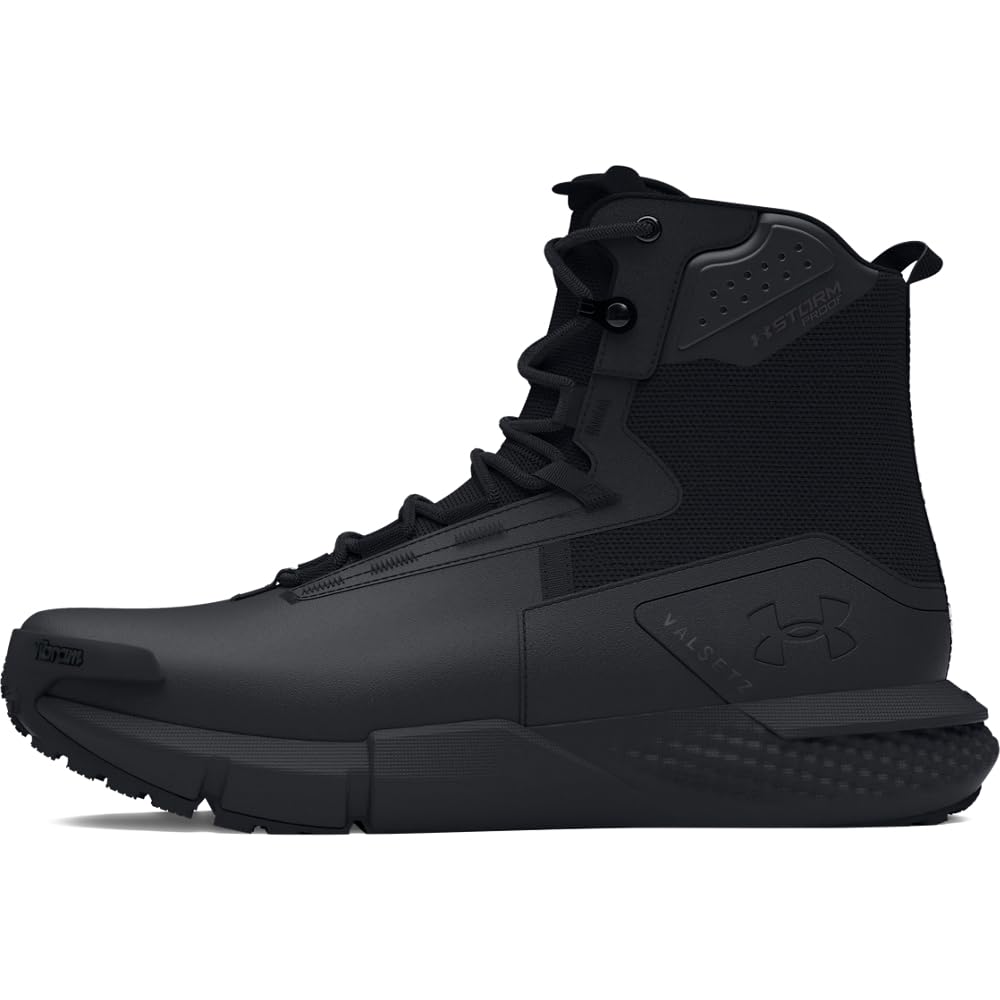

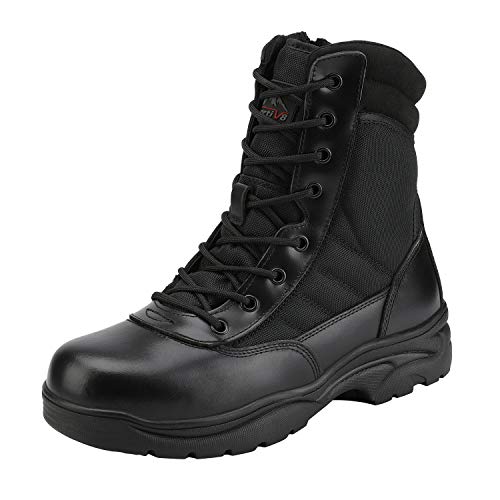


Who Should Buy Which Cold Weather Tactical Boots?
Your job and terrain should drive the choice more than any single feature. The four groups below cover the most common winter uses, and each one points to a different balance of warmth, weight, and support.
Patrol and Security Staff on Long Shifts
You spend hours on your feet, often standing still on concrete or asphalt where cold rises straight through the sole. Prioritize steady insulation in the 200 to 400 gram range, generous cushioning under the heel and forefoot, and a shaft that supports the ankle without feeling stiff. A moderate weight matters because heavy boots tire your legs by the end of a shift. If your work is mostly urban and less tactical, see our guide to the best cold weather boots for broader winter choices.
Military and Training Users in the Field
Field work adds uneven ground, load carrying, and sudden changes in pace, so stability and a secure fit matter as much as warmth. Look for a firm heel counter, a lacing system that locks the midfoot, and an outsole with deep lugs that clear mud and snow. Durability counts too, since scuffs, flexing, and damp grass wear boots fast. For long approaches on trails, you can also compare the best hiking boots for cold weather to see how trail designs handle distance.
Outdoor Workers and Rural Postings
If you work around farms, depots, road crews, or remote sites, you face slush, ice, and long stretches far from a warm room. Choose stronger waterproofing, higher insulation, and a taller shaft that keeps snow out when you step off a cleared path. A wide toe box helps when you wear thick socks all day. Readers whose days look more like job site work may also want our guide to the best cold weather work boots for safety toe and workplace notes.
Hunters and Quiet Outdoor Users
Still hunting and slow movement in cold woods call for warmth during long motionless periods, plus quiet flexible soles that do not crunch loudly on frozen leaves. Insulation toward the higher end suits sitting still, while softer rubber stays pliable in the cold. Camouflage is less important than fit and dry feet. For still hunting focused options and scent and silence notes, see our guide to the best cold weather hunting boots alongside this one.
Key Features to Compare
The product table above gives you the headline specs, but the sections below explain what each spec feels like in use. When you compare the best cold weather tactical boots side by side, read them in order if you are new to winter tactical footwear, since insulation, waterproofing, and fit all work together.
Insulation Level and Temperature Fit
Insulation is usually listed in grams, and more grams generally means more warmth for less active use. Around 200 grams suits active work in mild winter cold, 400 grams covers most cold duty days, and 800 grams or more suits very cold weather with low activity. Activity matters because a moving foot makes its own heat, while a standing foot loses heat fast. Choose for the coldest hour of your shift and your activity level, not for the average forecast.
Waterproofing and Breathability
A waterproof membrane keeps meltwater and slush out, and many designs use Gore Tex or a similar branded or house membrane. Sealed seams and a gusseted tongue matter as much as the membrane, because water often enters at the tongue and lace area first. No membrane is fully breathable in hard work, so your feet may still feel damp from sweat on active days. If you want waterproof boots that stay comfortable, match the membrane to your pace and carry spare socks for long damp shifts.
Outsole Traction on Ice and Snow
The outsole decides whether you stay upright on packed snow, wet tile, and icy steps. Look for rubber that stays flexible in low temperatures, since hard rubber skates on ice, and for lugs that are spaced wide enough to shed snow instead of packing flat. A defined heel breast helps on ladders and steep slopes. No lug pattern grips smooth ice like a dedicated ice device, so slow down on glare ice and treat makers claims about miracle grip with care.
Fit, Sizing, and Toe Box Room
Fit is the feature readers most often get wrong. Try boots late in the day, when feet are at their largest, and wear the exact socks you plan to use on duty. Your toes should wiggle freely and never press the front when you walk downhill or kick a step. A roomy toe box also traps warm air and protects circulation, which keeps toes warmer. Men comparing standard winter lasts may find our guide to the best cold weather men's boots useful for general sizing context.
Cushioning, Stability, and Heel to Toe Drop
Cushioning softens impact on pavement, while stability keeps the ankle from rolling on rutted snow and hidden curbs. Most tactical boots use a fairly flat heel to toe drop, which feels steady under load and suits long standing. If you have flat feet or high arches, the insole shape matters more than softness alone, and a replacement insole can fine tune support. Think of neutral shoes as a comfort reference only, because a winter tactical boot should feel firmer and more protective than a trainer.
How to Size and Check Fit at Home
Order with enough time to try them indoors before your first shift, and keep the boots clean so a return stays possible if the size is wrong. Wear your winter socks, lace firmly from the bottom up, and walk, squat, climb stairs, and stand still for several minutes. Your heel should stay seated with only slight movement, and no single spot should pinch or rub.
Check length by pressing just beyond your longest toe while standing, where you want roughly a thumb width of space. That space covers foot swell during a shift and the extra sock thickness that winter demands. If one foot is larger, fit the larger foot and use lacing tension or a thicker insole to settle the smaller one. Boots that feel fine for five minutes in a store can still fail at hour six, so a longer home trial is worth the effort.
Common Mistakes to Avoid When Buying Cold Weather Tactical Boots
- Choosing insulation by the lowest temperature rating alone, which can leave active users sweating and then chilling when they stop moving.
- Buying your summer shoe size without room for thick socks, which squeezes circulation and makes your toes feel colder.
- Ignoring outsole rubber and lug spacing, which leaves you slipping on packed snow even when the upper is warm and dry.
- Picking the tallest and heaviest boot for mostly indoor and vehicle work, which tires your legs and slows you down all shift.
- Skipping the warranty and return terms, which matters because seams, eyelets, and sole bonds get hard use in winter grit and salt.
How to Make Your Cold Weather Tactical Boots Last Longer
Care for these boots only, since winter tactical footwear fails in specific ways. Brush off salt and grit after each use, because road salt dries leather and eats stitching over time. Air dry wet boots at room temperature away from direct heat, and loosen the laces so air reaches the lining. Drying too fast near a heater cracks leather and can warp the sole bond.
Rotate two pairs if you wear them daily, giving each pair a full day to dry and recover its cushioning. Treat leather uppers with the conditioner the maker allows, and reproof fabric and leather blends when water stops beading on the surface. Store boots upright in a dry place with the shafts supported, and check laces, eyelets, and sole edges each month so small damage gets fixed before it spreads.
Frequently Asked Questions
How often should you replace cold weather tactical boots?
Replace cold weather tactical boots when the outsole lugs are worn smooth, the midsole feels flat and harsh, or the waterproofing leaks after reproofing. For daily duty use that often means about one to two winter seasons, though lighter use stretches life further. A useful extra check is ankle support, since a stretched and sloppy shaft is a safety issue even if the sole still looks sound.
Are expensive cold weather tactical boots worth the money?
Expensive cold weather tactical boots can be worth it when the extra cost buys better insulation, stronger seams, and a more durable outsole for daily winter duty. Casual or occasional users often get full value from mid priced options instead. One point readers miss is fit range, since premium lines sometimes offer more widths, and a correct width can matter more than a small upgrade in materials.
Can you wear cold weather tactical boots all day?
Yes, you can wear cold weather tactical boots all day when the fit, insulation, and weight match your activity level. Problems usually come from boots that are too warm indoors, which causes sweat that later cools your feet. If your shift mixes indoor and outdoor work, choose mid level insulation and carry a spare pair of socks. Changing socks at midday is a simple habit that restores warmth and comfort fast.
How should cold weather tactical boots fit with winter socks?
Cold weather tactical boots should fit snug at the heel and midfoot, with clear space and wiggle room at the toes when you wear winter socks. They should not feel tight across the top of the foot, because pressure there restricts blood flow. A practical check is to stamp and lunge indoors, since toes that touch the front during that check will bruise on slopes and stairs later.
Do cold weather tactical boots need waterproofing if you already wear waterproof socks?
Yes, cold weather tactical boots still benefit from waterproofing, because waterproof socks alone leave the boot upper soaked, heavy, and slow to dry. A wet outer also pulls heat away from the foot in wind. Waterproof socks work best as a backup for deep slush or a known leak, not as the main plan for a full winter of duty use.
Final Thoughts
Start with your use case, then weigh insulation against activity, waterproofing against breathability, and traction against the surfaces you actually walk on. Fit with winter socks is the decision that shapes every hour in the boot, so give it the most time. The product table above can help you compare the best cold weather tactical boots for your conditions once you know which features matter most. Choose the pair that matches your coldest, longest day, and your feet will thank you all winter.