
Best Collapsible Treadmills in 2026: What Actually Matters Before You Buy
Disclosure: We may earn a commission when you buy through links on this page, at no extra cost to you. As an Amazon Associate I earn from qualifying purchases. Learn more

Compare the best collapsible treadmills by folded size, belt length, motor class and noise, with a buyer checklist, red flags and care tips for small homes.
A collapsible treadmill solves one problem above everything else: it lets you walk or jog at home without giving a whole room to exercise equipment. The catch is that a folding frame trades belt room and motor strength for that smaller footprint, so the right choice depends on where the machine will live and how you plan to use it. This guide treats best collapsible treadmills as a checklist decision, starting with storage and working through belt size, motor class, noise, safety and price.
A treadmill is exercise equipment, not a medical device, and no folding model can promise fitness or health results. What it can do is fit a steady routine into a small home when the measurements work. The comparison table below lines up the main classes side by side, so start there and then run through the checks that follow before you trust any folded size claim.
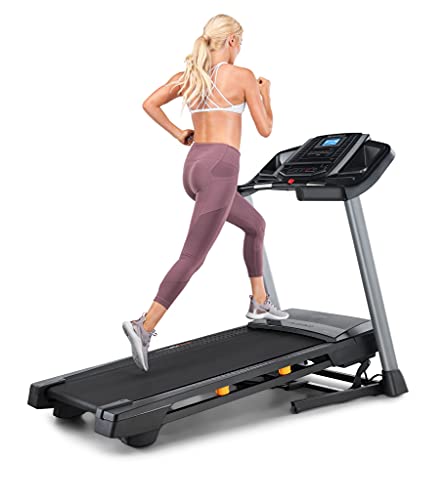
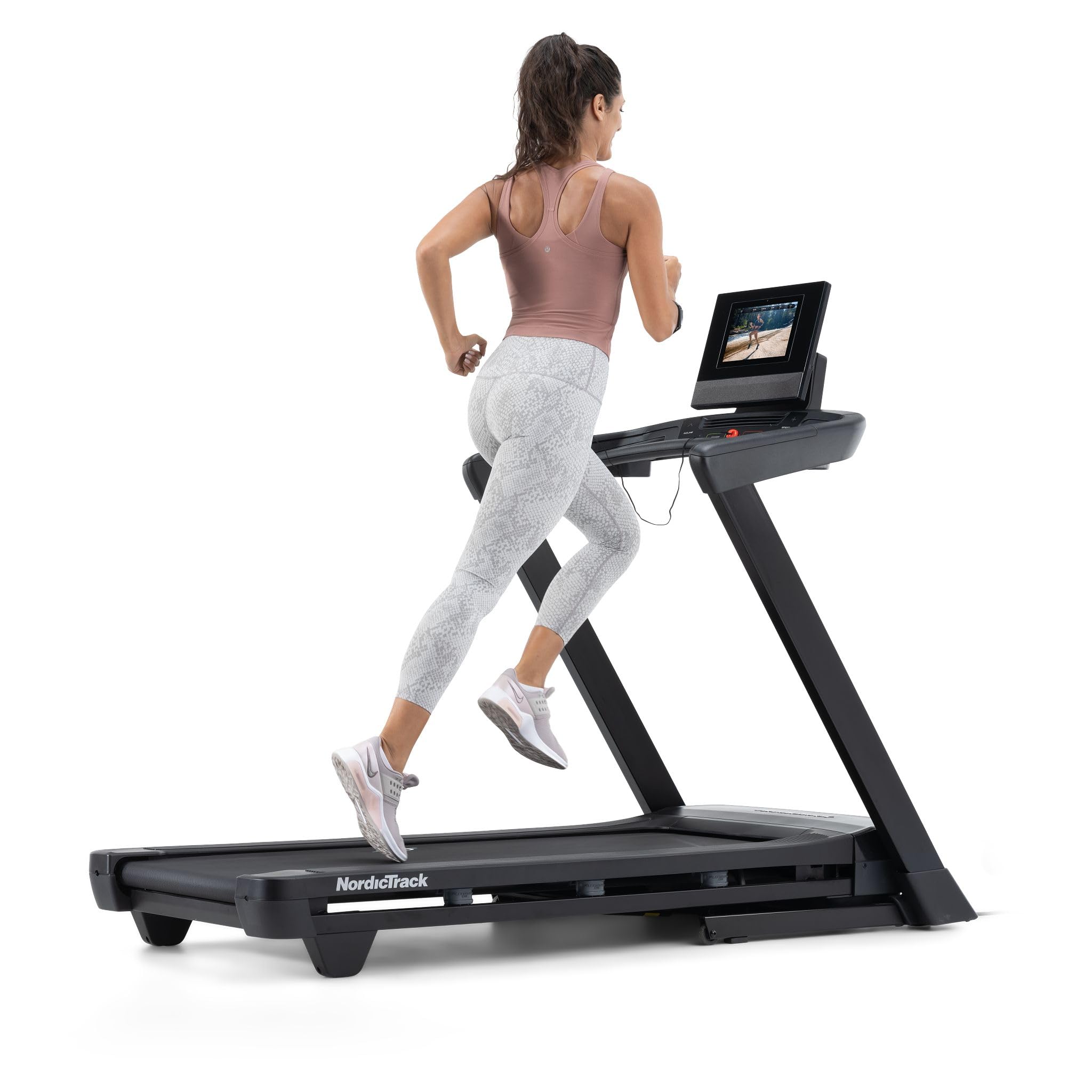
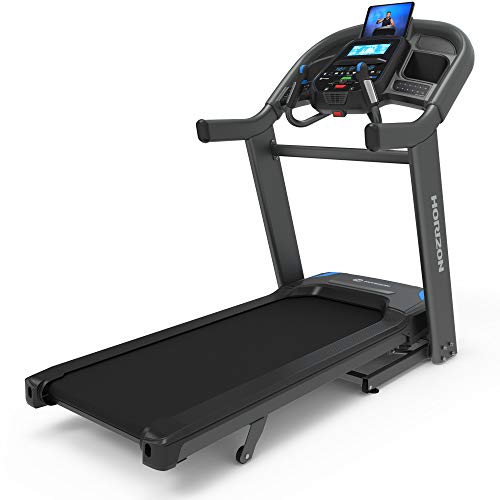
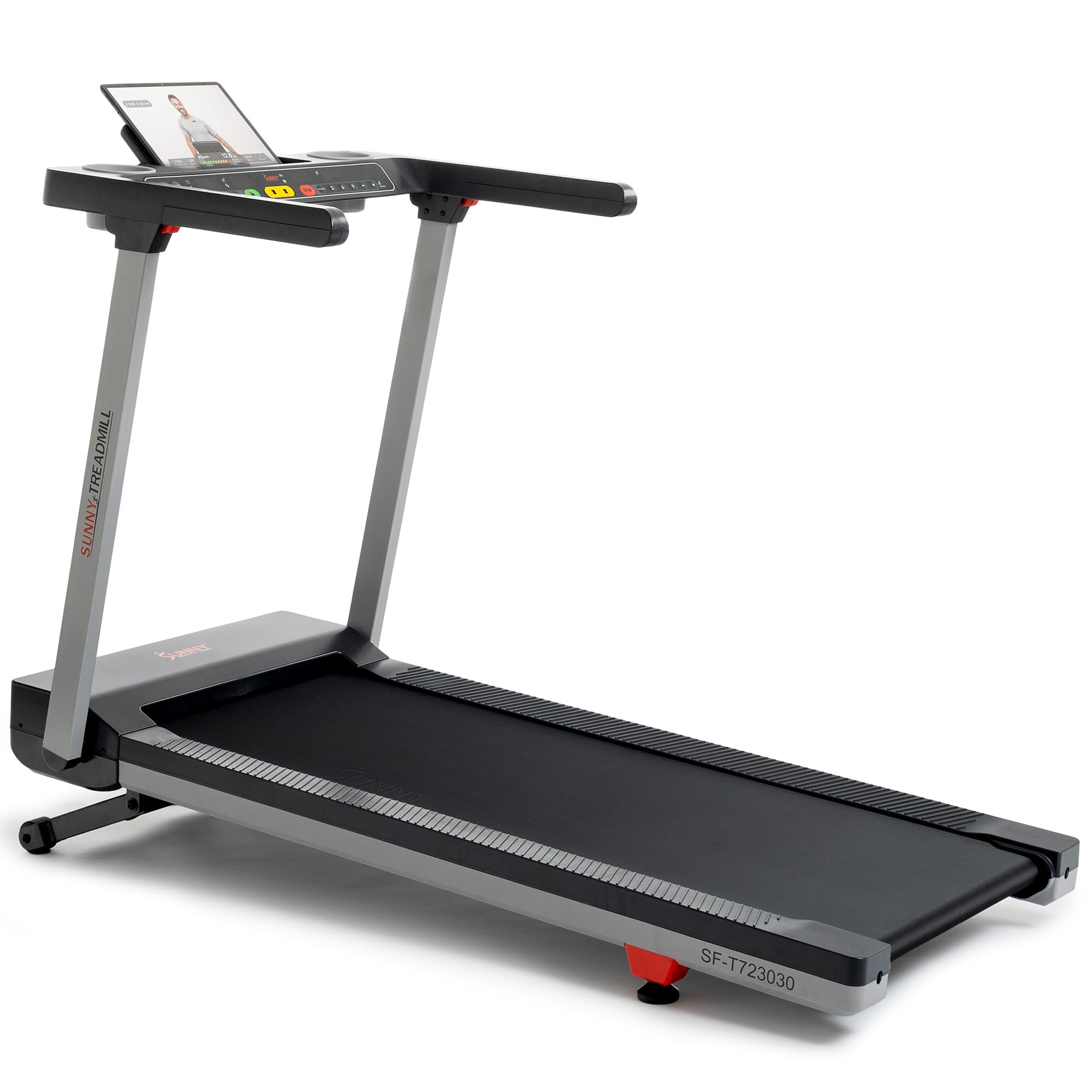
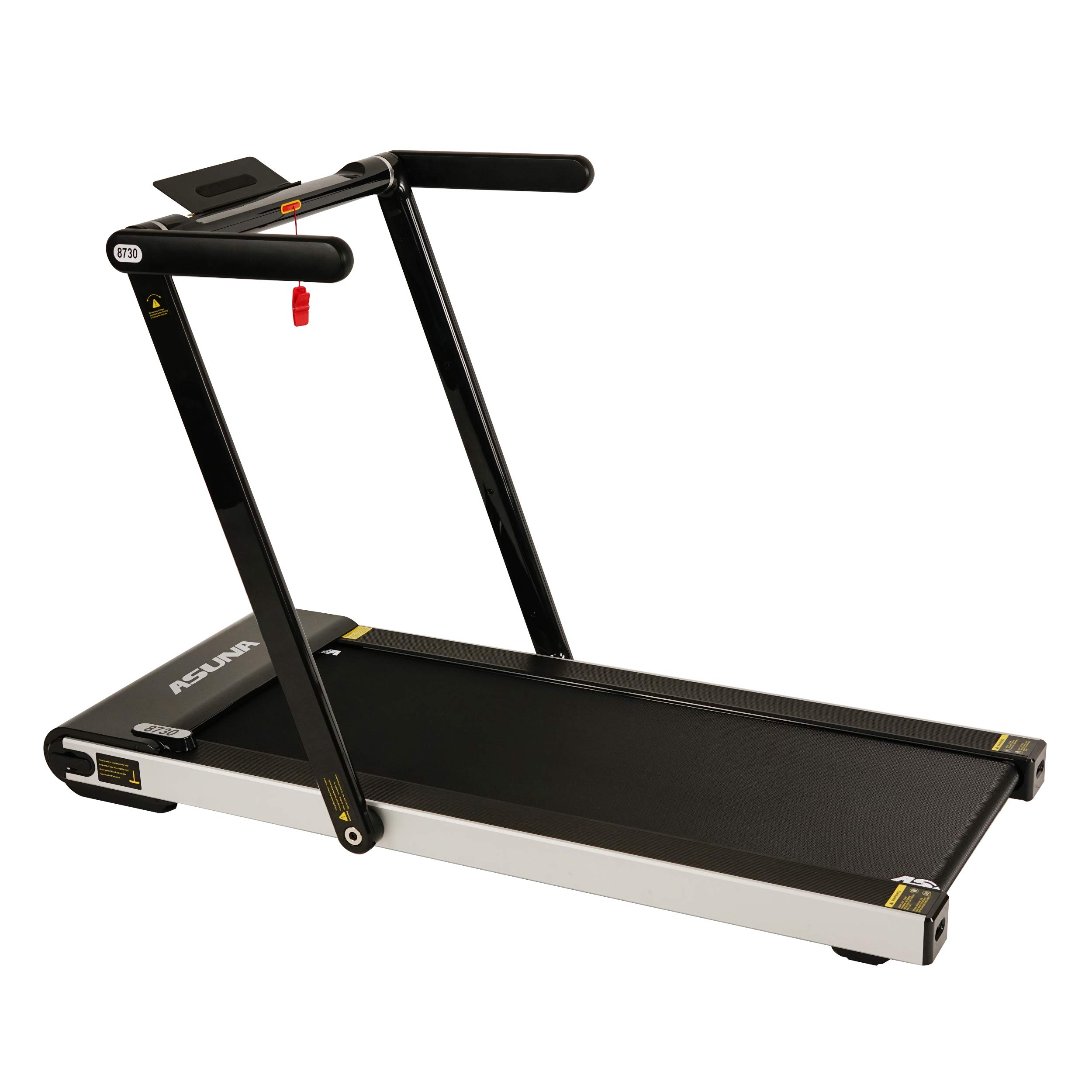


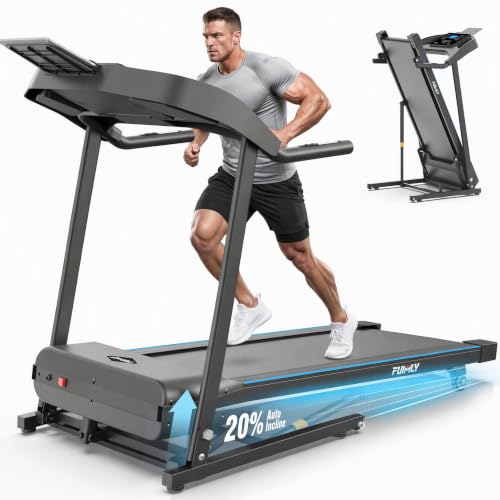
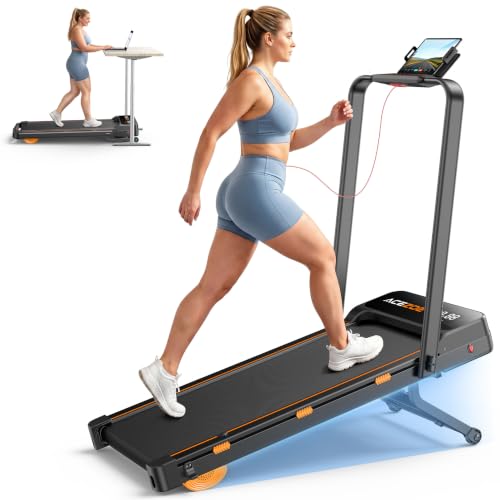
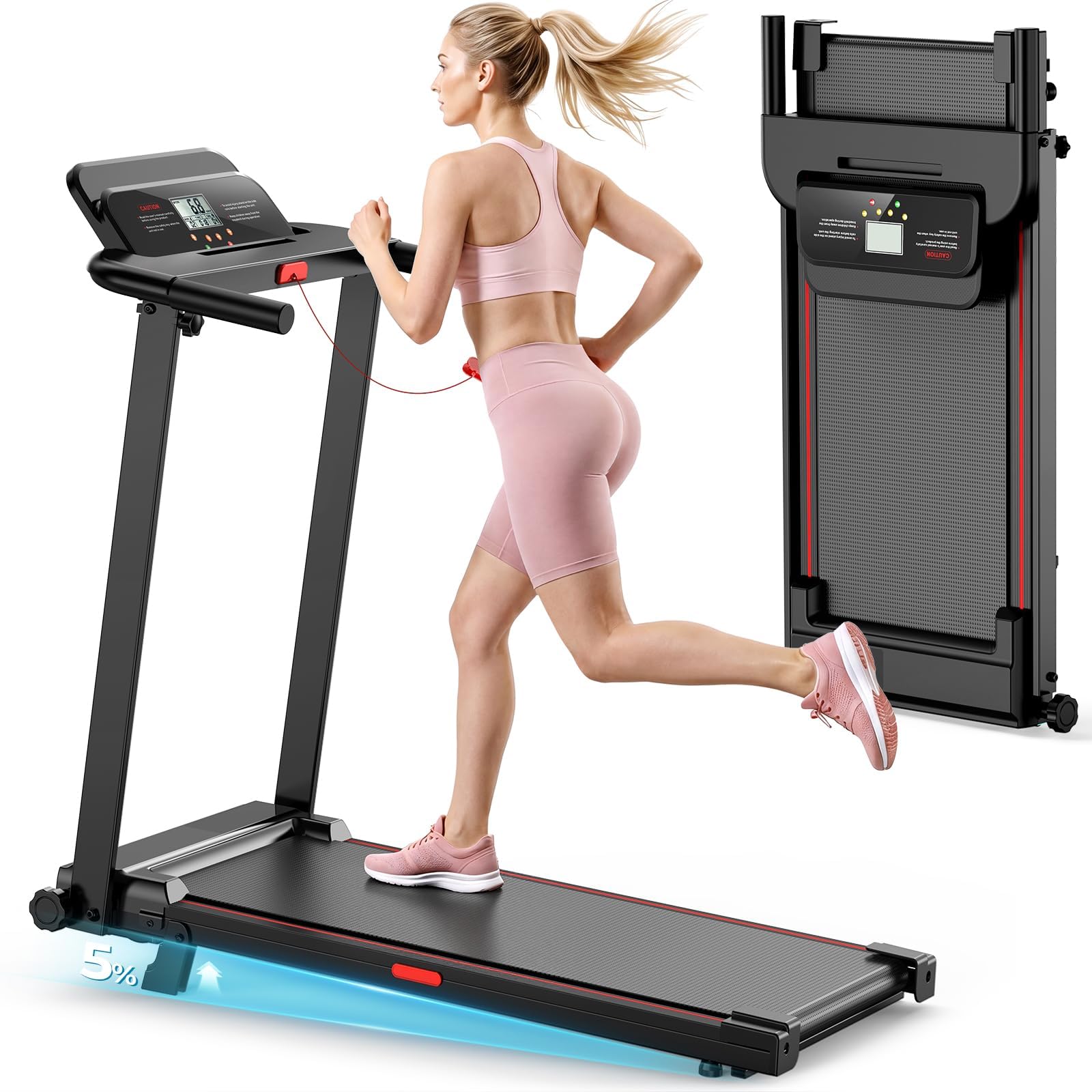
Where the Treadmill Will Live: Three Storage Classes
Storage is the fork that decides everything else, because each storage style comes with a different belt size and motor class built in. Decide honestly how the machine will spend its days, not how you hope it might, and the rest of the shortlist mostly sorts itself out.
Folded Flat Under a Bed or Sofa
The flattest models are slim walking decks that slide under a bed, a sofa or a low dresser. Folded or built flat, they sit about 5 to 7 inches tall, so measure the clearance under your furniture before anything else. These decks suit walking at a steady pace, and their small motors and short belts are part of the design rather than a flaw. If your furniture clearance is under about 5 inches, this whole class is out, whatever the listing promises.
Folded Upright in a Corner or Closet
The classic folding treadmill lifts its deck up against the frame and stands in a corner, a closet or against a spare wall. This class carries longer belts and stronger motors than the flat decks, and transport wheels let one person roll it out for each session. It still needs a level patch of floor, a wall it can rest near, and enough room to lower the deck safely without pinching fingers or blocking a doorway.
Left Out and Folded Only Now and Then
Some buyers fold the deck mainly to clean underneath or to free the room for a weekend, and leave the machine open the rest of the time. This is where the longest belts and the strongest motors live, because the frame only has to fold occasionally rather than daily. If you have the floor space, this class gives the most comfortable stride and the fewest compromises, and the folding feature becomes a convenience rather than the whole point of the purchase.
| Storage class | Typical belt length | Best suited to |
|---|---|---|
| Folded flat | About 40 to 47 inches | Walking in small flats and bedrooms |
| Folded upright | About 47 to 52 inches | Walking and light jogging with daily storage |
| Left out | About 50 to 60 inches | Regular jogging and the longest strides |
Measure the Room, Not the Brochure
The folded footprint and the unfolded running footprint are both shopping facts, and listings often print only the smaller one. Measure the storage spot with the machine folded, then measure the exercise spot with the deck down, the incline raised and clear floor behind the belt. A treadmill that fits its cupboard but crowds its workout space will annoy you twice a day.
Ceiling height matters more than most buyers expect. The deck sits about 6 to 8 inches off the floor, and an incline setting raises the front of the belt further. Add your own height to the raised deck and leave clear headroom above that figure, especially in basement rooms and under sloped ceilings. Check doorways and tight turns on the delivery path too, because a boxed frame that cannot reach the room is a return waiting to happen.
The Checks That Decide the Purchase
Belt Size Decides Walking Versus Running
Belt length is the single most honest spec on the page. A short belt suits walking, where each step is compact and controlled, but it feels cramped the moment you jog and your stride opens up. As a working guide, jogging calls for about 50 inches of belt length or more, and belt width runs from about 16 inches on slim decks to about 20 inches on roomy ones. Shoppers set on regular jogging should also read our guide to the best treadmills for jogging, because that use pushes belt length and motor class harder than walking does.
Motor Class, Speed, and Incline
Horsepower figures are maker ratings with no shared test behind them, so treat a big number as a claim rather than a measurement. Wording about continuous duty matters more than a peak figure, because a motor that holds its output through a long session runs cooler and steadier. Walking decks often top out at about 4 to 6 miles per hour, while fuller folding models reach about 10 miles per hour. Incline adds effort without speed; powered incline adjusts as you walk, while manual incline means stopping to reset the deck angle by hand.
Noise and Vibration in Apartments
Two sounds matter: the motor and belt, and the thump of your own footfall travelling through the floor. The second is usually the bigger problem in an apartment, and no motor design can silence it. A dense equipment mat under the deck softens both vibration and noise, and hard floors pass more sound to the room below than carpet does. Ground floor rooms and daytime sessions are the kind options when neighbours live underneath you.
Build Quality and Weight Capacity
Look for a steel frame, a stated user weight capacity, and a deck that does not flex or creak when you step on and off. Capacity on folding models commonly runs from about 220 to 300 pounds, and your own weight should sit comfortably below the limit rather than right on it, because the rating also has to absorb the force of each stride. A heavier frame feels steadier at speed but is harder to fold and wheel, so match the build to how often you will actually move it.
Console, Programs, and App Connectivity
A clear speed readout, a pause button you can reach, and controls on the handrail cover most daily needs. Bluetooth links many models to walking and training apps, and connected programs can be enjoyable, but check what the subscription costs and what stops working without one. Basic speed control and a manual mode should never sit behind a paywall. Built in preset programs stored on the console itself keep working whatever happens to an app, which makes them the safer long term bet.
Talk to a Clinician Before You Buy
A folding treadmill asks your heart, joints and balance to do real work, so some readers should get advice before they spend anything. If you live with a heart condition, joint problems or balance difficulties, or you are recovering from an injury, talk to a clinician before buying and ask what pace and session length suit you. During use, stop if you feel pain, dizziness or chest discomfort, and seek care if those feelings appear. Start shorter and slower than you think you need, and let the routine grow gradually.
What Each Price Band Buys
If your timing is flexible, our guide to the best time to purchase treadmills explains when sale prices tend to appear across the year. Within any season, the bands below split by frame style more than by brand, and each step up buys room and motor rather than decoration.
Budget Starter Models
At about $250 to $500 you get the flat walking decks and the simplest upright folders, with small motors, short belts and manual or no incline. This band suits walking routines in tight spaces, and our guide to the best bargain treadmills covers the value end of the wider market if your budget is firm. Expect basic consoles and shorter warranties, and check the weight capacity twice at this level.
Mid Range Folding Models
At about $500 to $1,000 the decks grow longer, powered incline appears, and motors hold up better through daily sessions. This is the band where light jogging becomes realistic on a folding frame, with sturdier handrails and clearer consoles. For most homes that fold the machine away each day, this band holds the balance between storage size and a belt that does not feel like a compromise.
Smart Connected Models
At about $1,000 to $1,800 you pay for large touchscreens, app ecosystems and the strongest motors fitted to folding frames. The hardware step is real, but count the ongoing subscription as part of the price, because the screen is only as useful as the service behind it. Buyers who walk to their own music or podcasts may find this band pays for features they never open.
Setting Up and Using a Folding Treadmill Safely
Clip the safety key to your clothing every session, so the belt stops if you stumble or drift too far back. Leave a clear zone of open floor behind the belt, because that space is where a lost footing has to land. Keep children and pets out of the room while the belt moves, and fold or unfold the deck with both hands and a supported weight rather than letting it drop. Footwear matters on a moving belt, and our guide to the best shoes for treadmill use explains what grip and cushioning to look for.
Quick Buyer Checklist
- Have you measured the folded footprint and the exact spot where the treadmill will live?
- Have you measured the unfolded footprint, plus clear floor behind the belt?
- Does the belt length match walking, jogging or running as you honestly plan to use it?
- Is your weight comfortably below the stated user capacity?
- Does the ceiling clear your height plus the raised deck?
- Do the basic functions work without a paid subscription or an account?
- Can you fold, unfold and wheel the machine on your own?
Red Flags to Watch For
- A horsepower figure with no mention of continuous duty, which usually means a peak number chosen for the listing.
- No stated user weight capacity anywhere in the specifications.
- A folded size printed in large type and no unfolded size at all.
- Basic speed control or manual mode locked behind a subscription.
- A frame warranty of only a few months on a machine built to be folded daily.
How to Make Your Collapsible Treadmill Last Longer
Stand the machine on a dense mat to protect the floor and calm vibration. Wipe sweat off the deck, handrails and console after each workout, because moisture works into seams and switches over time. Check the frame and folding hinge bolts monthly and tighten any that have worked loose. Keep the belt centred and lubricate it on the schedule the manual gives, keep dust out of the motor cover vents, and store the folded machine in a dry room rather than a damp garage corner.
Frequently Asked Questions
How long does a collapsible treadmill usually last?
A collapsible treadmill used for daily walking can serve for years, while heavy jogging shortens the life of the belt and motor. The folding hinge and the lift mechanism are wear points that fixed frame machines do not have, so they reward a monthly bolt check. The walking belt itself is a wear part that will need replacing before the frame wears out. Keeping the purchase receipt and warranty terms together makes any claim far simpler.
How much space does a collapsible treadmill need around it?
A collapsible treadmill needs its own footprint plus clear floor behind the belt and working room at the sides. Leave about a foot or two of space on each side so you can step off safely and reach the folding mechanism without squeezing. The area behind the belt should stay completely empty rather than holding storage boxes. Measure with the incline raised, because the open machine is bigger than the folded figure suggests.
Can a collapsible treadmill handle regular jogging?
Some collapsible treadmills can handle regular jogging, but only the classes built for it, with belts of about 50 inches or more and motors rated for sustained work. Jogging heats a small motor far faster than walking does, so a deck that feels fine for a stroll may labour through a run. Check the belt length and the continuous duty wording together rather than trusting either alone. If jogging is the main plan, buy the class designed for it.
Is a subscription required to use a collapsible treadmill?
No subscription is required to walk or jog on most collapsible treadmills, because manual speed control is a basic function of the machine. Subscriptions pay for coached classes, scenery routes and stored workout history on connected models. Before buying, confirm the treadmill runs in a manual mode without an account or a phone nearby. A model that will not start without a login is a poor risk if the service behind it ever closes.
Is a collapsible treadmill quiet enough for an apartment?
A collapsible treadmill can be quiet enough for an apartment, but footfall through the floor sets the limit more than motor noise does. A dense mat, carpet under the deck and daytime sessions all reduce what the room below hears. Walking is far quieter than jogging on the same machine. If your building has thin floors, a ground floor room or a shared wall layout away from bedrooms makes the routine easier to keep.
Final Thoughts
Start with storage, because the class that fits your room decides the belt and motor you can have. Then check belt length against how you honestly move, and let the clinician and safety points settle any doubts before money changes hands. Compare your shortlist against the product table above, and the best collapsible treadmills for your home will be the ones whose measurements, capacity and price band all line up with the room you measured.


