
Best Collapsible Water Bottle for 2026: A Guide to Choosing One That Fits Your Home and Routine
Disclosure: We may earn a commission when you buy through links on this page, at no extra cost to you. As an Amazon Associate I earn from qualifying purchases. Learn more

Compare the best collapsible water bottle by capacity, material, lid and care, so it packs small when empty and works for your daily routine.
A cabinet full of rigid bottles that no one uses is a common problem, and so is a bag with no room left once a bottle is empty. If you want the best collapsible water bottle for your household, the goal is a bottle that earns its place when full and nearly disappears when empty. The right choice depends on how much you drink, where you carry it, and how much storage space you can give it at home. The comparison table below sums up the main types so you can compare them at a glance.
This guide walks through size, material, lid style, and care in plain terms, with home storage and daily routines in mind.
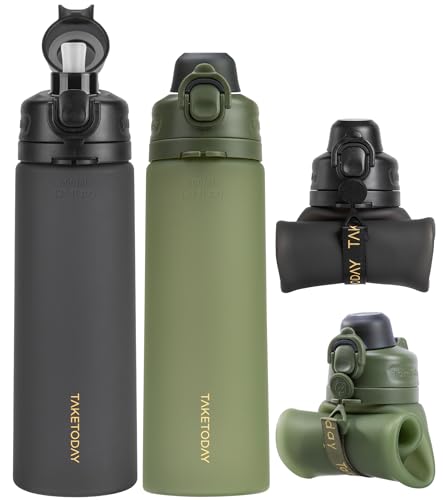

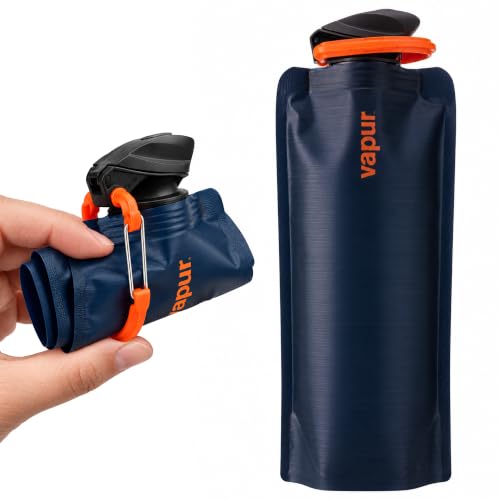
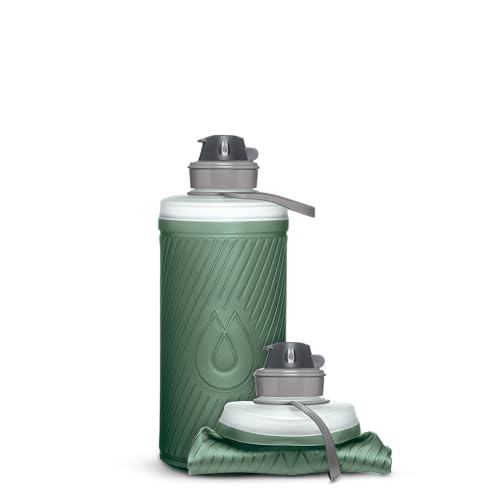
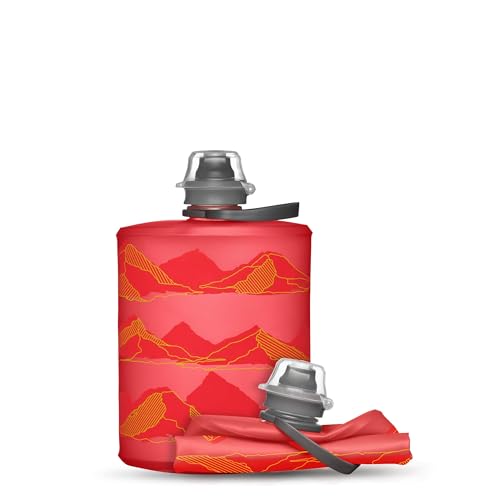

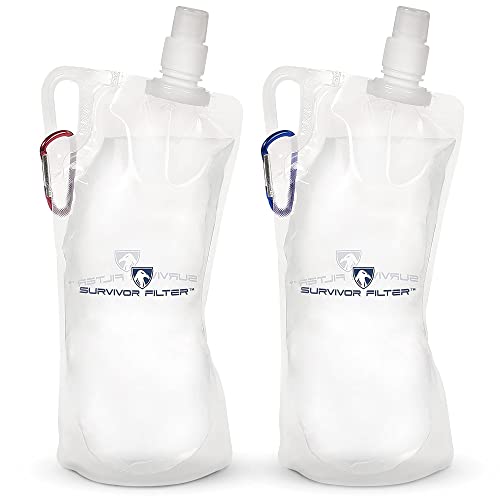


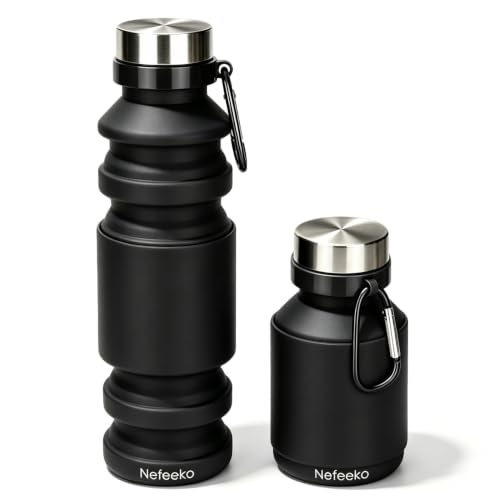
Quick Answer: How to Choose in Under a Minute
Start with capacity. Most adults do well with about 17 to 24 oz for a commute or a workout, while a long day out may call for 32 oz or more. Then check the collapsed size, because a bottle that only shrinks a little saves far less space than one that rolls or folds flat. Finally, pick a lid you can open with one hand and a material you are willing to wash properly.
Think of a collapsible bottle as a travel and backup option rather than a full replacement for rigid bottles at home. Our guide to the best water bottle covers rigid everyday options, while this article focuses only on bottles that change size when empty.
Before You Buy: A Checklist for Choosing a Collapsible Water Bottle
Size: Match Capacity to Your Space and Your Day
Capacity shapes everything else. A bottle around 12 to 17 oz suits kids, short errands, and small bags, and it stays light even when full. A bottle around 20 to 24 oz is the middle ground for work, school, and the gym, because it holds a satisfying amount without feeling bulky in a side pocket. Larger bottles around 32 oz suit long walks and road trips, but they need a bigger pocket and a stronger loop when full.
Collapsed size matters just as much. Some bottles fold to about a third of their height, while roll up styles flatten to a pouch shape that fits a jacket pocket. Check both numbers, and picture where the bottle will live at home.
Which Type Fits Your Routine
Most collapsible bottles fall into three types. Silicone folding bottles hold their shape when full, stand up on a desk, and collapse by pushing the top down into the base. Flexible pouch bottles roll up very small and weigh very little, but they can feel floppy. Hybrid designs use a rigid neck and lid with a soft body, which gives a firm grip while still saving space.
If the bottle lives in a travel bag and only comes out on trips, a pouch style that rolls flat is hard to beat. If it will sit on a desk each day, a silicone style that stands upright is easier to live with. For a fuller view of the basics, see what to look for when buying a water bottle and apply those points to the collapsible types here.
Materials and Safety Basics
Food grade silicone is the most common material for folding bottles. It tolerates hot and cold drinks within the limits stated by the maker, resists odors better than many plastics, and survives drops without cracking. Flexible pouches use layers of plastic film and are lighter, but less resistant to sharp creases over time. Look for a clear statement that the bottle is BPA free, and follow any temperature limits printed for that bottle.
Avoid bottles with no material information at all. Wash a new bottle well before first use, and let it dry fully with the lid off. If a bad taste remains after several washes, replace it rather than force it into daily use.
Features Worth Paying For and Ones to Skip
A leak proof lid with a silicone seal is worth paying for, because a collapsible bottle often travels inside a bag next to clothes or electronics. A wide mouth helps too, since it makes filling, adding ice, and scrubbing much easier. A sturdy loop matters more than it sounds, because a weak loop can tear away from a soft body.
Extras you can usually skip include built in fruit infusers, decorative time markers, and complex straw systems with many small parts. Each extra part adds cleaning work and another place for mold to grow. A simple flip top or screw cap will serve most people better and will last longer.
Dishwasher and Heat Safety
Many silicone bottles can go on the top rack of a dishwasher, but lids and seals often have different rules, so check each part on its own. Pouch style bottles are usually hand wash only, because heat can damage the seams. Never assume a collapsible bottle is safe for boiling water or for the microwave, since soft bodies can deform.
For daily care, warm soapy water and a bottle brush handle most cleaning. The article on how to clean a water bottle gives a solid routine for brushes, drying, and odor control that applies well to soft bottles too. Complete drying matters even more for collapsible designs, because folds and creases can trap moisture.
Budget Ranges and What Each Level Gets You
At under $20 you will find basic pouch bottles and simple silicone bottles with a screw cap, which suit occasional travel and backup use. In the range of about $20 to $30, bottles tend to add a better seal, a wider mouth, a stronger loop, and thicker silicone that holds its shape longer. Above about $30, you are mostly paying for refined details such as a more secure locking lid or a slimmer collapsed profile.
Higher cost does not always mean a better fit. Match the spend to the feature you will actually feel each day, such as packed size for a flyer or a leak proof lid for a commuter.
Three Buying Profiles and What to Prioritise
Profile One: The Daily Commuter Who Needs a Leak Proof Lid
If your bottle rides in a work bag or a tote, put the lid and seal first. Look for a locking flip top or a screw cap with a thick silicone gasket, and a body that stands up at your desk. A capacity around 20 to 24 oz usually fits a car cup holder when full and folds down for the trip home.
Profile Two: The Traveler Who Needs the Smallest Packed Size
If space is the whole point, prioritise collapsed dimensions over almost everything else. Roll up pouch bottles and slim folding bottles can slip into a carry on pocket or a coat pocket once empty, which is handy after airport security. Our guide to the best water bottle for travel puts collapsible options in a wider travel context if you want to compare packing styles. Choose a design with a clip or loop so the empty bottle can hang from a strap instead of getting lost at the bottom of a bag.
Profile Three: The Family Buyer Who Needs Easy Cleaning
For shared family use, a wide mouth and a short parts list matter most. A bottle that opens fully at the top lets you scrub every fold, and a removable seal lets you wash away film that builds up under gaskets. Pick a size around 17 to 24 oz for school and sports bags, in different colors so each person tracks their own bottle. Avoid narrow neck designs for kids, because they are harder to clean.
How to Evaluate a Collapsible Bottle Before You Order
Start with capacity, collapsed height, and weight, and picture the bottle in your actual bag and cabinet. Then read the lid description closely, because the seal and lock decide whether the bottle is pleasant to use every day. Check the cleaning instructions, and walk away from any bottle that cannot be opened wide enough to dry fully. Last, look for replacement seals and lids, since a bottle you can repair will usually outlast one you must replace whole.
Collapsible Bottles Compared With Rigid Bottles
Collapsible bottles win on storage and weight. An empty one takes a fraction of the space of a rigid bottle, which matters in small kitchens, dorm rooms, and packed bags. They are also forgiving when dropped, since a soft body absorbs impact instead of denting or cracking.
Rigid bottles win on structure and insulation. A soft bottle offers little insulation, so cold drinks warm faster, and condensation can form on the outside. A collapsible bottle can also feel less stable when half full. The better choice is the one that matches where and how you actually drink.
Common Buying Mistakes to Avoid
- Buying the largest capacity without checking the collapsed size, so the bottle still takes up the space you wanted to save.
- Choosing a narrow mouth to save money, then struggling to clean the folds where odor and mold can start.
- Ignoring the lid seal and finding out on the first commute that a soft body squeezes water out when a bag presses on it.
- Filling a bottle beyond its stated temperature limit, which can warp the body and weaken the seams.
- Storing the bottle sealed and damp after a trip, so trapped moisture leaves a stale smell that is hard to remove.
- Expecting strong insulation from a thin soft wall, then blaming the bottle for warm water on a hot afternoon.
Cost of Ownership and Care That Makes a Bottle Last
The purchase price is only part of the cost. Seals wear out and lids crack, so a bottle with low cost replacement parts will cost less over a few years than one you must replace as a whole. A bottle that is annoying to clean tends to get cleaned less, and that shortens its useful life.
For care, wash the bottle after each day of use, take the seal out about once a week, and let every part dry fully before you store it. Store it loosely closed in a dry cabinet, away from sharp objects. Retire the bottle if you see cracks, a torn loop, or a seal that no longer sits flat.
Frequently Asked Questions
What makes a collapsible water bottle reliable over time?
Reliability comes from seam strength, seal quality, and a lid that stays closed under pressure, not from a famous name on the side. A bottle with smooth folds tends to resist cracking longer. You can also judge reliability by whether spare seals and lids are sold for that design, since parts support saves you money later.
How do you clean a collapsible water bottle without damaging it?
Wash it in warm soapy water with a soft bottle brush, and avoid stiff brushes that can scratch the inside and give odor a place to cling. Turn a folding bottle inside out only if the maker says that is safe, since forcing the shape can stress the seams. For a stubborn smell, soak it in water with baking soda, rinse well, and dry it fully while expanded so air reaches the folds.
How long does a collapsible water bottle last with daily use?
A well made silicone bottle often lasts two years or more of daily use, while thin pouch bottles may wear out sooner at the seams and folds. Lifespan depends on heat exposure, how often it is collapsed, and whether it is dried properly. A seal that leaks even after cleaning, or an odor that survives a deep wash, signals the end. Replace it then rather than risking a spill.
Are collapsible water bottles worth it for everyday routines?
They are worth it when storage space, bag space, or weight is a real limit in your day. A student, a commuter, or a traveler will feel that benefit every time an empty bottle folds away. They are less worth it if you want ice cold water for many hours, because a soft wall holds temperature poorly. Many households keep one of each style for different jobs.
What size collapsible water bottle works best for school and sports bags?
A size around 17 to 24 oz usually works best, because it holds enough for a practice or a school day without adding much weight. Look for a loop that clips to a bag, since bottles left loose inside a sports bag tend to get squeezed and can leak. A bright color also helps, because a soft bottle buried under kit is easy to forget and then left damp.
Can a collapsible water bottle hold hot drinks safely?
Some silicone bottles can hold hot drinks within a stated limit, but many pouch bottles cannot, so the limit printed for your bottle is the rule to follow. Even when hot liquid is allowed, a soft body is hard to grip and can flex as you squeeze it. Use a rigid insulated bottle for very hot drinks instead, and keep collapsible bottles for cool drinks.
Final Thoughts
Choosing well comes down to honest questions about your space, your bag, and your cleaning habits. Match capacity to your day, pick a material and lid you can live with, and favour a wide mouth that makes washing easy. When you compare options in the product table above, those checks will point you to the best collapsible water bottle for your home. Pick the profile that sounds like your life, and your bottle should earn its place every day.


