Best Boots for Cold Weather Walking: Budget, Midrange, and Premium Tiers for 2026
Disclosure: We may earn a commission when you buy through links on this page, at no extra cost to you. As an Amazon Associate I earn from qualifying purchases. Learn more

Compare boots for cold weather walking by price, insulation, grip and fit, with a clear guide to what each tier adds and what you can safely skip.
Prices for winter walking boots run from under $100 to well over $250, and the price tag alone tells you little about warmth or grip. The best boots for cold weather walking match your temperature, your distance, and the ground underfoot. This guide shows what each price tier actually buys, so you can use the comparison table below with a clear budget in mind.
Start with your coldest normal day, not the coldest day you can imagine. A boot built for deep snow feels clumsy on cleared pavement, while a light insulated boot feels thin on a windy rural road. Your route, sock thickness, and pace should set the tier you shop in.
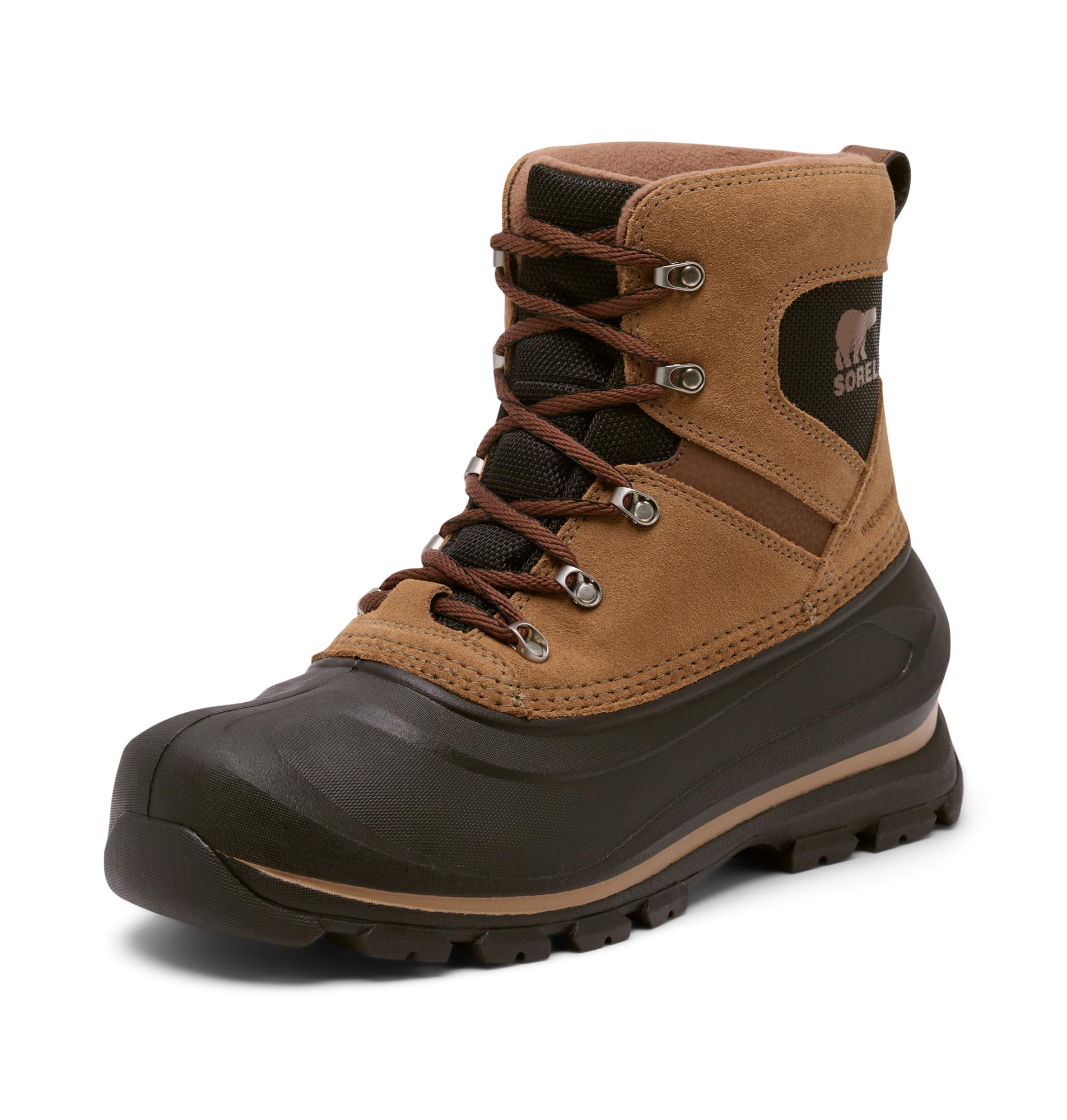
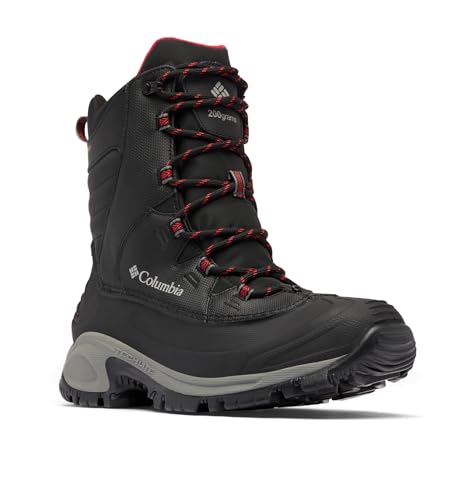
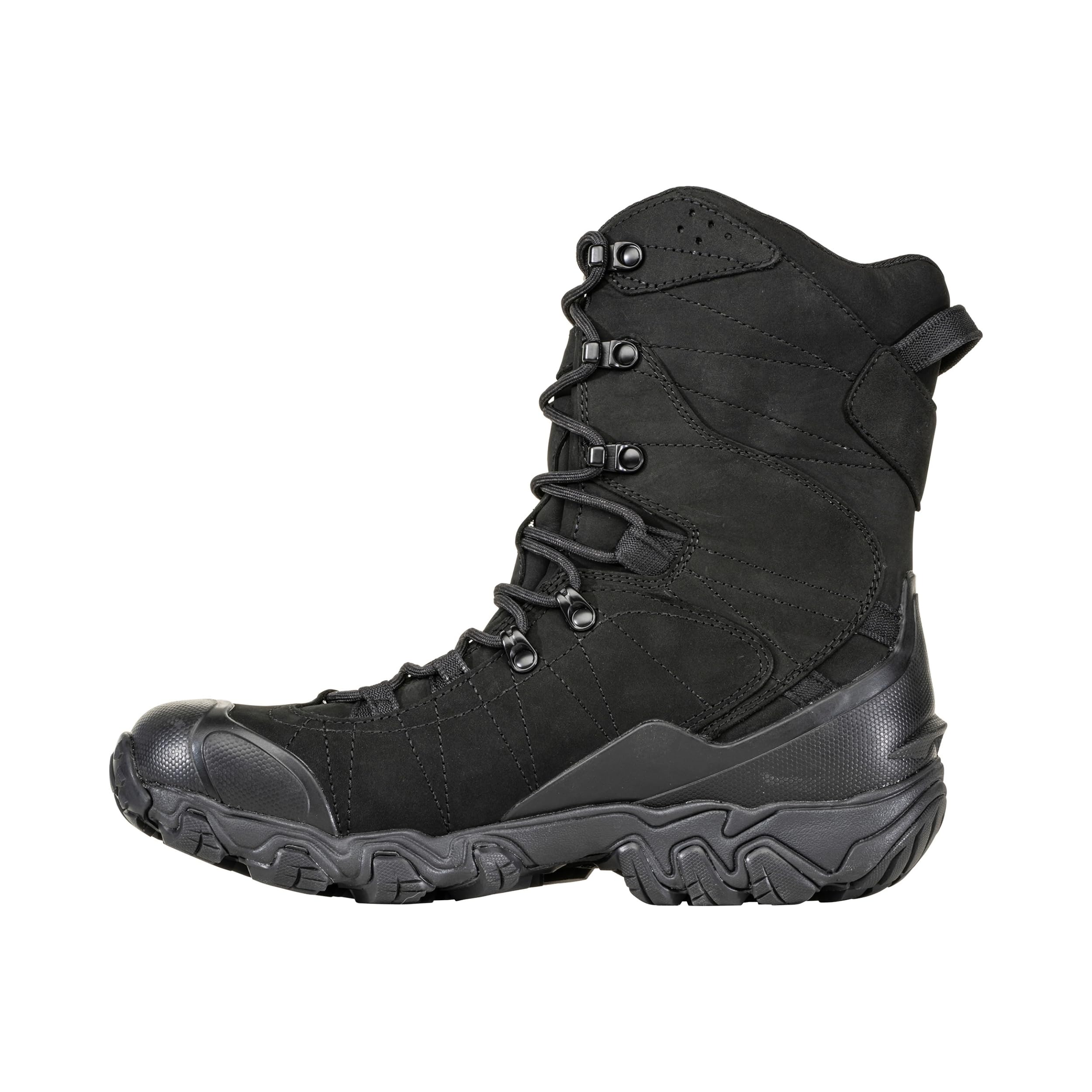

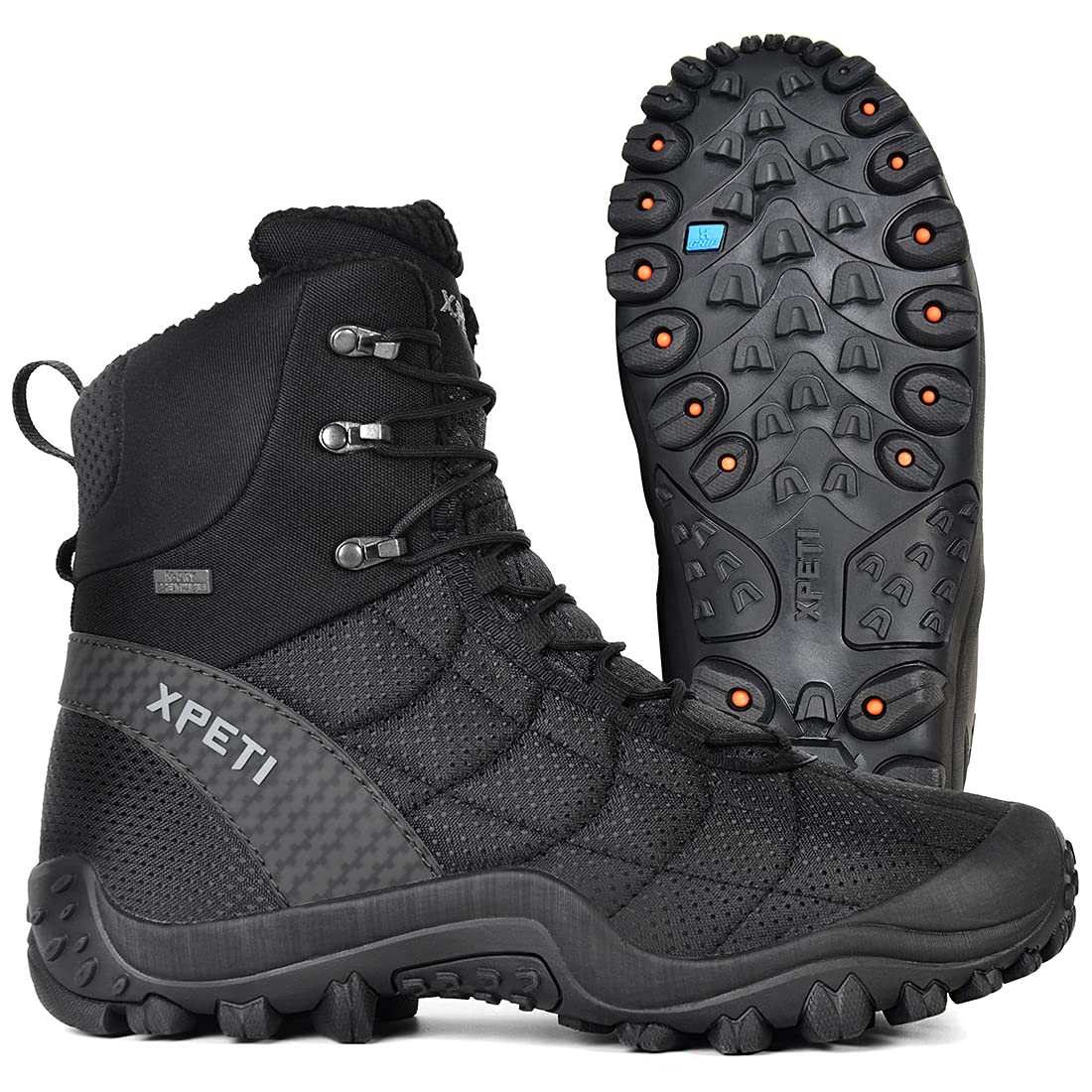

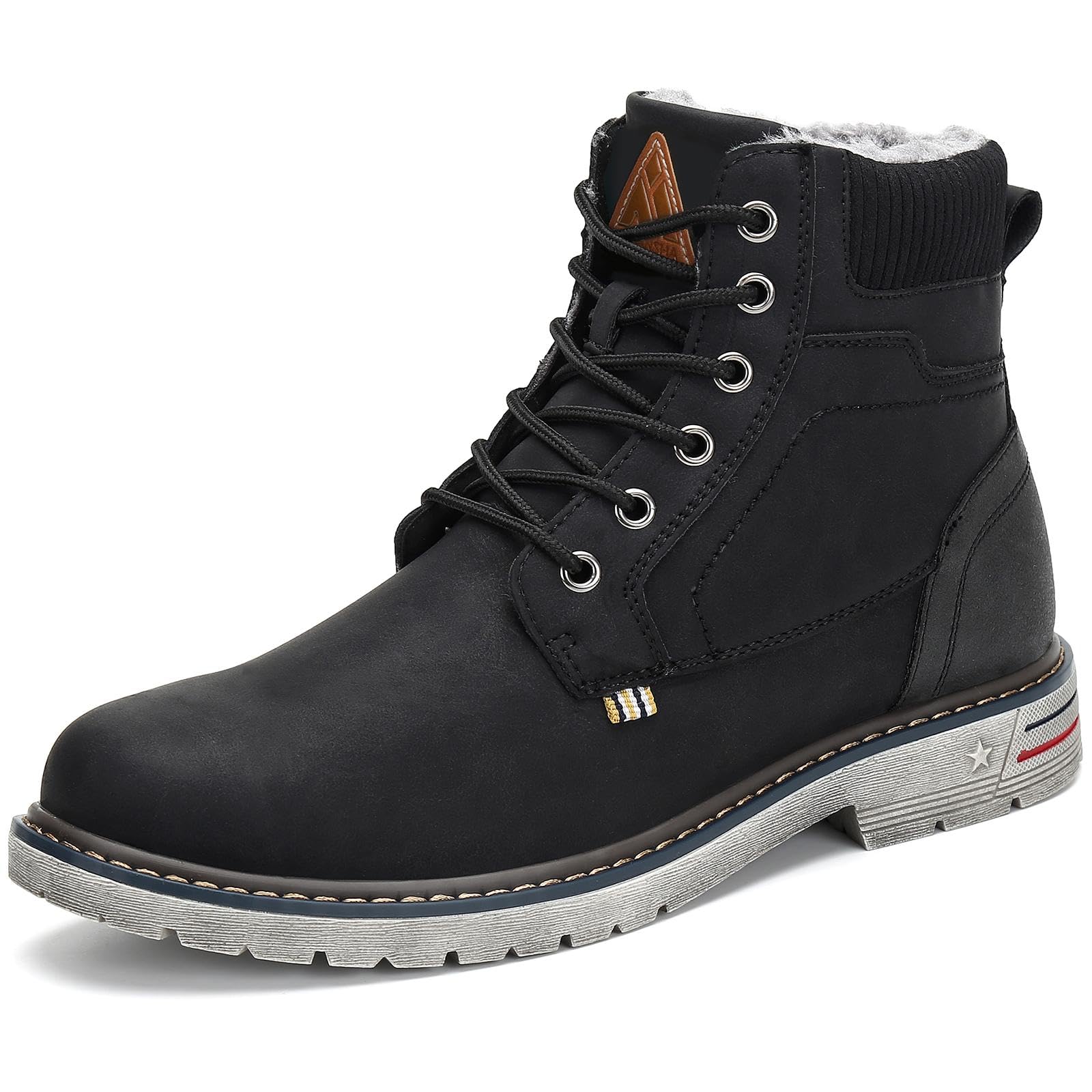


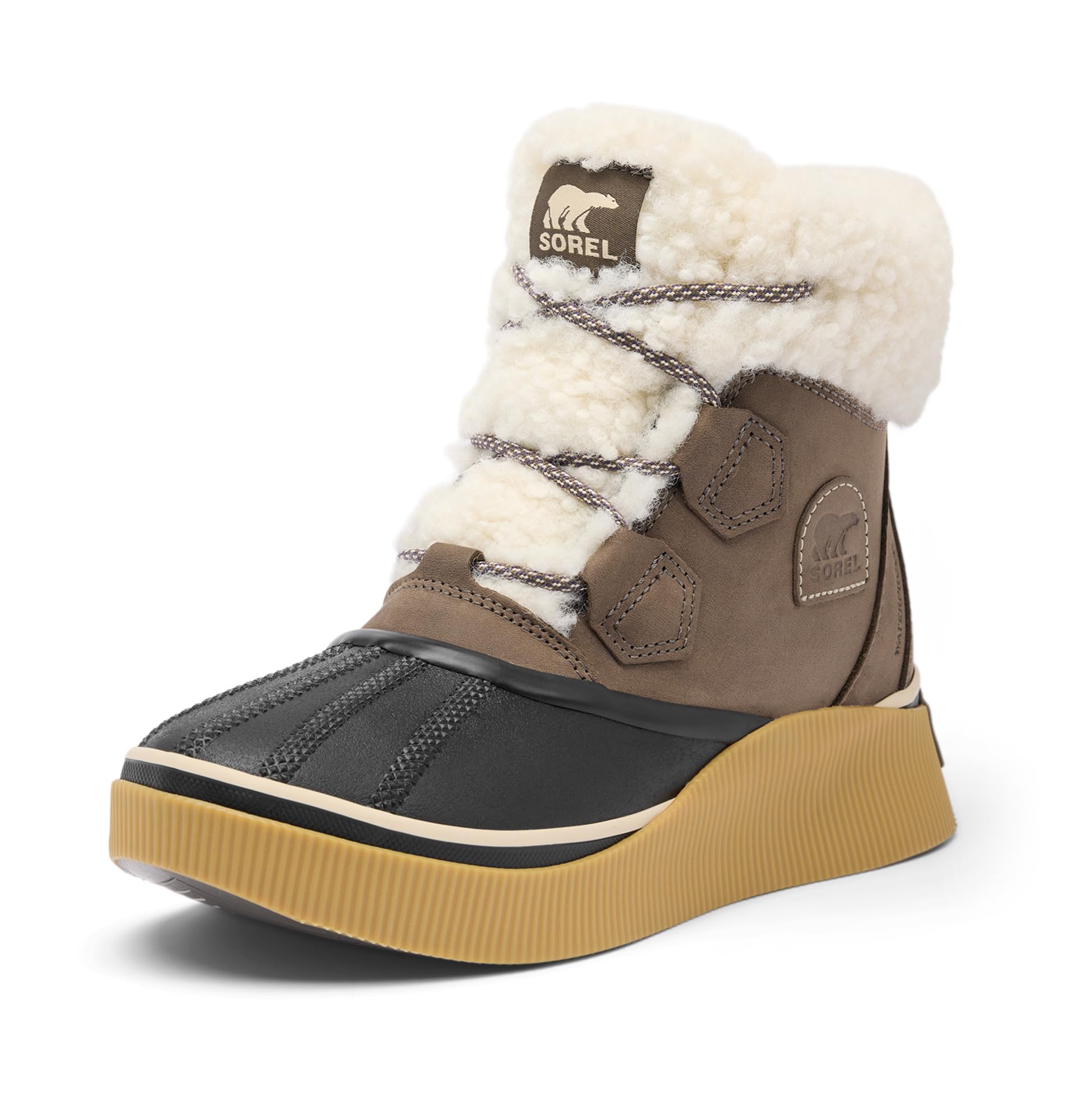
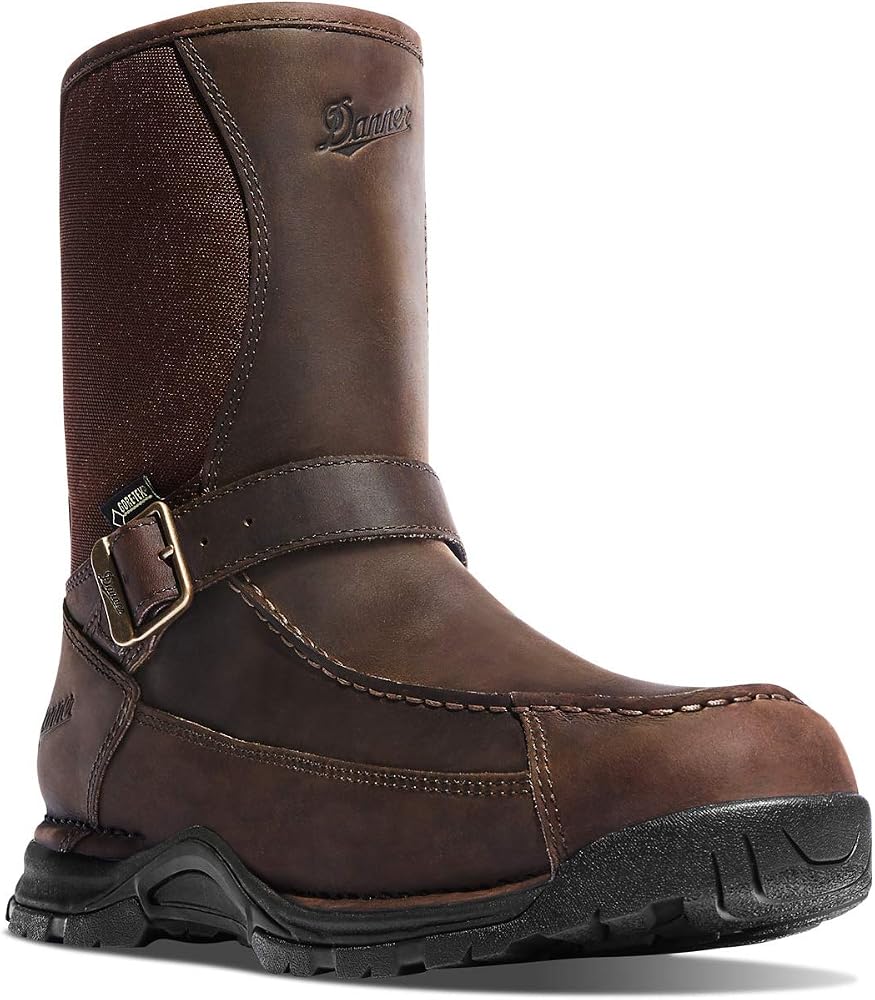
Who Should Buy Which Cold Weather Walking Boots?
Match the boot to the walk you repeat most weeks. If you are still deciding how much insulation you need, see our guide to the best cold weather boots for a broader look. The three groups below cover most daily cold weather walking.
Daily Dog Walkers on Short Neighborhood Routes
You step out twice a day, often on cleared sidewalks with icy patches at corners. A mid height boot with moderate insulation, around 200 grams, keeps feet warm without making a twenty minute loop feel heavy. Easy entry matters, so look for wide openings and pull loops you can use with gloves on.
Commuters Who Walk to Transit or Work
You mix pavement, slush, station steps, and warm indoor stretches in a single trip. Choose a waterproof membrane and a sole that grips wet concrete, plus a profile neat enough for an office. Too much insulation overheats your feet indoors, so moderate warmth with a breathable lining suits you better. A cushioned midsole also helps on hard pavement.
Fitness Walkers Covering Longer Cold Routes
You walk for exercise for an hour or more, often on packed snow, gravel paths, or untreated park trails. You need deeper lugs, a stable heel, and insulation for steady exposure, around 200 to 400 grams. A stiffer sole protects your feet from frozen ruts, and arch support matters more as distance builds.
Key Features to Compare
Compare these factors before you compare prices, because a cheap boot with the wrong insulation or sole is not a saving.
Insulation Weight and Real Warmth
Insulation is usually listed in grams, and higher numbers generally mean more warmth for slow or standing use. Around 200 grams suits active walking near freezing, while around 400 grams suits colder days or walkers who feel the cold quickly. Very heavy insulation adds bulk and can make feet sweat on brisk walks, and damp feet then cool fast once you stop.
Waterproof Membranes and Breathability
A waterproof membrane, such as Gore Tex or a house brand equivalent, blocks slush and melting snow from soaking the insulation. That protection matters most on wet streets, where each step splashes the boot. The trade off is airflow, since a sealed boot releases moisture more slowly than an open one. If your routes stay cold and dry, a water resistant leather upper may breathe better and still shed light snow.
Outsole Lugs and Grip on Ice
The outsole decides whether a warm boot is safe to walk in. Look for lugs about 4 to 6 mm deep with wide spacing, so packed snow clears instead of clogging the tread. Softer rubber stays flexible in low temperatures and grips smooth ice better than hard rubber, which can skate on frozen pavement.
Fit, Toe Box, and Thick Sock Room
Try boots late in the day, when feet are at their largest, and wear the socks you plan to walk in. Your toes should wiggle freely and never press the front when you push off, since compressed toes lose warmth fast. Sizing differs by last, so readers comparing narrower fits can see our guide to the best women's cold weather walking shoes, while wider fits are covered in our guide to the best cold weather men's boots.
Stability, Arch Support, and Drop
Walking boots usually have a heel to toe drop of about 8 to 12 mm, which rolls the foot forward in a natural stride. A stable base and a shaped footbed support the arch on long paved routes and reduce fatigue in the calves. People used to neutral shoes often prefer a moderate drop and a flexible forefoot. Removable insoles let you add your own support.
Why the Middle Price Tier Suits Most Winter Walkers
Spending more should buy specific upgrades, not just a label. The tiers below use typical United States prices, and the best boots for cold weather walking for most readers sit in the middle tier, where insulation, membranes, and soles all improve at once.
Value Tier: Warmth for Cleared Streets
Boots at about $80 to $130 usually give you basic synthetic insulation, a house brand waterproof layer, and a simple rubber sole. They suit short walks on cleared sidewalks and mild winter regions. Expect more weight for the warmth, fewer size choices, and soles that wear sooner with daily mileage.
Balanced Tier: Better Soles and Lighter Insulation
Boots at about $130 to $200 add branded membranes, lighter insulation that warms without bulk, and rubber that grips better in the cold. Fit choices widen too, with more half sizes and width options. Commuters and regular walkers feel each dollar here, since comfort lasts through a full season of daily use.
High Tier: Distance, Durability, and Refined Fit
Boots above about $200 focus on long distance comfort, premium leather or advanced synthetic uppers, and soles built for mixed winter terrain. You pay for lighter weight, closer fit options, and materials that resist cracking through many freeze and thaw cycles. Occasional walkers rarely need this level, but frequent long route walkers may benefit, since small fit gains repeat thousands of times each week.
Socks, Treatments and Soles: Costs After the Purchase
The purchase price is only part of the cost. Wool socks, waterproofing treatment for leather, and replacement insoles can add about $30 to $60 over a season of heavy use. Soles are the main wear item, and once the lugs are smooth, grip falls long before the upper looks worn.
Common Mistakes to Avoid
- Buying heavy insulation for fast walking makes feet sweat, and damp socks then chill your feet at every stop.
- Choosing a smooth fashion sole for winter routes leaves you sliding on the first polished ice patch.
- Sizing boots with thin socks leaves no room for wool socks, so toes press and feet feel colder.
- Trusting a waterproof label on a low cut boot lets slush pour over the collar and soak the insulation.
- Ignoring your usual surface means a trail sole gets wasted on pavement, while a pavement sole fails on packed snow.
- Storing boots wet by a hot vent cracks leather and weakens the sole bond.
Care and Maintenance for Cold Weather Walking Boots
After each wet walk, pull the insoles out and loosen the laces, then let the boots dry at room temperature away from direct heat. Stuffing them loosely with plain paper helps draw moisture from the toe box overnight. Brush off road salt once dry, because salt left in leather stiffens it over time.
Renew surface water resistance when water stops beading on the upper, using a treatment made for that material. Check lug depth each month, and inspect seams for separation. Store the clean, dry boots upright in a cool place.
Boots for Cold Weather Walking: Your Questions Answered
What features matter most in boots for cold weather walking on icy sidewalks?
Grip matters most on icy sidewalks, ahead of insulation weight. A soft rubber compound that stays flexible in the cold, combined with many small edges in the tread, bites into smooth ice better than deep lugs alone. Add strap on traction aids only for glare ice days, and remove them indoors, since metal points damage floors and can catch on tile.
Do I need waterproof boots for cold weather walking in wet snow?
Yes, waterproof boots are worth it in wet snow, because melting snow soaks through seams and fabric far faster than dry powder does. One point many buyers miss is the collar: snow that enters over the top bypasses the membrane entirely. Wear trousers that overlap the boot top or add short gaiters on deep, wet days.
Are expensive cold weather walking boots worth the extra cost?
Expensive boots are worth it only when you walk often enough to use their advantages. The clearest gain is usually sole life, since premium rubber and stronger bonding wear more slowly under daily mileage. If you walk twice a week on cleared streets, the balanced tier gives nearly the same warmth for much less. Save the difference for good wool socks.
How long is the break in period for cold weather walking boots?
Most modern insulated walking boots need only two or three short walks before they feel natural. Start with twenty to thirty minutes near home, where you can change footwear if a heel rubs. Leather models soften more slowly and may need a week of short outings. A boot that still pinches after that trial is the wrong size or shape.
How often should I replace boots used for cold weather walking?
Replace winter walking boots when the tread no longer clears snow or the midsole feels flat and harsh underfoot. For a daily walker, that point often arrives after two or three seasons, even if the upper still looks sound. Press your thumb into the midsole foam, and if it feels hard with no spring back, cushioning has largely gone.
Can I wear cold weather walking boots all day?
Yes, you can wear cold weather walking boots all day if the insulation matches your setting. A lightly insulated pair suits a day that mixes outdoor walking with heated shops and offices. Heavily insulated boots worn indoors can overheat your feet and leave socks damp for the walk home.
The Bottom Line
Choose by surface first, then by insulation, then by fit with your real walking socks on. Budget tiers cover short cleared routes, balanced tiers serve most daily walkers, and high tiers repay frequent long distance use. Compare finalists in the product table above for price, weight, and insulation.
Picked with those checks, the best boots for cold weather walking keep your stride steady and feet warm all season.