
Best Boots for Very Cold Weather 2026: What Actually Matters Before You Buy
Disclosure: We may earn a commission when you buy through links on this page, at no extra cost to you. As an Amazon Associate I earn from qualifying purchases. Learn more

Compare insulation, waterproofing, fit and traction to choose the best boots for very cold weather for long workdays, walks and winter travel.
Cold feet end a work shift, a walk, or a hunting morning faster than almost any other gear problem. The best boots for very cold weather keep warmth in, snow and slush out, and your footing steady on ice. This guide uses a checklist built around insulation, fit, traction, and waterproofing, so you can judge any pair by how it will perform on your coldest days.
Start with how you spend time outside, because a boot that suits standing still will feel wrong on long active miles. Note your lowest temperatures, your sock choice, and the surfaces you cross most. Then use the comparison table below to match those needs against insulation, shaft height, and outsole design.



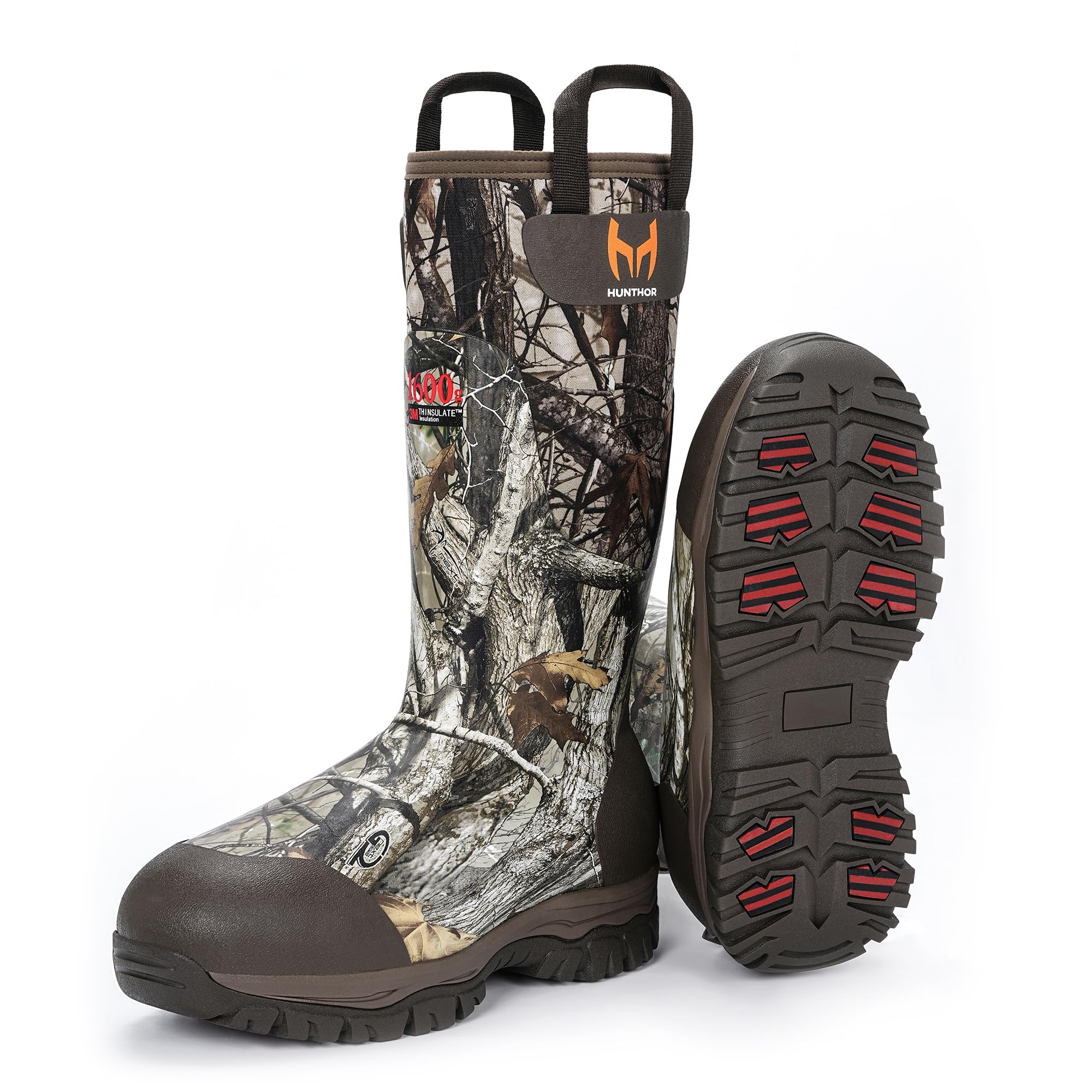
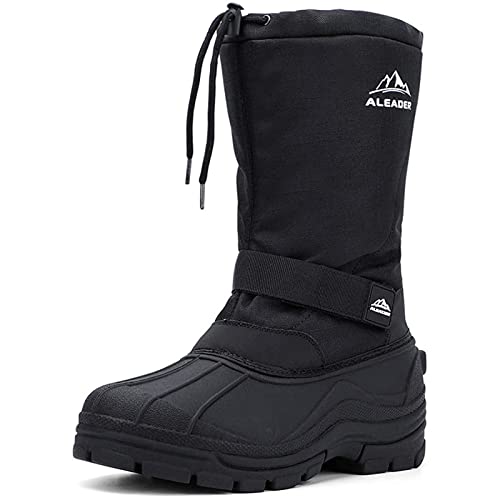
Who Should Buy Boots for Very Cold Weather?
Outdoor Workers Spending Full Shifts Outside
You stand, lift, and walk on frozen ground for hours, with little chance to warm up indoors. Prioritize heavier insulation, a tall shaft, and a sole that stays flexible when temperatures plunge. A removable liner helps because you can dry it fully overnight. If your site adds safety toe rules, see our guide to the best cold weather work boots for job specific requirements.
Winter Walkers and Commuters on Icy Streets
Your cold exposure comes in shorter bursts, but slick sidewalks and slushy crossings raise the cost of a poor outsole. A mid height boot with deep lugs and moderate insulation usually beats a bulky expedition style pair. For trail based routes, see our guide to the best hiking boots for cold weather for distance considerations.
Hunters, Campers, and Travelers Facing Deep Snow
You may sit still for long stretches, then push through untracked snow that pours in at the top. Warmth while inactive matters more than light weight here, and a tall, snug cuff beats a low walking cut. For stand and blind needs, see our guide to the best cold weather hunting boots before you choose a shaft height.
Key Features to Compare
Insulation Weight and Temperature Ratings
Insulation is usually listed by weight, commonly about 200 to 400 grams for active use, 600 to 1000 grams for very cold and less active days, and more for extreme cold while standing still. Ratings are rough guides, because brands test differently and your activity changes the result. When you compare the best boots for very cold weather for your routine, match the rating to your stillest hour. Persistent numbness, pale or hard skin, or blistering after warming needs prompt medical care, and you should talk with a clinician about personal cold risks.
Room for the Thickest Socks Without Crushed Toes
Measure your feet late in the day, wearing the thick socks you plan to use, because feet swell and sock loft changes the fit. You need room to wiggle your toes, since a tight toe box squeezes out warm air. Leave roughly a thumb width before your longest toe. If you shop the men's range, see our guide to the best cold weather men's boots for notes on wider lasts.
Soles That Grip When Pavement Turns to Ice
Look for deep, widely spaced lugs, often about 4 to 6 mm, that clear snow instead of packing it into a flat slab. Softer rubber grips better in deep cold because it stays pliable, while hard rubber turns slick on ice. A defined heel breast helps on descents, and thin cuts across each lug add biting edges on smooth surfaces. No sole makes glare ice safe, so slow down there.
Waterproof Membranes and Upper Materials
A waterproof membrane such as Gore Tex blocks outside moisture while letting some sweat vapor escape, and sealed seams matter as much as the membrane itself. Full grain leather resists abrasion and sheds snow well, while synthetic uppers dry faster and weigh less. Breathable linings help during active use, though in deep cold you trade some airflow for warmth. For a broader view, see our guide to the best cold weather boots and compare membrane choices for your climate.
Shaft Height, Closure, and Snow Entry
Shaft height decides how deep you can step before snow reaches your socks. Boots around 8 to 10 inches suit plowed paths, while taller shafts around 12 to 16 inches suit untracked drifts. A gusseted tongue keeps the opening closed behind the laces, and a drawstring or buckle cuff seals the top. Speed lacing helps with gloves on.
Weight, Flex, Cushioning, and Arch Support
A pair for extreme cold often weighs about 3 to 5 pounds, and that mass adds up over a long day. A stiff shank gives stability on uneven frozen ground, while some forefoot flex keeps your stride natural. Cushioning softens hard frozen surfaces, and steady arch support reduces fatigue when you stand on concrete or ice for hours. Active walkers should favor the lighter end of the range.
Which Boot Style Fits Your Coldest Days
Match the style to your activity first, then apply the feature checklist above within that style.
Tall Insulated Pac Style Boots for Deep Snow and Standing Still
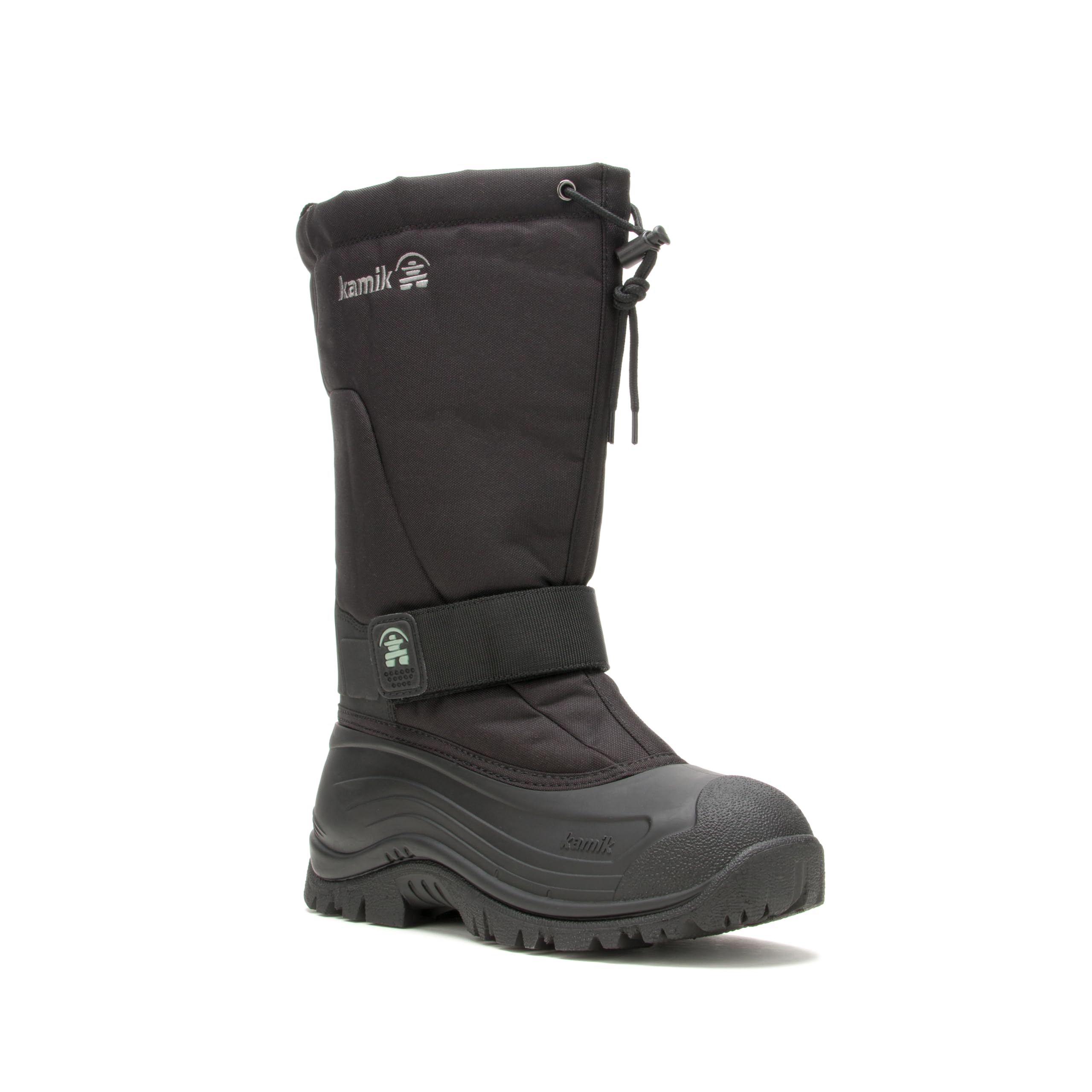
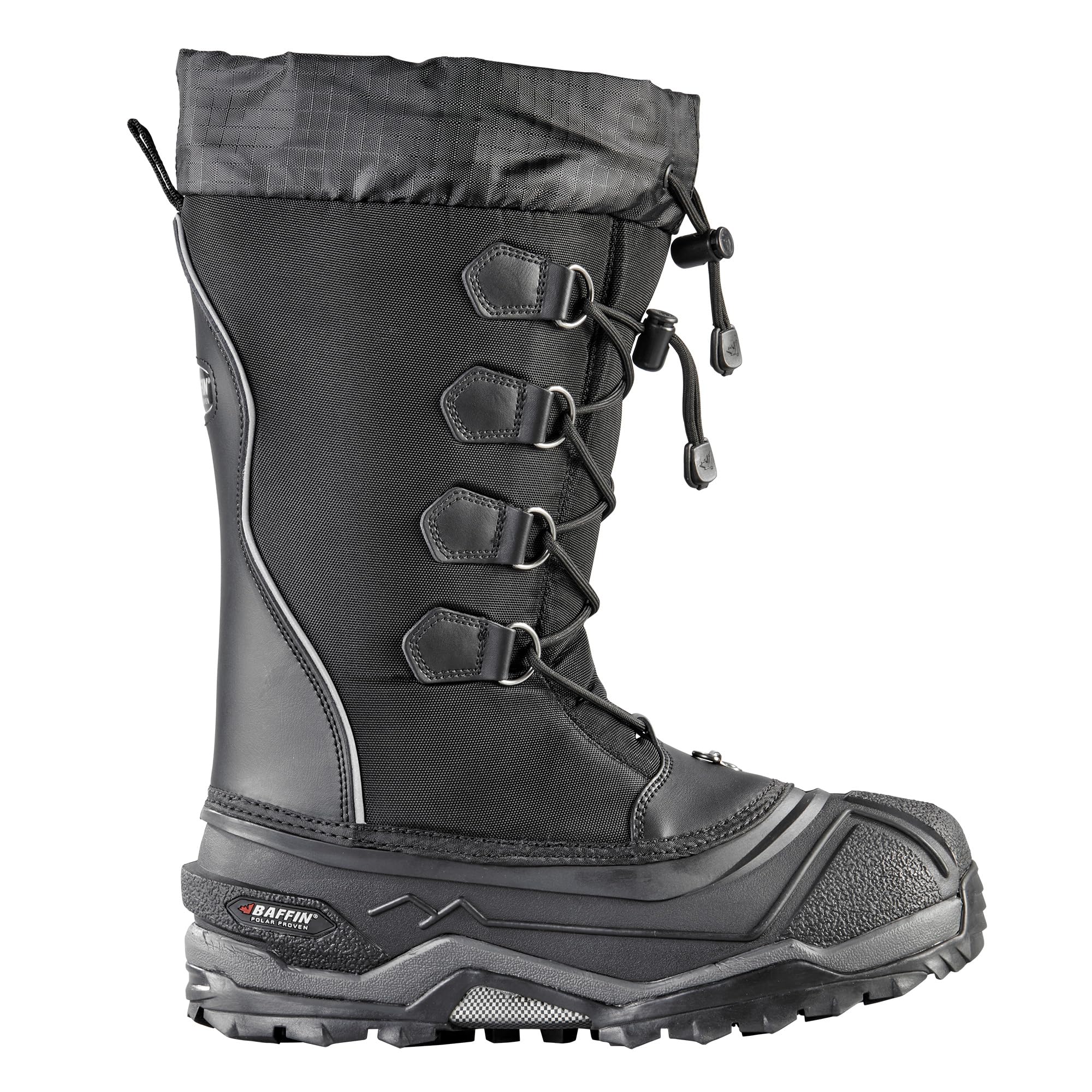
Pac style boots pair a rubber lower section with a tall insulated upper and often a removable liner. They excel in deep snow, slush, and long still periods, and many fall around $100 to $250. Their trade off is bulk, because the loose, warm fit that protects still feet feels clumsy on fast walks.
Shorter Insulated Hiking Style Boots for Active Miles
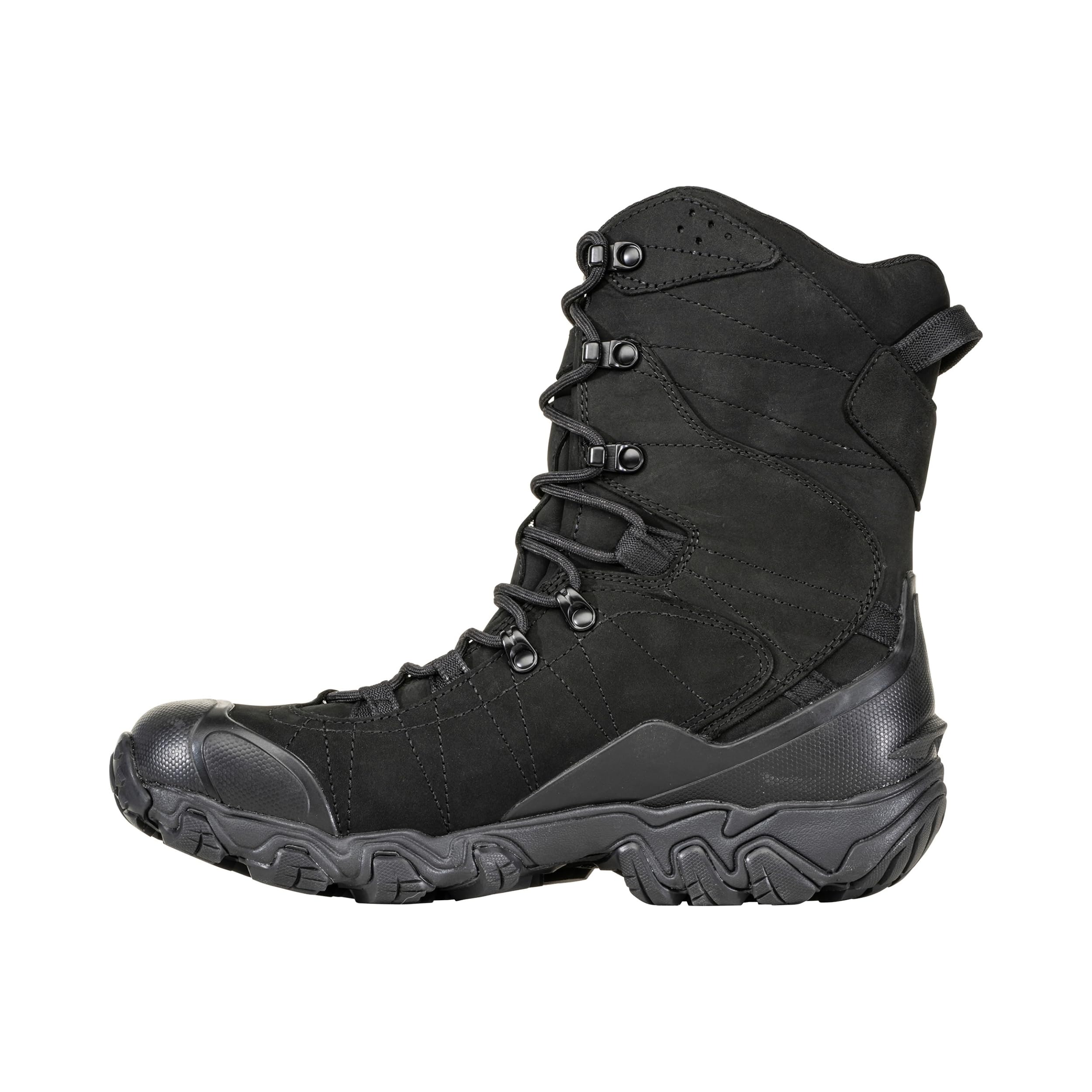
These boots borrow a close, supportive fit from hiking footwear and add moderate insulation and a waterproof membrane. They suit commuters, dog walkers, and winter hikers who generate heat by moving. Expect a lighter feel and better ankle support, but less warmth once you stop moving.
Heavy Duty Work Style Boots for Jobsite Cold
Work styles add durable leather, reinforced toes, and soles built for ladders, gravel, and frozen mud. Many include insulation around 400 to 800 grams and cost about $120 to $300. Choose this style when your employer sets toe or electrical hazard rules, because a recreational boot rarely meets those standards.
A Final Check Before the Deep Freeze Sets In
Answer each question honestly before you order. A single no on the first four usually means failure on the coldest day.
- Is the insulation matched to your stillest hour outside, not your most active one?
- Did you measure the fit while wearing your thickest winter socks?
- Can you wiggle every toe without the sides pressing in?
- Is the shaft tall enough for the deepest snow you regularly cross?
- Are the seams sealed, and is the tongue attached to block snow entry?
- Does the outsole have deep lugs and rubber that stays flexible in deep cold?
- Can you work the laces or buckles while wearing your usual gloves?
- Does the seller allow returns after an indoor fit check on clean floors?
Common Mistakes to Avoid
- Buying your normal shoe size, which leaves no room for thick socks and makes your toes colder.
- Choosing insulation by the temperature rating alone, which ignores how differently brands test their boots.
- Wearing cotton socks, which hold sweat against your skin and chill your feet once you stop moving.
- Picking a low shaft for deep snow, which lets powder pour in over the top within a few steps.
- Drying wet boots on a radiator, which cracks leather and can warp liners and adhesives.
- Trusting a listing with vague insulation claims and no stated weight, which usually signals warmth the boot cannot deliver.
Care and Maintenance for Boots in Very Cold Weather
After each outing, pull out removable liners and insoles and let everything air dry at room temperature away from direct heat. Brush off dried mud and road salt, because salt draws moisture from leather and leaves it stiff. Clean leather with a damp cloth, dry it fully, then apply conditioner sparingly.
Store boots upright in a dry place with the shafts supported, and check laces, eyelets, and lug depth before the season starts. Replace worn insoles when cushioning feels flat, and retire a pair when lugs are smooth.
Boots for Very Cold Weather: Your Questions Answered
What features matter most in boots for very cold weather?
Insulation matched to your activity matters most, followed by a fit that leaves air space around your toes. One point buyers often miss is moisture from inside, because sweat soaked insulation loses warmth fast. Choose socks that wick moisture, and change into a dry pair during long breaks.
How should boots for very cold weather fit with thick socks?
Boots for very cold weather should feel secure at the heel with clear space around the toes. Your heel should lift only slightly as you walk, while your toes never touch the front on a downhill slope. Test the fit on a step or incline, because flat floors hide toe contact that shows up on descents.
Do boots for very cold weather need to be waterproof?
Yes, for most settings that include snow, slush, or wet ground, waterproof boots are the safer choice. Dry cold powder with little melting is the main exception, where a breathable non waterproof boot can work. Remember that meltwater on plowed streets counts as wet use, even when the air stays below freezing.
Can I wear boots for very cold weather all day?
Yes, you can wear boots for very cold weather all day if the weight and flex suit your activity. The limit is usually heat indoors, where heavy insulation makes feet sweat and then chill outside. If your day mixes indoor and outdoor hours, mid weight insulation and spare socks beat the warmest boot you can find.
How long is the break in period for boots for very cold weather?
Most insulated winter boots need about one to two weeks of short wears before the fit settles. Leather uppers soften at your natural flex point, while synthetic and pac styles often feel right sooner. Wear new boots around the house first, and treat any hot spot early with a sock change before it becomes a blister.
Wrapping Up
Warmth, fit, and traction decide whether a winter boot earns its place, and the checklist above lets you test all three. Match insulation to your stillest hour, leave real room for thick socks, and pick a shaft height that keeps snow out. Compare your shortlist against the product table above and choose the best boots for very cold weather for the way you spend your coldest days.


