Best Cold Weather Men's Boots: Every Type Compared for 2026
Disclosure: We may earn a commission when you buy through links on this page, at no extra cost to you. As an Amazon Associate I earn from qualifying purchases. Learn more

Compare pac boots, work boots, hiking boots, and hunting boots for cold weather, with fit, insulation, traction, and care guidance to choose the right type.
Shopping for winter boots gets confusing fast, because pac boots, work boots, hiking boots, and hunting boots all claim to handle cold weather. The best cold weather men's boots are not one single design, and each type trades warmth, weight, grip, and flexibility differently. This guide compares the main types side by side, so you can match a boot style to the way you actually spend winter days.
The comparison table below summarizes each type at a glance, and the sections after it explain how each type feels in use. Start with your main winter activity, whether that is commuting, working outdoors, hiking snowy trails, or sitting still in cold fields. A boot built for one of those jobs may disappoint at another, even when both carry a winter label.


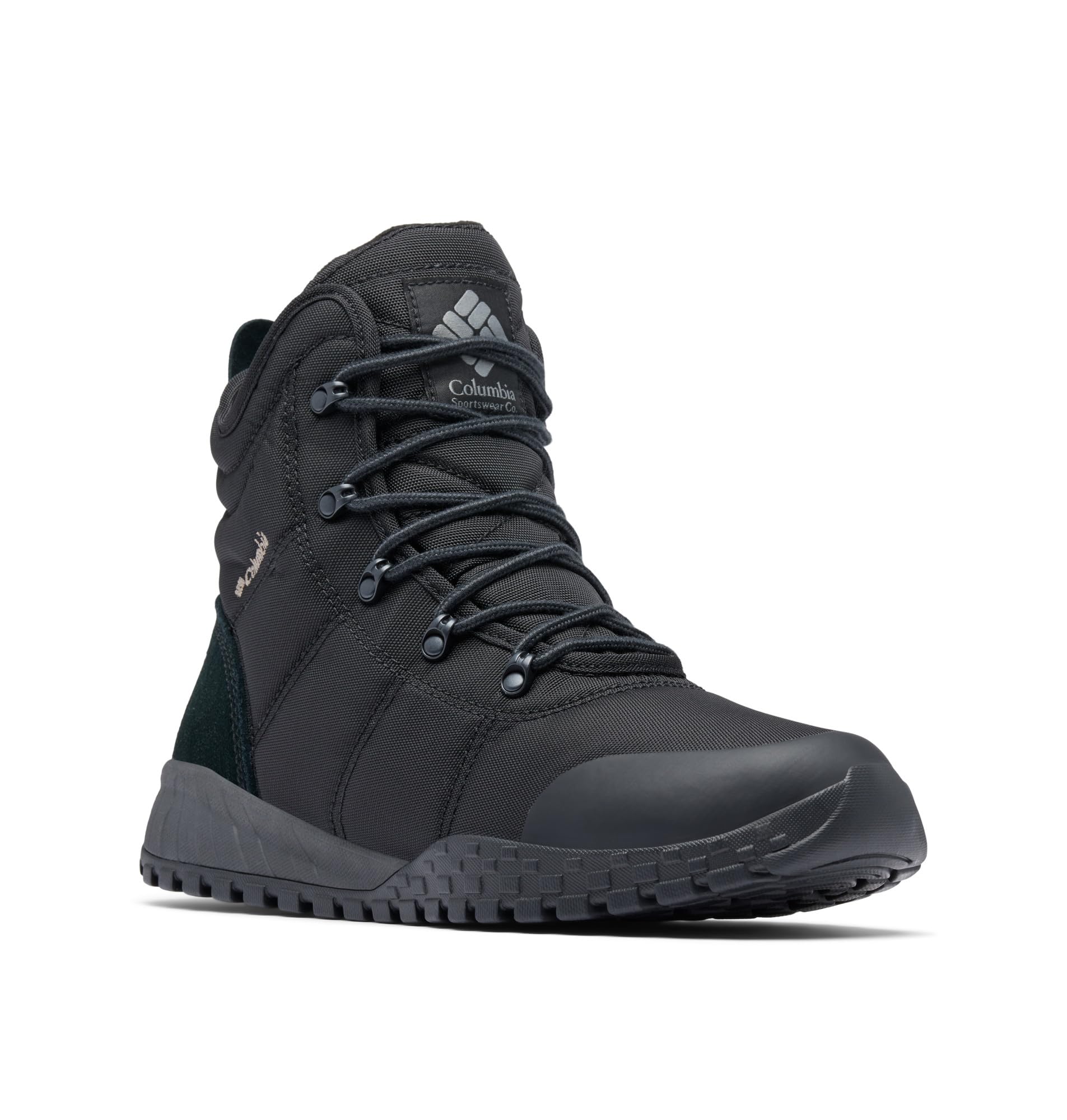
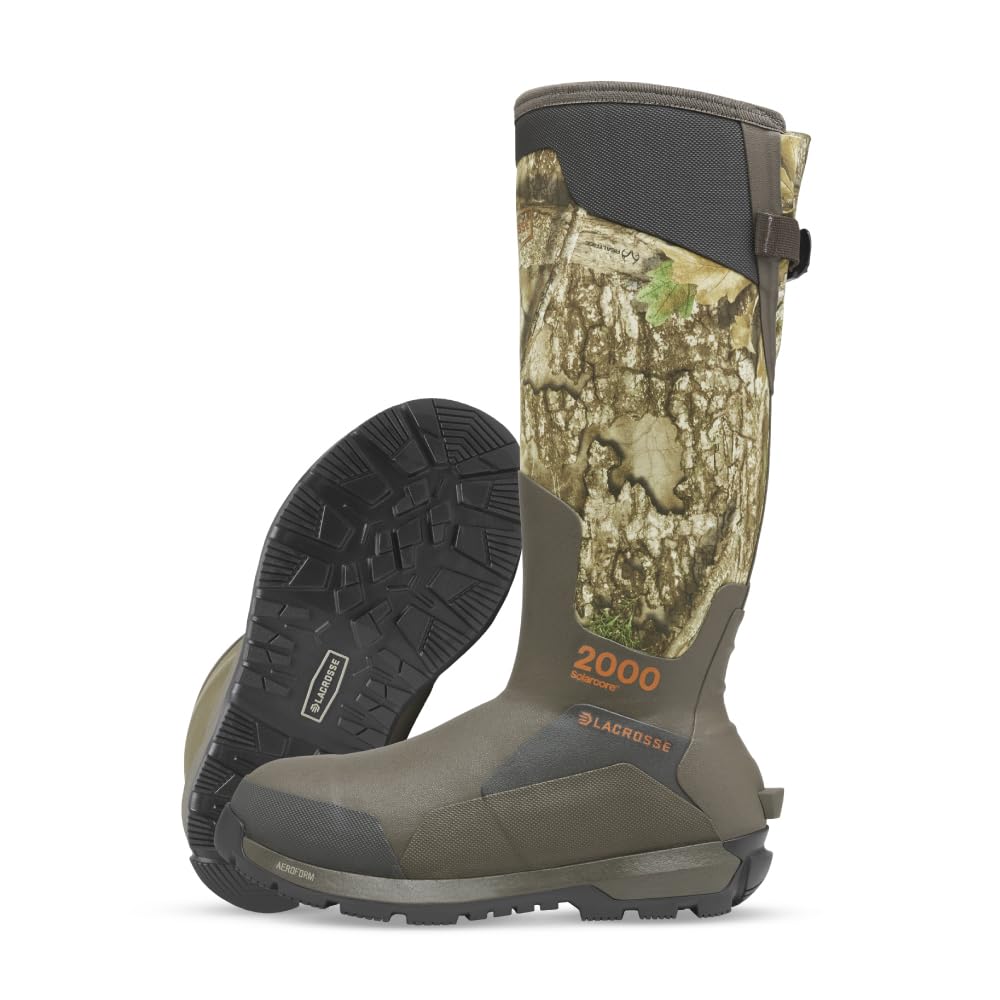


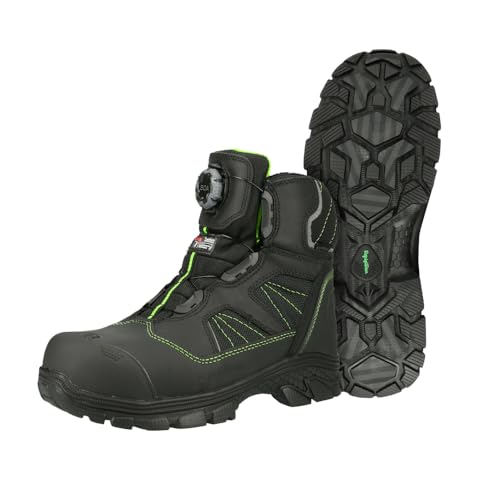
Types of Cold Weather Boots Compared
Each type below serves a different winter job, and the right choice depends on movement, exposure time, and ground conditions. Pac boots prioritize warmth for low activity, work boots prioritize durability and protection, hiking boots prioritize walking comfort, and hunting boots prioritize warmth while still. Compare the table first, then read the type that matches your routine in full.
| Type | Best For | Pros | Cons | Typical Price |
|---|---|---|---|---|
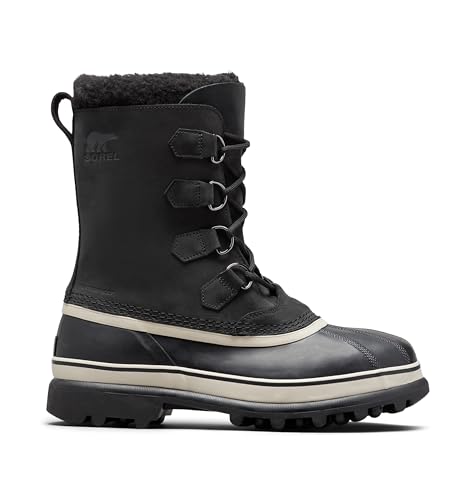
| Pac boots | Still time in deep cold | Very warm, roomy fit | Heavy, less precise walking feel | about $120 to $250 |
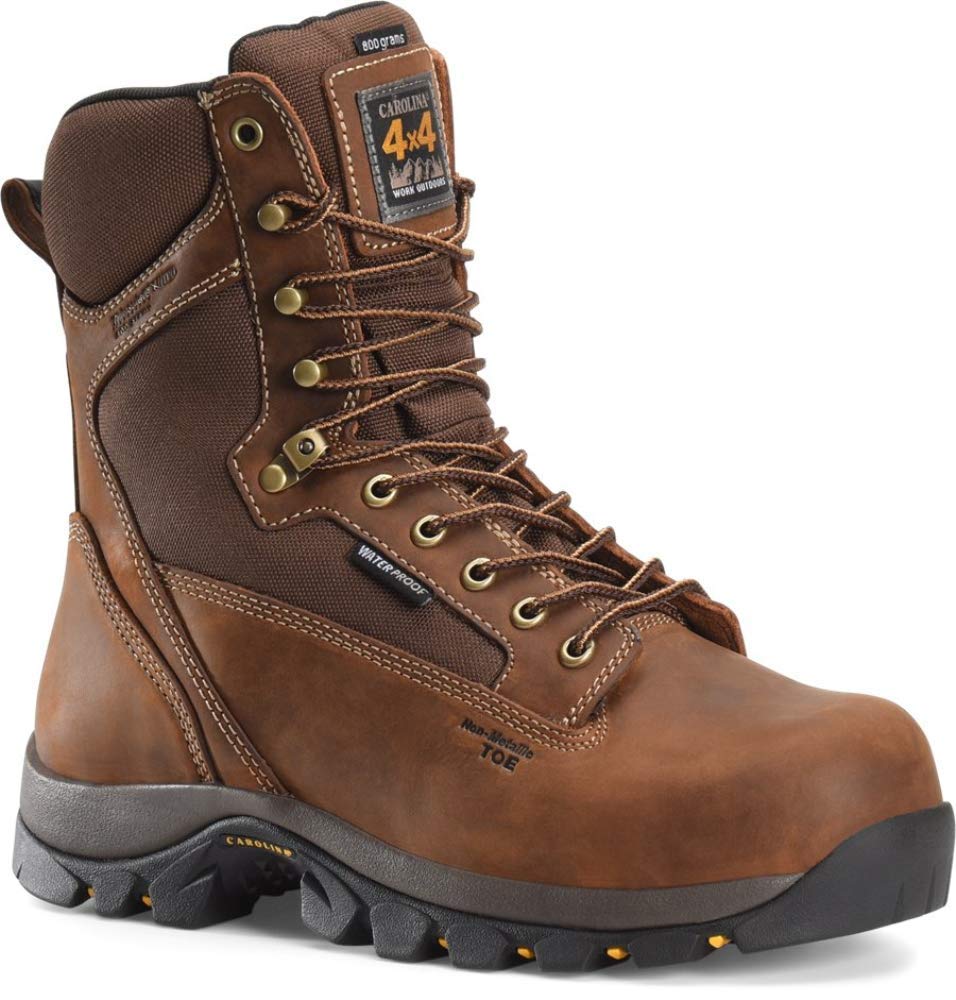
| Work boots | Job sites and long shifts | Durable, supportive, protective | Heavier, slower to break in | about $130 to $280 |
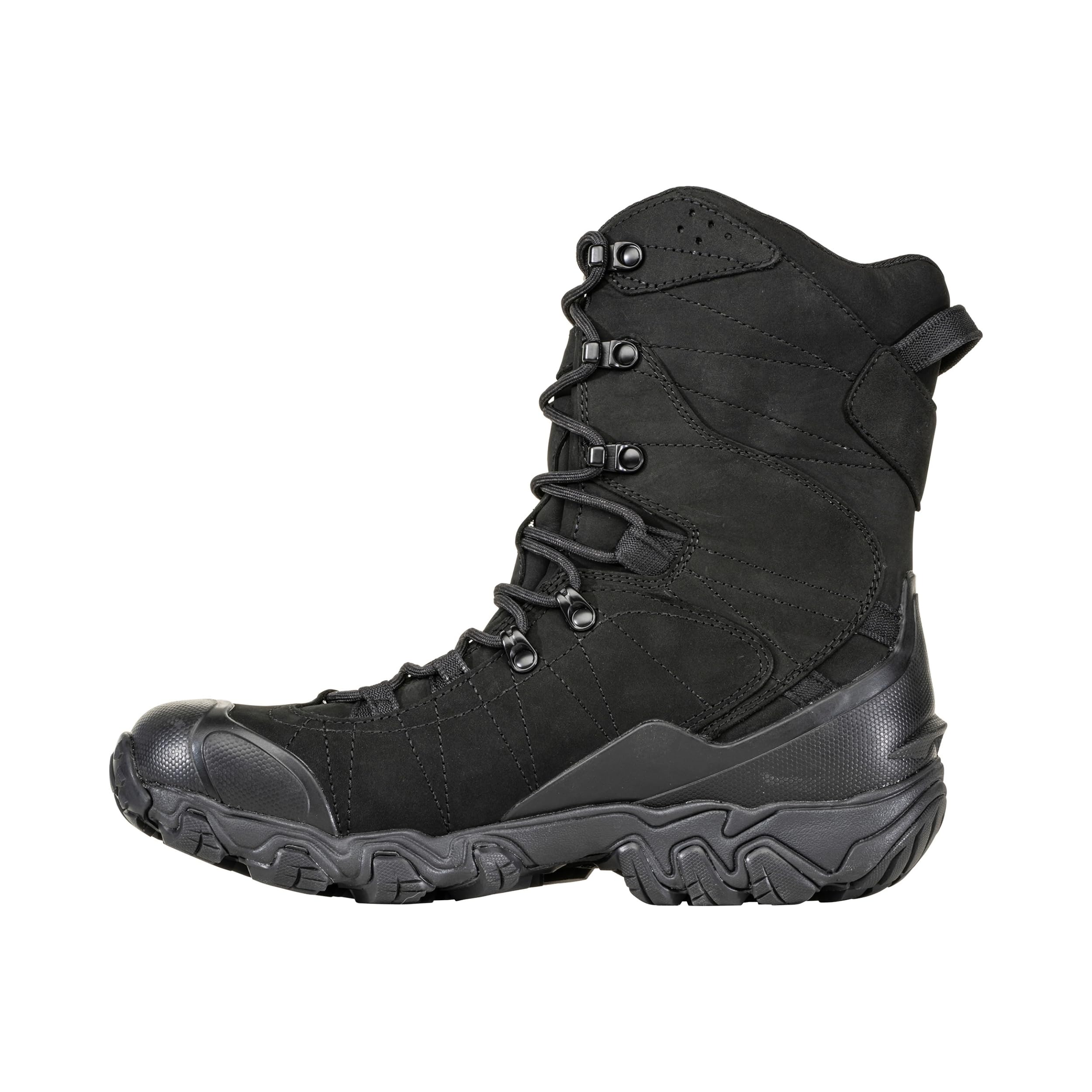
| Hiking boots | Snowy trails and active days | Agile, grippy, breathable | Less warm when standing still | about $110 to $240 |
| Hunting boots | Still hunting in cold fields | Warm, quiet, weather sealed | Bulky for fast walking | about $120 to $260 |
Pac Boots
Pac boots pair a waterproof rubber lower with a thick removable liner, which traps heat around the whole foot and lower leg. The roomy fit leaves space for thick socks and lets toes move, which helps warmth during long periods of standing still. They suit ice fishing, watching outdoor events, and chores where you move slowly in deep snow.
The trade off is weight and a less precise feel on uneven ground, so fast hiking feels clumsy in a tall pac boot. For the coldest still conditions, see our guide to the best extreme cold weather boots men's before settling on a standard insulation level.
Work Boots
Work boots build winter protection around a sturdy frame, with firm arch support, a protective toe area, and outsoles made for concrete, gravel, and muddy yards. Insulation is usually moderate rather than extreme, because job site work generates body heat through movement. The leather or synthetic upper resists scuffs and holds up to daily wear, and many designs accept replacement insoles for a better fit.
Break in takes longer than with a soft hiking boot, so wear new work boots on shorter days first. They suit construction, delivery, and maintenance work where durability matters as much as warmth.
Hiking Boots
Hiking boots favor walking comfort, with a lighter build, a flexible ankle, and lugs shaped to grip snow, rock, and muddy trail sections. Insulation is thinner than in pac boots, which keeps feet from overheating on climbs while still handling cold air and snow contact. A waterproof membrane matters here, since trail snow melts against a warm boot and can soak through an unsealed upper.
The fit runs closer than a pac boot, so measure with hiking socks and test on an incline if possible. They suit active winter days where you keep moving and need sure footing.
Hunting Boots
Hunting boots balance warmth for still waiting with enough mobility for walking to a stand or blind. Thicker insulation than a hiking boot keeps feet warm during long quiet periods, while a taller shaft keeps snow out of the leg. Quiet uppers and muted colors matter in the field, and a sealed design handles wet grass, marsh edges, and melting snow.
The bulk that adds warmth can slow fast walking, so hunters who cover long distances may prefer a lighter insulated hiking style instead. Field focused options are compared in our guide to the best cold weather hunting boots for readers whose winters center on hunting.
Pac Boots vs Work Boots: Which Should You Choose?
Choose pac boots when your winter days involve long still periods, deep snow, and extreme cold, since their thick liners and roomy fit hold heat while you barely move. Choose work boots when your days involve walking, lifting, and standing on hard surfaces, since their support and durable build handle repeated job site use better. Pac boots win on raw warmth, while work boots win on structure, protection, and all day support.
If your routine mixes both, consider which problem costs you more: cold feet during still time, or tired feet after a long shift. A broader winter roundup can help when neither type clearly wins, and our guide to the best men's winter boots for cold weather covers that wider field.
How to Choose the Right Cold Weather Boot
Once you know your type, the details decide whether a specific boot works for your feet. Fit, support, cushioning, and upper material each change comfort over a full winter day. Work through the factors below in order, and let your most common winter activity break any ties.
Arch Support and Foot Type
Flat feet need firmer arch support and a stable heel to keep the foot aligned over long days, while high arches need more cushioning under the midfoot to spread pressure. A removable insole is a practical advantage, because it lets you swap in the support your feet already need. Overpronation calls for a firm heel counter and a midsole that resists rolling inward. Test support while standing and walking, not just sitting, since arch needs show up under body weight.
Fit, Sizing, and Toe Box
Measure both feet late in the day with the socks you will wear, and fit to the larger foot. Leave about a thumb width ahead of your longest toe, and make sure toes can spread without pressing the sides of the boot. A roomy toe box keeps toes warmer, since cramped toes lose heat faster and go numb sooner. If you fall between sizes, size up and adjust with an insole rather than forcing thick socks into a tight boot.
Cushioning and Support
Cushioning absorbs impact on hard ground, while support keeps the foot stable through each step, and winter boots need both in balance. Thick soft cushioning alone can feel unstable on uneven snow, while a very firm boot can feel harsh on pavement. A moderate heel to toe drop suits most walkers, since it keeps the stride natural without pushing weight too far forward. For a general comparison of winter boot designs, see our guide to the best cold weather boots alongside this type by type breakdown.
What Men Should Look For
Men's sizing spans a wide range of widths and calf sizes, so a boot that fits one man well may pinch another at the ankle or calf. Check the shaft opening if you wear thick pants or have larger calves, and look for pull loops that work with gloved hands. Weight deserves attention on active days, since a heavy boot changes your stride and tires legs over miles. Simple lacing or a side zip helps when fingers are cold, and a wide opening makes it easier to get the boot on and off.
Upper Materials and Breathability
Leather uppers resist abrasion and hold their shape over many winters, while synthetic uppers dry faster and weigh less. Knit style uppers flex easily but need a waterproof layer to handle snow, since knit alone soaks through quickly. Breathability matters on active days, because sweat trapped inside a sealed boot cools feet once activity stops. Removable liners help here too, since you can air them out fully between wears and keep the boot itself dry.
Care and Maintenance Tips
Care differs slightly by type, but a few habits extend the life of any winter boot. Air dry wet boots away from direct heat, since radiators and open flames can crack leather and warp liners. Rotate two pairs for daily wear when possible, so each pair dries fully and the cushioning recovers between days.
Replace worn insoles before the whole boot feels tired, and reapply waterproofing treatment when water stops beading on the upper. Readers who want one pair for all seasons can compare year round designs in our guide to the best all weather boots men's before buying a second winter pair.
FAQs
Which type of cold weather boot is warmest for standing still?
Pac boots are usually warmest for standing still, because their thick removable liners and roomy fit trap heat around the whole foot. The extra space lets you wear thick socks without cramping toes, which keeps circulation steady during long quiet periods. Work boots and hiking boots insulate less, since they assume you generate heat by moving. If your main winter activity is sitting outdoors, prioritize liner thickness and shaft height over walking agility.
Do pac boots work for daily winter wear?
Pac boots can work for daily winter wear in deep cold regions, but they feel heavy and clumsy for fast city walking. Their bulk suits slow movement and still time better than commuting on cleared sidewalks. Daily wearers in milder winters often prefer an insulated hiking or work boot that walks more naturally. Reserve pac boots for the coldest days, and keep a lighter winter boot for routine errands.
How do I choose between insulated hiking boots and work boots?
Choose insulated hiking boots when your winter days center on trails, active walking, and varied terrain, since they favor agility and grip. Choose work boots when your days center on job sites, hard surfaces, and long shifts, since they favor durability and support. Hiking boots walk more naturally over miles, while work boots protect feet better under heavy use. Match the boot to the surface and task you face most often, not to the toughest day you might face once.
Can cold weather boots handle wet snow and slush?
Cold weather boots handle wet snow and slush well when the upper is waterproof, the seams are sealed, and the shaft is tall enough to keep snow out. Water resistant boots may soak through in deep slush, leaving insulation wet and feet cold. Rubber lowers and waterproof membranes hold up best in standing water and melting snow. After wet days, remove liners and air dry boots fully so trapped moisture does not chill the next outing.
What size should I order in insulated boots?
Order insulated boots by measuring both feet late in the day with winter socks, then choosing the size that fits the larger foot. Leave a thumb width ahead of your longest toe and room for toes to spread without side pressure. If you fall between sizes, size up and fine tune the fit with an insole rather than squeezing into the smaller size. Try boots on carpeted floors first, and walk stairs if possible to check heel slip before wearing them outside.
Final Thoughts
Match the type to your winter first, then check fit, insulation, and traction in that order. Pac boots suit still cold, work boots suit job sites, hiking boots suit active trails, and hunting boots suit quiet field time. Review the product table once more, compare the types against your own routine, and choose the style that keeps your feet warm without fighting your stride. Best cold weather men's boots are the pair that fits your winters, not the pair with the warmest label alone.