Best Cold Weather Boots of 2026: Every Type Explained Side by Side
Disclosure: We may earn a commission when you buy through links on this page, at no extra cost to you. As an Amazon Associate I earn from qualifying purchases. Learn more

Compare cold weather boot types by insulation, height, traction, and price, with clear fit guidance for snow, slush, work, and family winter use.
Winter boot shelves mix tall snow boots, short insulated boots, rugged pac boots, and sleek waterproof styles, and the labels all promise warmth in language that is hard to compare. This guide explains each type side by side, with the honest limits of warmth ratings, membranes, and traction, so you can match a type to your climate and your day. The best cold weather boots for you depend on how cold it gets, how wet the ground stays, and how long you are outside at one stretch.
Start with the comparison table for a quick map of the types, then read the rating and fit notes before you choose. A boot that suits a short walk on cleared pavement will fail a full day in deep snow, and the reverse is also true.
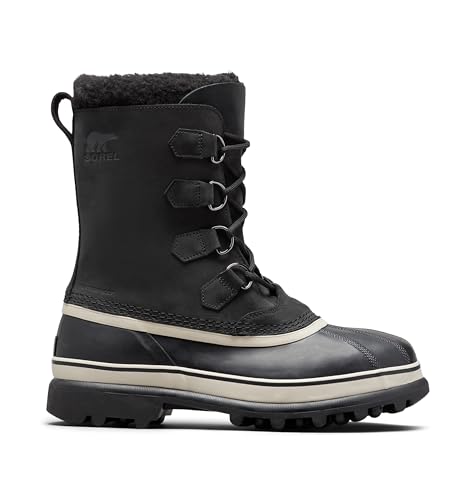
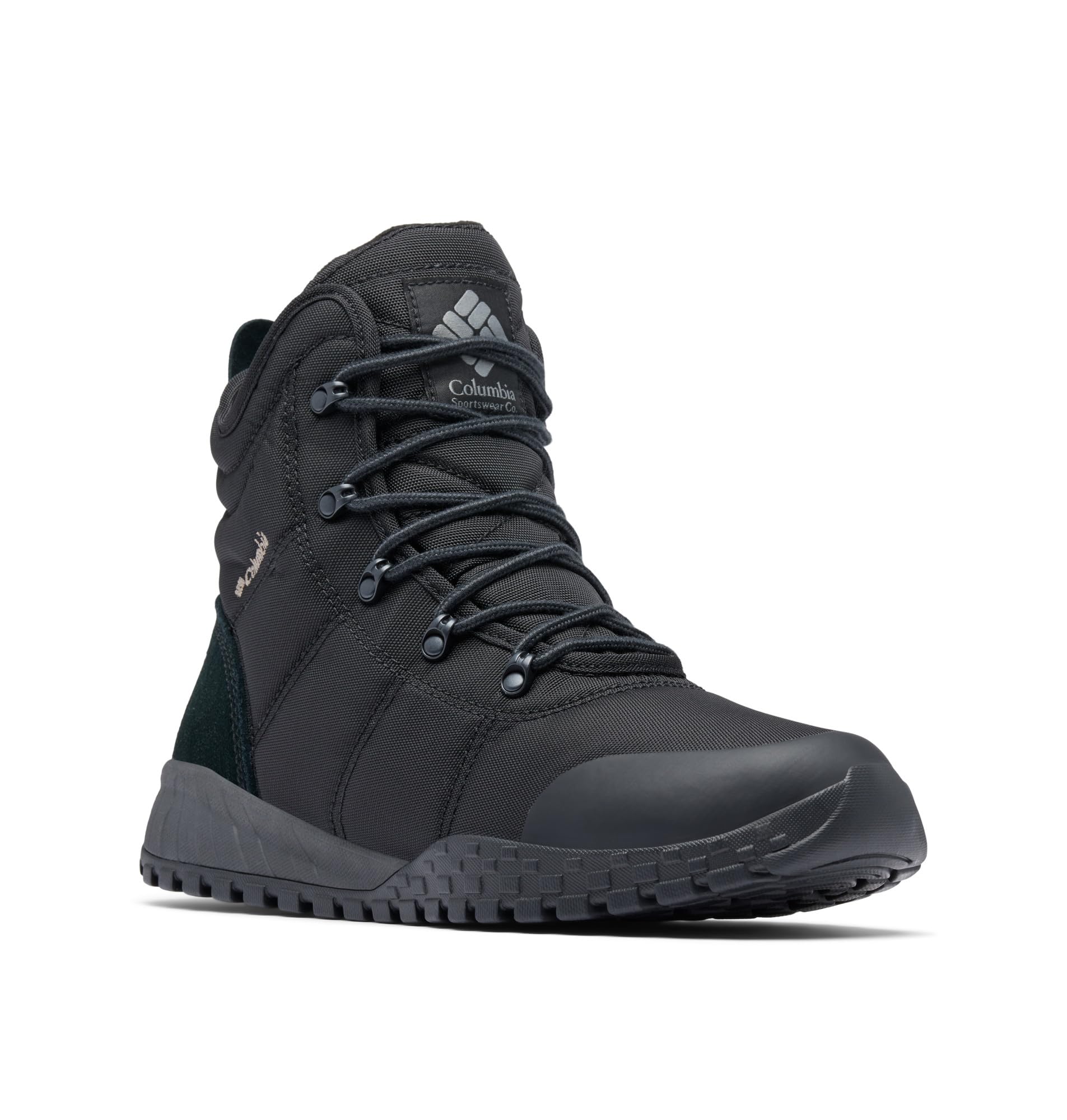


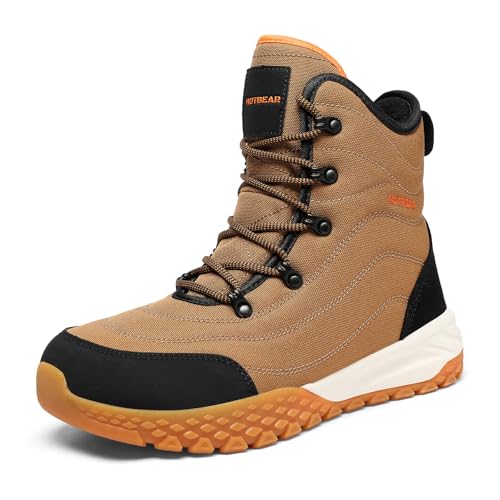
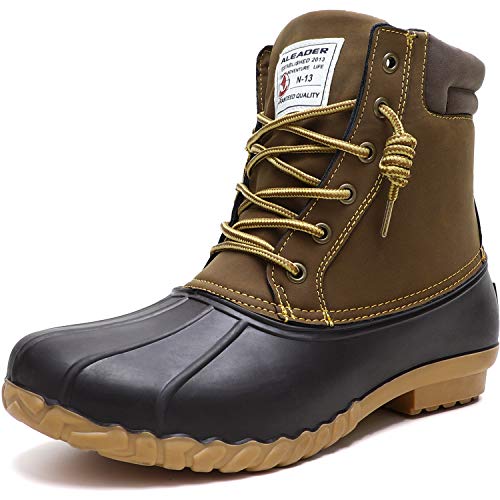
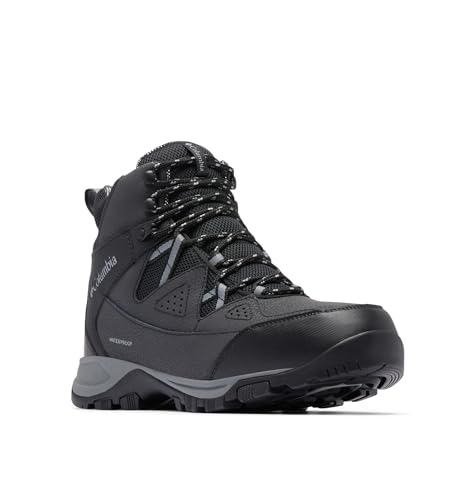

Types of Cold Weather Boots Compared
Maker temperature ratings are not standardized. Read that plainly before you trust any number on a box, because each maker rates warmth in its own way, with its own activity level and sock assumptions. A rating is a comfort claim under the maker's own conditions, not a promise that your feet will feel warm at that temperature. A person walking briskly generates far more heat than a person standing still, so treat every rating as a rough guide and leave a margin for still, windy, or very cold days.
A waterproof membrane also has a plain limit worth knowing early. A membrane works only up to the height of the lining inside the boot, so the dry claim ends at the top of that lining. Snow over the collar, a deep puddle past the ankle, or meltwater running down a leg will enter from above no matter how good the membrane is. Height is therefore part of waterproofing, and gaiters or tall shafts cover the gap that a membrane alone cannot.
| Type | Best For | Pros | Cons | Typical Price |
|---|---|---|---|---|
| Pac boots | Deep snow and long still periods outdoors | Removable liners dry overnight and thick insulation holds warmth | Heavy and bulky for driving or long walks | about $90 to $180 |
| Waterproof insulated boots | Mixed snow, slush, and daily winter wear | Balanced warmth, moderate weight, and versatile height | Warmth varies widely by insulation amount | about $80 to $170 |
| Tall snow boots | Uncleared paths and snow above the ankle | Tall shafts keep snow out and cover the lower leg | Warm indoors and awkward on cleared dry ground | about $70 to $150 |
| Short insulated boots | Mild cold, errands, and cleared pavement | Light, easy to drive in, and quick to put on | Little protection once snow passes the ankle | about $60 to $130 |
Pac Boots With Removable Liners
Pac boots pair a rubber lower section with a fabric or leather upper and a thick liner you can pull out. That liner is the warmth engine, trapping air around the foot, and removing it at night lets moisture escape so the boot starts dry the next morning. This type suits ice fishing, snow clearing, farm chores, and any work where you stand in snow for long stretches. The trade is weight and a loose, roomy fit that feels clumsy on long walks.
Waterproof Insulated Boots
This is the most versatile type, built like a sturdy hiking or everyday boot with insulation sewn in and a membrane lining to block slush and meltwater. Heights usually sit at or above the ankle, and insulation amounts range from light layers for mild towns to heavy fills for harsh regions. It suits commuters, dog walkers, and anyone who moves between pavement, packed snow, and wet crossings in one day. The product table above shows where this balanced type sits on price.
Tall Snow Boots
Tall snow boots raise the shaft to mid calf or knee height, with a wide opening, simple closures, and insulation focused on keeping snow out as much as keeping heat in. They shine on uncleared school runs, deep yard snow, sledding hills, and rural paths where no one plows. Pull on entry and room for thick trousers or snow pants make them a family favorite. Their limits are heat indoors, weight, and a soft sole that offers little support on long hard walks.
Short Insulated Boots for Mild Cold
Short insulated boots end at or just above the ankle and behave most like normal shoes, with light insulation, a grippy sole, and an easy on and off shape. They suit mild winter towns, short errands, driving, and travel where one pair must handle airports, streets, and light snow. Warmth is modest and snow protection stops at the ankle, so deep or drifting snow defeats them quickly. Within their limits they are the most comfortable type for all day indoor and outdoor mixing.
Pac Boots Versus Waterproof Insulated Boots: Which Should You Choose?
These two types confuse shoppers most, so compare them on warmth at rest, weight, drying, fit, and price. Pac boots win on warmth while standing still, because the thick removable liner traps more air and can be swapped or dried overnight. Waterproof insulated boots win on walking comfort, with a closer fit, better ankle support, and less bulk underfoot. On a long walk the pac boot loose fit can rub, while on a long still watch the sleeker boot can feel cold.
Drying separates them further. A pac liner comes out and dries by a vent or radiator in hours, while a boot with sewn in insulation dries slowly and should stay away from strong direct heat. Choose the pac type for snow depth, stillness, and the coldest sites. Choose the waterproof insulated type for distance, mixed ground, and daily wear across town.
How to Choose the Right Cold Weather Boot
Type comes first, and the details in this section come second. Work through durability, traction, weight, and fit in that order, and most wrong purchases disappear.
Durability and Expected Lifespan
Seams, sole bonding, and liner wear set the lifespan of a winter boot more than the upper material alone. A rubber lower section resists salt and slush well, while leather uppers need drying and conditioning to avoid cracking over seasons. Expect a sound pair in the about $80 to $170 range to serve several winters of regular use when dried and stored well.
Work use is the hardest test, with long shifts, ladders, and rough yards punishing every weak joint, and readers in that position can compare options in our guide to the best cold weather work boots. For any buyer, check that the sole is stitched as well as glued where the maker states it, and flex the boot in hand to feel for thin spots. A replaceable liner or insole extends life at low cost. Durability you can maintain beats durability you cannot.
Outsole Traction and Terrain
Traction comes from lug shape, rubber softness in cold, and how much of the sole touches the ground. Deep, widely spaced lugs shed snow and bite into packed trails, while softer rubber compounds stay flexible and grip better on cold pavement and ice. No rubber sole makes ice safe, so treat polished ice as a hazard for every type and shorten your stride there. Smooth leather soles and shallow fashion treads have no place on winter ground.
Weight and Flexibility
Weight rises with height, insulation, and rubber coverage, and heavy boots tire legs on any walk beyond a short one. A stiff boot protects the foot on rough, frozen ground and supports the ankle in ruts, but it fights a natural stride on flat pavement. Flexible boots feel easy at first and can feel thin and cold after an hour on frozen ground. Balance the two by your longest regular outing, not your shortest.
Fit, Sizing, and Toe Box
Fit a winter boot with the socks you will actually wear, and leave room for toes to spread and wiggle, since cramped toes lose circulation and feel cold fast. A thumb width of space beyond your longest toe is a useful starting guide, with the heel held firmly enough to avoid lifting with each step. Wide toe boxes help thick socks and long days, while narrow fashion shapes cause most cold foot complaints. Sizes vary between makers, so trust the fit in store over the number on your summer shoes.
Cold injury is a real risk and belongs in any honest fit discussion. Toes that are squeezed, wet, or exposed for long periods are more vulnerable, and numb, white, or hard skin is a warning sign that means you should get medical care promptly. This guide gives no treatment instructions, and it is not a substitute for professional advice. The buying lesson is simple and practical: choose room, dryness, and a turnaround time that keeps long exposure within your comfort.
Picking the Right Boots for Different Uses
Long, still periods outdoors call for maximum insulation and height, which is why readers who sit in cold stands or walk frozen fields can compare shapes in our guide to the best cold weather hunting boots. Town use rewards the opposite balance, with lighter weight and easier driving. Family buying adds one more distinct case, covered next.
Best Cold Weather Boots for Kids
Children need warmth with light weight, since heavy boots change how a small leg walks and tires a child quickly. Look for simple closures a child can work with gloves on, such as wide straps or large toggles, plus a liner or insole that comes out for fast drying after snow play. Leave growing room, but avoid buying far oversize, because a sliding foot blisters and feels colder. A bright color or reflective detail helps drivers and parents spot a child at dusk, a small safety point worth the choice.
Setup and Care Tips
Winter boots ask for little setup beyond fit checks and sock pairing, and care is mostly about drying and salt. These habits protect warmth as much as they protect materials.
- Air dry away from direct heat. Dry wet boots at room temperature with the insoles out, since strong heat can crack leather and warp sole bonding.
- Rotate two pairs for daily wear. Alternating pairs gives each boot a full day to dry, which preserves insulation loft and cuts odor.
- Rinse salt off promptly. Wipe or rinse road salt from uppers and soles after slushy days, then dry fully before storing.
- Store upright and unstuffed in a dry place. Tall shafts keep their shape when stored standing, and dry storage prevents mildew over summer.
- Recheck closures each season. Straps, toggles, and laces wear quietly in storage, and replacing a lace costs far less than replacing a boot.
Cold Weather Boots: Your Questions Answered
How often should I replace my cold weather boots?
Replace winter boots when the sole tread is worn smooth, the insulation stays flat after drying, or water enters through cracks or seams. One extra signal the main sections do not cover is a liner or insole that smells strongly even after washing and full drying, which usually means the padding has broken down inside. Boots stored damp over summer often reach that point early. A sound pair kept dry commonly lasts several winters before any of these signs appear.
How long is the break in period for cold weather boots?
Most insulated winter boots need only a few short wears to settle, while stiff leather styles may take about one to two weeks of regular use. A fresh point to add is that thick new liners compress most at the heel and ball of the foot, so a boot that feels slightly roomy on day one often fits correctly by week two. Wear your winter socks during this period, not thin ones. Pain, numbness, or hot spots that grow worse are fit faults, not break in stages.
Are expensive cold weather boots worth it?
Higher prices can be worth it when they buy replaceable liners, stitched soles, and insulation suited to your climate. One consideration beyond the type comparison is resale and hand me down value, since sturdy family boots often serve a second child or a second owner, spreading the cost across more winters. Fashion details and very tall shafts for town use add price without adding warmth. Judge cost per winter of real use, not cost on the day of purchase.
Do I need waterproof cold weather boots?
You need waterproof protection if your winter includes slush, meltwater, rain on snow, or stream crossings on trails. A point the membrane section does not raise is footwear for plowed urban routes, where puddles at curbs are often deeper than the snow itself and surprise walkers in short boots. Dry, cold regions with powder snow are more forgiving, and a water resistant finish may serve there. Match the membrane and the shaft height to the wettest part of your normal route.
How should cold weather boots fit?
Winter boots should hold the heel steady, leave room for toes to move in thick socks, and flex without pinching across the top of the foot. An extra check worth doing is the stair test, since descending stairs or a slope pushes toes forward and reveals a short fit that flat walking hides. Try both boots, because most people have one foot slightly larger. Fit to the larger foot and adjust the other with sock thickness or an added insole.
Can I wear cold weather boots all day?
You can wear winter boots all day when the type matches your setting, with lighter insulated styles suiting mixed indoor and outdoor days best. A fresh consideration is indoor heat, since heavily insulated boots worn for hours in a warm building can leave feet damp with sweat, and damp feet chill quickly once you step back outside. Where possible, change into indoor shoes during long warm stretches. All day comfort is as much about moisture management as cushioning.
Wrapping Up
Choose the type first, respect the limits of warmth ratings and membranes, and fit with your real socks and your real terrain in mind. Pac boots serve still cold and deep snow, waterproof insulated boots cover the widest range of days, tall snow boots guard uncleared ground, and short styles keep mild winters easy. Compare your shortlist with the product table above, keep most budgets at about $60 to $180, and pick the best cold weather boots type that matches your usual winter day rather than your most extreme one.