Best Cold Weather Work Boots in 2026: Which Type Is Right for You?
Disclosure: We may earn a commission when you buy through links on this page, at no extra cost to you. As an Amazon Associate I earn from qualifying purchases. Learn more

Compare the best cold weather work boots by boot types, insulation, safety toes and fit for winter jobs.
Winter work puts boots under pressure that summer footwear never faces: cold air, wet snow, ice, and long hours on your feet, often in the same shift. A best cold weather work boots choice should balance warmth, waterproofing, grip, and comfort, because a boot that is warm but slippery, or waterproof but painfully stiff, will not serve you well by the end of the day. This guide compares the main types side by side, so you can match a boot type to your job rather than guessing from a single feature, and the comparison table below gives you a quick overview before the detail.
The confusion usually comes from overlapping claims. Insulation ratings, waterproof membranes, and safety toes all sound important, yet they matter in different amounts depending on whether you stand still outdoors, walk all day, or move between indoors and outdoors. A boot for a worker who stands on cold concrete needs different insulation than a boot for a worker who walks miles through snow. Keep your own work pattern in mind as you read, and judge each type against that pattern.

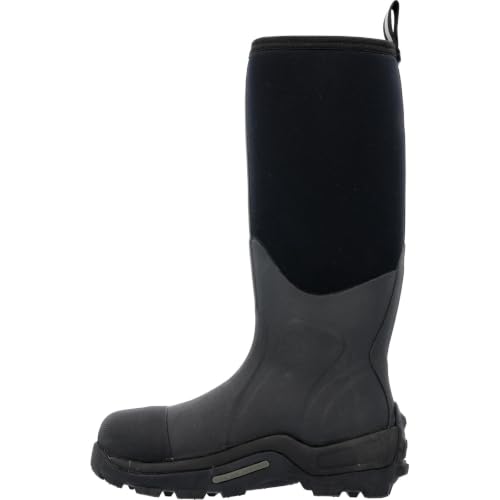


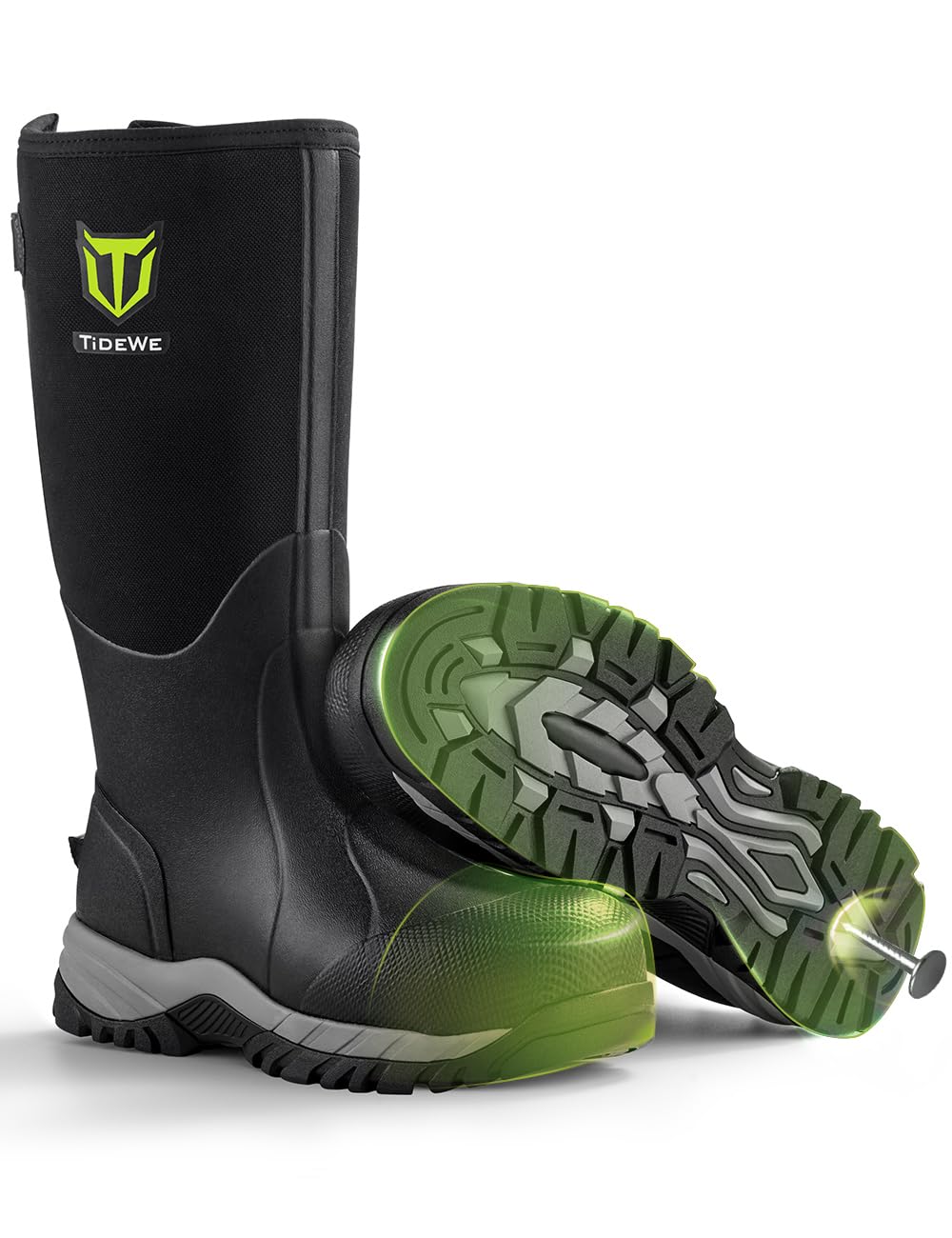
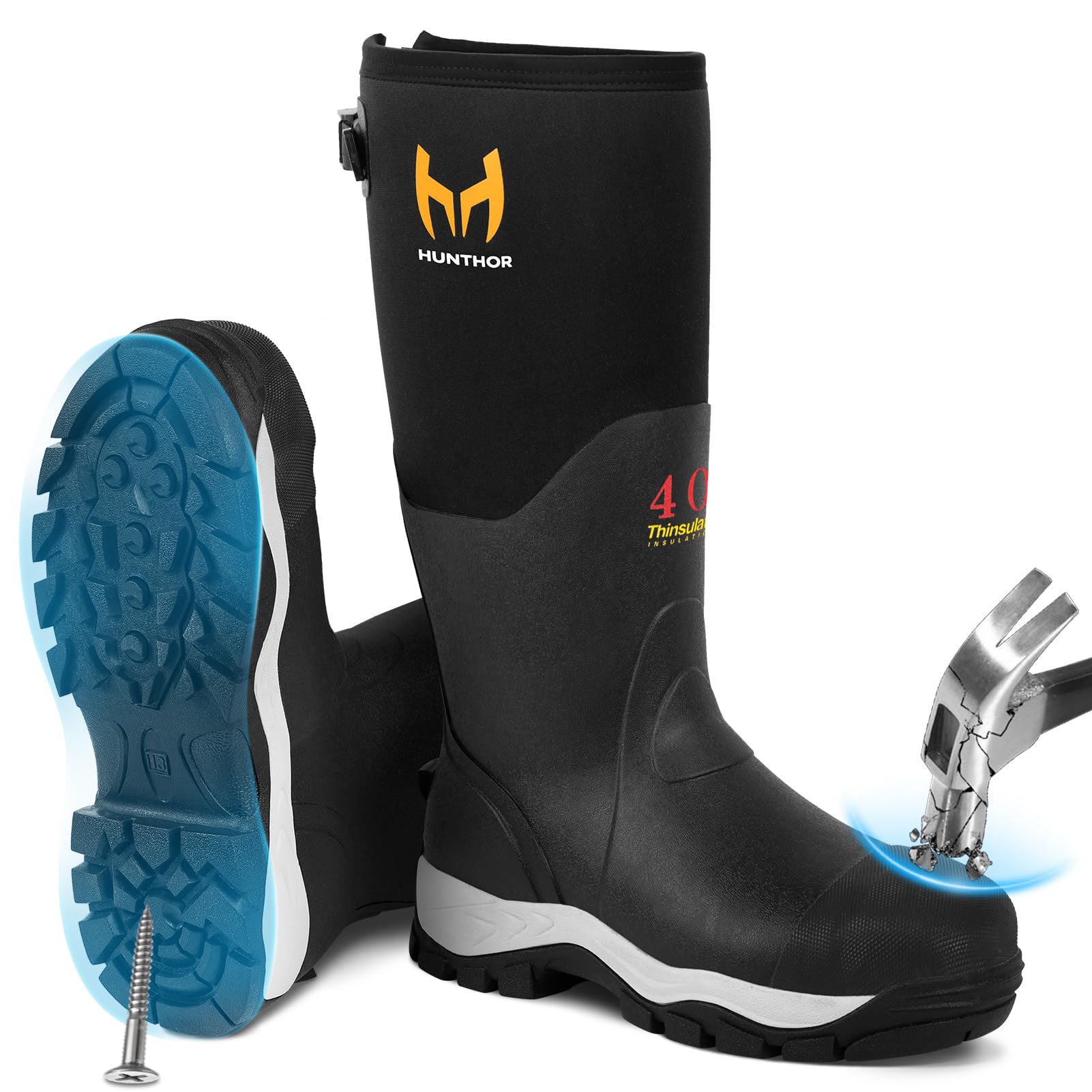
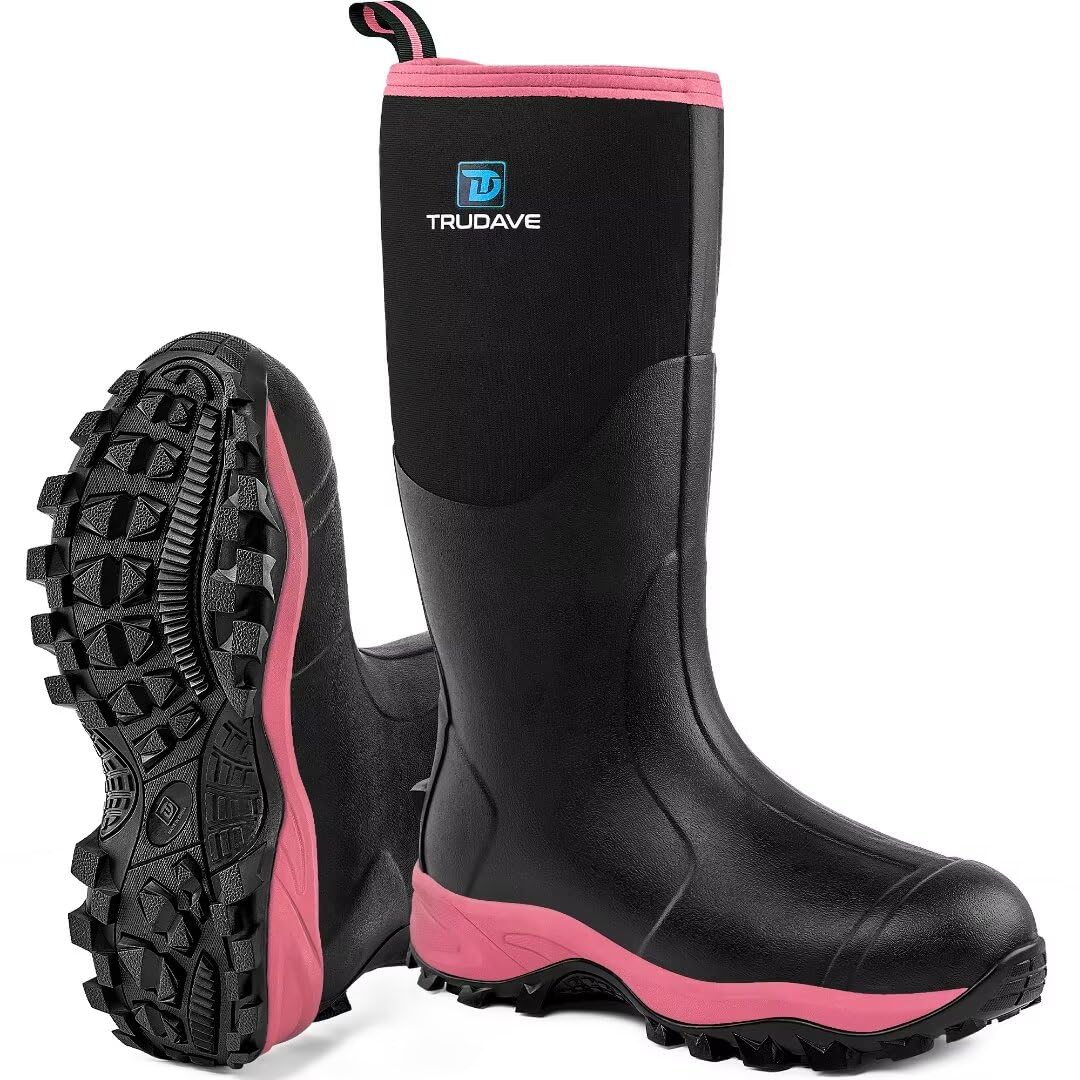
Types of Cold Weather Work Boots Compared
| Type | Best For | Pros | Cons | Typical Price |
|---|---|---|---|---|
| Insulated waterproof work boots | Wet snow and mixed outdoor work | Sealed seams and steady warmth | Can feel warm indoors | About $120 to $220 |
| Pac style work boots | Deep snow and standing in extreme cold | Thick insulation and removable liners | Heavy and bulky | About $140 to $250 |
| Insulated safety toe work boots | Jobsites with impact and compression risks | Toe protection plus winter insulation | Heavier and needs break in time | About $130 to $240 |
| Lightweight insulated work boots | Active work with lots of walking | Easier walking and faster drying | Less warmth when standing still | About $100 to $200 |
Insulated Waterproof Work Boots
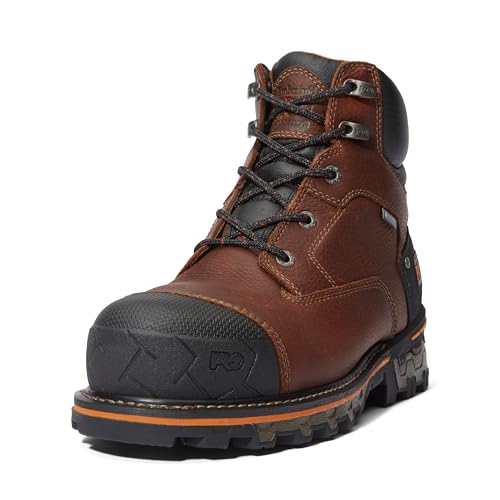
Insulated waterproof work boots pair a sealed upper with a layer of insulation, and they are the most versatile choice for wet snow, slush, and rain mixed with cold. The waterproof membrane or sealed construction keeps water out, while the insulation slows heat loss through the sole and upper. They work well for workers who move between wet ground and dry indoor areas, though they can feel warm if you spend the whole shift indoors. Look for a gusseted tongue and sealed seams, since water often enters through those weak points rather than through the main upper; for a broader cold weather comparison, see our guide to best cold weather boots.
Pac Style Work Boots
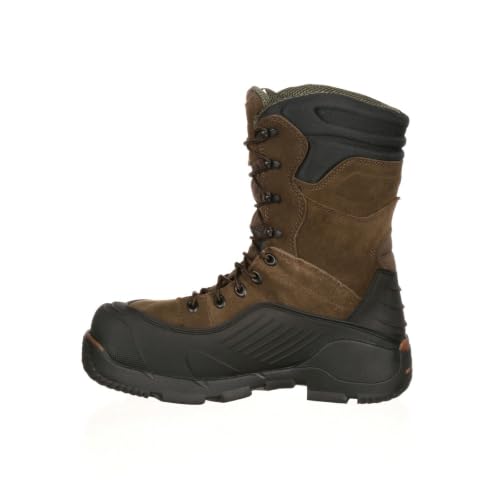
Pac style boots use a thick insulated liner inside a waterproof shell, and the liner can often be removed for drying. That design suits deep snow and jobs where you stand still in extreme cold, because the thick liner traps more warm air than a slim insulated boot. The trade off is bulk: pac boots are heavier, wider, and harder to drive in, and they can feel clumsy on ladders or uneven ground. They are best when warmth while standing still matters more than agility, and when you can dry the liners overnight between shifts.
Insulated Safety Toe Work Boots
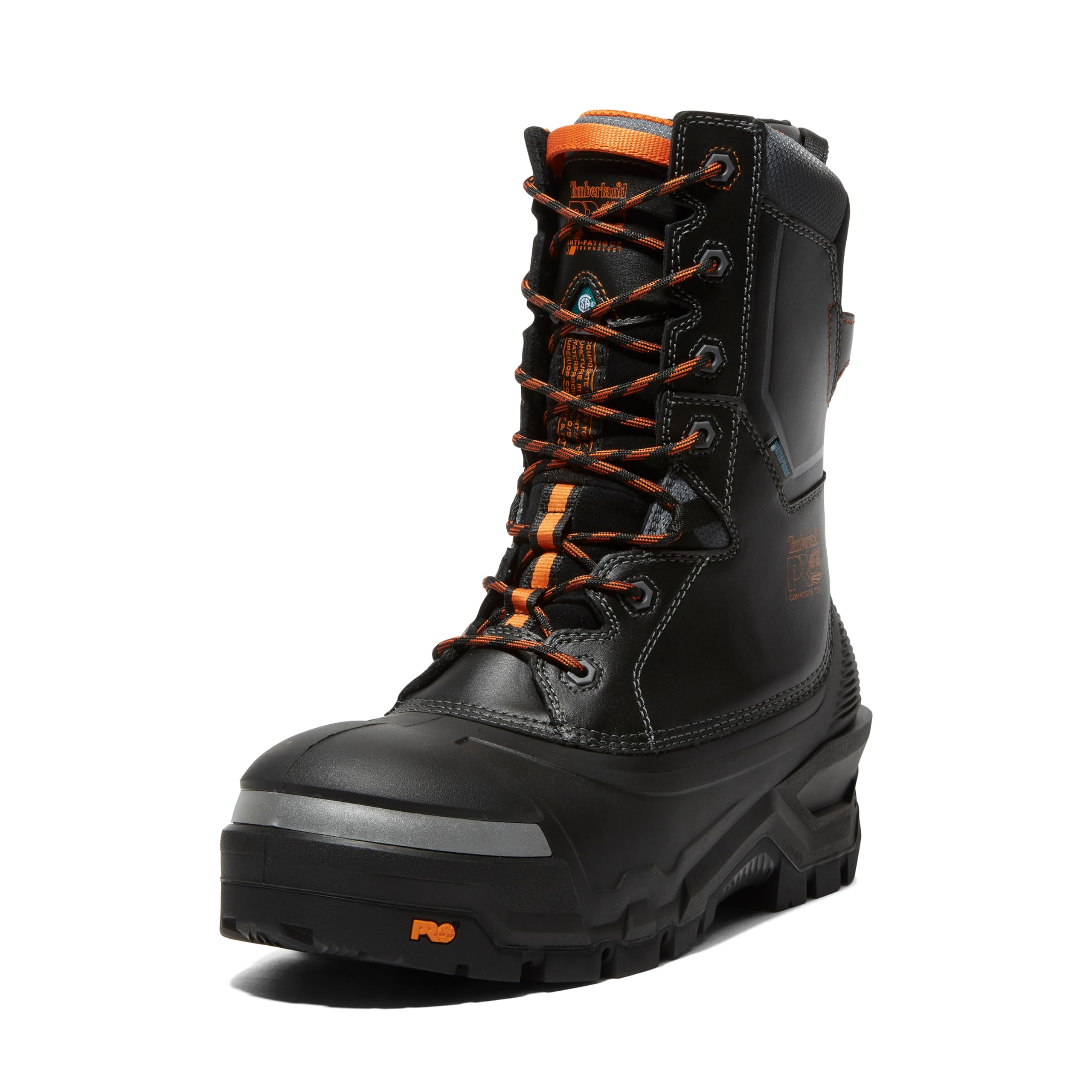
Insulated safety toe boots add impact and compression protection to winter insulation, which matters on jobsites where heavy objects, tools, or vehicles are part of the day. Composite toes are lighter and do not conduct cold the way steel can, while steel toes offer a long record of protection at the cost of extra weight and cold transfer. Either way, allow break in time, since a stiff safety toe boot that fits poorly on day one will not improve with wishful thinking. Check your employer rules before buying, since some sites require a specific toe standard; for the most extreme cold, see our guide to best work boots for extreme cold weather.
Lightweight Insulated Work Boots
Lightweight insulated boots use thinner insulation and more flexible soles, and they suit active work with lots of walking, climbing, or kneeling. They dry faster than heavy pac boots, and they are easier to wear for a full shift without fatigue. The limit is warmth while standing still: thin insulation loses heat faster when you stop moving, so these boots suit workers who stay active or who work in milder winter conditions. If your job mixes active periods with long still periods, consider a mid weight insulated boot instead of the lightest option.
Insulated Waterproof Boots vs Pac Style Boots: Which Should You Choose?
Choose insulated waterproof boots if your work involves wet snow, slush, and regular movement, since they offer a better balance of waterproofing, walking comfort, and moderate warmth. Choose pac style boots if you face deep snow or long still periods in extreme cold, since their thick liners hold warmth far longer when you are not moving. Weight and agility also separate them: waterproof boots are easier to walk and climb in, while pac boots can feel bulky on ladders. Cost is similar at the mid range, so let your work pattern, not price alone, decide, and if you split time between both conditions, a waterproof boot with a removable liner can be a useful compromise.
How to Choose the Best Cold Weather Work Boots
Fit, Sizing, and Toe Box
Measure your feet in the afternoon, when they are slightly larger, and wear the socks you will actually work in. A roomy toe box matters in winter, because cramped toes lose warmth faster and blister more easily, while a heel that slips will cause blisters on long shifts. If you are between sizes, the larger size with a thicker sock is often the safer choice, but check the maker return policy so you can exchange if the fit is wrong. For boots that must handle every season, see our guide to best work boots for all weather.
Weight and Flexibility
Heavy boots protect well but tire your legs over a long shift, while light boots keep you moving but may offer less insulation and less support. Flexibility matters too: a sole that bends with your stride reduces fatigue, while a very stiff sole can feel stable on uneven ground but tiring on flat concrete. Try to match weight to your activity level rather than choosing the heaviest boot by default. A boot that feels good after an hour in the store may still tire you after eight hours, so pay attention to ankle support and sole cushioning as well as raw weight.
Waterproofing and Membranes
Waterproofing in work boots usually comes from a membrane layer, sealed seams, or a waterproof upper material, and each approach has a trade off with breathability. Membranes keep water out while letting some moisture escape, but they can feel warm during active work, and they lose effectiveness if the outer material stays soaked. A waterproof boot is worth it if you regularly stand in snow, slush, or puddles, but it may be overkill for dry cold work. Keep in mind that no boot stays waterproof forever, so reapplying a suitable water repellent treatment as the maker directs helps maintain protection.
Upper Materials and Breathability
Leather uppers are durable and break in well, but they need care to stay water resistant, while synthetic uppers are often lighter and dry faster. Knit style uppers can feel comfortable but are less suited to wet, muddy jobsites unless they carry a waterproof layer. Breathability matters most for active workers, since sweat trapped inside a boot can chill feet once activity stops. Look for an upper that balances durability for your job with enough airflow to manage moisture, and remember that socks play a large role too: wool or synthetic work socks manage moisture better than cotton in winter.
Setup and Care Tips
Break boots in gradually with shorter wear periods before a full shift, and lace them to support the ankle without cutting off circulation. Air dry wet boots away from direct heat, since radiators and open flames can crack leather and damage membranes, and remove insoles or liners to speed drying. Rotate two pairs for daily wear when you can, because a full day of drying between shifts extends boot life and keeps feet warmer. Check soles for worn grip, replace laces before they snap on a cold morning, and follow maker guidance for cleaning and reproofing, remembering that no boot guarantees protection from cold, slips, or injury, so check employer and local rules for your job, and seek clinician advice for persistent foot pain, numbness, or swelling.
Cold Weather Work Boots: Your Questions Answered
Do I need waterproof boots?
You need waterproof boots if you regularly stand or walk in snow, slush, or standing water during winter work. A water resistant boot may handle light snow, but once water soaks through, insulation loses much of its value and feet chill quickly. If your winter work is mostly dry and indoors, a water resistant boot with good insulation may be enough. The deciding factor is how often your feet actually get wet, not how cold the air feels on a dry day.
How long is the break in period?
Break in usually takes a few short wear periods over one to two weeks, depending on how stiff the leather and sole are. Start with a few hours at home or on light duties, and increase wear time as the boot softens around your foot. Blisters during break in often signal a fit problem rather than normal stiffness, so check lacing, sock thickness, and toe room before pushing through pain. Composite toe boots often break in faster than steel toe boots, since the toe area flexes more easily.
Are expensive cold weather work boots worth it?
Higher priced boots are worth it when the extra cost buys better insulation, sealed construction, or a sole that grips ice more reliably for your specific job. They are less convincing if the extra cost only buys cosmetic features or a heavier build you do not need. Compare boots on insulation, waterproofing, toe protection, and sole grip rather than on price alone. A mid priced boot that fits well and matches your work pattern will usually serve you better than a costly boot that fits poorly.
How often should I replace my cold weather work boots?
Replace boots when the sole grip wears smooth, the waterproofing fails despite care, or the insulation no longer keeps feet warm in conditions it once handled. For daily winter work, that may mean one to two seasons of heavy use, while occasional use can stretch life longer. Do not judge by looks alone: a boot can look sound while its sole has lost grip or its membrane has cracked. Regular checks of seams, soles, and liners will tell you sooner when replacement is due.
Can I wear cold weather work boots all day?
You can wear them all day if they fit well, match your activity level, and do not overheat you indoors. Heavy pac boots may feel tiring over a full indoor shift, while a lighter insulated boot is easier to wear for eight hours or more. Pay attention to foot fatigue, sweating, and any numbness or tingling, and change socks mid shift if your feet sweat heavily. If pain, numbness, or swelling persists, seek clinician advice rather than assuming the boots will break in and fix the problem.
The Bottom Line
Match the boot type to your work pattern first, then check fit, waterproofing, and insulation in that order. Insulated waterproof boots suit most wet winter work, pac boots suit deep snow and still cold, safety toe boots suit jobsites with impact risks, and lightweight insulated boots suit active work. A best cold weather work boots pick that fits well and suits your daily hours will do more for you than the warmest boot on the shelf. Check the product table above once more, then choose the type that fits your job, your climate, and your feet.