
Best Cold Weather Snow Boots for 2026: A Buying Guide
Disclosure: We may earn a commission when you buy through links on this page, at no extra cost to you. As an Amazon Associate I earn from qualifying purchases. Learn more

Compare the best cold weather snow boots by insulation weight, shaft height, shells and fit for deep snow.
Regular winter boots give up when the temperature drops far below freezing and the snow reaches your shins. Insulation thins out, rubber stiffens, and a short shaft lets powder pour in at every step. The best cold weather snow boots are built for that harsher end of winter, with thick insulation, tall sealed shafts, and soles that still grip when everything is frozen.
This guide explains how insulation, shells, and fit work together, with the comparison table below lining up the main build styles. It also states honest limits, because no boot promises warm feet or steady footing in every condition.

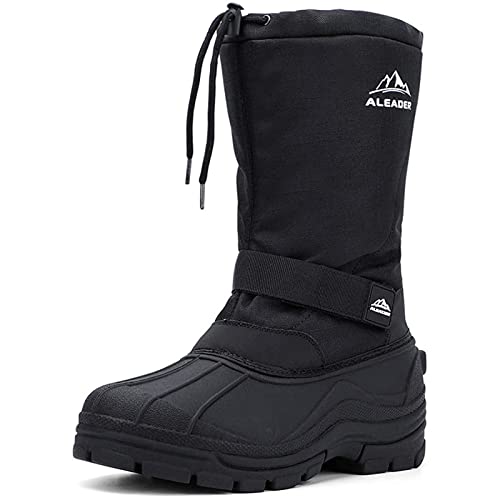
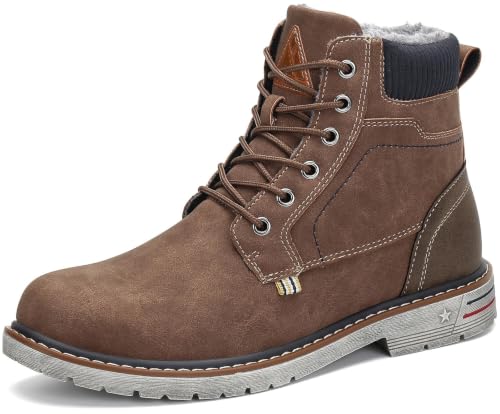


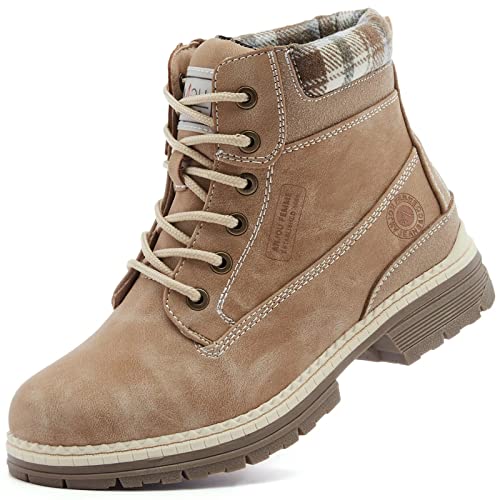
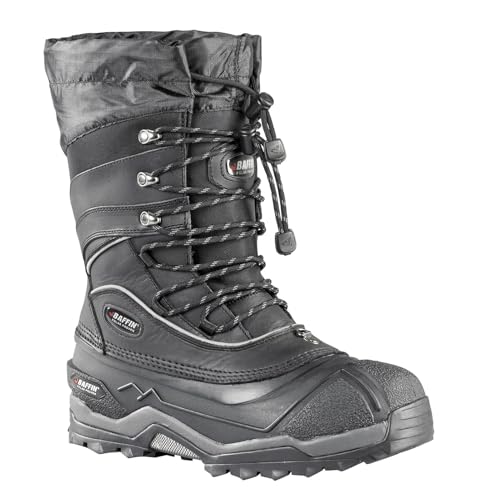

Who Needs Serious Winter Boots, and Who Does Not
Outdoor Workers Standing in Snow for Hours
Standing still generates far less body heat than walking, so outdoor workers feel the cold first in their toes. They need the thickest insulation, a shell that sheds melt water, and room for a heavy sock without pinching. Hunters waiting on a stand face the same still air problem, and the overlap with best cold weather hunting boots is worth a look for that use.
Rural Homeowners Clearing Drives and Paths
Running a snow blower or shoveling a long drive mixes deep drifts, slush at the road edge, and packed ice on the apron. A tall shaft keeps blower spray out, and a lugged sole steadies you on the slope. A removable liner that dries overnight is a genuine advantage in this role.
Winter Campers, Ice Anglers, and Snowmobilers
Tent floors, lake ice, and sled running boards all pull heat out of your feet by conduction. Boots for these days need insulation underfoot as well as around it. Riders also need enough ankle flex to work foot controls. If your winters are milder and your outings shorter, the broader best cold weather boots category may cover you for less money.
Key Features of the Best Cold Weather Snow Boots
Insulation Weight and Temperature Ratings
Insulation is usually described by weight, from about 200 grams for active days to 1,000 grams or more for extreme cold and low activity. Temperature ratings printed on boxes assume you are moving, dry, and dressed for the weather, so treat them as rough guidance rather than a promise. Overly warm boots cause sweat on mild days, which chills feet later.
Shaft Height and Keeping Snow Out
Cold weather models often stand about 10 to 16 inches tall, well above the ankle. A gusseted tongue, sealed seams, and a drawcord or gaiter at the top stop powder from funneling in when you step into a drift. Knee deep snow still defeats most shafts, so deep backcountry days call for separate gaiters. Check that the calf opening fits over your winter pants.
Waterproof Shells and Sealed Construction
Many serious winter boots pair a rubber or molded shell around the foot with a leather or nylon upper. The shell shrugs off slush and melt water, while a waterproof breathable membrane in the upper blocks seepage yet lets some vapor escape. Seams are the weak point, so look for sealed or welded construction low on the boot.
Outsole Lugs and Rubber That Stays Flexible
Deep lugs of about 5 to 7 millimeters bite into packed snow, and wide spacing clears slush instead of packing smooth. The rubber compound matters as much as the pattern: compounds made for cold stay flexible and grippy at temperatures where ordinary rubber turns hard and skate like. Even the best tread cannot promise you will never slip on glare ice, so add traction aids for polished ice rather than trusting any boot alone.
Fit With Thick Socks
Try boots late in the day, wearing the thickest socks you plan to use, since feet swell and winter socks add real bulk. You want a thumb width of space ahead of your toes, a heel that stays seated when you walk, and no pinch across the instep, because a tight boot restricts circulation and feels colder. Shoppers comparing fits across brands will find related notes in best cold weather men's boots, and anyone whose feet ache in every pair should see a doctor rather than hunting for a boot to fix the pain.
Weight and Flex Over a Long Day
Heavy insulation and a full rubber shell add pounds, and a pair can weigh about 3 to 5 pounds together. That weight is acceptable for standing, shoveling, and short walks, but it tires legs on long hikes. Match the boot to your longest expected day, not your shortest.
Three Build Styles, Three Kinds of Cold
Pac Boots With Removable Liners
The classic pac boot wraps a thick felt or foam liner inside a rubber bottomed shell. Liners pull out to dry by a stove or vent, which makes these boots the favorite for multi day trips and work weeks. For static cold, few designs beat them, and spare liners extend the system.
Insulated Leather and Nylon Uppers
These boots look more like heavy hiking boots, with insulation fixed inside a leather or synthetic upper and a membrane for wet snow. They walk better, lace more precisely, and suit people who cover ground in cold weather. Their insulation is usually thinner than a pac liner, so they top out sooner in extreme cold. Commuters and active users often land here, alongside designs in best boots for cold and snow.
Full Rubber and Molded Shell Boots
A one piece molded boot keeps out slush, barnyard muck, and melt water completely, and it hoses clean in seconds. Insulated versions handle chores, ice fishing, and short outings well. Breathability is poor, so feet sweat on longer walks, and the fit tends to be loose. Choose them for wet cold and dirty work rather than for distance.
Price Bands for Deep Winter Boots
Basic Snow Day Pairs
Expect about $60 to $110 for lighter insulation, a shorter shaft, and a basic molded sole. These handle school runs, errands, and occasional shoveling in moderate cold. They suit climates where deep cold visits for a few weeks a year.
Serious Cold Pairs
The middle band of about $110 to $180 brings 400 to 800 grams of insulation, taller sealed shafts, and cold rated rubber. Most homeowners in snow country belong here, since the boots cover work, play, and commuting without the bulk of expedition gear.
Deep Cold Pairs
At about $180 to $280 you get the thickest insulation, premium shells, and hardware built for daily use in far below zero weather. These overlap with best snow boots for extreme cold, and they suit ice anglers, northern workers, and winter campers. Buy this band only if your thermometer justifies it.
Mistakes That Leave Feet Cold
- Buying your usual shoe size, then finding thick socks crush your toes and cut circulation.
- Trusting a temperature rating as a guarantee, even though ratings assume an active, dry wearer.
- Wearing cotton socks, which hold sweat against the skin and chill feet within the hour.
- Choosing a low shaft for deep snow, so every drift pours in over the top.
- Drying boots on a hot radiator, which cracks leather and warps molded shells.
- Ignoring a sloppy heel fit, which causes blisters on the first long walk.
Care That Keeps Insulation Working
Pull liners and insoles out after wet days and let everything air dry at room temperature, away from direct heat. Brush salt and grit off uppers before it dries in, and condition leather so it stays supple. Store boots upright in a dry place. Check lug depth each autumn, because a worn smooth sole is a fall waiting for the first icy morning.
Frequently Asked Questions About Winter Snow Boots
Can bulky snow boots be worn safely while driving?
Yes, with care, though wide and stiff boots can dull pedal feel and may catch on the edge of a pedal in small cars. Many drivers keep a pair of regular shoes in the car for long drives and change at their destination. If you do drive in winter boots, slide the seat back a notch and practice the pedal reach before joining traffic.
Why do feet get cold in boots rated for much colder weather?
The usual causes are sweat, standing still, and tight fit rather than thin insulation. Damp socks conduct heat away, inactivity drops your own heat output, and a snug boot limits blood flow to the toes. Changing into dry socks midday and loosening laces during seated breaks often helps more than a warmer boot. Toes that stay numb, pale, or painful after gentle warming need medical care promptly.
Do wet slush and dry powder snow call for different boots?
They stress different parts of the boot. Slush soaks seams and challenges waterproofing at the foot, so a rubber shell earns its keep. Dry powder challenges shaft height and closures, since fine snow works in through any gap. In regions that get both, a tall pac boot covers the pair of problems, while mostly slushy city winters favor a molded shell.
When should liners be replaced instead of the whole boot?
Replace liners when they stay matted and thin after drying, hold odor after washing, or no longer spring back when squeezed. A sound shell with a fresh liner often feels like a new boot for a fraction of the price. If the outsole lugs are worn smooth or the shell has cracked, though, the whole boot has reached the end of its safe life.
Are temperature ratings useful when comparing two pairs?
They give a rough order, nothing more. One maker may rate a boot for an active skier while another rates for a person standing on ice, so the same number can mean very different warmth. Compare insulation weight, liner thickness, and shell design alongside the rating. When two pairs look equal on paper, the one with room for a thicker sock usually wins in real cold.
Final Thoughts
Start with insulation matched to your activity level, then check shaft height, shell sealing, and a fit that leaves your toes free to move. The product table above helps you compare those points across build styles. With the right socks and realistic expectations, the best cold weather snow boots turn deep winter chores and outings into ordinary days instead of endurance contests.


