Best Boots for Cold and Snow in 2026: Matching the Right Model to Your Routine
Disclosure: We may earn a commission when you buy through links on this page, at no extra cost to you. As an Amazon Associate I earn from qualifying purchases. Learn more

Learn how to choose insulated winter boots for deep cold, packed snow and icy streets, with clear guidance on fit, traction, waterproofing and care.
There is no single boot that suits every winter routine, because shoveling, a long outdoor work shift and a short walk to the train ask very different things of your feet. The best boots for cold and snow are the ones that match your coldest typical day, your usual surfaces and your usual socks. This guide sorts the choices by use first, so you can read the comparison table below with a shortlist in mind.
Start by picturing your hardest normal week, not a rare storm. Note how long you stay outside, whether you stand still or keep moving, and whether your routes are plowed sidewalks or deep unplowed snow. Those answers point you to the right insulation, shaft height and sole.
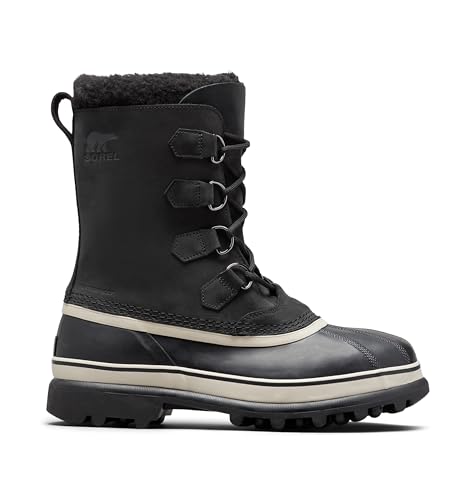
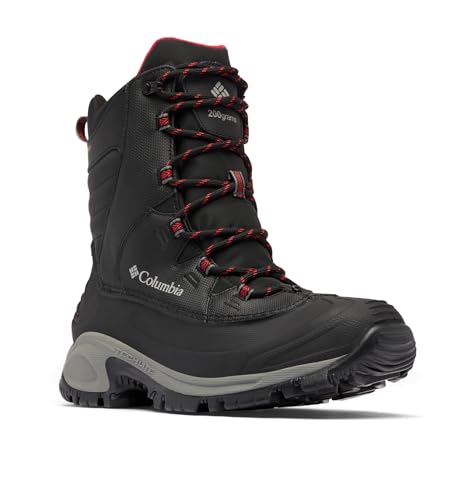



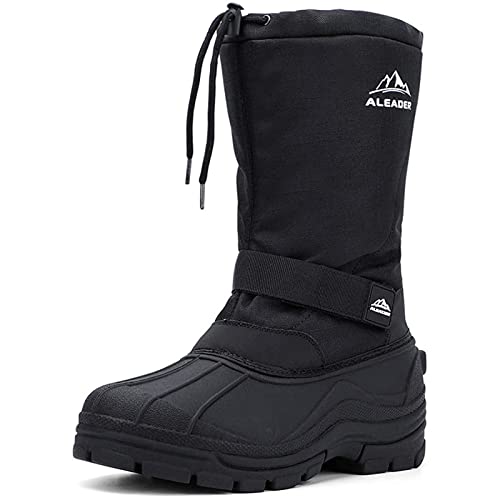
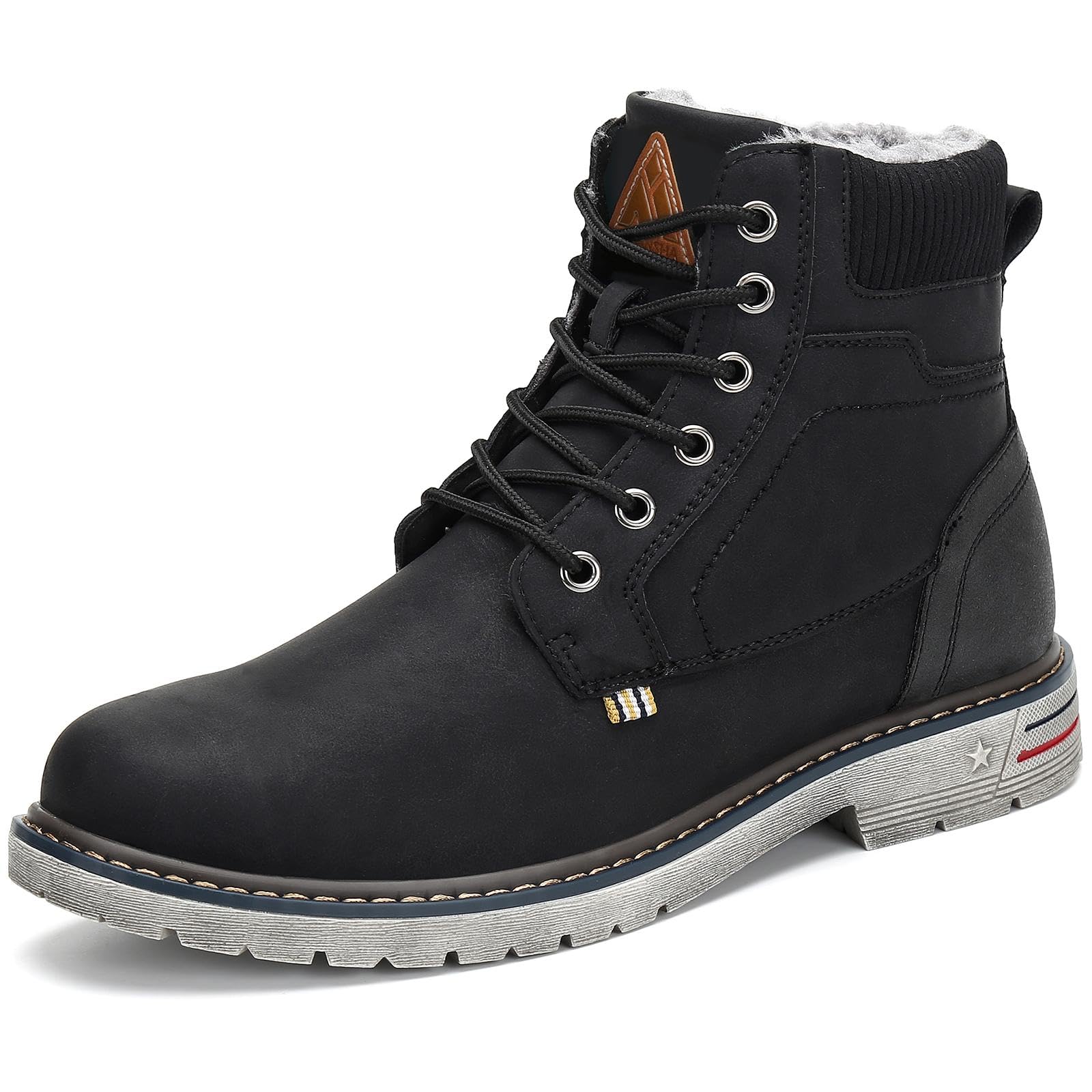

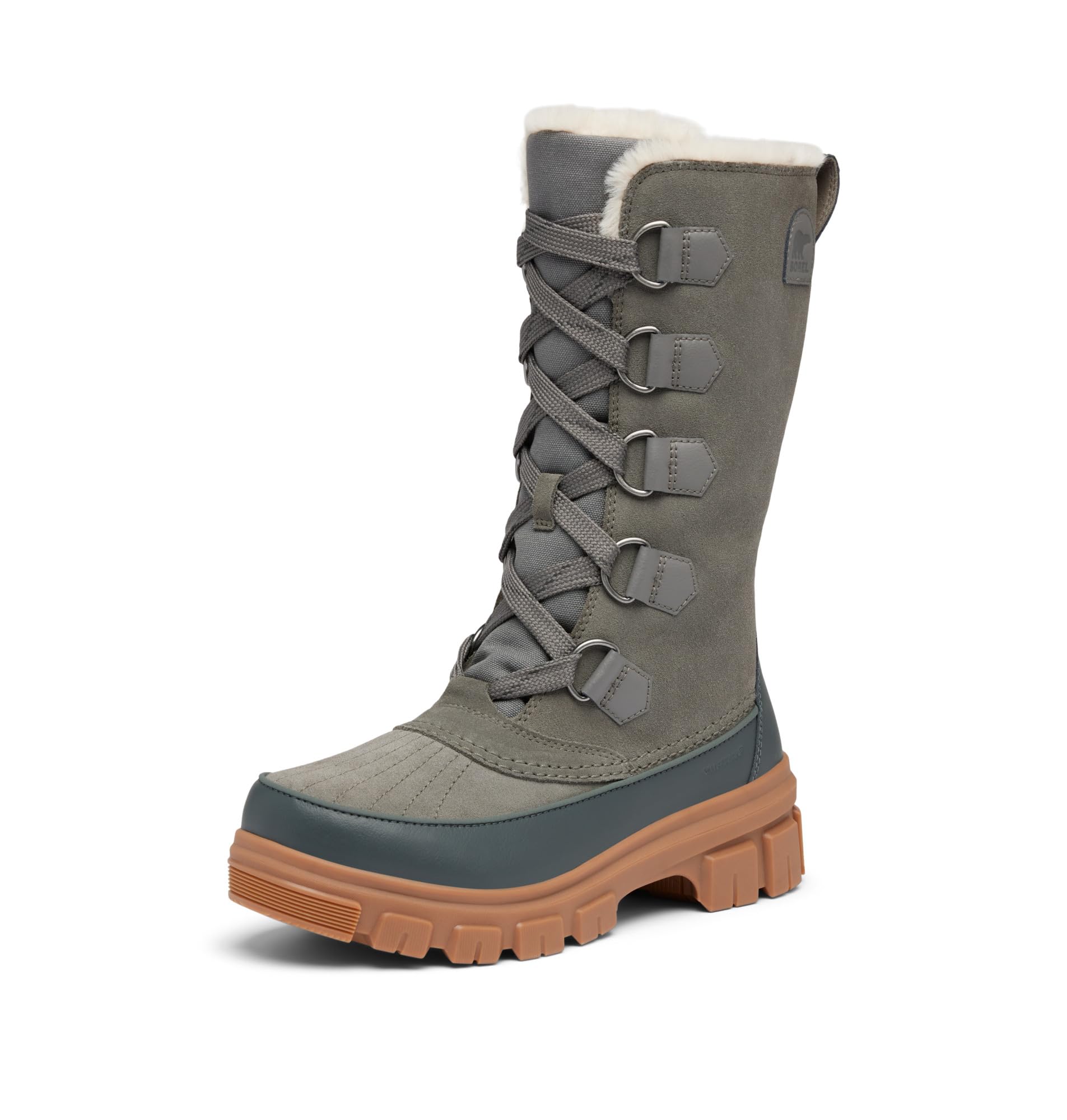
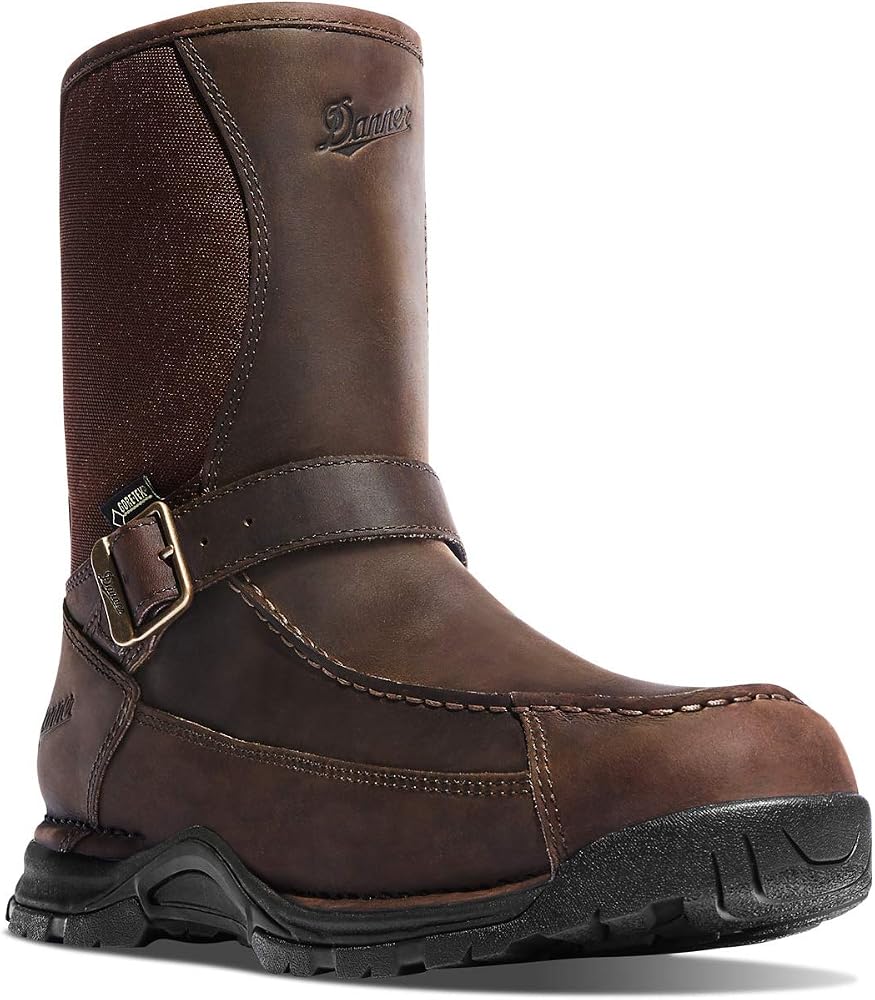
Matching a Boot to Your Winter Routine
Match the boot to the routine you repeat most weeks.
Daily Commuters and Frequent Winter Walkers
You walk plowed sidewalks and icy crossings most days, often for 20 to 40 minutes at a time. Prioritize a mid height shaft, moderate insulation and a sole that grips wet pavement and packed snow without feeling clumsy on stairs. Choose a lighter boot, because you lift it thousands of times a week, and a secure lace fit that keeps your heel from lifting.
Outdoor Workers and Anyone Standing in Deep Cold
You stay outside for hours, and standing still on frozen ground drains heat faster than walking does. Choose heavier insulation, a tall shaft and a thick sole that puts distance between your foot and the cold surface. A roomy fit matters more than a snug one, because tight boots restrict circulation. For serious low temperatures, see our guide to the best snow boots for extreme cold.
Weekend Walkers and Occasional Snow Day Users
You head out for dog walks, sledding hills and a few winter hikes each month. A versatile mid weight boot with moderate insulation covers most of this use for less than expedition grade gear. Spend on fit and traction first, and accept a shorter service life than a daily pair would need.
Drivers and Short Errand Runners in Light Snow
Your time outside comes in short bursts between a warm car and a warm building, crossing slushy parking lots rather than deep drifts. A lower slip on or short lace boot is easier to pull on at the door and less bulky on pedals. You need a sole that handles wet slush and hidden ice patches, plus a waterproof lower section. Heavy insulation is wasted here.
Key Features to Compare
Compare these factors in order, because warmth ratings mean little if the fit is wrong.
Insulation and Temperature Ratings
Insulation is usually described by weight, most often about 200 to 400 grams for general winter use and 600 grams or more for very cold, low activity days. Temperature ratings are a rough guide only, since they assume you keep moving and wear suitable socks. If you stand still at games or on a job site, choose more insulation than the rating suggests.
Waterproofing, Shaft Height and Sealed Seams
A waterproof membrane inside the boot blocks meltwater, while a rubber lower section sheds slush. Shaft height decides how deep you can step before snow pours in over the top, so tall shafts suit unplowed paths and shorter shafts suit plowed streets. Look for a gusseted tongue, because loose tongues let snow and grit slip inside. Water resistance on the upper alone is not enough in slush.
Leaving Room for Winter Socks Without a Sloppy Heel
Try boots late in the day, when your feet are at their largest, and wear the socks you plan to use in winter. Your toes should wiggle freely and never press the front when you walk downhill. Thick socks need real volume, so a boot that feels perfect with thin socks will likely feel tight in January. Women who find unisex sizing too wide at the heel can see our guide to the best women’s boots for cold and snow.
Outsole Traction on Ice and Packed Snow
Deep lugs, often about 4 to 6 mm, bite into loose and packed snow, while softer rubber compounds stay flexible in cold weather and grip icy pavement better than hard rubber. Look for lugs angled in more than one direction, because you push off, stop and turn on the same walk. No tread pattern makes smooth ice fully safe, so shorten your stride on polished surfaces.
Cushioning, Arch Support and Stability
A cushioned midsole softens the shock of frozen ground, which feels much harder than summer pavement. Arch support matters on long walks, because heavy boots tire your feet faster than light shoes do. A firm heel counter and a stable base keep your ankle from rolling on uneven ruts in frozen slush. Bring your own insoles to the fitting, since they change the volume inside the boot.
Durability, Weight and How the Boot Is Built
Stitched and well bonded soles, reinforced toe and heel areas and heavy synthetic or full grain uppers tend to outlast thin fashion materials in salt and slush. Weight is a real trade off, since the warmest and tallest boots are also the heaviest on stairs. Choose the lightest build that still meets your coldest routine.
Choosing the Right Boot Style for Your Routine
Each style suits a different mix of depth, cold and walking distance. Tall pac style boots pair a rubber lower section with an insulated upper, which suits deep snow and wet work but adds weight. Shorter insulated hiking style boots walk more naturally and suit trails and town use, though they let deep snow in sooner.
When you compare the best boots for cold and snow across these styles, judge each one against your own snow depth first. If snow regularly reaches above your ankle, shaft height rules out low styles. If your snow is mostly plowed and packed, walking comfort and ice grip matter more. For the broad category view, see our guide to the best snow boots.
Consider closures too. Laces give the most adjustable fit and hold your heel down on slopes, but they are slow with gloves on. Buckles and hook closures are faster with cold hands, though they offer fewer fine adjustments. A boot that is annoying to close gets worn loosely, which invites blisters.
Common Mistakes to Avoid When Buying Boots for Cold and Snow
- Buying your normal shoe size without trying thick socks leaves toes pressed and cold, because tight boots limit circulation.
- Trusting a temperature rating alone leads to cold feet, because ratings assume steady movement rather than standing still.
- Choosing smooth fashion soles for winter streets causes slips on packed snow and icy crossings.
- Picking a low shaft for unplowed routes lets snow spill in over the top and soak your socks within minutes.
- Ignoring road salt damage shortens the life of leather uppers, because dried salt cracks the surface over a season.
- Judging only by price skips fit and traction, so a cheap boot that hurts gets left in the closet all winter.
How to Make Your Boot Last Longer
After wet outings, loosen the laces, pull out the insoles and let the boots air dry at room temperature away from direct heat. Radiators and heaters can crack leather and weaken the adhesives that hold soles on. Stuff tall shafts with newspaper for the first hours if they took on a lot of water, then remove the paper.
Brush off dried mud and rinse salt residue from lowers and uppers with plain water through the season, because salt left in place keeps drawing moisture and staining the material. Check lug depth and heel wear each autumn, and retire a boot whose tread has worn smooth. Store boots upright in a cool dry place.
Frequently Asked Questions
What features matter most in boots for cold and snow?
Insulation matched to your activity level, a waterproof build and a lugged sole matter most. One point buyers often miss is the liner, since a removable liner lets you dry the boot fully overnight. A boot with strong headline insulation but a liner that stays damp will feel colder on the second day.
How long is the break in period for boots for cold and snow?
Most insulated winter boots feel right after about three to five short outings. Stiff leather uppers soften more slowly than synthetic ones, so plan a week of short walks before a long hike. Wear your winter socks during this period, since thicker socks change the fit. If a hard spot still pinches after several outings, that is a fit problem rather than a stage to push through.
Are expensive boots for cold and snow worth the price?
They can be worth it if you spend long hours outside each week, because higher prices often buy better insulation and stronger soles. For a few snow days a year, a mid priced boot at about $100 to $180 usually covers your needs. Spend first on the features your routine demands.
Do I need waterproof boots for cold and snow?
Yes, in most regions you do, because snow melts against a warm boot even on a dry day. The exception is a very cold, dry climate where snow stays powdery and rarely turns to slush, and there a water resistant boot can be enough. Check where you actually walk, since plowed streets produce slush even when the air stays well below freezing.
Can I wear boots for cold and snow all day?
Yes, you can wear them all day if the fit leaves room to move and the insulation matches your activity. The main risk indoors is overheating, because heavy insulation at a desk leads to sweaty socks that chill quickly once you go back outside. If your day mixes office hours with outdoor time, a mid weight boot and a spare pair of socks handle the swing best.
The Bottom Line
Let your routine lead. Decide how cold your typical day gets, how deep the snow is where you walk and how long you stay outside, then match insulation, shaft height and traction to those answers.
Compare best boots for cold and snow in the product table above against those three points, and the right style usually stands out quickly. Buy for the winter you actually have, and your feet will stay warm through it.