Best Boots for Extreme Cold and Snow in 2026: What Your Money Really Gets You
Disclosure: We may earn a commission when you buy through links on this page, at no extra cost to you. As an Amazon Associate I earn from qualifying purchases. Learn more

Compare boots for extreme cold and snow by price, with clear guidance on insulation, waterproofing, traction, fit with thick socks and care.
Prices for serious winter boots stretch from under $80 to well over $300, and labels can sound alike even when warmth differs greatly. The best boots for extreme cold and snow are matched to your lowest temperature, your time outside and the snow depth you cross. This guide shows what each price level adds, so you can use the comparison table below well.
Standing still on ice cools feet far faster than walking, and deep snow demands a taller shaft than a cleared sidewalk.


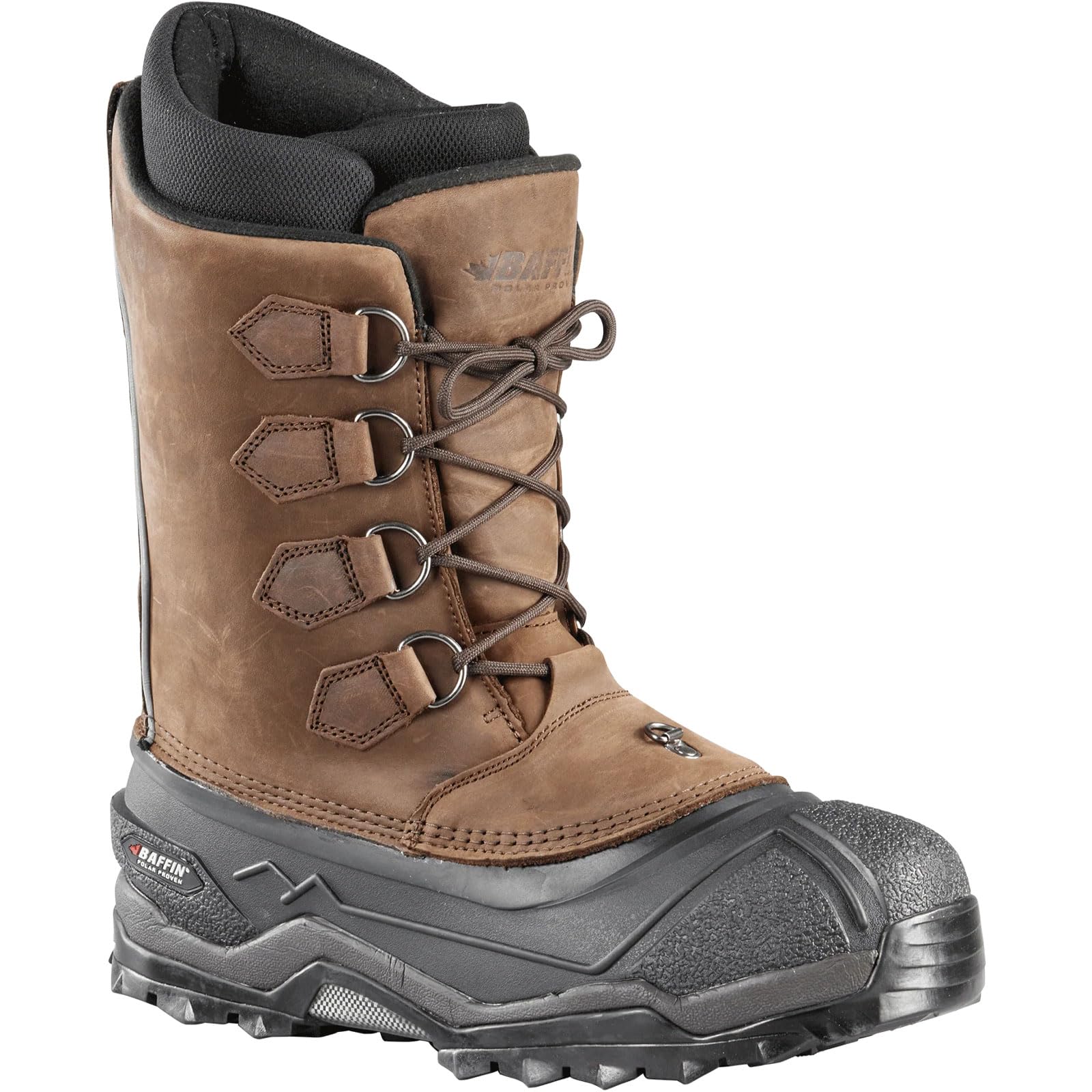


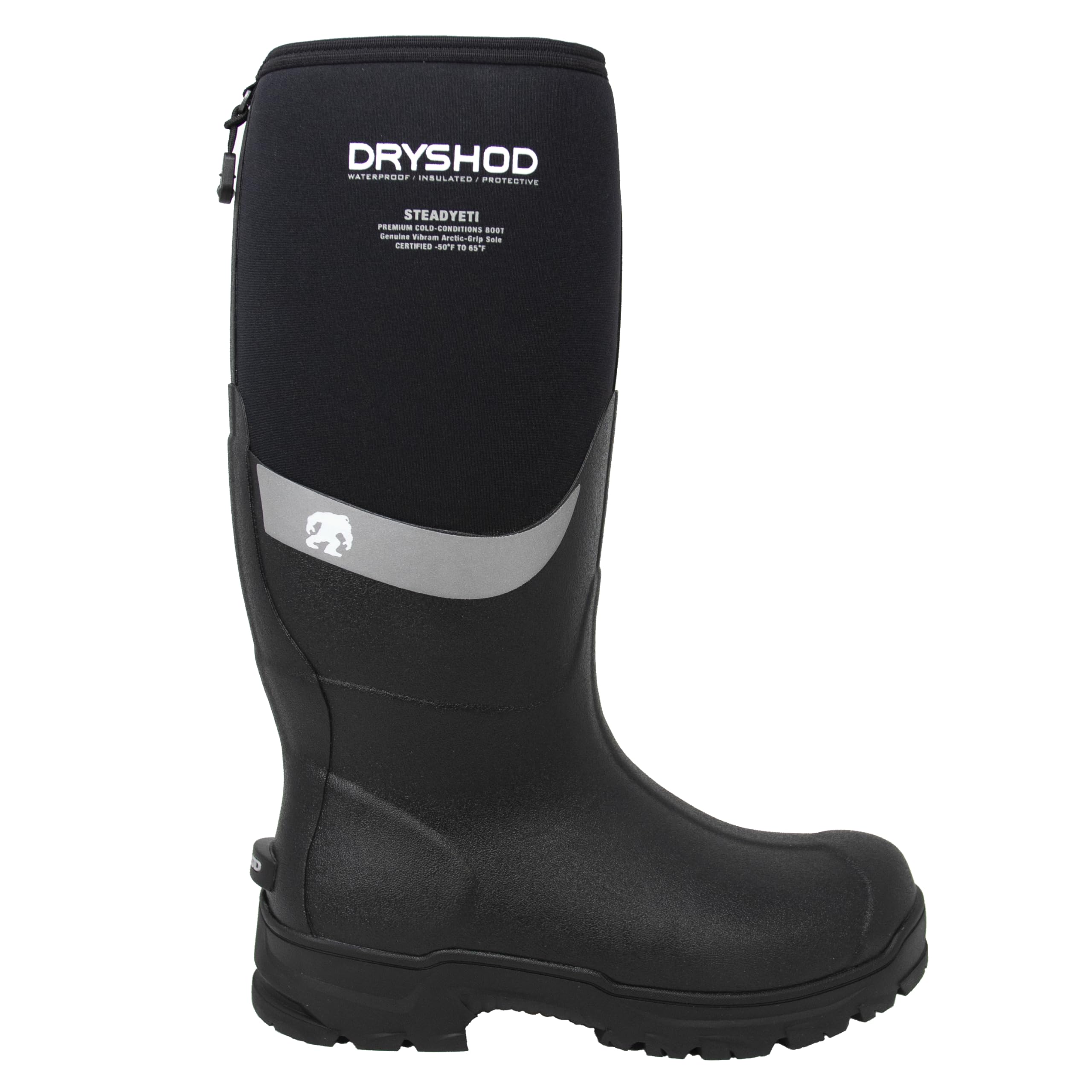
Who Should Buy Which Boots for Extreme Cold and Snow?
Your coldest normal day should drive the choice. A boot built for long still hours feels heavy on a short commute, while a light boot fails on a frozen lake.
Outdoor Workers Who Spend Full Shifts in Severe Cold
You may clear lots, load trucks or repair lines while cold lasts all shift. Choose heavy insulation, a waterproof build and grip that holds on slick packed snow, plus room for thick socks, because tight boots restrict blood flow and feel colder. Numbness that does not fade after warming, white or hard skin, or blisters are signs to seek medical care promptly, and you should talk with a clinician about circulation concerns.
Homeowners Clearing Snow and Living in Rural Areas
You step into unshoveled drifts, walk gravel drives and stand in slush at the road edge. A shaft of about 10 to 14 inches keeps snow out off the cleared path, and a rubber lower shell shrugs off melt water and road salt. For deep cold alone, see our guide to the best boots for extreme cold.
Ice Fishers, Hunters and Winter Campers Who Sit Still
Stillness is the hardest test, because walking generates heat and sitting does not. Choose the highest insulation class you can afford, a removable liner you can dry overnight and toe room to wiggle your toes inside thick socks. A tall shaft and snug top closure keep snow out when you kneel in drifts, and weight matters less here.
Key Features to Compare
Compare these factors in the same order for every boot: warmth first, then water protection, then grip, then fit.
Insulation Weight and Temperature Rating
Insulation is described in grams, and higher numbers mean more loft trapping warm air around your foot. About 200 grams suits active use in moderate cold, about 400 grams covers most very cold days, and about 800 grams or more targets long still hours in severe cold. Temperature ratings such as 40 degrees below zero assume steady movement and dry socks, so treat them as optimistic and choose one class warmer if you mostly sit or stand.
Waterproof Build and Shaft Height
Wet insulation loses warmth fast, so the build must keep snow and melt water out. Many boots pair a waterproof membrane with sealed seams, while pac style boots use a rubber lower shell joined to a leather or nylon upper. A breathable membrane helps sweat escape during active use, though it moves little moisture once you stop. Shaft height decides entry from the top: about 8 to 10 inches suits cleared paths, while 12 to 16 inches suits drifts.
Outsole Traction on Ice and Packed Snow
The outsole decides whether warmth gets a chance to matter, because a fall ends the outing. Look for deep lugs of about 5 to 8 mm that clear loose snow, plus rubber that stays flexible in deep cold instead of turning hard and slick. Wide lug spacing sheds packed snow, and small cuts in the lugs add bite on ice. For slushy streets as well, see our guide to the best boots for cold and snow.
Fit, Toe Box Room and Thick Socks
Fit these boots with the socks you will actually wear, late in the day when feet are largest. Toes should not touch the front when you walk downhill, and the toe box should let toes spread, because still air around them adds warmth. Slight heel lift is normal in tall stiff boots, but far sliding rubs blisters. If you fall between sizes, choose the larger size and add a thicker insole with real arch support.
Liners, Weight and Closures You Can Use With Gloves
A removable liner is worth real money here, because you can pull it out nightly and start each day dry. Weight runs from about 3 pounds per pair for light boots to about 6 pounds or more for the warmest pac styles. Test laces, buckles and pull loops with gloves on, since a closure you cannot adjust outside becomes one you leave loose. A cushioned midsole also helps on frozen ground.
What Each Price Range Buys for Subzero Conditions
Price here buys warmth, dryness and service life more than style. That is why shopping for the best boots for extreme cold and snow rewards knowing which upgrades match your winters.
Budget Boots About $70 to $120: Warmth for Short Jobs
You usually get moderate insulation, a water resistant rather than fully waterproof upper and a basic outsole that handles fresh snow better than ice. Trade offs are thinner insoles, liners that may not remove for drying and materials that wear sooner under daily use. Choose this tier when outings are short.
Mid Priced Boots About $120 to $200: The Balance Most Buyers Need
This tier typically adds heavier insulation, a true waterproof build and a grippier outsole, and removable liners start to appear. For most people facing real winters, money here turns into comfort felt every week. These boots handle full days outside and deeper snow without the bulk of the warmest class.
Premium Boots About $200 to $300: Maximum Warmth and Longer Service
Premium boots earn their price through the highest insulation classes, durable leather or advanced synthetic uppers and outsoles built for ice as well as snow. Many add replaceable liners, so the boot can be refreshed instead of replaced. Expect more weight in return. Choose this tier for still work in severe cold. See our guide to the best winter boots for extreme cold.
Beyond the boot price, budget for two or three pairs of heavy wool blend socks, since a damp sock can undo an expensive boot. Replacement liners and insoles typically run about $20 to $50, and waterproofing treatment for leather costs far less than early replacement.
Common Mistakes to Avoid
These errors cost warmth or money, and most happen while shopping.
- Buying your normal shoe size leaves no room for thick socks, so your toes press the cold front and feel numb.
- Trusting the printed temperature rating for seated use leaves you underdressed, because those ratings assume steady walking.
- Choosing a short shaft for deep snow lets snow spill over the top and soak your socks from above.
- Wearing cotton socks traps sweat against your skin, so your feet chill quickly once you stop moving.
- Storing boots wet after each outing keeps insulation damp, so warmth drops a little more every day.
- Paying for the warmest class for mild winters leaves you with heavy boots you avoid wearing.
Care and Maintenance for Boots for Extreme Cold and Snow
Pull liners and insoles out after every wet outing and air dry everything at room temperature, away from radiators and wood stoves. High heat can crack leather, warp rubber and loosen adhesives, so patience protects the boot better than speed.
Brush off dried mud and rinse road salt from lowers and uppers with plain water, because salt draws moisture from leather and stains synthetic fabrics. Treat leather with a waterproofing product when water stops beading, and store boots upright with shafts open. Check lug depth and liner thickness before each winter.
Frequently Asked Questions About Boots for Extreme Cold and Snow
What features matter most in boots for extreme cold and snow?
Insulation class, a waterproof build and outsole grip matter most, in that order. One detail many buyers miss is the boot top: a drawstring or snug cuff closing over your pants keeps powder snow from sliding inside when you kneel. Check that detail in product photos, because shaft height alone does not show how well the opening seals.
Are expensive boots for extreme cold and snow worth the extra cost?
They are worth it when you spend long still hours in severe cold or rely on one pair for many winters, because the money buys insulation headroom and replaceable parts. Try a simple test: if your current boots leave toes numb before the job ends, step up a tier. If they merely feel heavy, a lighter pair may serve better.
Do boots for extreme cold and snow need to be waterproof?
Yes, boots for this use should be waterproof, because snow melts against warm uppers even on days that stay below freezing. Water resistance sheds light snow only briefly, since seams and tongues eventually let melt water through. If you often cross slush puddles, favor a rubber lower shell, because stitched joins on membrane boots can wet out after long exposure.
How should boots for extreme cold and snow fit with thick socks?
They should feel roomy in the toes, secure at the heel and free of pressure across the top of the foot. Try this test at home: wear the boots indoors for twenty minutes, then check for tingling or numb spots, which signal tight areas that feel far worse outside. Keep the tags on until that test passes.
Can I wear boots for extreme cold and snow all day?
Yes, you can wear them all day if the insulation matches your activity and you manage moisture well. Feet sweat even in deep cold, so a midday sock change is the easiest comfort upgrade on long days. Indoors, loosen the laces or switch to shoes, because warm boots overheat in heated buildings and damp socks chill you outside.
Our Verdict
Decide by your coldest regular conditions, not the biggest number on the box. Insulation class, waterproof build and grip decide whether a boot works. Use the product table above to compare shaft height, insulation and price.
For most buyers, a mid priced pair with a removable liner is the smartest spend, while still hunters, ice fishers and full shift workers gain real value from the premium tier. Choose the best boots for extreme cold and snow for your own winters, not for an imagined expedition.