
Best Cold Weather Pac Boots: Buyer's Guide for 2026
Disclosure: We may earn a commission when you buy through links on this page, at no extra cost to you. As an Amazon Associate I earn from qualifying purchases. Learn more

Compare the best cold weather pac boots by liners, shaft height, traction and price tiers for deep winter.
Pac boots pair a rubber lower shell with an insulated upper and usually a removable liner, a design built for snow, slush, and standing in deep cold. Prices run from around $60 to about $250 and beyond, and the gap is not just a logo. This guide to best cold weather pac boots shows where extra money adds warmth and service life, and where it does not, so you can use the comparison table below with a clear budget in mind.
Start with how cold it gets where you live, how long you stay outside at one time, and whether you mostly walk, work, or stand still.
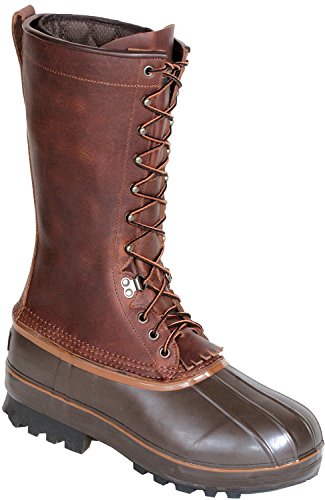
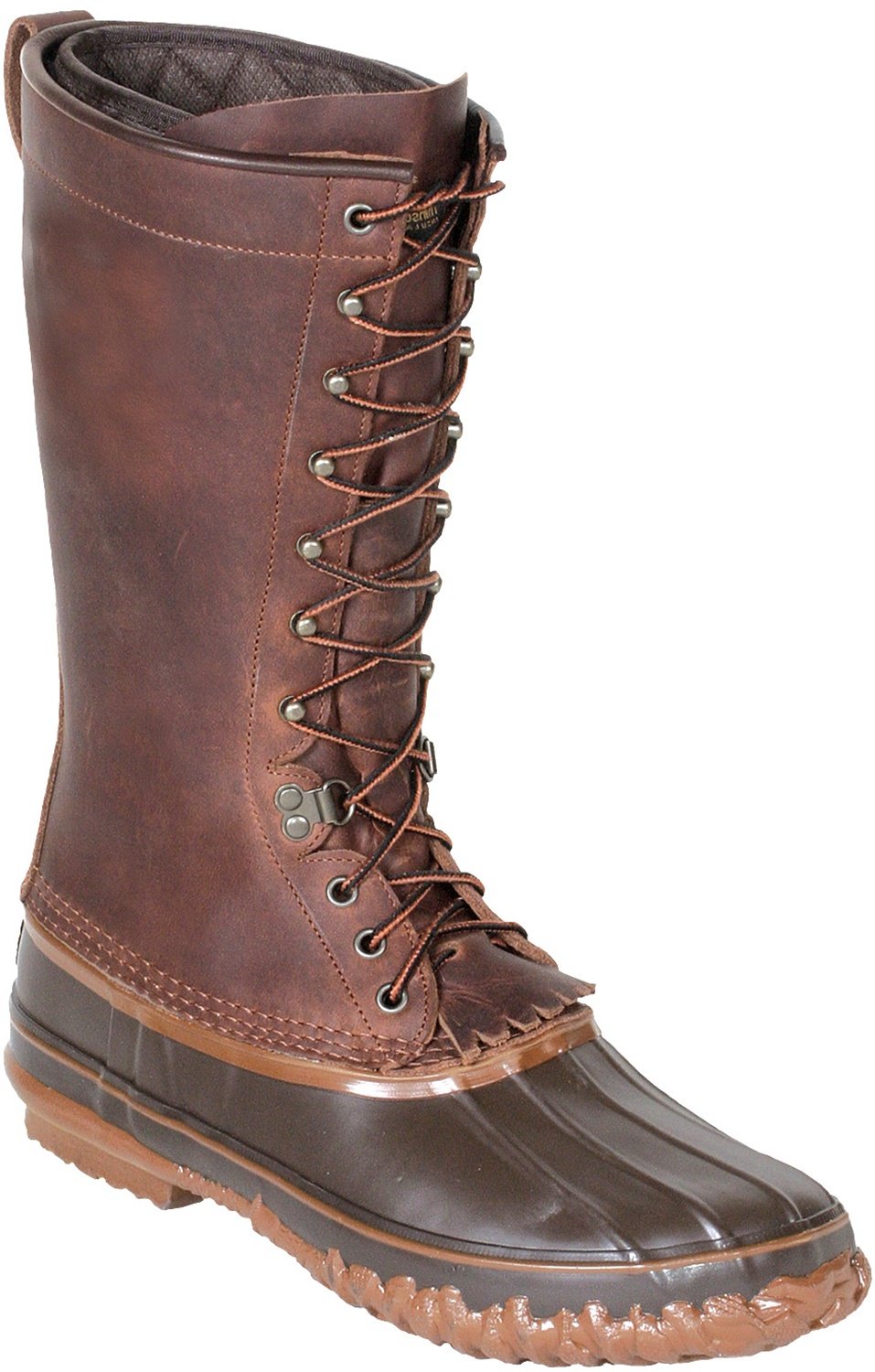

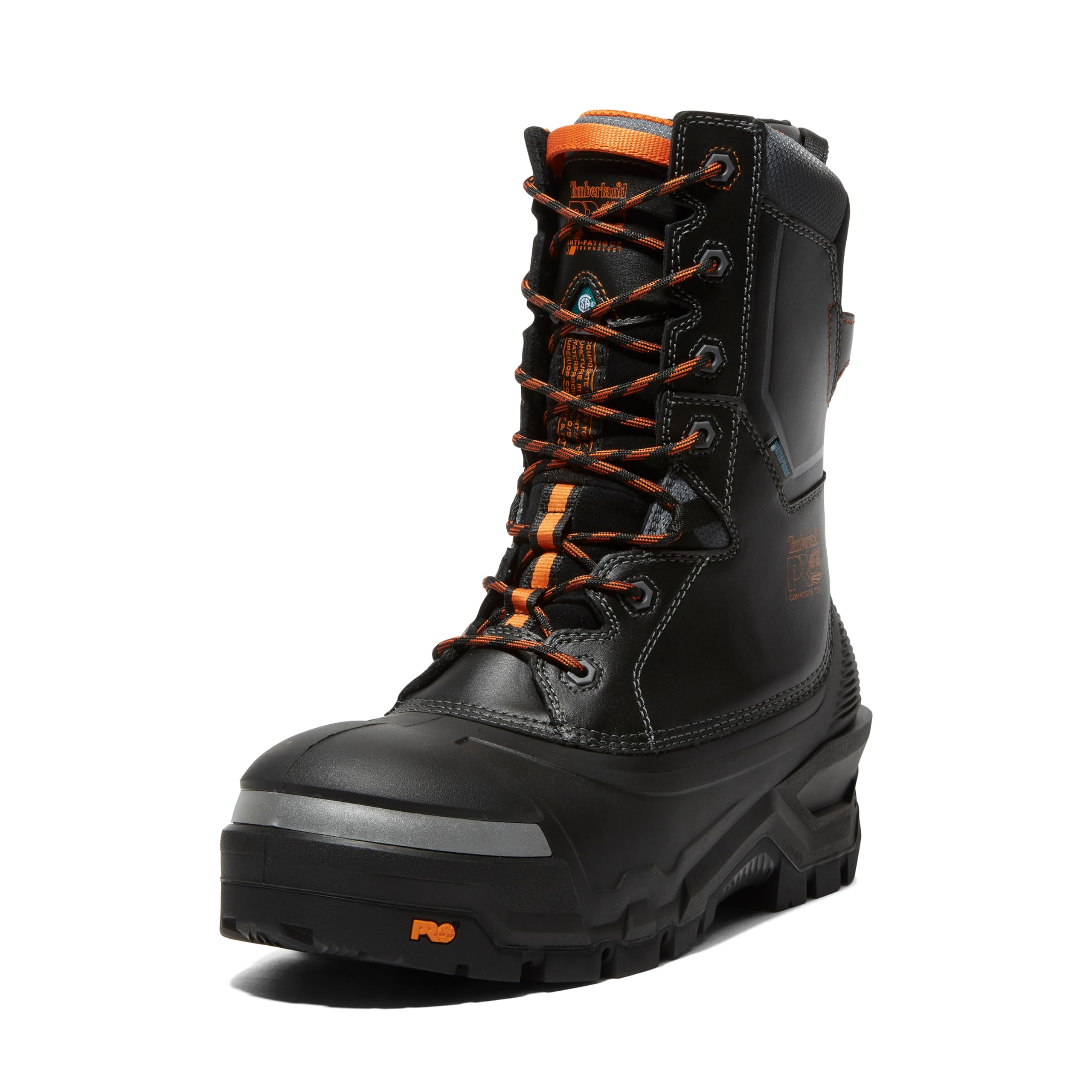


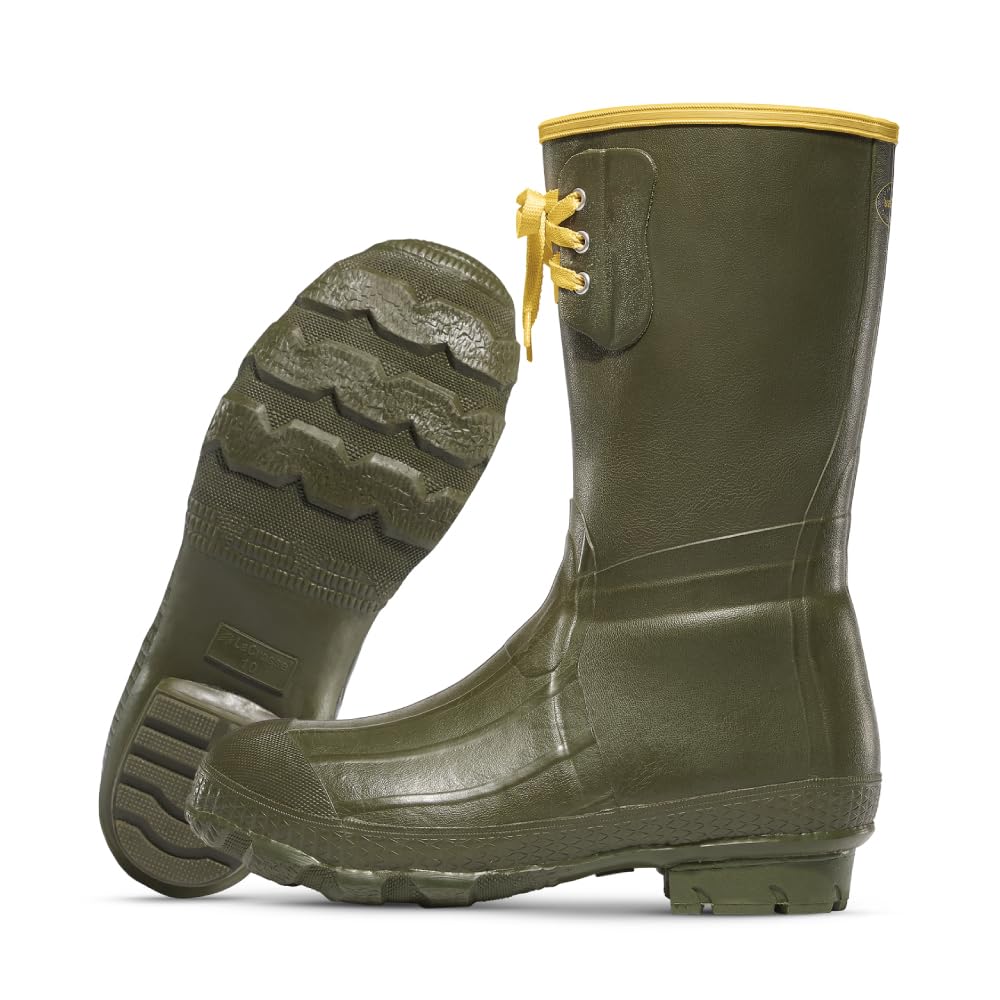
How to Choose Pac Boots by Budget and Use
The product table above is easier to use once you know which kind of buyer you are, because a boot made for clearing a driveway can feel clumsy on a long winter hike.
Shoppers Who Need Warmth for Short Trips and Errands
If your winter routine is school runs, dog walks, and shoveling, a budget or lower midrange pair usually covers you well. Look for a liner thick enough for your coldest mornings, a shell that rises above ankle deep slush, and a fit that works with wool blend socks. Skip the tallest shafts and extreme ratings, and put the savings toward good socks.
Buyers Who Spend Long Hours Outside in Deep Cold
Ice fishing, late season sits, and long days on a cold job site punish thin insulation, because you generate little body heat while standing still. Pay for a thicker removable liner, a taller upper that keeps snow out in drifts, and a roomy fit that never squeezes blood flow. For still hunting, you can also see our guide to the best cold weather hunting boots.
Walkers Who Cover Miles on Snow and Ice
If you walk for exercise or move between buildings all day, weight and flex matter as much as raw warmth. Choose a midrange pair with a shaped fit, decent cushioning under the heel, and an outsole that bends a little at the forefoot, since stiff premium models can feel tiring over distance. For longer routes, see our guide to the best hiking boots for cold weather.
What Your Money Gets You at Each Price Tier
Price tiers here track four things: liner quality, upper materials, outsole rubber, and seam finishing. When you shop for best cold weather pac boots with a firm ceiling, these tiers show what you give up and what you keep.
Budget Tier: What to Expect
Budget pac boots, often around $60 to $100, usually combine a basic rubber shell, a synthetic or simple leather upper, and a felt or foam liner. They handle plowed streets, shoveling, and short outings well in moderate winters. Trade offs include heavier weight, simpler traction, and liners that pack down sooner, so checking your normal winter sock combination matters even more at this level.
Midrange Tier: Strong Value for Most Buyers
Midrange models, often about $100 to $180, give most buyers the best balance of warmth, comfort, and durability. Expect thicker and better shaped liners, genuine leather uppers on many styles, better sealing where the upper meets the shell, and deeper lugs. This tier suits daily wear, farm chores, and long outdoor events in most northern states. Men shopping this range may also want to see our guide to the best cold weather men's boots for a wider comparison.
Premium Tier: When Spending More Pays Off
Premium pac boots, often about $180 to $300, earn their price through materials and construction rather than fashion. You may get rubber that stays flexible in severe cold, a sturdier leather upper, a liner with more loft, and hardware that resists corrosion. This tier suits remote work, very low temperatures, and buyers who keep one pair for many winters. If your work involves safety rules, compare our guide to the best cold weather work boots.
Features Worth Paying For in Cold Weather Pac Boots
Not every upgrade helps every buyer. The features below change how a pac boot feels and lasts.
Waterproofing and Membranes Like Gore Tex
The rubber shell is waterproof by nature, so the real question is the upper. Leather and synthetic uppers need a membrane such as Gore Tex, or a house brand equivalent, plus sealed seams to keep melt water out on long wet days. Membranes add cost and can feel slightly warmer in mild weather, which is fine for a winter boot. Skip advanced membranes on a short boot worn only on dry, plowed snow days, since the shell alone may be enough.
Fit, Sizing, and the Toe Box
Fit is a warmth feature in this category. Measure both feet late in the day, wear your intended winter socks, and look for a toe box that lets toes spread and wiggle without the heel feeling loose. A small amount of heel lift is common, but toes should never press the front when you walk downhill. Many styles come only in whole sizes, so go up rather than down when you fall between sizes.
Cushioning and arch support mostly come from the liner and any insole you add, because the shell itself is firm. If you stand on cold ground for hours, a thicker insole improves stability and reduces foot fatigue. Heel to toe drop is small in most pac boots, which keeps your stance stable on ice but can feel flat at first, so a gradual first week of wear helps.
Durability and Expected Lifespan
Look closely at where the upper joins the shell, since flex cracks and seam failures there end the life of many pairs. Thick rubber that stays pliable in cold weather, double stitching at stress points, and firmly set metal eyelets signal a longer lasting boot. Liners wear out first, so replacement liners can extend the life of the whole boot by years.
Outsole Traction and Terrain
A pac boot outsole needs deep, widely spaced lugs that shed snow instead of packing it into a smooth slab under your foot. Softer rubber compounds grip cold pavement and ice better than hard rubber, though they wear a little faster on dry concrete. Wide lug patterns suit loose snow, while smaller edges help on slick sidewalks. No rubber sole makes glare ice safe on its own, so slow down and consider traction aids on polished ice.
Temperature Ratings and Insulation Weight
Manufacturers rate many pac boots to a low temperature, but those numbers assume you are active and dressed warmly overall. Standing still feels far colder than walking, so choose a rating well below your expected low if you are mostly still. A lofty liner you can remove and dry will feel warmer over a full season than a thicker liner that stays damp.
Pay attention to how your feet feel rather than pushing through warning signs. Numbness that does not fade indoors, skin that looks pale, white, or waxy, blistering, or hard and cold skin needs prompt medical care, since those can signal frostbite. Talk with your clinician about cold exposure risks if you have circulation problems, diabetes, or nerve damage in your feet.
Long Term Costs to Factor In
The purchase price is only part of what a pair costs over its life. Replacement liners are the most predictable extra, often around $25 to $50, and a fresh liner can make an older boot feel warm again. Budget also for wool blend socks, leather conditioner, and a boot dryer if your home lacks a warm place to dry liners overnight.
Warranty coverage varies widely, and longer coverage on stitching and shell defects has real value at premium prices. Shoppers still narrowing the broader category can see our guide to the best cold weather boots to compare pac styles with other types. Add liner and sock costs to the prices in the product table above, and midrange models often stay the value leaders.
Common Mistakes to Avoid
- Buying a snug fit for a neat look, because tight toes reduce blood flow and make feet feel colder within an hour.
- Trusting the temperature rating alone, because a rating earned while walking says little about standing still in wind.
- Wearing cotton socks, because cotton holds cold moisture against the skin and cancels out good insulation.
- Choosing a short shaft for deep snow areas, because snow over the top melts inside and soaks the liner.
- Storing boots with damp liners inside, because trapped moisture breeds odor and breaks down liner fibers over time.
- Paying for extreme ratings in a mild climate, because an overly warm and heavy boot gets worn less and feels clumsy.
Care and Maintenance for Pac Boots
Pull the liners out after every wet or long day and let them air dry at room temperature, away from direct heat that can warp the shell or shrink liner materials. Brush dried mud off the upper, wipe the shell with a damp cloth, and let the boot dry fully before the next wear.
Condition leather uppers only with products the maker allows, and keep heavy waxes away from fabric panels that need to breathe. Inspect the shell each month for cracks near the flex point above the toes, and check that laces and eyelets still hold firmly. Store boots upright in a cool and dry place with liners loose, never compressed under heavy boxes, so the liner keeps its loft.
Frequently Asked Questions
Do cold weather pac boots need to be waterproof?
Yes, for most winter use, cold weather pac boots should resist water through the whole boot, not just the shell. The rubber lower blocks slush, but melt water reaches the upper on long days. One point buyers miss is the tongue area, where an unconnected tongue can let water slip in even on a boot with a good membrane, so check how the tongue attaches.
Are expensive cold weather pac boots worth the extra cost?
Expensive cold weather pac boots are worth it only when you face severe cold, long still hours outside, or you want one pair to last many winters. The extra money buys better rubber, stronger uppers, and liners that keep their loft longer. If your winters are moderate, that money often goes further on a midrange pair plus a spare liner and quality socks.
How long is the break in period for cold weather pac boots?
The break in period for cold weather pac boots is usually short, often a few outings over one to two weeks. The shell does not stretch much, so most change comes from the liner molding to your foot and the upper softening at the ankle. Wear new pairs around the house first, and treat heel rubbing early with thicker socks or a lace adjustment.
Can cold weather pac boots be worn all day in winter?
Yes, cold weather pac boots can be worn all day if the fit leaves toe room and you manage moisture well. Swap to dry socks at midday on active days, since damp socks are the most common reason warm boots feel cold by afternoon. Indoors, loosening laces during long stretches helps, since the same insulation can overheat your feet.
How often should cold weather pac boots be replaced?
Cold weather pac boots should be replaced when the shell cracks, the upper leaks after proper care, or a fresh liner no longer restores warmth and fit. For many owners that point arrives after several winters. A useful habit is the fall flex check: bend the shell gently at the toes and look for fine cracks in good light, because small cracks found early explain leaks that seem to appear from nowhere.
Final Thoughts
Choose by your coldest realistic day, not the coldest day you can imagine. Match the tier to your hours outside, insist on a roomy toe box with your winter socks, and value a replaceable liner more than a bold rating. Use the comparison table above to check shaft height, insulation, and price, and remember that the right best cold weather pac boots choice is the pair you will happily pull on every snowy morning.


