Best Boots for Cold Weather Women: A Practical Guide for 2026
Disclosure: We may earn a commission when you buy through links on this page, at no extra cost to you. As an Amazon Associate I earn from qualifying purchases. Learn more

Choose the best boots for cold weather women by insulation, fit, waterproofing and grip, whether you commute on slush or walk in deep snow.
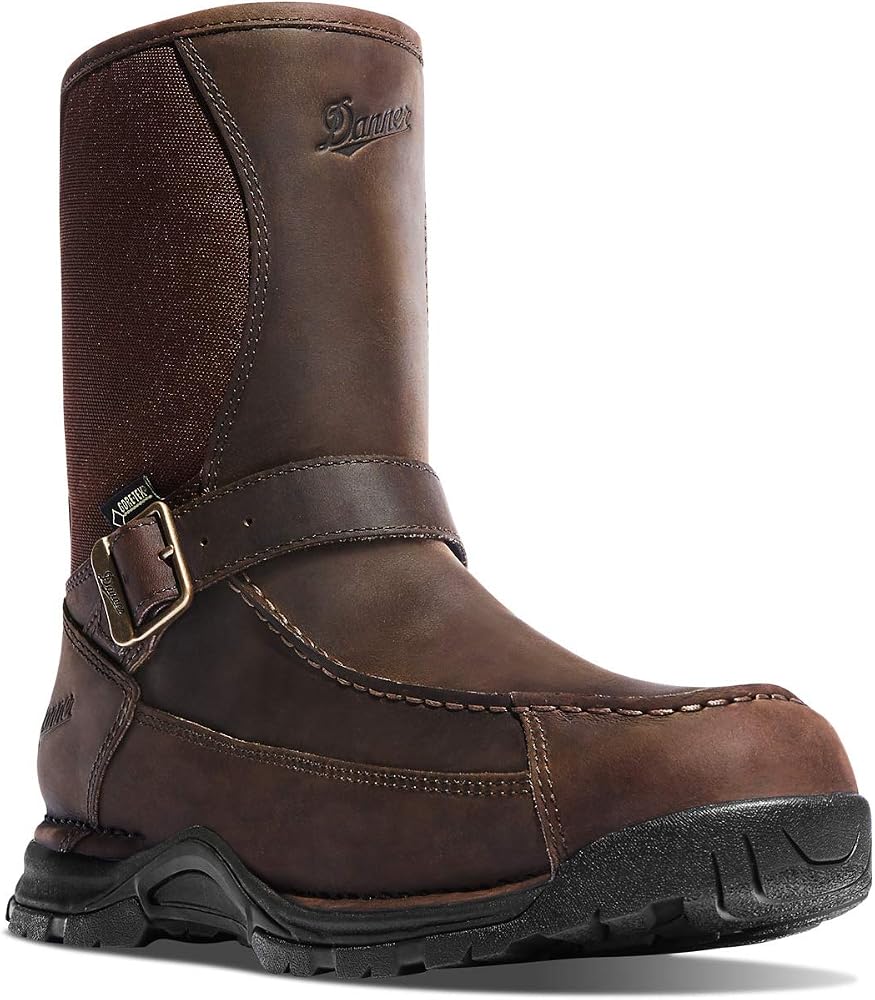
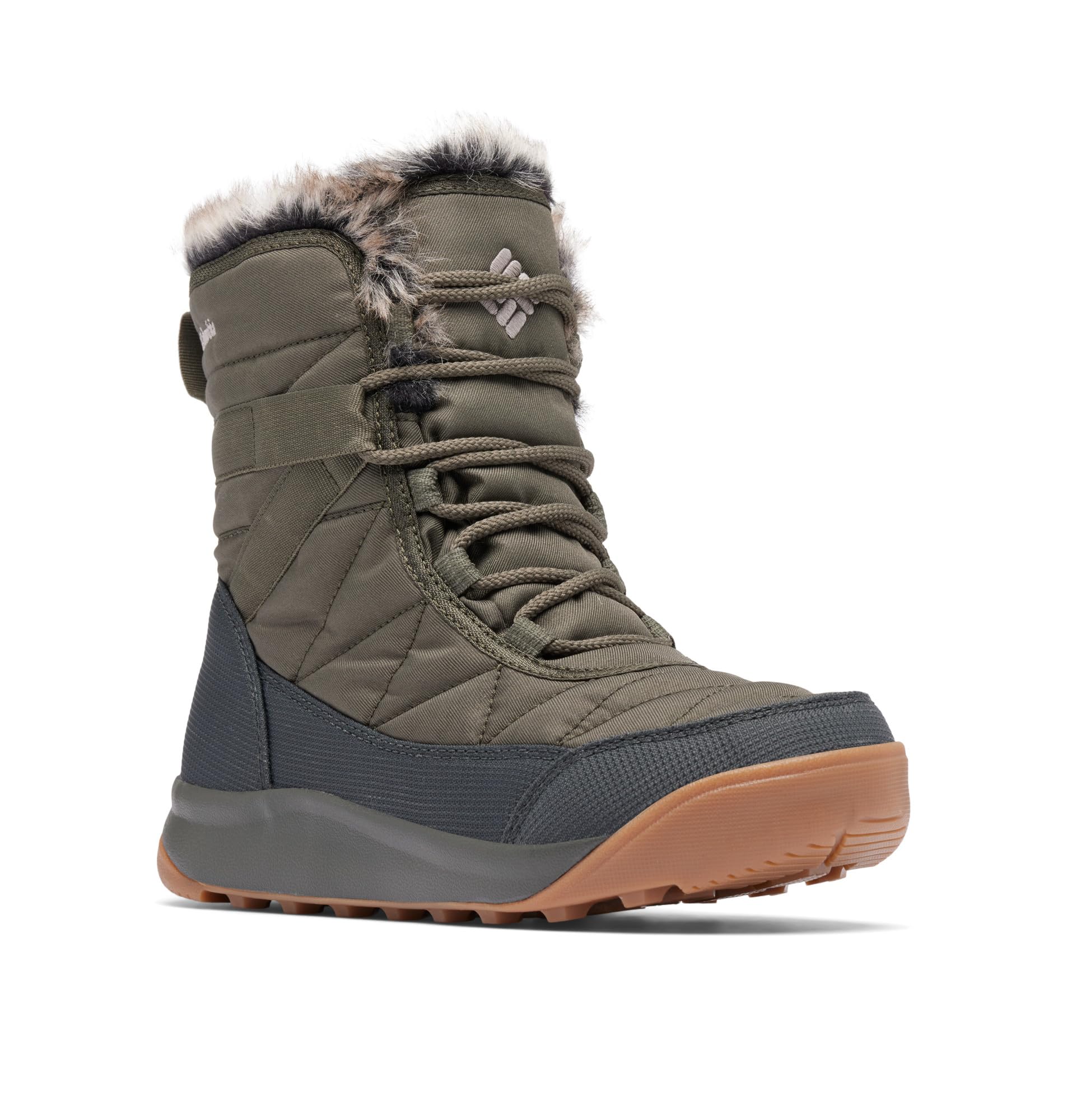
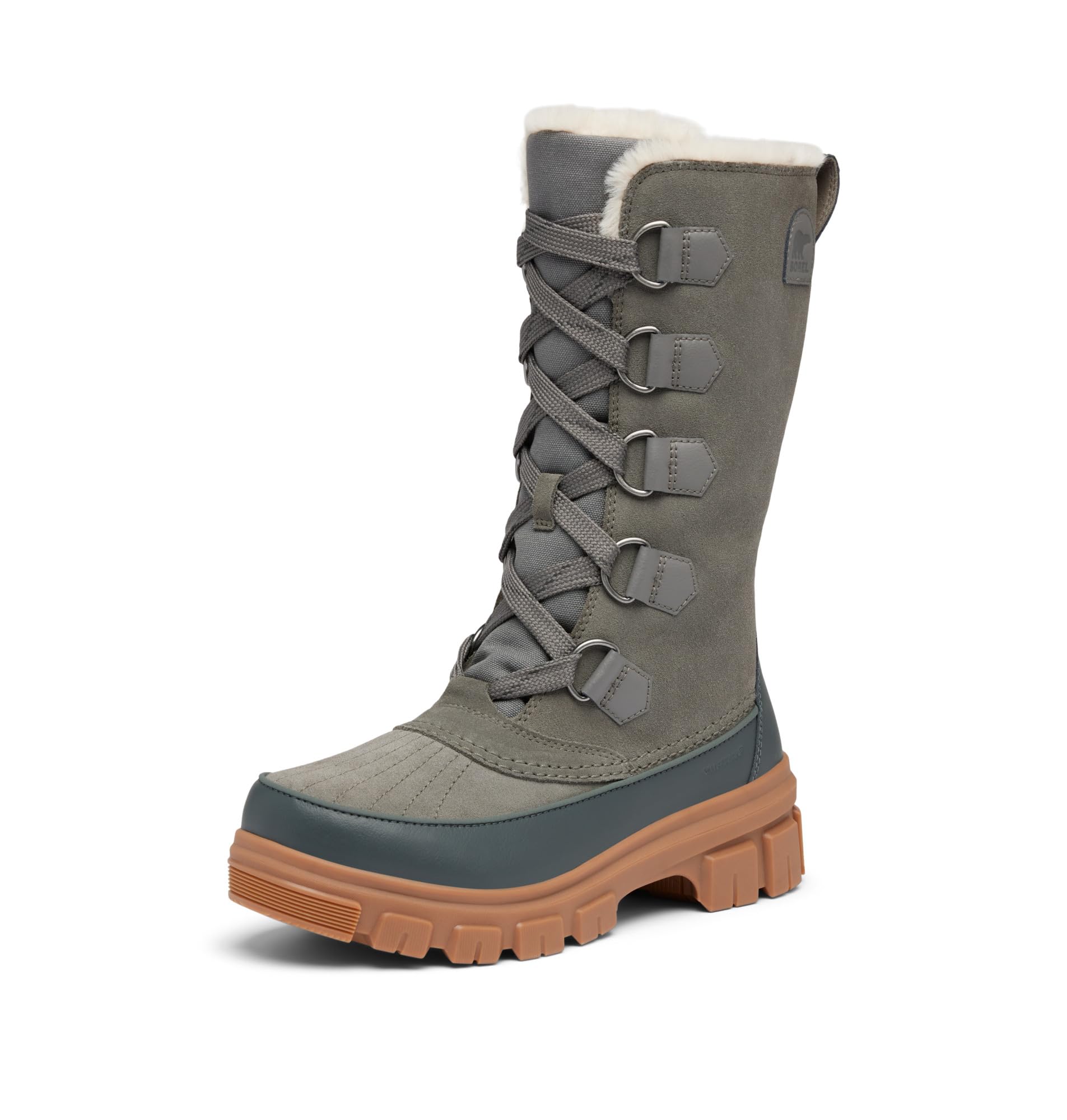
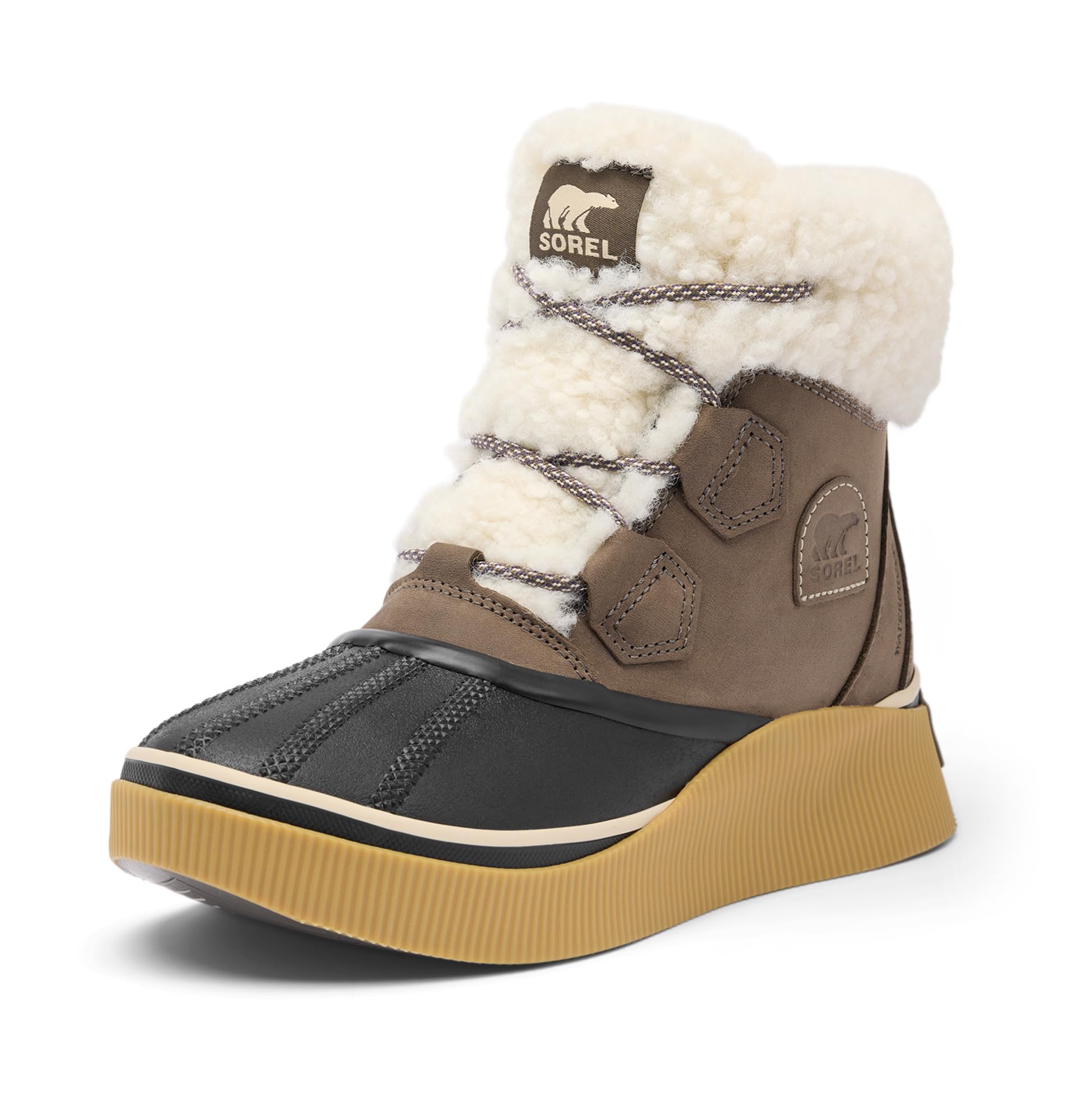
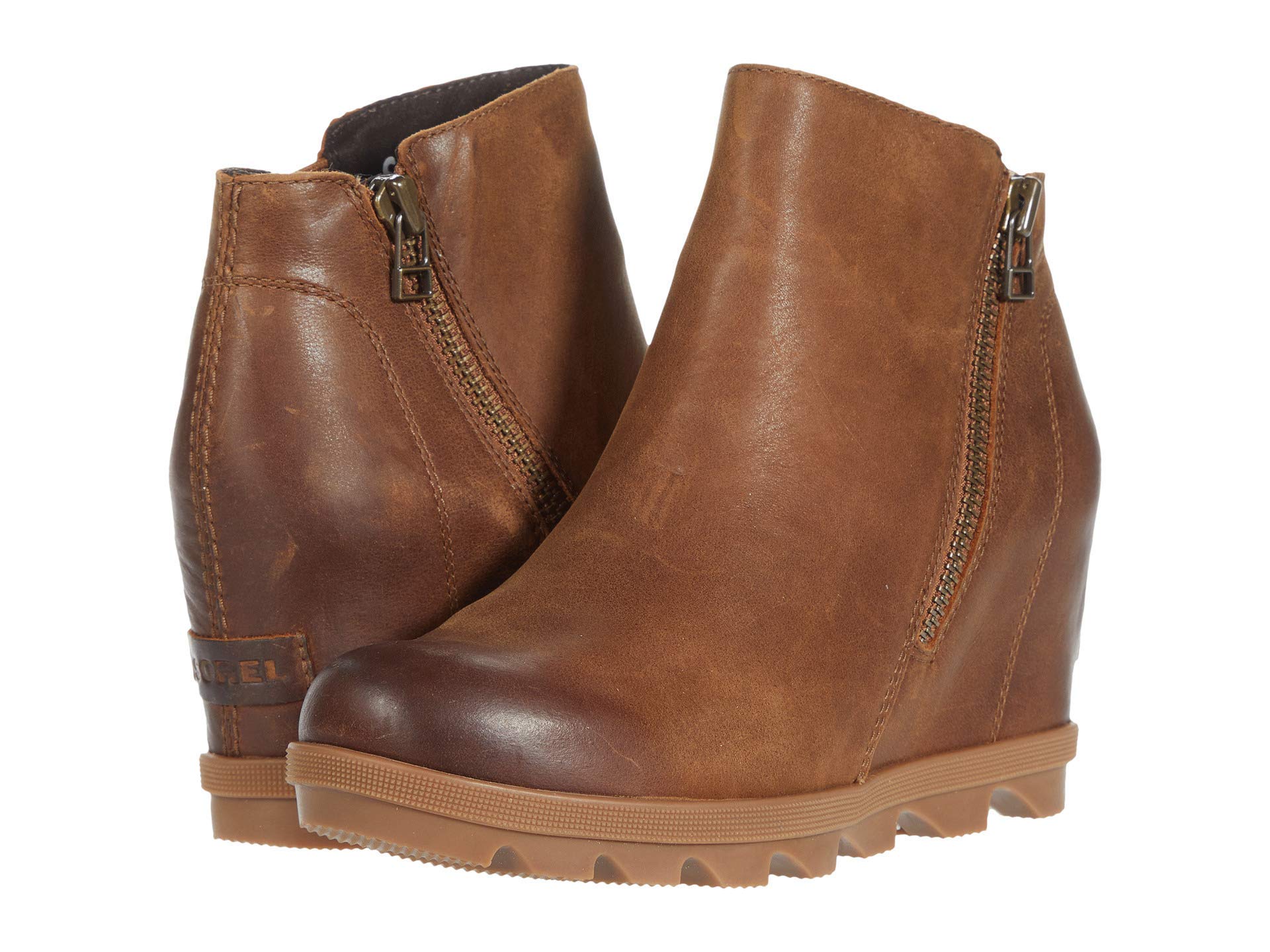
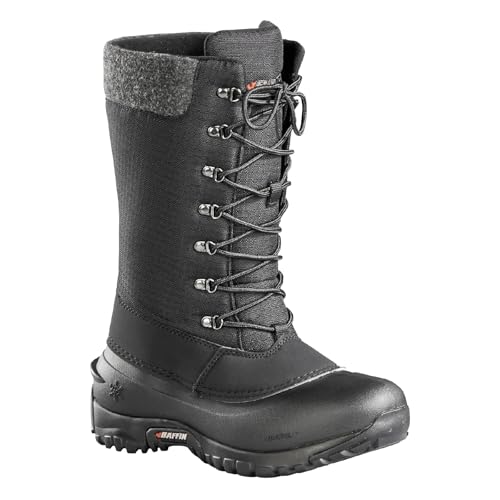
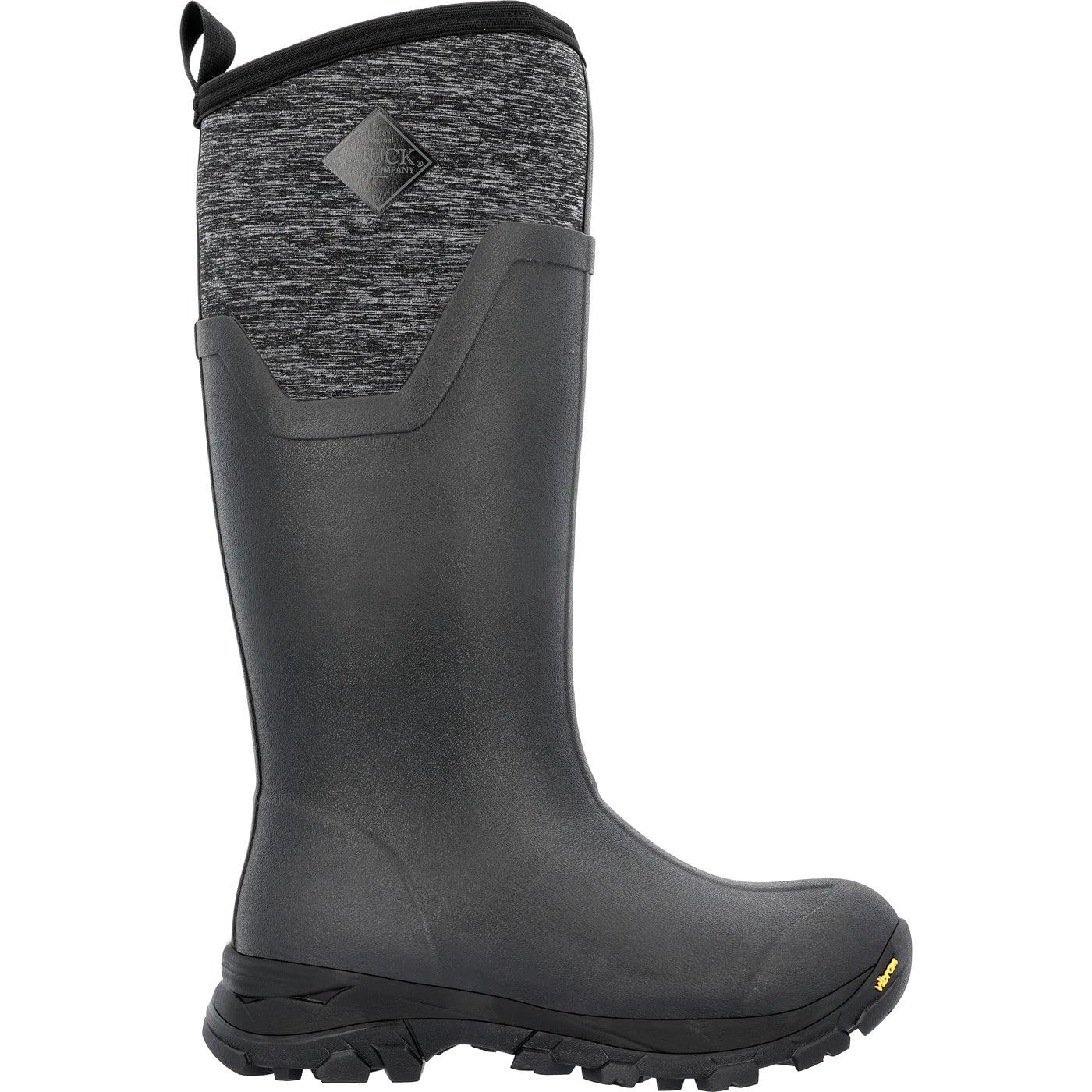
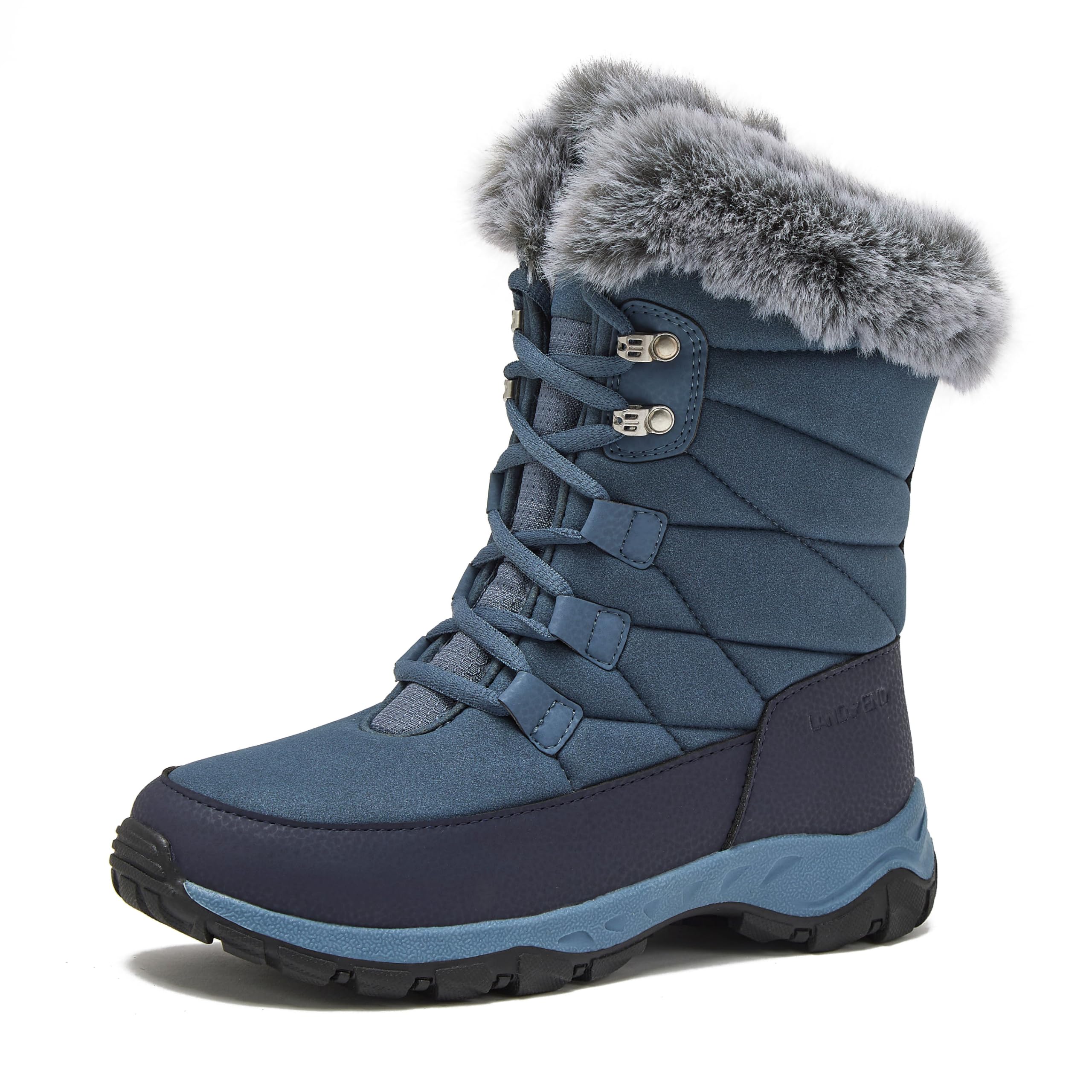
Cold feet ruin a winter day faster than almost anything else, and the wrong boot makes it worse. The best boots for cold weather women keep warmth in, keep slush out and grip icy ground, while fitting a narrower heel and calf than most unisex designs allow. The product table above lines up current options, and this guide explains how to judge them for your own routine.
Start with your coldest ordinary week, not a rare storm. How long you stand outside, how deep the snow gets and whether you walk or wait at a bus stop matter more than any single feature on a listing.



Who Should Buy Boots for Cold Weather?
Your daily pattern decides how much insulation and height you need. Match yourself to one of the groups below, then read the feature sections with that picture in mind.
Commuters Walking on Plowed Sidewalks and Slush
You cross wet curbs, icy corners and heated buildings in a single trip. A mid height waterproof boot with moderate insulation suits you, because heavy warmth overheats feet indoors and sweaty socks then chill outside. Look for a sole with many small edges for painted crosswalks and a style neat enough for the office.
Dog Walkers and Weekend Snow Users
You head out twice a day and on weekends, often over packed snow and unplowed paths. Choose a taller shaft that keeps snow out, deeper lugs and a lining you can dry overnight. Easy entry matters too, so a pull loop or side zip saves time on cold mornings.
Women Who Stand Still Outdoors
Waiting at games, working a stall or watching practice means very little body heat reaches your feet. You need the warmest rating you can walk in, a thick sole that blocks cold from the ground and a roomy toe box for thick socks.
Key Features of the Best Boots for Cold Weather Women
Work through these factors in order. A boot that fits poorly or lets water in will feel cold no matter what the insulation number says.
Insulation Weight and Temperature Ratings
Insulation is usually listed in grams. About 200 grams suits active walking near freezing, about 400 grams suits most winter days and 600 grams or more suits long, still hours in deep cold. Printed temperature ratings assume you keep moving, so choose one level warmer if you will stand around.
Waterproofing and Shaft Height
A waterproof membrane and sealed seams keep melting snow from soaking the lining, and wet insulation loses warmth fast. Shaft height decides how much snow gets in over the top. Ankle height works for cleared streets, mid calf suits drifts, and a gusseted tongue stops snow slipping in at the laces.
Fit, Calf Width and Room for Thick Socks
Women's lasts are usually narrower at the heel and cut for a slimmer calf, which keeps the heel from lifting. Try boots late in the day with the socks you plan to wear, and leave room to wiggle your toes. Tight boots restrict circulation and feel colder than a roomier pair with the same insulation. If your calf is wide, look for a stretch panel or an adjustable cuff.
Outsole Traction on Ice and Packed Snow
Soft rubber stays flexible in the cold and grips ice better than hard compounds. Lugs about 4 to 6 mm deep with wide spacing shed snow instead of packing flat. No tread makes smooth ice safe, so shorten your stride on glare ice and consider strap on traction aids for steep, icy routes.
Cushioning, Arch Support and Weight
Frozen ground is hard, so a cushioned midsole and a supportive footbed matter on longer walks. Weight adds up over a day: a lighter boot reduces calf fatigue, while the heaviest pac style boots trade nimbleness for warmth. A removable insole lets you add your own arch support.
Upper Materials and Breathability
Leather and suede look polished and resist abrasion, though they need conditioning and dry slowly. Synthetic uppers weigh less and dry faster. Faux fur and fleece linings feel warm right away, but breathable linings manage sweat better on active days.
Types of Cold Weather Boots for Women
Most boots in this category fall into a few styles. Knowing which one suits your winter saves you from paying for bulk you never use.
Insulated Winter Boots
These are the everyday choice for school runs, dog walks and commuting, with fixed insulation, a waterproof upper and a lugged sole. They balance warmth and walking comfort well and usually cost about $90 to $200.
Pac Boots With Removable Liners
Pac boots pair a rubber lower with a thick liner you can pull out and dry. They shine in deep snow and long, still periods outdoors, but they are heavy and less precise to walk in. Choose them when warmth matters most.
Winter Hiking Boots
Lace up hiking style boots add insulation to firm soles and ankle support, which suits trails and uneven ground. For trail focused options, see our guide to the best hiking boots for cold weather.
Fashion Style Winter Boots
Chelsea and bootie styles with fleece linings and grippy soles suit short outings and city streets. They look sharper than bulky pacs but offer less coverage in deep snow, so keep them for cleared routes.
Quick Buyer Checklist
Run through these questions before you order, and treat a no on the first three as a reason to keep looking.
- Does the insulation weight match how much you stand still?
- Are the seams sealed and the tongue attached at the sides?
- Can you wiggle your toes in your thickest winter socks?
- Is the shaft high enough for the deepest snow you meet?
- Does the sole use soft rubber with open lugs?
- Can you remove the insole or liner to dry it overnight?
For a broader look at the category, see our guide to the best cold weather boots.
Common Mistakes to Avoid
- Buying your regular size without thick socks leaves toes pressed and cold.
- Trusting a temperature rating as a promise ignores that standing still produces far less heat than walking.
- Choosing smooth fashion soles for winter streets leads to slips on the first icy curb.
- Picking a low shaft for deep snow lets snow spill in and soak your socks.
- Wearing cotton socks traps sweat against the skin and chills your feet once you stop.
- Drying wet boots on a radiator cracks leather and weakens the glue in the sole.
Care and Maintenance
After wet outings, pull out the insoles and liners, loosen the laces and let the boots air dry at room temperature away from direct heat. Stuffing them with plain paper pulls moisture from the toe box overnight.
Brush off road salt, because dried salt stiffens leather and leaves stains. Renew water repellent treatments when water stops beading, check the lugs each autumn and replace worn laces before they snap. Store boots upright in a cool, dry place.
Frequently Asked Questions
What features matter most in boots for cold weather women?
Insulation matched to your activity, a waterproof build and a grippy sole matter most. A feature buyers often overlook is the liner: a removable liner dries overnight, while a fixed lining can stay damp for days and make the second day feel colder.
How should women's winter boots fit?
They should feel secure at the heel and midfoot, with a thumb width of space ahead of your longest toe while you wear thick socks. If your heel lifts, try a narrower last or tighten the cuff before you size down, since a smaller size also squeezes your toes.
Do I need waterproof boots for cold weather?
In most regions, yes, because snow melts against a warm boot even on dry days. In very cold, dry climates where snow stays powdery, a water resistant boot can be enough and breathes better.
Can I wear insulated boots all day?
You can if the insulation matches your activity. Heavy insulation indoors can overheat your feet, and the sweat then chills them outside, so a mid weight boot and a spare pair of socks handle a mixed day best.
How long is the break in period?
Most insulated boots feel right after three to five short outings, while stiff leather may need a week or two. If a spot still pinches after that, the fit is wrong rather than unfinished.
How often should I replace winter boots?
Replace them when the tread wears smooth, the waterproofing leaks or the insulation packs flat. For daily winter use that often means every two to four seasons.
Final Thoughts
Match insulation to how much you move, make sure the fit leaves room for thick socks, and never trade away traction for looks. Compare your shortlist in the product table above against those three points before you decide. Chosen that way, the best boots for cold weather women keep you warm, dry and steady from the first frost to the last thaw.