
Best Cold Weather Mountain Bike Jacket: Types Compared for 2026
Disclosure: We may earn a commission when you buy through links on this page, at no extra cost to you. As an Amazon Associate I earn from qualifying purchases. Learn more
Compare softshell, hardshell and hybrid jackets by insulation, weather protection and fit to choose the best cold weather mountain bike jacket for winter rides.
Choosing winter riding gear gets confusing fast, because jackets that look similar behave very differently once the temperature drops and the trail turns wet. Choosing the best cold weather mountain bike jacket is really a choice about jacket type first, since insulation, weather protection, and breathability trade against each other in every design.
This guide compares the main types side by side, then walks through fit, layering, and the trail features that matter most. Use the product table to shortlist styles that match your usual winter conditions.


Types of Cold Weather Mountain Bike Jackets Compared
Three broad types cover almost every winter ride. If you also ride in mild weather, our guide to the best mountain bike jacket covers lighter options, while the jackets below are built specifically for cold days when a thin shell alone will not keep you comfortable.
Insulated Softshell Jackets for Dry Cold Days
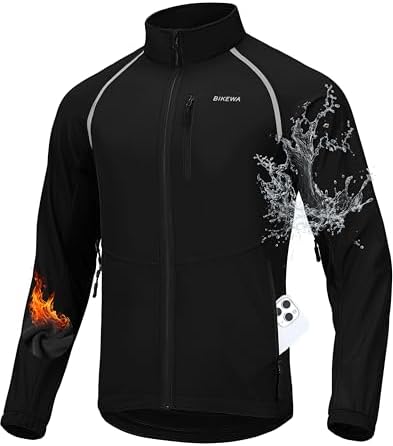
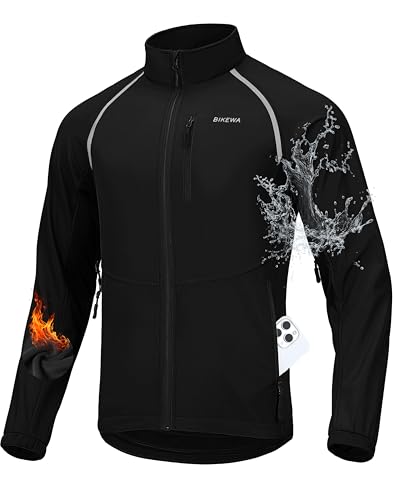
An insulated softshell pairs a wind resistant outer fabric with a soft, brushed or fleece lined interior. The outer face blocks most wind and sheds light drizzle and trail spray, while the lining traps warmth without the bulk of a separate mid layer. Stretch in the fabric lets the jacket move with you over the bars.
Softshells breathe well for a warm jacket, so they suit dry cold, windy ridges, and riders who run warm and climb hard. Their weakness is sustained rain, since the fabric eventually wets through and the insulation loses warmth once soaked.
Waterproof Hardshell Jackets for Wet Winter Riding
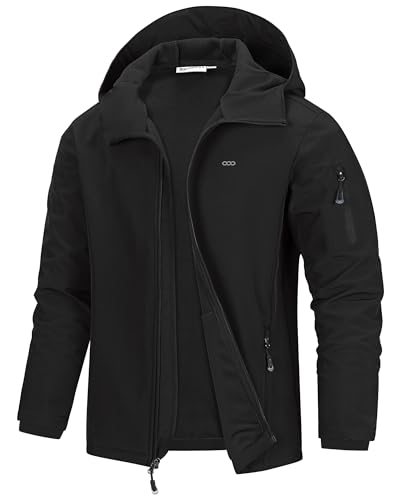
A hardshell uses a waterproof membrane or coating under a durable outer fabric, with taped seams and a water repellent finish that sheds rain. It carries little or no built in insulation, so warmth comes from the layers you wear underneath, which you can adjust for a frosty morning start and a milder afternoon finish.
Hardshells are the right call for wet climates, slush, and mud, where staying dry matters more than built in warmth. The trade off is breathability, since waterproof fabrics vent heat more slowly and can feel clammy on hard climbs unless the jacket has vents. For full wet weather coverage, pair one with our guide to the best cold weather mountain bike pants so spray off the trail does not soak your legs.
Hybrid Jackets That Combine Insulation and Weather Protection
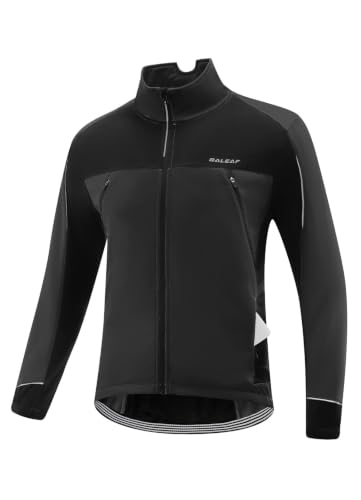
Hybrid jackets place insulation where your body needs it most, usually across the chest and front of the arms, and use lighter, more breathable panels on the back and under the arms. Some hybrids add a waterproof membrane in the front panels as well, giving partial rain protection where spray and wind hit hardest.
Hybrids suit riders whose rides mix hard climbing with cold, fast descending, and whose weather is changeable rather than constantly wet. They are a compromise by design, so they rarely match a softshell for breathability or a hardshell for storm protection. Choose one when your rides vary a lot within a single outing.
Softshell or Hardshell: Which Jacket Type Should You Choose?
Start with precipitation. If most of your winter rides are dry, even when bitterly cold and windy, an insulated softshell will usually feel warmer, because its breathability matches steady trail effort. If rain, wet snow, or constant wheel spray defines your winter, the hardshell wins, since a soaked insulated jacket chills you quickly.
Next, think about effort and layering habits. Riders who climb hard and already own good base layers and mid layers often prefer the hardshell system, because each piece can be swapped as conditions change. Riders who want to pull on one layer and go usually prefer the softshell or a hybrid. The product table can help you compare how the types handle these trade offs.
How to Choose the Right Cold Weather Jacket for Mountain Biking
Once the type is settled, five factors separate a jacket you will wear all winter from one that stays in the closet. When you shop for the best cold weather mountain bike jacket for your own riding, work through them in order, since temperature and weather come before smaller feature details.
Temperature Range and Your Local Winter Conditions
Match the jacket to the coldest conditions you ride in often, not the single coldest day of the year. A jacket rated by its maker for riding well below freezing will feel stifling during a mild winter ride just above freezing, and no vent fully fixes insulation that is simply too heavy. Riders in places with wide temperature swings should favor a shell plus layers, while riders with consistently deep cold can commit to heavier insulation.
Insulation and Layering Room
Insulation in bike jackets is usually synthetic fill or a fleece lining, and synthetic fill keeps working better when damp, which matters on muddy trails. Think of the jacket as the outer part of a system: a wicking base layer moves sweat off your skin, a mid layer adds warmth, and the jacket blocks wind and weather. Your hands are part of that system too, so read our guide to the best cold weather mountain bike gloves if cold fingers end your rides early. Whatever jacket you choose, it should leave room for the layers you actually plan to wear.
Waterproofing, Breathability, and Venting
Waterproof ratings and breathability ratings from makers give a rough comparison between jackets, but construction details matter just as much. Taped seams, a storm flap over the main zipper, and a hood that seals around a helmet keep rain out at the weak points where plain fabric ratings do not help. For breathability, look for underarm vents or a two way front zipper that lets you dump heat on climbs without removing the jacket.
Fit, Sizing, and Coverage on the Bike
Bike jackets are cut for the riding position, so check fit leaning forward with arms extended, not standing straight in front of a mirror. Sleeves should reach your gloves with no gap at the wrist, and the back should be longer than the front so it covers your lower back when you are bent over the bars. The body should allow a mid layer underneath without pulling tight across the shoulders, since tight layers compress insulation and restrict steering movement.
Trail Features: Hoods, Cuffs, Pockets, and Zippers
Small details decide daily comfort. A helmet compatible hood is valuable for slow, cold starts and rest stops, but it should stow or fit snugly so it does not flap or catch wind on descents. Adjustable cuffs seal over or under glove cuffs to stop cold air entering the sleeve, and a dropped back hem with a grippy inner edge keeps spray off your shorts or pants. Pockets should sit high enough to clear a hip pack strap, and zippers should have pulls you can grip with winter gloves on.
Picking a Jacket for Different Winter Riding Uses
Best Mountain Bike Jacket for Cold Weather, by Ride Type
The phrase best mountain bike jacket for cold weather means something different for each ride style, so match the jacket to your most common outing. For high output trail rides with long climbs, a hybrid or a breathable softshell prevents sweat buildup that later chills you on the descent. For shuttle riding with little pedaling, choose heavier insulation, since your body generates far less heat while coasting down.
For wet winter trail centers and muddy local loops, the hardshell system earns its place, and keeping your feet dry matters just as much, so see our guide to the best cold weather mountain bike shoes for that side of the setup. For riders building a full winter kit from scratch, our guide to the best cold weather mountain bike gear shows how the jacket fits alongside the rest of your clothing.
Common Mistakes to Avoid When Buying a Winter Riding Jacket
- Buying insulation for the coldest day you can imagine, so the jacket feels too hot on most normal winter rides.
- Choosing a waterproof jacket with no vents, so sweat builds up inside and chills you at the first stop.
- Sizing the jacket standing upright, so the back rides up and the sleeves pull short once you lean over the bars.
- Assuming a water repellent finish alone handles steady rain, so you get soaked through on the first long wet ride.
- Picking pockets and zippers you cannot operate with thick gloves, so simple adjustments mean bare hands in the cold.
- Ignoring layering room, so the mid layer you need on the coldest days does not fit under the jacket at all.
How to Make Your Cold Weather Mountain Bike Jacket Last Longer
Wash the jacket according to its care label, using a gentle cycle and a detergent made for technical fabrics, since ordinary detergents and fabric softeners can clog membranes and ruin water repellent finishes. Close all zippers before washing so the teeth do not snag the lining. Many jackets regain their water shedding behavior after gentle tumble drying, because mild heat reactivates the surface finish.
When the outer fabric starts soaking up water instead of beading it, reproof the jacket with a wash in or spray on treatment made for the fabric type. Hang it to dry fully, then store it loose on a hanger rather than stuffed in a pack, since long compression weakens insulation loft. Repair small tears early before mud and washing make them grow.
Frequently Asked Questions About Cold Weather Mountain Bike Jackets
How warm does a cold weather mountain bike jacket need to be?
Your cold weather mountain bike jacket needs to match the temperatures you ride in most, with layering covering the extremes. For rides near freezing, a midweight insulated softshell over a thermal base layer suits most riders. For rides well below freezing, add a fleece mid layer under the jacket or choose a hybrid with heavier front insulation. Warmth also depends on effort, since steady climbing generates heat that a slow descent quickly removes.
Can a cold weather mountain bike jacket be too waterproof for trail riding?
Yes, a cold weather mountain bike jacket can be too focused on waterproofing for rides that are mostly dry. Strong waterproof membranes vent heat slowly, so on a dry, hard ride the moisture inside will be your own sweat. If your winter is cold but rarely wet, a softshell with a water repellent finish gives a better balance.
Should a cold weather mountain bike jacket fit over a backpack or hip pack?
A cold weather mountain bike jacket works best worn over your base and mid layers but usually under a backpack, since pack straps over the jacket keep it close and stop it flapping. Hip pack users should check that the back hem clears the pack and that front pockets stay reachable below the waist strap.
What should you wear under a cold weather mountain bike jacket?
Wear a wicking synthetic or wool base layer under a cold weather mountain bike jacket, never cotton, since cotton holds sweat and chills you when you stop. Add a fleece or light insulated mid layer when temperatures drop well below freezing or when your ride includes long, slow descents. One useful test is raising both arms and turning the bars before you leave, because tight layers show up immediately.
How do you know when a cold weather mountain bike jacket needs replacing?
A cold weather mountain bike jacket needs replacing when its fabric wets through quickly even after washing and reproofing, because the membrane or finish has broken down beyond recovery. Failing zipper teeth, delaminating seam tape, and insulation that stays flat after storage are other clear signs. Small cuff wear or a single broken zipper pull can often be repaired instead.
Final Thoughts
The right winter jacket starts with type: softshell for dry cold, hardshell for wet conditions, and hybrid for mixed rides with hard climbs and cold descents. After that, honest sizing for the riding position and room for your real layers matter more than any single feature. Compare your shortlist against the product table, check vents, cuffs, and pocket placement, and your best cold weather mountain bike jacket will be the one you reach for on every cold ride.


