
Best All Weather Boots for Men in 2026: Every Type Explained Side by Side
Disclosure: We may earn a commission when you buy through links on this page, at no extra cost to you. As an Amazon Associate I earn from qualifying purchases. Learn more
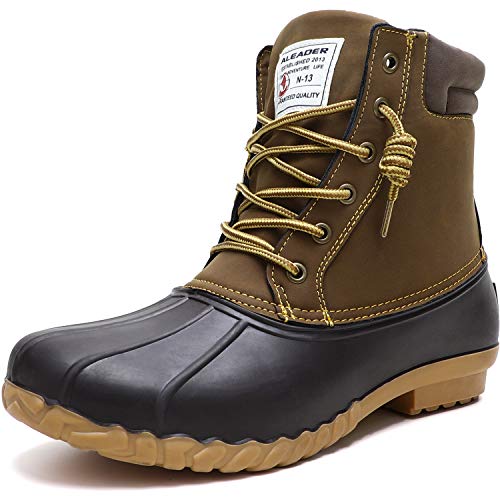
Men's weather boots compared by type, with fit, membrane, insulation and grip advice to help you choose the best all weather boots for men.
The best all weather boots for men are not one boot but four distinct types, and choosing starts with knowing which type matches your ground and your coldest month. Shelves blur them together: hiking styles, insulated winter pairs, rubber boots, and leather work boots all promise dry feet in similar language. One definition keeps the comparison honest: an all weather boot earns the name from a membrane and sealed construction that blocks rain and puddle water up to the height of its waterproof lining. Water deeper than that line overtops the collar, which is why the rubber boot here is a separate class, not a stronger version of the same idea.
Men's fit adds its own wrinkle: larger size runs and heavier daily loads from yard and job site work. The comparison table below summarizes the four types, and the sections after it walk through each one, then the fit and material choices that cut across all of them. Every type is a season compromise of some kind, so match the type to the months you actually spend outdoors.

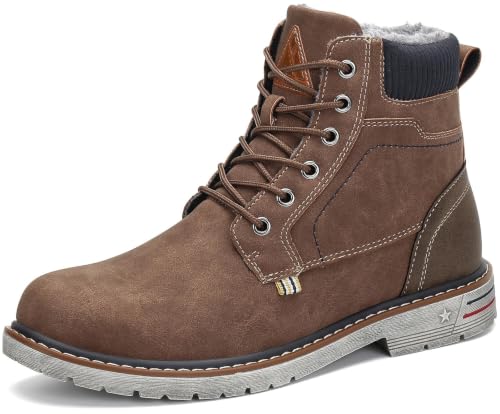



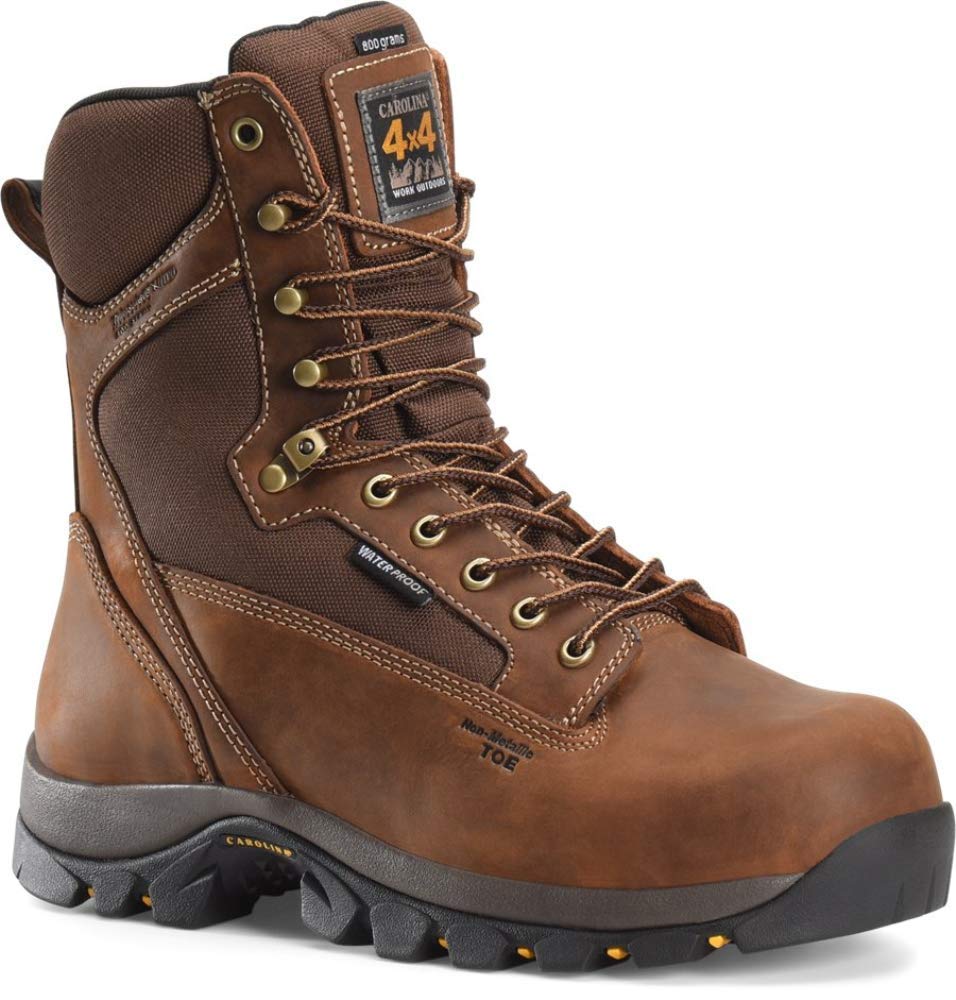
Types of Weather Boots Compared
Four types cover nearly every shelf, with typical prices that match the product table. One boundary first: none of these walking and working types is a snowboard boot; best men snowboard boots are a separate class built to flex in a binding. Readers who want the broader checklist covering women's and unisex cuts too can start from the best all weather boots guide and return here for the men's types.
| Type | Best For | Strengths | Limits | Typical Price |
|---|---|---|---|---|
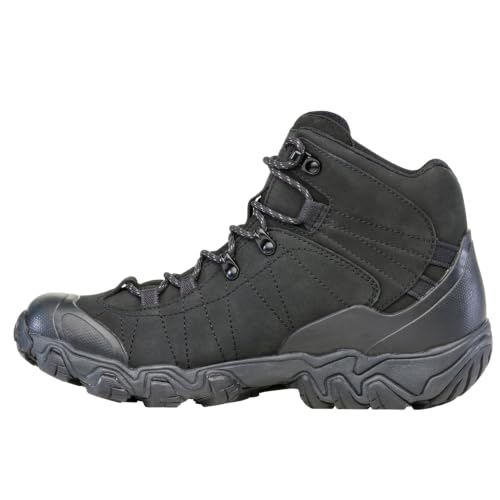
| Waterproof Hiking Boot | Trails, yard work, travel | Light, grippy, breathable for a sealed boot | Lining height limits deep water | about $90 to $180 |
| Insulated Winter Boot | Snow, ice, deep cold | Real warmth, tall shaft, deep lugs | Heavy and hot outside winter | about $100 to $220 |
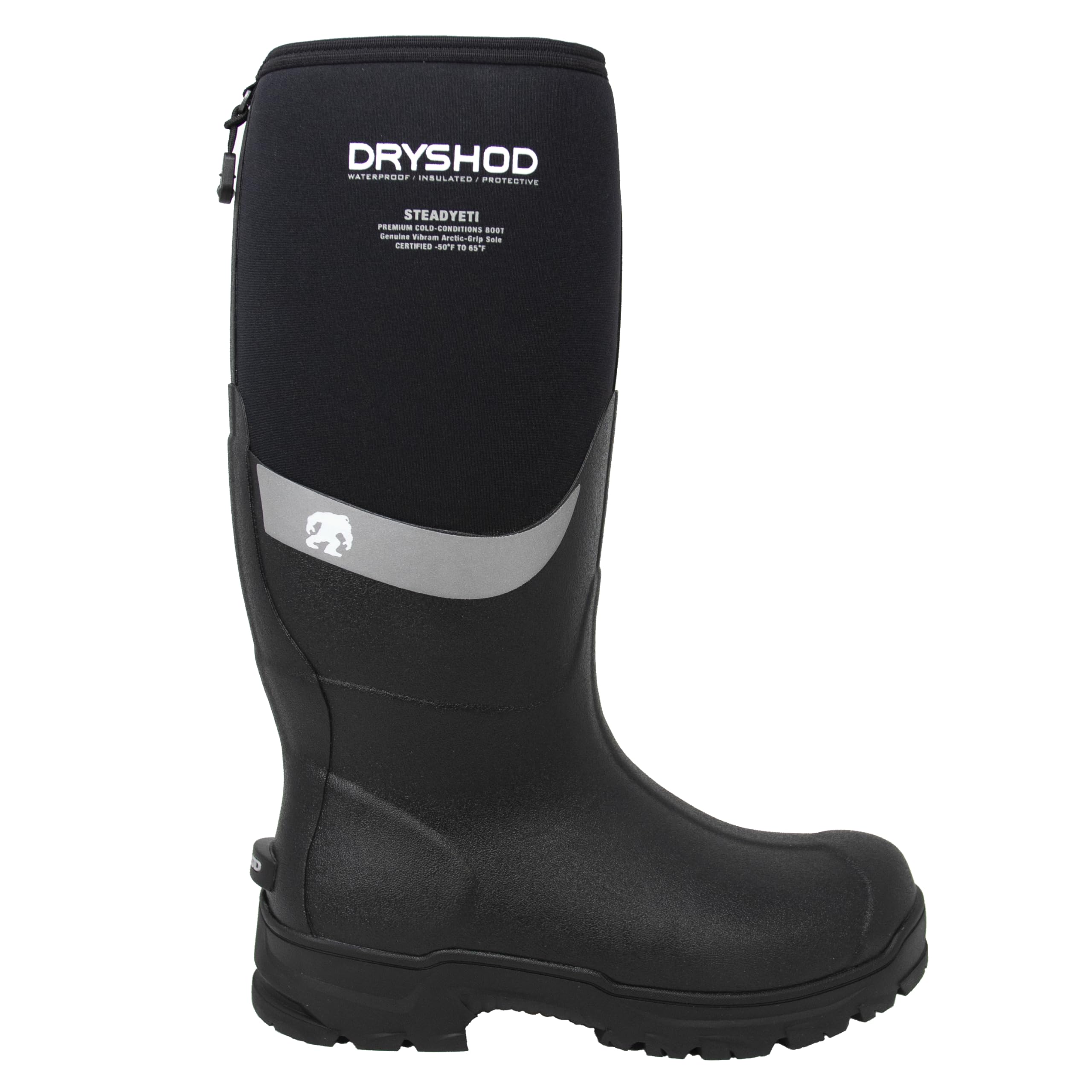
| Rubber Rain and Mud Boot | Farms, gardens, flooded ground | Waterproof to the top, rinses clean | Sweaty in warmth, little arch support | about $40 to $110 |
| Leather Waterproof Work Boot | Job sites, daily wear | Durable, supportive, repairable in stitched builds | Heaviest class, longest break in | about $120 to $280 |
Waterproof Hiking Boots
These are membrane boots cut like taller trail shoes: a fabric and leather upper, a sealed lining, and a lugged outsole. They are the most versatile type for men who split time between trails, wet grass, and town. Grip here is a tread and compound decision: the soft rubber that bites wet rock wears down faster on concrete. Choose them when your wet weather is rain and shallow puddles rather than standing water.
Insulated Winter Boots
This type adds real insulation and a taller shaft, trading everything else for warmth. It is the right answer for snow shoveling, ice fishing, and cold job sites, and the wrong answer for three season use, because insulation heavy enough for January turns punishing by May. Men who run cold or stand still outdoors should weight this type first; men who walk miles for exercise will find it heavy and hot. The best boots men winter guide compares plain winter styles without the all weather sealing focus.
Rubber Rain and Mud Boots
Rubber boots skip the membrane entirely: the material itself is the barrier, so they stay waterproof to the top of the shaft. That makes them the deep water class the other types cannot match, for flooded yards, muddy farms, and boat decks. The trade is sweat and support. Rubber does not breathe, and most models offer little arch structure, so they suit hours of wet work better than miles of walking.
Leather Waterproof Work Boots
A leather upper with a sealed lining is the traditional work answer: durable, supportive, and repairable in stitched welt builds. This type carries the widest men's size range and handles job site abuse that shreds fabric uppers. The costs are weight and patience, since leather asks for the longest break in of any type here. Men who wear one pair for work and weather usually land here; the best boots for men work guide covers the safety toe and sole choices inside it.
Membrane Boots vs Rubber Boots: Which Should You Choose?
These two types answer the same promise in opposite ways. Membrane boots breathe a little, fit like footwear, and keep water out up to the lining, which suits walking, working, and traveling in rain. Rubber boots breathe not at all and fit like equipment, but they shrug off water to the shaft top, which suits standing and wading. If your wettest days involve miles, choose membrane; if they involve standing water, choose rubber. Many men in wet regions own both, one for moving days and one for the flooded corner of the property.
How to Choose the Right Weather Boot
Upper Materials and Breathability
Leather sheds water well, molds to the foot, and asks for the most care. Fabric and synthetic uppers dry faster and weigh less, suiting men who rotate boots or hike more than they haul. Every sealed upper trades airflow for protection, so the practical question is drying time: a boot that dries overnight in a heated room beats a better boot on paper that stays damp for days.
Fit, Sizing, and Toe Box
Fit weather boots with your thickest work or winter socks, late in the day. Men's weather boots should leave a thumb width ahead of the longest toe and hold the heel without clamping the midfoot. Size runs in men's lines usually reach 14 or 15, and wide widths matter more in insulated types, where the lining takes up room. If you fall between sizes, take the larger one; insulation and thick socks will fill the difference.
Cushioning and Support
Support in this category comes from the shank and the footbed shape more than from soft foam. Men carrying loads or standing on ladders and concrete feel a stiff shank as less arch fatigue at the end of the day. Cushioning still matters for pavement miles, and a removable insole is the feature to insist on, since it lets you tune fit and replace the part that wears out first.
What Men Should Look For
Weight is the men's specific trap: a boot that feels fine in the store at size 9 feels very different at size 13 with insulation added, so check the stated weight for your size, not the sample. Also weigh shaft height against your exposure, calf room over work pants, and hardware you can lace with gloves on. For deep cold specifically, the best cold weather boots for men guide narrows the field to insulated builds made for hard winters.
How to Make Your Weather Boots Last Longer
Air dry every pair away from direct heat, with the insoles pulled out so the lining can dry. Rotate two pairs if you wear boots daily; a full day of rest restores cushioning and dries more moisture than any spray. Brush dried mud off before it works into seams, rinse salt off leather in winter, and condition leather when it looks pale and dry. Store boots upright in a dry room, not crushed in a bag.
Questions Answered
What makes all weather boots for men different from women's versions?
The differences are last shape, size range, and typical weight. Men's lasts run straighter through the heel relative to the forefoot, sizes extend higher, and shaft heights and insulation assume larger calves and heavier loads. The weather technology is identical, since a membrane seals the same way in both. Worth knowing: men with narrow feet sometimes fit a women's wide size better, and fit is the only rule that matters.
How should men's all weather boots fit?
Men's all weather boots should fit with a thumb width ahead of the longest toe and a heel that stays down when you climb stairs. Insulated types need extra room over summer socks, because the lining takes up space and trapped air is part of the warmth. Judge fit at the end of the day in the socks you will actually wear, and distrust a fit that depends on the boot stretching later, since membranes stretch far less than plain leather.
Are expensive men's all weather boots worth it?
Sometimes. Premium money buys repairable construction, better leather, and stronger membranes, paid back only across years of regular wear. For a man who wears them twenty days a year, a midrange pair delivers the same dry feet for half the money. A useful check is cost per season: divide the price by the seasons you realistically expect, and compare that figure across the types rather than comparing sticker prices.
Do men's all weather boots need to be waterproof to the top?
No. Sealing runs only to the lining height, which should match your exposure rather than max out. A boot sealed to about eight inches handles rain and puddles for most men, while taller sealing adds weight, cost, and sweat on dry miles. The honest question is the deepest water you cross on foot in a normal month; buy a little above that line and let rubber boots handle the exceptions.
Can men's all weather boots be worn all day?
Yes, if you pick the type for the day rather than the storm. Leather work boots and hiking membrane types carry most men through full shifts, while rubber boots and heavy insulated pairs punish feet kept in them indoors. Two habits decide all day comfort more than price: a dry sock swap at midday, and loosening the top laces when you sit, which restores circulation that tight shafts slow.
How long is the break in period for leather weather boots?
Leather weather boots take the longest of the four types, usually two to three weeks of regular wear before the ankle softens fully. The trick most men skip is lace tension: leave the top hooks loose the first week so the shaft creases where your ankle bends, then tighten as the leather sets. Blisters during break in point to heel lift, not to a boot that needs more punishment.
The Bottom Line
Pick the type first and the boot second. Match lining height to your deepest usual water, insulation to your coldest usual month, and tread to your usual ground, then let fit settle the finalists. The best all weather boots for men are the type you stop noticing by midday because your feet are dry, warm enough, and unbothered. Use the product table to compare current prices inside the type you chose, and buy once for the weather you actually get.


