
Best Cold Weather Mountain Bike Gloves: Warm, Grippy Choices for 2026
Disclosure: We may earn a commission when you buy through links on this page, at no extra cost to you. As an Amazon Associate I earn from qualifying purchases. Learn more

Compare winter cycling gloves by insulation, wind protection, grip and fit so the best cold weather mountain bike gloves keep hands warm and in control.
On a winter ride your hands do the most work and get the least protection: they grip the bars into the wind, they brake and shift with small movements, and they sit far from your warm core. The best cold weather mountain bike gloves keep fingers warm enough to feel the brake lever, block wind at the knuckles, and still let you shift and operate your phone or a zipper without stripping them off. The product table lists full finger winter cycling gloves, lobster style gloves, and general insulated gloves, and the sections below explain how to choose.
Warm hands on a bike are different from warm hands on a walk. Wind chill from your own speed strips heat from the back of the hand, and a tight grip squeezes insulation flat. So the right glove needs insulation that stays lofted when you close your fist, a windproof back, and a palm with real grip.



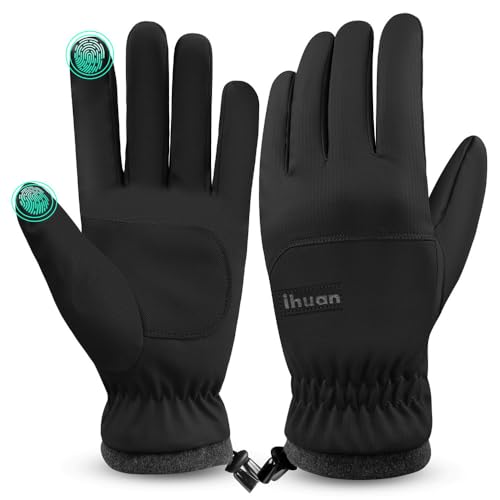
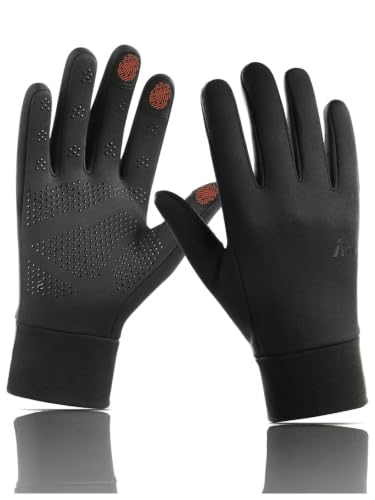

Glove Types for Cold Rides
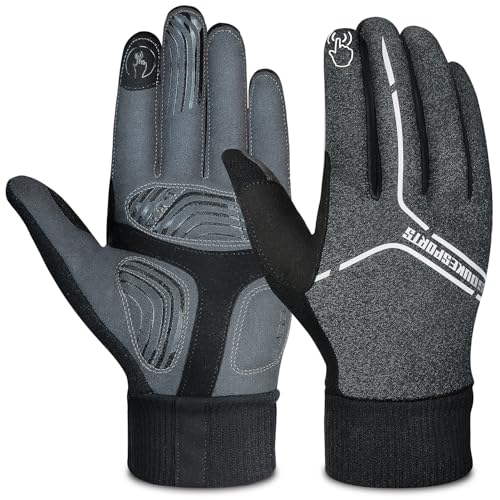
Windproof softshell full finger gloves
These suit cold and dry rides from near freezing up to cool autumn days. A windproof back keeps wind off the knuckles, a fleece lining adds warmth, and thin palms keep good bar feel. They are the best starting point for most riders and breathe well on climbs.
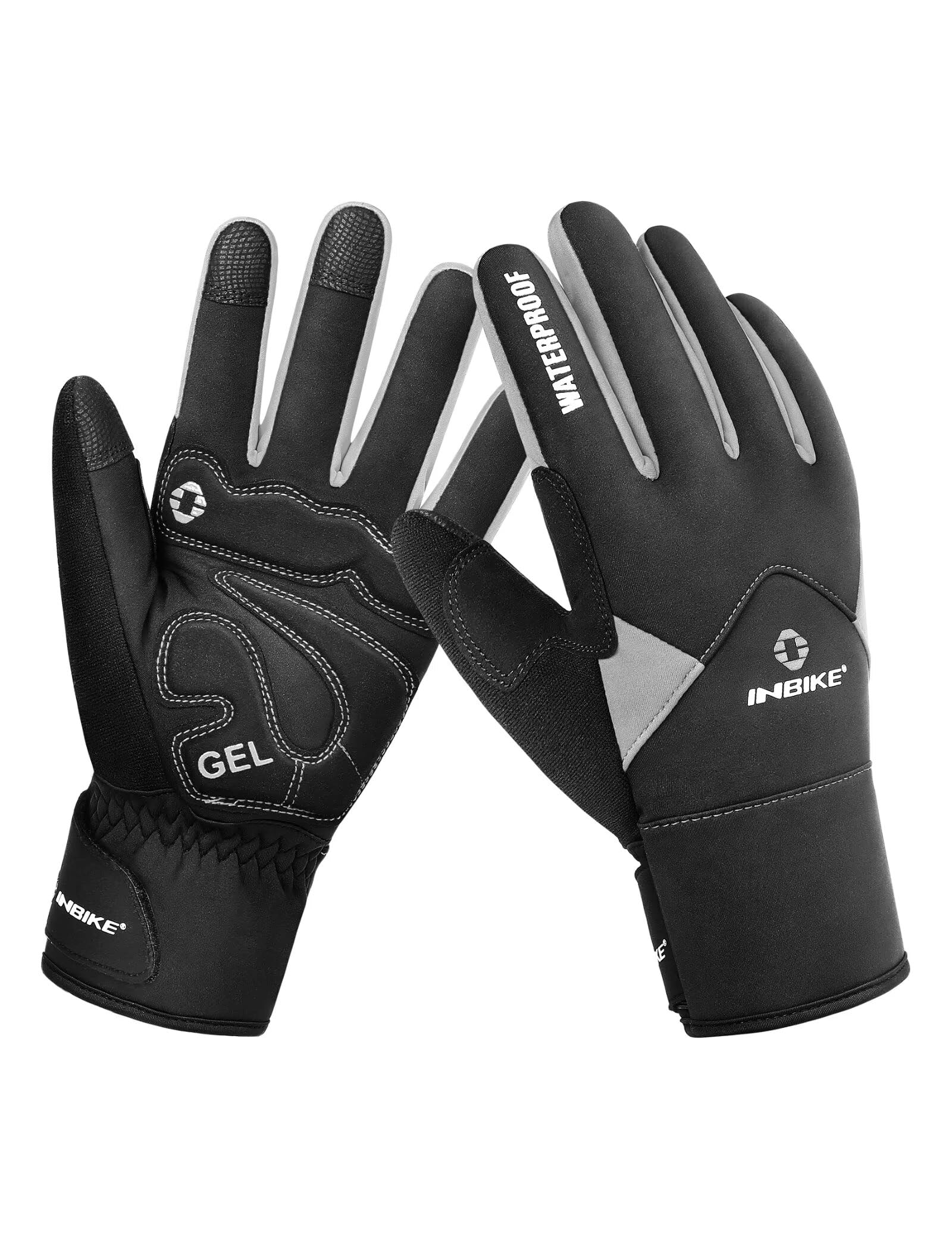
Waterproof insulated gloves
For rain, sleet, and wet snow, a waterproof membrane glove keeps hands dry, which matters because wet hands lose heat fast. They are warmer and bulkier, and they breathe less, so hands can feel damp on long climbs. Expect a bit less feel at the lever.
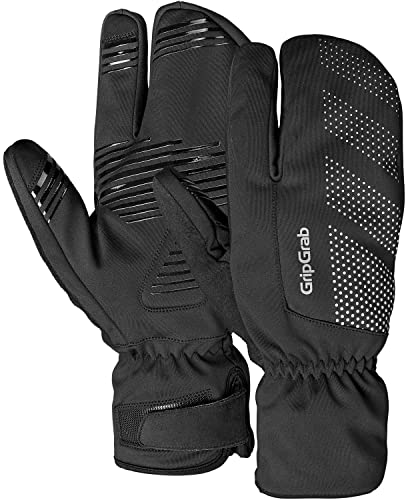
Lobster style gloves
Lobster gloves group the ring and pinky fingers together and the index and middle fingers together, which keeps warmth closer to mitten level while still letting you reach the brake and shifter. They suit the coldest rides. The tradeoff is less dexterity, so practice with them before you rely on them on a technical trail.
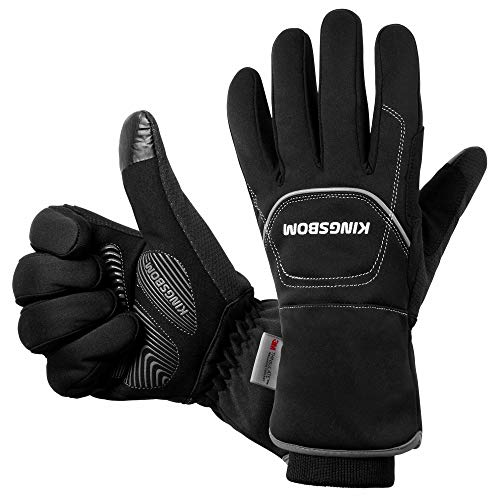
Liner and general winter gloves
Thin liners and general insulated gloves work under a shell glove or on mild days, and many have touchscreen fingertips. Check the palm grip and the fit of the fingers, since loose fingertips make braking harder.
Features That Matter
- Insulation: look for insulation that stays warm without bulk, because thick padding makes brake control harder.
- Windproof back: this blocks the wind your speed creates and keeps heat in.
- Palm grip and padding: a grippy palm keeps your hands from slipping on wet bars, and gel padding reduces vibration on long rides.
- Cuff design: a cuff that sits under your jacket sleeve or seals over it keeps drafts out.
- Touchscreen fingertips: useful for checking a phone or navigation without removing the glove.
- Waterproofing: choose it only if you ride in wet weather, since it reduces breathability.
Fit and Sizing
Measure around your palm and check the maker size chart. A glove should be snug enough to keep the fingertips from bunching at the lever but not so tight that it squeezes your hand, since tight gloves cut circulation and feel colder. Leave a small amount of space at the fingertips, because a layer of air is part of the insulation. If you plan to wear a thin liner underneath, try them together. Close your fist and grip a bike bar or a broom handle in the store or at home to check how the fingers and palm feel in the riding position.
Keeping Hands Warm on the Trail
Start the ride with warm hands: put on your gloves indoors and keep your core warm, since hands lose heat quickly when your body is cold. Carry a spare pair of dry liners if the weather is wet, and avoid sweating heavily early in the ride. Chemical hand warmers can help on the coldest days, but follow the instructions and keep them away from bare skin. If fingers go numb, pale, or painful and do not recover quickly indoors, stop riding and warm up slowly, and talk with your doctor about repeated cold sensitivity.
Care and Storage
Follow the washing instructions on the label, since many gloves lose their water repellency or windproof layer in hot water or a hot dryer. Air dry them away from direct heat, turn waterproof gloves inside out to dry the lining, and refresh the water repellent finish when water stops beading. Store them dry and clean, with fingers flat, so the padding does not crease.
Common Mistakes
- Buying gloves that are too tight, which cuts circulation and makes hands colder.
- Choosing the thickest insulated glove and losing brake feel.
- Wearing waterproof gloves for dry rides, where they trap sweat.
- Ignoring the cuff, which lets wind and water run in.
- Expecting one pair to cover every temperature.
Related Guides
Complete your winter kit with best cold weather mountain bike gear, best cold weather mountain bike jacket, best cold weather mountain bike pants, and best cold weather mountain bike shoes.
Frequently Asked Questions
How do I choose the right size of cold weather mountain bike gloves?
Measure around your palm, compare it with the size chart, and choose the size that leaves room for fingertip air but does not bunch at the lever. If you will wear a liner, try both together. If two sizes seem close, pick the one that lets you make a full fist without squeezing.
What features matter most for cold weather mountain bike gloves?
Warm insulation without bulk, a windproof back, and a grippy palm matter most. Touchscreen fingertips and a good cuff are useful extras, and waterproofing is worth it if you ride in wet conditions.
Are lobster gloves better than regular gloves?
Lobster gloves are warmer because fingers share heat, which helps in deep cold. Regular full finger gloves give better dexterity for technical trails. Many riders own both and choose based on the temperature.
How do I stop my hands from sweating in winter gloves?
Choose breathable gloves for dry weather, wear a thin moisture wicking liner, and start slightly cool so you do not overheat. Waterproof gloves breathe less, so switch to a softshell glove on dry days.
What should I do if my hands go numb on a ride?
Stop, warm your hands against your body, and consider heading home. Numbness that does not ease, or skin that turns pale or painful, is a sign to get warm and talk with your doctor about it.
Final Thoughts
The best cold weather mountain bike gloves match your temperatures and riding style: a windproof softshell for cold dry rides, a waterproof glove for wet days, and a lobster style glove for the deepest cold. Check the fit with a closed fist, compare the options in the product table, and keep a spare pair for changing conditions.


